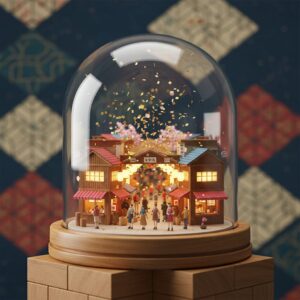
Yo, what’s the move? If you’re planning a trip to Japan, you’ve probably got a list: neon-drenched Tokyo crossings, serene Kyoto temples, maybe even some world-class powder if you’re hitting the slopes. That’s all lit, for real. But what if I told you the realest, most authentic vibe of Japan isn’t just in those big-ticket spots? What if it’s hiding in plain sight, in the covered arcades that snake through neighborhoods like a country’s living, breathing arteries? We’re talking about shotengai—Japan’s covered shopping streets. These aren’t your basic, soulless shopping malls. Nah, a shotengai is a whole mood. It’s a trip back to the Showa era, a foodie paradise, and the true heart of local community life all rolled into one. It’s where grandmas haggle over daikon radishes, where the air is thick with the sizzle of freshly fried croquettes, and where every little shop has a story that stretches back generations. Forget the hype for a minute; this is where you find the low-key soul of Japan. It’s an unfiltered, unpretentious, and utterly captivating experience that’s waiting for you to just wander in and get lost. So, let’s ditch the main tourist drag and dive deep into the world of shotengai. Bet.
To fully immerse yourself in Japan’s local culture, consider also exploring the atmospheric yokocho alleyways.
The Vibe Check: What a Shotengai Actually Feels Like
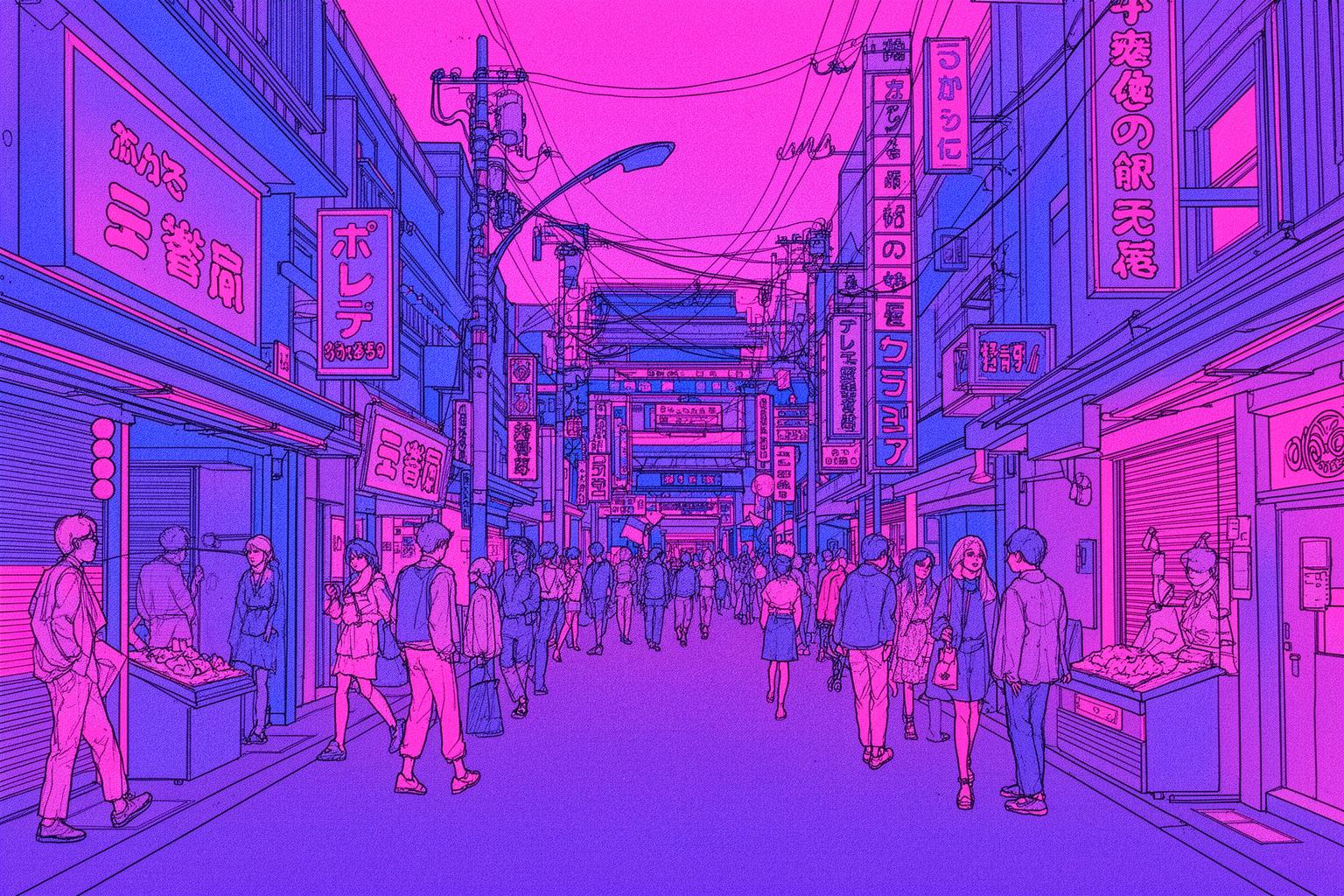
Entering a shotengai feels like switching to a different frequency. The moment you walk beneath its often-grand, sometimes-retro archway, the sensory environment transforms. The noise of city traffic diminishes, replaced by a distinctive harmony of sounds. There’s the cheerful, rhythmic shout of “Irasshaimase!” (Welcome!) from shopkeepers, the soft murmur of conversations, the sharp clatter of a butcher’s knife on a wooden block, and perhaps some nostalgic enka music drifting from an old record store. It’s a commercial soundscape, yet warm, human, and wonderfully unhurried.
Then, the scents arrive. It’s a rich, delicious tapestry woven from many threads. The sweet, slightly caramelized aroma of freshly grilled senbei rice crackers competes with the savory, mouth-watering fragrance of yakitori skewers sizzling over charcoal. You’ll notice the deep, earthy scent of roasted green tea from a specialty shop, the fresh, oceanic smell of a fishmonger’s stall, and the comforting, oily fragrance of a tempura shop frying its next batch. It’s a full-bodied olfactory journey that narrates the community’s daily meals and simple joys. Visually, it’s a feast of organized chaos. Banners with bold calligraphy hang from the vaulted ceiling, vibrant product displays spill onto the walkway, and hand-written signs advertise the day’s specials. This contrasts sharply with the minimalist style of modern Japan. Here, everything is lively, slightly cluttered, and bursting with character. The atmosphere isn’t polished or curated; it’s lived-in. It’s the essence of a place that has served its community for decades, one that prioritizes connection over convenience, a place that is, in every sense, authentic.
A Portal to the Past: The Showa Retro Aesthetic
To truly experience the shotengai, you need to understand its origins in the Showa Period (1926-1989). This era, particularly the post-war years, was marked by significant economic growth and social transformation in Japan. As communities rebuilt and modernized, shotengai became the bustling commercial centers of neighborhoods. They served as the original one-stop shops, where families could purchase everything from daily groceries and clothing to furniture and electronics. The arcade-style covered roof was a practical innovation, sheltering shoppers from Japan’s scorching summers and rainy seasons, effectively turning the street into a year-round communal living room.
Today, strolling through many of these arcades feels like entering a time capsule from that era. The aesthetic is distinctly Showa retro. Look out for the kissaten, traditional coffee shops with vinyl booths, syrupy melon sodas, and a thick air of nostalgia. These differ from modern cafes; they offer quiet, reflective spaces where time seems to slow down. You’ll also find dagashiya, small candy stores brimming with brightly packaged, incredibly affordable snacks that bring joy to children and evoke a deep sense of natsukashii (nostalgia) in adults. The signage plays a key role as well. Faded, hand-painted kanban (signboards) and vintage neon signs for long-established businesses narrate a story of resilience and tradition. You might spot a butcher shop operated by the same family for three generations, its sign serving as a testament to its lasting presence in the community. This aesthetic isn’t a mere gimmick; it’s the authentic patina of age, the result of these places evolving naturally over decades without complete redevelopment. It serves as a precious, tangible link to a simpler time, offering a deep sense of comfort and continuity in an otherwise hyper-modern country.
More Than a Market: Must-Try Shotengai Experiences
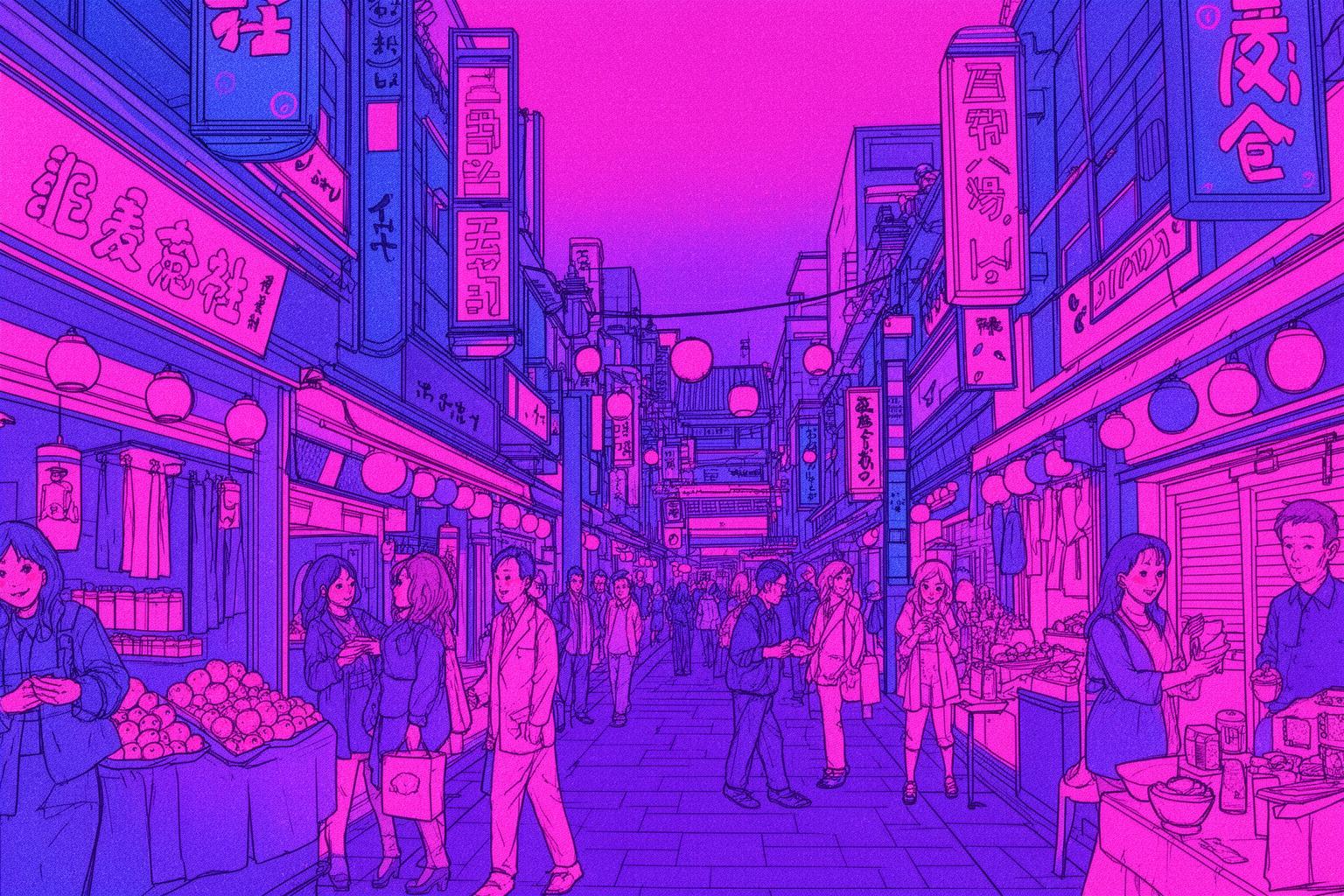
While the atmosphere is a major draw, shotengai are lively, dynamic places filled with plenty to do. The top activity, without a doubt, is tabe-aruki, which literally means “eat-walking.” This is the delightful practice of grazing your way along the arcade, sampling delicious and incredibly affordable street food from various stalls. It’s the ultimate foodie crawl.
The Ultimate Foodie Crawl
When you’re in a shotengai, your diet is officially on hold. The first snack you’ll likely come across is the korokke (croquette). These deep-fried potato patties, sometimes mixed with minced meat or vegetables, are the quintessential shotengai treat. They’re crispy on the outside, fluffy inside, and usually cost less than a dollar. Every butcher shop or deli seems to have its own secret recipe. A close relative is the menchi-katsu, a breaded, deep-fried patty of minced meat that’s juicy, savory, and absolutely divine. For something sweet, look for taiyaki, a fish-shaped cake typically filled with sweet red bean paste (anko), though sometimes custard or chocolate. Watching them cook in their special cast-iron molds is part of the experience. You’ll also find stalls selling yakitori (grilled chicken skewers), dango (sweet rice dumplings on a stick, often glazed with sweet soy sauce), and freshly made senbei (rice crackers) grilled right before your eyes. This isn’t just about cheap eats; it’s about tasting food deeply rooted in Japanese home cooking, crafted with care by local vendors.
Discovering Local Life and Hidden Gems
Beyond the food, the true charm lies in the shops themselves. Take your time to peer into stores that aren’t immediately obvious. You may find tofu shops where the owner makes fresh tofu each morning, a process often visible to customers. There are o-chaya (tea shops) where you can sample various types of Japanese green tea and learn from a knowledgeable shopkeeper. You might stumble upon a tiny store selling only kombu (kelp) or tsukemono (pickled vegetables), showcasing an incredible variety you won’t find in supermarkets. These specialty shops are masters of their craft. Look out for small stationery stores with vintage notebooks, family-run pharmacies with classic packaging, and hardware stores that seem to stock everything imaginable. These businesses have met the daily needs of local residents for generations. Engaging with them, even with just a smile and a nod, connects you to the rhythm of everyday life in Japan in a way no major tourist attraction can.
A Coast-to-Coast Guide: Iconic Shotengai You Can’t Miss
While the shotengai spirit is universal, each one boasts its own distinctive flavor and character. From the ridiculously long to the wonderfully quaint, here are some of the most legendary shotengai across Japan that are definitely worth visiting.
Osaka: The Shotengai Capital
Osaka is arguably the birthplace of shotengai culture, embodying the city’s friendly, down-to-earth, and food-loving personality. You could easily spend days exploring its arcades.
Tenjinbashisuji Shotengai
This is the undisputed king of shotengai. Stretching an incredible 2.6 kilometers (about 1.6 miles), Tenjinbashisuji holds the title of the longest shopping street in Japan. It’s so extensive that it covers three different subway stations (Minami-morimachi, Ogimachi, and Tenjinbashisuji 6-chome). Walking its full length is an experience in itself, taking at least 40 minutes nonstop—but trust me, you’ll be stopping. The arcade is divided into numbered sections (chome), and the atmosphere gradually shifts as you proceed. You’ll encounter everything here: bargain sushi spots like the famous Harukoma Sushi where queues form for good reason, traditional knife shops, kimono dealers, and countless stalls selling takoyaki and okonomiyaki. Don’t miss Nakamura-ya, a legendary butcher shop known for its incredibly cheap and tasty korokke. The arcade’s northern end is near the Osaka Museum of Housing and Living, which perfectly complements the experience by recreating an Edo-period townscape, and the Tenmangu Shrine, home to the massive Tenjin Matsuri, one of Japan’s greatest festivals each July. During the festival, the shotengai buzzes with energy. To fully enjoy it, start at one end and take your time. Don’t rush—let the vast scale and variety soak in. It’s a microcosm of Osaka life.
Shinsaibashisuji Shotengai
If Tenjinbashisuji is the traditional king, Shinsaibashisuji is its trendy, high-energy counterpart. Located in the lively Minami district, this 600-meter-long arcade is a major shopping hub for both locals and tourists. The vibe here is more modern and fast-moving. You’ll find a mix of big-name brand stores, department stores like Daimaru, fashionable boutiques, and cosmetic shops alongside more traditional businesses. It runs parallel to Midosuji Avenue, Osaka’s equivalent of the Champs-Élysées, and links the Dotonbori area (famous for its Glico Running Man sign) to the north. While it has a more commercial feel, the energy is infectious. It’s packed with people, especially on weekends, creating a vibrant, exciting atmosphere. It’s the perfect spot to feel the pulse of modern Osaka while enjoying the comfort of a covered arcade. Food options abound—from stylish cafes to quick, delicious street food tucked between bigger shops.
Tokyo: Arcades in the Metropolis
Tokyo’s shotengai provide a welcome break from the city’s towering skyscrapers and frantic pace. They serve as neighborhood hubs that have retained their local charm against all odds.
Togoshi Ginza Shotengai
Don’t let the “Ginza” in the name mislead you; this isn’t the high-fashion district. Situated in Shinagawa Ward, Togoshi Ginza is one of Tokyo’s longest and most beloved shotengai, stretching roughly 1.3 kilometers. It’s renowned for its friendly, down-to-earth atmosphere and, most notably, its korokke. Togoshi Ginza is a haven for croquette enthusiasts, with dozens of shops offering unique versions—from classic potato and black pepper to oden or even gyoza-flavored croquettes. Many locals come here specifically to go on a korokke-meguri (croquette tour). Beyond croquettes, the street is lined with around 400 shops selling everything from fresh produce and fish to clothing and household goods. It has a nostalgic, unpretentious vibe that makes it a fantastic place to witness everyday Tokyo life away from major tourist spots. Access is convenient via Togoshi Station on the Toei Asakusa Line or Togoshi-Ginza Station on the Tokyu Ikegami Line.
Yanaka Ginza Shotengai
For an authentic taste of old Tokyo, or shitamachi, Yanaka Ginza is unbeatable. This relatively short (about 170 meters) but charming shopping street feels like a place frozen in time. Located in the Yanaka neighborhood, which miraculously escaped WWII bombings, the entire area retains a nostalgic pre-war atmosphere. The shotengai is known for its entrance, a staircase called Yuyake Dandan (meaning “sunset steps”). In the evening, this spot offers a lovely, warm-hued view of the shopping street below—a classic Tokyo photo opportunity. The street itself is filled with small, family-run businesses. You’ll find shops selling grilled squid, sweet potatoes, and, of course, menchi-katsu from a butcher shop that always has a line. The area is also famous for its large population of friendly stray cats, which have become unofficial street mascots. A visit to Yanaka Ginza pairs well with a stroll through nearby Yanaka Cemetery, a surprisingly beautiful and tranquil spot, especially during cherry blossom season.
Nakano Sun Mall and Broadway
This one is a unique hybrid. Nakano Sun Mall is a classic, bright, bustling 225-meter covered shotengai leading directly from Nakano Station’s north exit. It’s packed with a diverse mix of shops: drugstores, clothing stores, eateries, and arcades. The vibe is lively and everyday. But the real highlight lies at the end: Nakano Broadway. Here, the shotengai experience transforms into the heart of otaku (geek) culture. Nakano Broadway is a multi-level complex maze of hundreds of small shops devoted to anime, manga, figurines, retro video games, and various pop culture collectibles. It’s often described as a more compact, less overwhelming version of Akihabara. The contrast between the traditional Sun Mall and the subculture hotspot of Broadway is fascinating. You can grab a korokke in Sun Mall, then hunt for a rare Godzilla figure in Broadway. It’s the perfect blend of old and new Japan.
Sunamachi Ginza Shotengai
If you’re seeking a truly local Tokyo experience, Sunamachi Ginza in Koto Ward is the spot. A bit off the typical tourist path, that’s exactly its charm. This 670-meter street is known for its baka-goto-uri (ridiculously low prices) and is a paradise for惣菜 (sozai), or pre-cooked side dishes. Every third Saturday of the month features a “100 Yen Sale” where many items go for just ¥100. The street is especially famous for its oden stalls, tempura shops, and yakitori stands. The vibe is warm and communal; shoppers often chat with vendors they’ve known for years. It offers an authentic glimpse into daily life in a Tokyo neighborhood untouched by heavy tourism. It’s a bit of a journey to reach (best accessed by bus from Kinshicho or Kameido stations), but the reward is a genuinely local experience.
Kyoto: Tradition Meets Commerce
Kyoto’s arcades combine the city’s ancient elegance with a lively commercial spirit, often situated right in the city center.
Teramachi & Shinkyogoku Arcades
Running parallel in downtown Kyoto, these two covered arcades form the city’s main shopping district. Teramachi Dori, meaning “temple town street,” boasts a history spanning centuries and was once filled with temples. Today, it offers a somewhat more refined and traditional shopping experience, featuring established tea shops, art galleries, traditional paper stores, and bookstores alongside modern retailers. Shinkyogoku, right next door, is louder and geared toward a younger crowd, with souvenir shops, game arcades, and trendy clothing stores. Together, they offer a great mix of old and new. They also conveniently connect to Nishiki Market at their southern end, allowing a seamless transition from shopping for goods to exploring Kyoto’s culinary heart.
Nishiki Market (Nishiki Ichiba)
Often called “Kyoto’s Kitchen,” Nishiki Market is a narrow, five-block shopping street lined with more than a hundred shops and restaurants. Though technically a market (ichiba), it has the bustling feel of a lively shotengai. For over 400 years, Kyoto’s chefs and residents have sourced the finest local ingredients here. Stalls specialize in Kyoto’s famous products: tsukemono (pickles) in every variety imaginable, fresh tofu and yuba (tofu skin), Kyo-yasai (heirloom Kyoto vegetables), and premium seafood. Many vendors offer free samples or sell small ready-to-eat portions, making it another fantastic spot for tabe-aruki (eating while walking). Try tako tamago—a tiny octopus with a quail egg in its head—or sample various freshly made fishcakes. It can get very crowded, so it’s best to come early or prepare for a slow shuffle. It’s an essential experience for any food lover visiting Kyoto.
Pro-Tips for Your Shotengai Adventure

Ready to dive in? Keep these tips in mind to ensure your shotengai stroll is smooth and enjoyable.
Come Hungry, Seriously
This is the golden rule. The sheer variety of delicious, affordable food is one of the biggest draws. Avoid eating a large meal beforehand. The best approach is to nibble, sampling a little from several different shops. This way, you can experience the full range of shotengai delicacies.
Cash is King
Although Japan is becoming more credit card-friendly, many small, family-run shops in a shotengai still only accept cash. The vendor selling 80-yen korokke won’t have a card reader. Be sure to carry plenty of small bills and coins so you can shop without any trouble. It’s all part of the old-fashioned charm.
Timing Matters
For the most authentic, local atmosphere, visit on a weekday afternoon. That’s when you’ll see residents doing their daily shopping, and the pace tends to be more relaxed. Weekends, especially Saturday afternoons, are much busier with a lively, festive vibe. Keep in mind that many family-run shotengai shops close earlier than typical city stores, often by 6 or 7 PM. Also, many close on a specific weekday, commonly Wednesday or Thursday, so it’s worth checking if you’re aiming for a certain store.
A Little Japanese Goes a Long Way
Fluency isn’t necessary, but knowing a few basic phrases will greatly enhance your experience. A simple “Konnichiwa” (Hello) upon entering a shop, pointing at something and saying “Kore wo kudasai” (This one, please), and a heartfelt “Arigato gozaimasu” (Thank you very much) when leaving will be met with warm smiles. Shopkeepers often appreciate the effort and are quite friendly.
Walking Etiquette
Shotengai can get crowded, so be aware of your surroundings. Generally, people keep to the left when walking. Avoid stopping abruptly in the middle of the path to take photos; step aside instead. Regarding tabe-aruki (eating while walking), etiquette varies. Though the term means “eat-walking,” it’s typically considered more polite to stand near the shop where you bought your food to eat rather than walking down the busy arcade while eating. Look for designated eating areas or find a spot where you won’t block others. And always take your trash with you or dispose of it in the proper bin.
The Heartbeat of the Neighborhood
In a world constantly racing toward the next big thing, the shotengai stands as a beautiful, resilient symbol of community, tradition, and simple everyday pleasures. It’s more than just a place to shop or dine. It’s a living museum, a social center, and a culinary treasure trove all rolled into one. It’s where you can share a genuine moment with a local shopkeeper whose family has sold tea for generations. It’s where you can savor a croquette crafted from a recipe perfected over decades. It’s where you can truly feel the authentic, unfiltered rhythm of life in Japan.
So, on your next trip, make a promise to yourself. Set aside an afternoon, choose a shotengai on the map, and just go. Arrive with an open mind, an empty stomach, and no fixed plan. Let yourself be drawn in by the enticing aromas and intriguing sights. Get lost. You’ll find that the real heart of Japan isn’t always in the grand or famous, but in the charming, humble, and utterly genuine world of the shotengai. It’s a vibe you have to experience firsthand. For real.