What’s up, fellow travelers? Keiko Nakamura here, your go-to curator for all things aesthetically pleasing and culturally lit in Japan. So, you’ve done Tokyo, you’ve hit Kyoto, and you’re craving something that hits different. Something that feels less like a tourist checklist and more like stepping into a living, breathing time capsule. Bet. Let me drop a pin for you on a spot that’s pure magic, a place where the vibe is so thick you can practically taste the salt and nostalgia in the air: Tomonoura. Tucked away on the coast of Hiroshima Prefecture, this isn’t just another sleepy port town. Nah, this is the main character. It’s the kind of place that whispers stories from its creaky wooden facades and reflects centuries of history in the gentle lapping of the Seto Inland Sea. You might know it as the inspo for Studio Ghibli’s masterpiece, Ponyo, and while that’s a major flex, the real tea is that Hayao Miyazaki only scratched the surface of what makes this place an absolute mood. Tomonoura is where the frantic pace of modern Japan dissolves, leaving you with the rhythmic pulse of the tides and a sense of profound, cinematic peace. It’s a legit detox for the soul, a canvas of bygone eras painted with the most serene blues and greens. For the seasoned Japan explorer who thinks they’ve seen it all, Tomonoura is the plot twist you’ve been searching for. It’s low-key, it’s authentic, and it’s about to be your new favorite obsession. Get ready to slow your roll and catch a feeling that’ll stick with you long after you’ve left its winding, lantern-lit alleys. This is the Japan you dream about when you’re stuck in traffic, the one that exists between the lines of your guidebook. Let’s get into it.
The Soul of the Sea: Unpacking Tomonoura’s Timeless Vibe
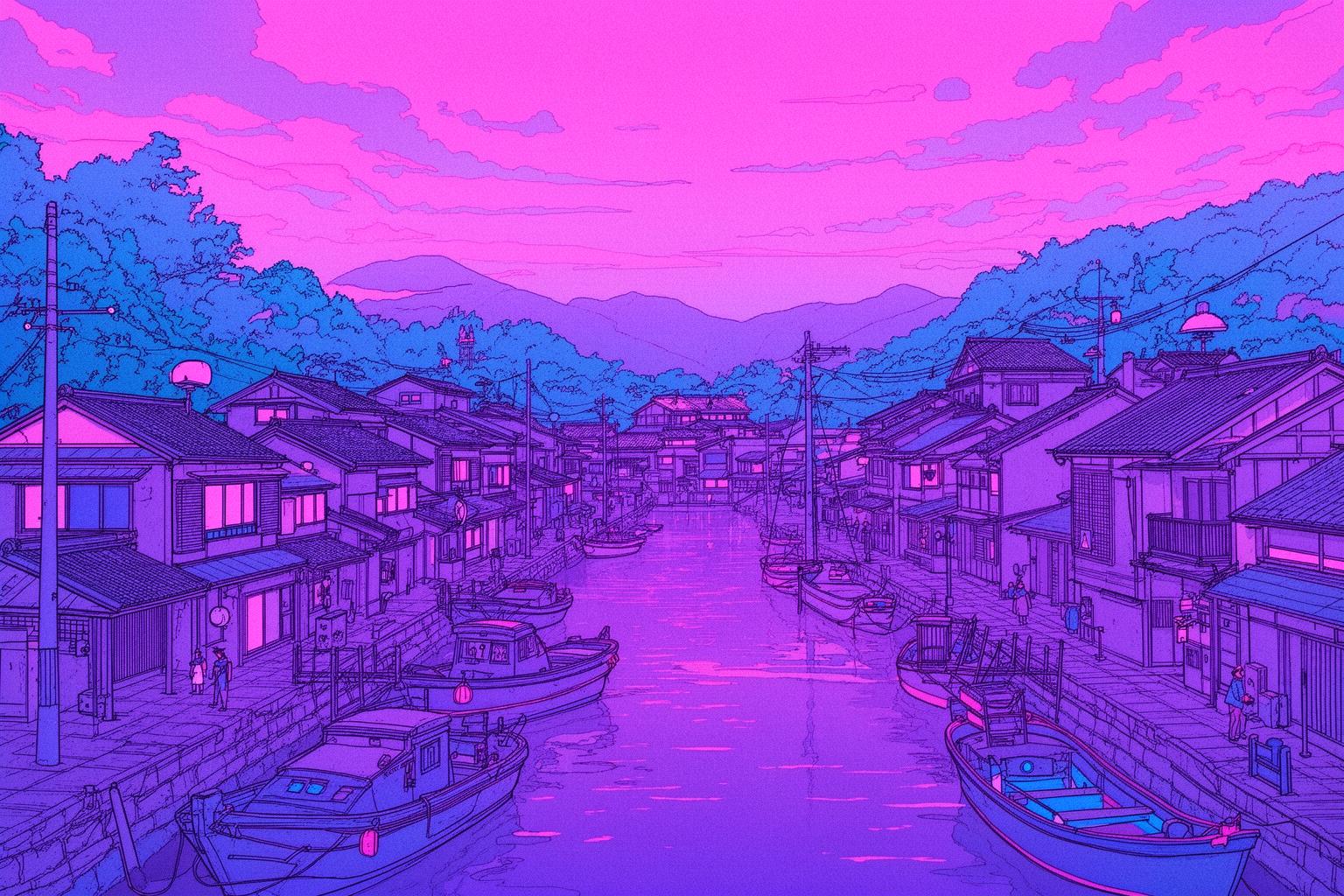
To truly understand Tomonoura, you need to grasp its original status as a shio-machi no minato—a tide-waiting port. This isn’t merely a poetic term; it was the town’s very purpose. In the days before engines and GPS, ships navigating the notoriously challenging currents of the Seto Inland Sea had to be incredibly strategic. Tomonoura, perfectly positioned where the eastward and westward tides met, became the ultimate resting spot for sailors. They would anchor in its crescent-shaped harbor to wait for the tides to shift in their favor. This enforced downtime transformed the port into a vibrant center of commerce, culture, and gossip. Picture fleets of wooden ships with sails lowered, sailors sharing stories in local inns, and merchants trading goods from across Japan. This natural cycle of waiting and observing, governed by the moon and sea, is embedded in the town’s very essence. That’s why everything here feels so unhurried. The town never rushed; it moved in harmony with the ocean. This historical heritage is why Tomonoura boasts one of the most authentically preserved Edo-period port townscapes in all of Japan. The narrow streets, the grand homes of wealthy merchants, and the ancient stone-lined harbor—this isn’t a reconstruction; it’s the genuine article, weathered by salt and time. Walking through Tomonoura feels like stepping onto a meticulously designed film set, except the performers are local fishermen mending their nets and elderly women tending their potted plants. Even the air feels different, heavy with the scent of brine and the faint, sweet aroma of Homeishu, a local medicinal liqueur brewed here for centuries. This deep, unbreakable connection to its maritime heritage gives the town its profound sense of authenticity. It’s a feeling of natsukashii, a uniquely Japanese nostalgia for a past you may never have lived but can feel deep in your bones. It’s a vibe that’s both deeply soothing and incredibly inspiring for anyone with an appreciation for history and aesthetics.
The Ghibli Glow-Up: Finding Ponyo in the Port
Alright, let’s address the elephant in the room—or rather, the little fish-girl who put this town on the global map. Yes, the legendary Hayao Miyazaki and his Studio Ghibli team spent a few months in Tomonoura while developing Ponyo on the Cliff by the Sea. As soon as you arrive, the connection becomes instantly and unmistakably clear. It’s not about spotting exact replicas of animated scenes; it’s about understanding that Miyazaki didn’t merely replicate the scenery—he captured its essence. The film acts as a love letter to the town’s close bond with the ocean. The winding alleyways climbing the hillside, Sosuke’s house perched on the cliff above the bay, the busy little harbor dotted with colorful boats, and the iconic curved sea wall that Ponyo joyfully runs across—all these visual elements are everywhere. You’ll turn a corner and experience a strong sense of déjà vu, realizing you’ve seen this charming, slightly weathered beauty on screen before. Fans on a seichi junrei (anime pilgrimage) often hunt down specific locations, like the house with the round, boat-like roof believed to be a direct inspiration, or the small stone steps leading down to the water. But the true Ghibli magic lies in the finer details: the way sunlight shimmers on the water, a grumpy cat basking on a stone wall, and the lively chaos of the local fish market. Miyazaki perceived the whimsy and wonder in the everyday life of this port town and captured it perfectly. He understood that the sea wasn’t just a backdrop but a vital character in the residents’ lives—a giver, a neighbor, and an overwhelming force of nature. So while the Ponyo connection is a totally valid and delightfully fun reason to visit, let it serve as your entry point. Come for the Ghibli charm, but stay for the rich, authentic culture that inspired it. You’ll discover that the reality of Tomonoura is even more enchanting than its animated version.
Your Tomonoura Itinerary: Main Quests and Side Quests
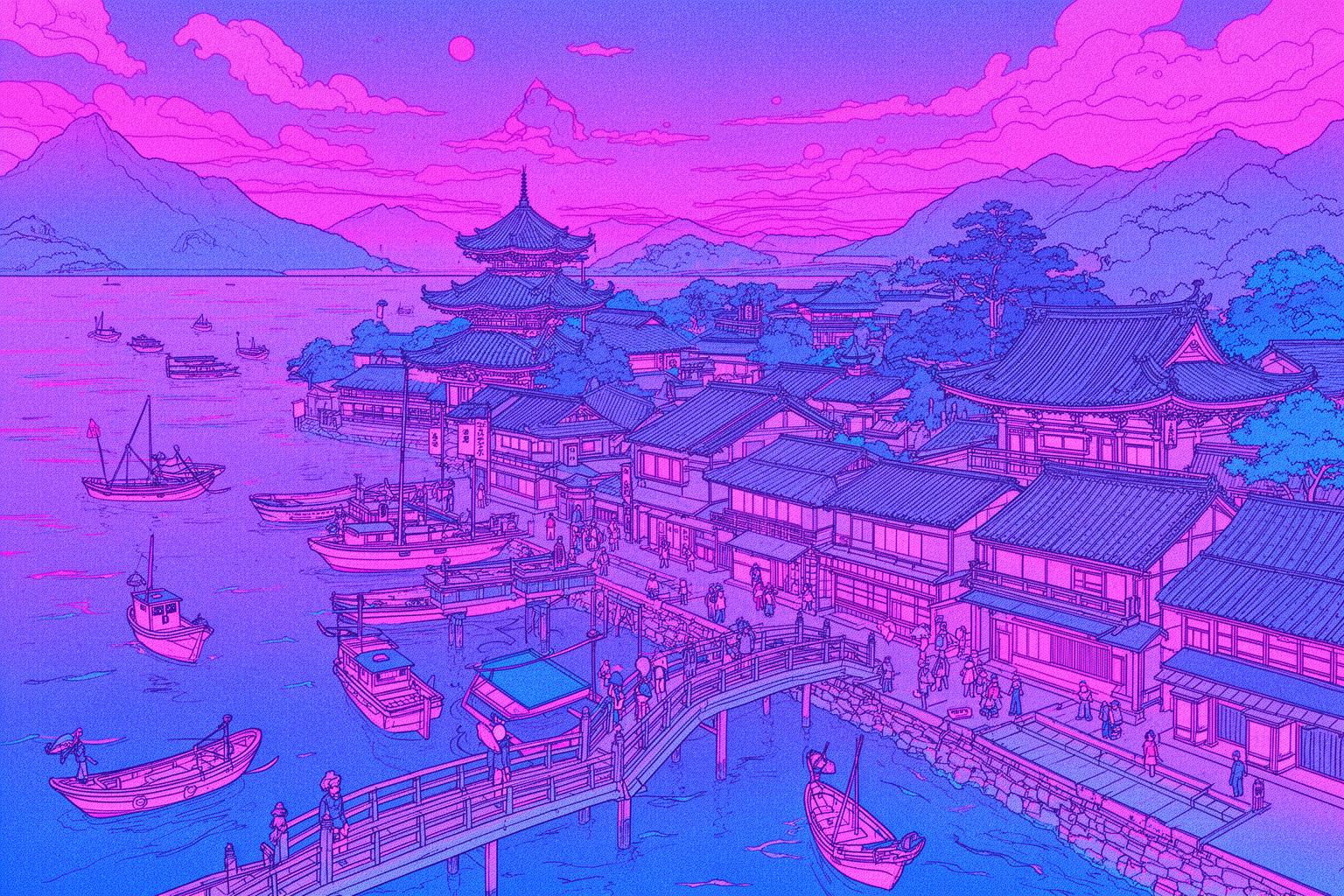
Tomonoura isn’t a destination to check off a list; it’s a place to fully immerse yourself in. The main activity here is simply being present within its breathtaking scenery. But for those seeking a bit of guidance, here are the essential spots that reveal the town’s story.
The Iconic Landmark: Joyato Lighthouse
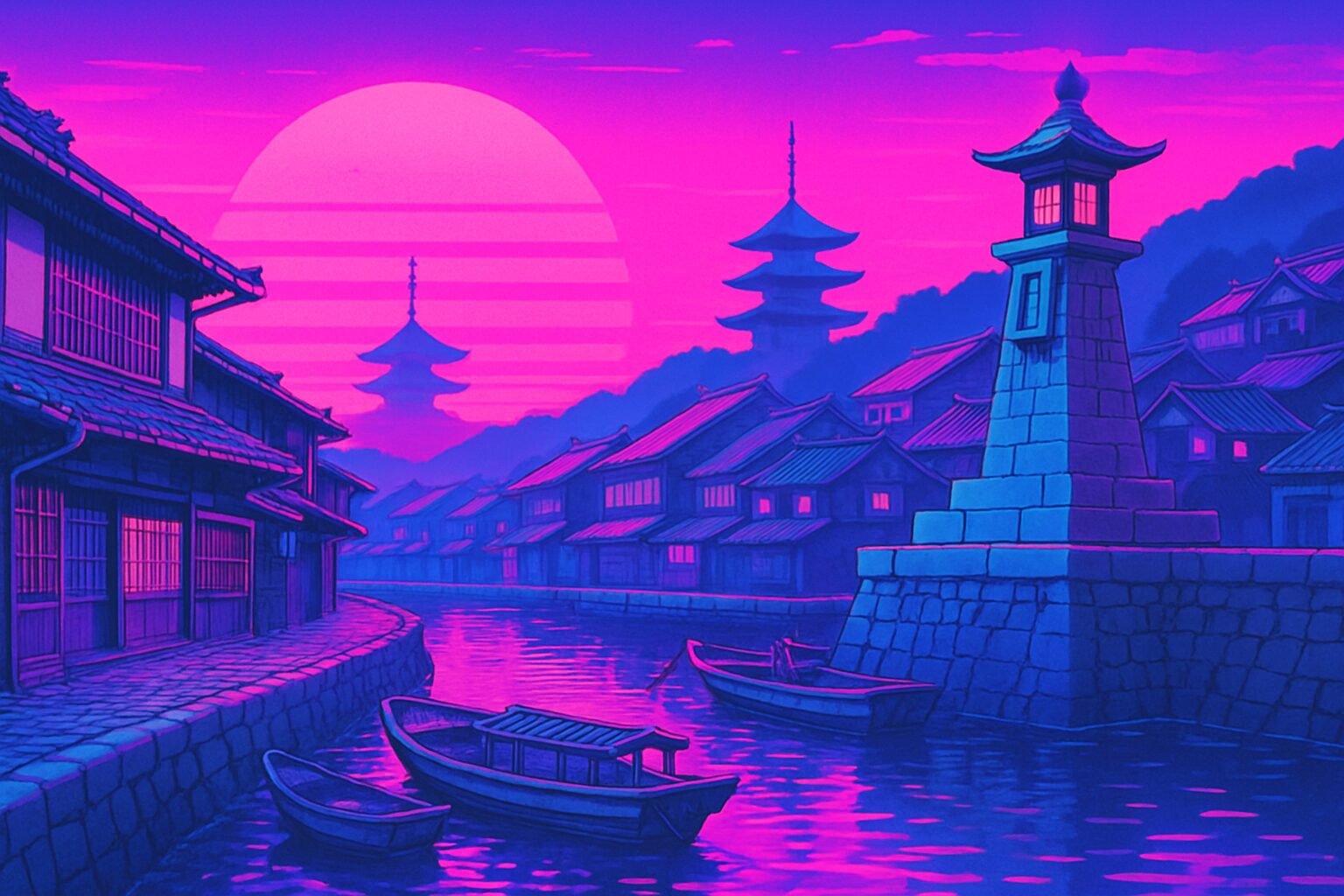
This lighthouse stands at the heart of the harbor and serves as Tomonoura’s symbol. Dating back to the Edo period, the Joyato Lighthouse is the largest of its kind in Japan. It isn’t a towering modern tower but a graceful stone and wood beacon that has safely guided countless ships. Its presence is compelling. Find a spot on the gangi, the stone-stepped embankments along the harbor, and simply watch. In the morning, it stands steadfast against the rising sun. At dusk, as the town’s lanterns glow, it takes on a warm, almost magical aura. This lighthouse has witnessed history—the rise and fall of samurai clans, visits by foreign dignitaries, and the daily lives of fishermen for generations. Standing before it connects you to that deep history. It’s the ideal starting point for your explorations and, let’s be honest, a fantastic photo opportunity.
A View to End All Views: Fukuzen-ji Temple and Taichoro
If you do only one thing in Tomonoura, make it this. A brief, steep walk from the harbor brings you to Fukuzen-ji Temple. Within the temple grounds is the Taichoro, a reception hall built in 1690 to entertain envoys from Korea. Step inside to be greeted by a view that will literally take your breath away. The hall’s wide, open frame perfectly captures the harbor, the Joyato Lighthouse, and the charming islands of Sensui-jima and Benten-jima. It’s a living work of art. A Korean official in the Edo period was so impressed by the scene he called it “the most beautiful view in all of Japan.” He was not mistaken. The way the architecture frames the natural landscape is a prime example of the Japanese concept of shakkei, or borrowed scenery. You can sit here on the tatami mats for as long as you like, sipping tea and soaking it all in. The entrance fee is just 200 yen, which is truly a bargain for such an iconic view. It’s a moment of pure calm—a visual meditation embodying the serene beauty of the Seto Inland Sea.
A Sip of History: The Ota Family Residence and Homeishu
To grasp Tomonoura’s prosperity, you need to visit the Ota Family Residence. This beautifully preserved estate belonged to a wealthy merchant family who prospered from brewing Homeishu, a medicinal herbal liqueur. This potent, sweet drink, made from 16 different herbs and sticky rice, was believed to promote longevity and was extremely popular during the Edo period. The residence is an Important Cultural Property, and touring it offers a glimpse into the merchant class’s luxurious lifestyle. You’ll see the brewing facilities, elegant living quarters, and beautiful gardens. Afterward, you simply must sample Homeishu. Shops throughout town offer tastings. It has a unique, complex flavor—sweet, herbal, and surprisingly smooth. You can enjoy it neat, on the rocks, or in cocktails. Taking a bottle home means bringing a piece of Tomonoura’s history with you. It’s more than a souvenir—it’s a taste of the town’s entrepreneurial spirit.
The Samurai Standoff: Iroha Maru Museum
History enthusiasts, this is for you. Tomonoura was the setting for a crucial moment in Japanese history involving the legendary samurai Sakamoto Ryoma. In 1867, a ship he chartered, the Iroha Maru, collided with a vessel from the powerful Kishu clan and sank off the coast. The resulting negotiations and standoff unfolded right here in Tomonoura. The Iroha Maru Museum, housed in a large, atmospheric old warehouse (kura), delves into this event. Even if you’re not a history buff, the museum is impressive. It’s filled with fascinating artifacts recovered from the sunken ship, dioramas, and a full-scale replica of the ship’s interior. It vividly brings to life this dramatic episode of the Bakumatsu period (the end of the shogunate). This adds a layer of samurai intrigue and political tension to the otherwise tranquil port town.
Island Escapes and Hidden Alleys: Leveling Up Your Exploration
Once you’ve visited the main attractions, the true adventure begins. Tomonoura’s charm lies in its hidden corners and the breathtaking nature just a stone’s throw away.
Hopping Over to Sensui-jima Island
From the Taichoro, you’ll spot Sensui-jima, a lush, uninhabited island floating just offshore. A five-minute ferry ride from Tomonoura pier (aboard the Heisei Iroha Maru, a charming Ryoma-themed ferry) takes you to a different world. The name means “island of the immortal wizards,” and it certainly holds a mystical, untouched atmosphere. Several walking trails weave through the island, guiding you through dense forests and along rugged coastlines. The highlight is Goshiki-iwa, or the “five-colored rocks.” These unique volcanic rocks—in shades of blue, red, yellow, white, and black—are found only here and are regarded as a major pawā supotto (power spot), a place of spiritual energy. Whether or not you believe in that, the scenery is breathtaking. Spending a few hours hiking here, accompanied only by the sounds of wind and waves, provides the ultimate reset. There’s also a hotel with an onsen on the island, perfect for a fully immersive nature retreat.
The Art of Getting Lost
Honestly, the best way to enjoy Tomonoura is to put your map away and simply wander. The town is a maze of narrow, winding alleys, each filled with potential discoveries. You’ll come across tiny temples nestled between houses, ancient stone wells still in use, and incredibly charming residential streets where every home boasts meticulously cared-for bonsai and flowers. The locals are wonderfully friendly. An “ohayo gozaimasu” (good morning) or “konnichiwa” (hello) is almost always met with a warm smile. This is where you’ll experience the true life of the town. Watch fishermen head out early in the morning, smell lunch being cooked in family kitchens, and listen for the distant chimes of a temple bell. These spontaneous moments, these small glimpses of daily life, are what make a trip to Tomonoura so special and memorable. Don’t rush; let your curiosity guide you. You might find a cozy hidden café, an old-fashioned candy shop, or simply the perfect sunlit spot to sit and watch the world drift by at the pace of the tides.
Fueling Your Adventure: What to Eat in Tomonoura
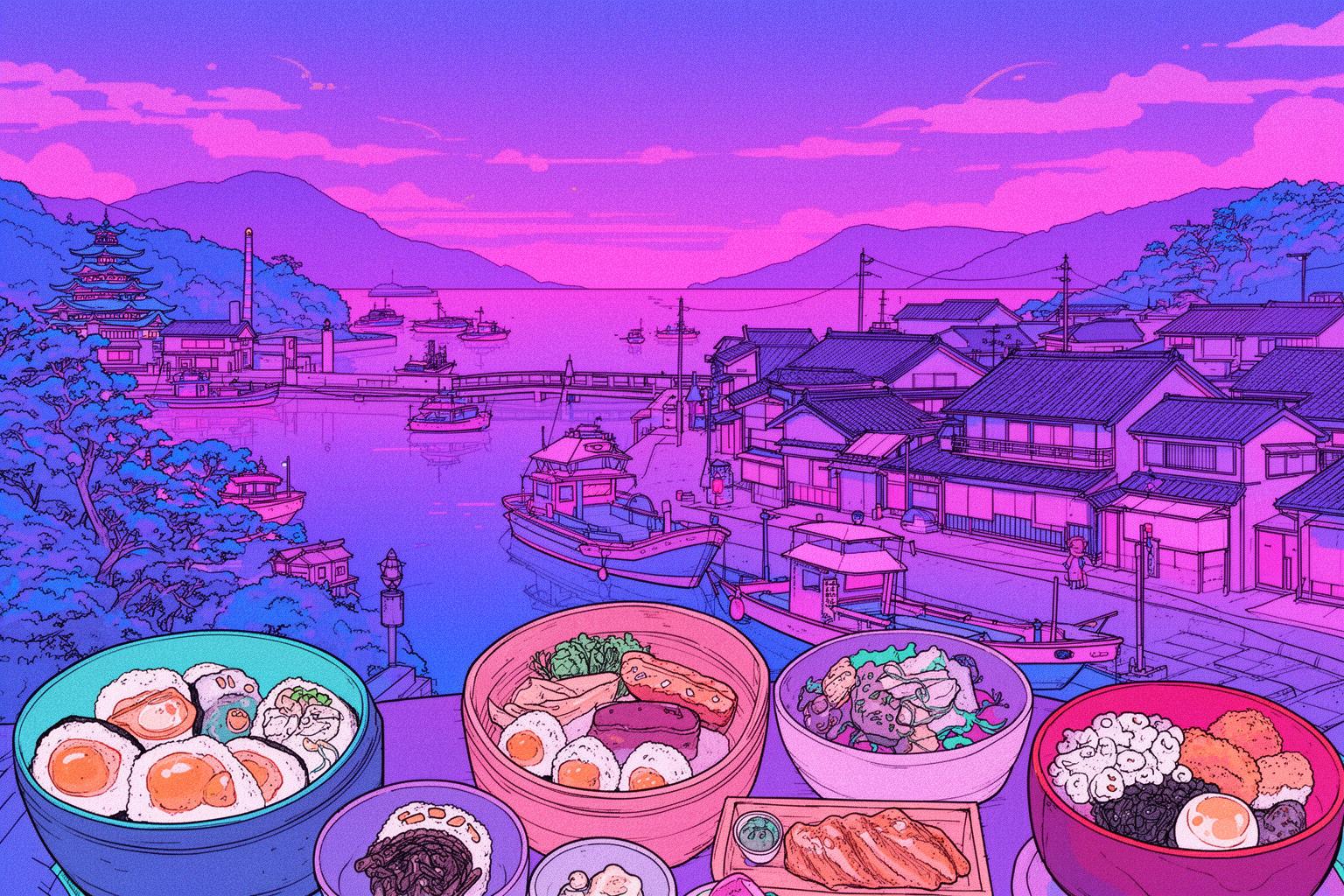
A visit to a port town isn’t complete without savoring its culinary offerings, which, unsurprisingly, revolve around the sea. The star of Tomonoura’s cuisine is tai (sea bream), a fish so cherished that there’s even a festival in its honor.
The Sea Bream Supremacy
Every May, Tomonoura bursts with life for the Tai-ami, a traditional sea bream fishing event held for over 380 years. Multiple boats of fishermen work in unison to herd the fish into a massive net, showcasing remarkable skill and teamwork. You can witness this thrilling spectacle from sightseeing boats, making it an unforgettable experience. Even if you visit outside of May, you can enjoy the bounty year-round. The must-try dish is tai-meshi, a simple yet deeply flavorful sea bream and rice dish cooked in dashi broth. Many local restaurants and ryokans boast their own secret versions. It’s the ultimate comfort food, capturing the essence of the Seto Inland Sea in every bite. Sea bream is also served as sashimi, grilled with salt (shioyaki), or featured in a rich ramen broth.
Café Culture in Historic Buildings
Beyond the traditional seafood, Tomonoura boasts a thriving scene of stylish cafés, often located in beautifully restored historic buildings. These are perfect spots to rest from walking and soak in the ambiance. Picture yourself enjoying a perfectly brewed drip coffee or a slice of homemade cake inside a century-old merchant house, with its dark wooden beams and views of a quaint inner garden. It’s a blend of old-world charm and modern comfort that feels effortlessly right. These cafés often serve as community hubs, spaces where the town’s quiet creative energy bubbles just beneath the surface, offering a fresh perspective to appreciate Tomonoura’s enduring aesthetic.
The Practical Playbook: Getting Here and Around
Tomonoura feels like a world apart, yet it’s surprisingly easy to reach, making it an ideal detour or a destination in itself.
Access Mission
The main entry point to Tomonoura is Fukuyama City. If you’re traveling from Tokyo, Osaka, or Hiroshima, the best option is the Tokaido-Sanyo Shinkansen (bullet train) to JR Fukuyama Station. As a major stop, numerous trains will get you there. From the south exit of Fukuyama Station, head to bus stop number 5, where you’ll board the Tomotetsu Bus headed for Tomo Port (鞆港, Tomo-kō). The journey takes about 30 minutes and offers a unique experience. You’ll leave the modern city behind, watching the scenery transition to coastal views and traditional homes. The one-way fare is 530 yen. Get off at the last stop, Tomo-kō, and you’ve arrived—welcome to the chill zone.
Navigating the Maze
Once you’re there, walking is the best way to get around. Tomonoura’s historic center is a compact, pedestrian-friendly area. Many of the most atmospheric alleys are actually too narrow for cars, which is fortunate. Walking lets you savor the subtle details—the intricate lattice windows, the texture of charred wooden walls (yakisugi), and the sound of your footsteps on stone pavements. For longer trips or if you have mobility concerns, bicycles are available for rent and provide a nice way to explore the wider coastline. But for the town’s heart, walking is the only way to truly experience its intimate scale and leisurely pace.
When to Go & Where to Stay
Tomonoura is beautiful any time of year, but spring and autumn offer the most comfortable weather for strolling. Spring (March-May) features cherry blossoms and the lively Tai-ami festival. Autumn (September-November) brings crisp clear air, mild temperatures, and stunning fall colors in the nearby hills. Summer can be hot and humid, but it’s also when vibrant local festivals and long, lazy seaside evenings occur. Winter is quiet and serene, ideal for those seeking solitude and a cozy ryokan stay.
Staying overnight is highly recommended. While Tomonoura can be visited as a day trip from Hiroshima or Okayama, its true charm emerges after sunset, when day-trippers have left. The town turns peaceful, lanterns glow warmly on empty streets, and the only sound is the gentle tide. Accommodation options range from historic, upscale ryokans with breathtaking sea views and kaiseki dinners to more budget-friendly and welcoming minshuku (family-run inns) and guesthouses. Waking up in Tomonoura and opening your window to the sights and sounds of the harbor coming alive is an unforgettable experience.
Final Take: The Unforgettable Echo of Tomonoura
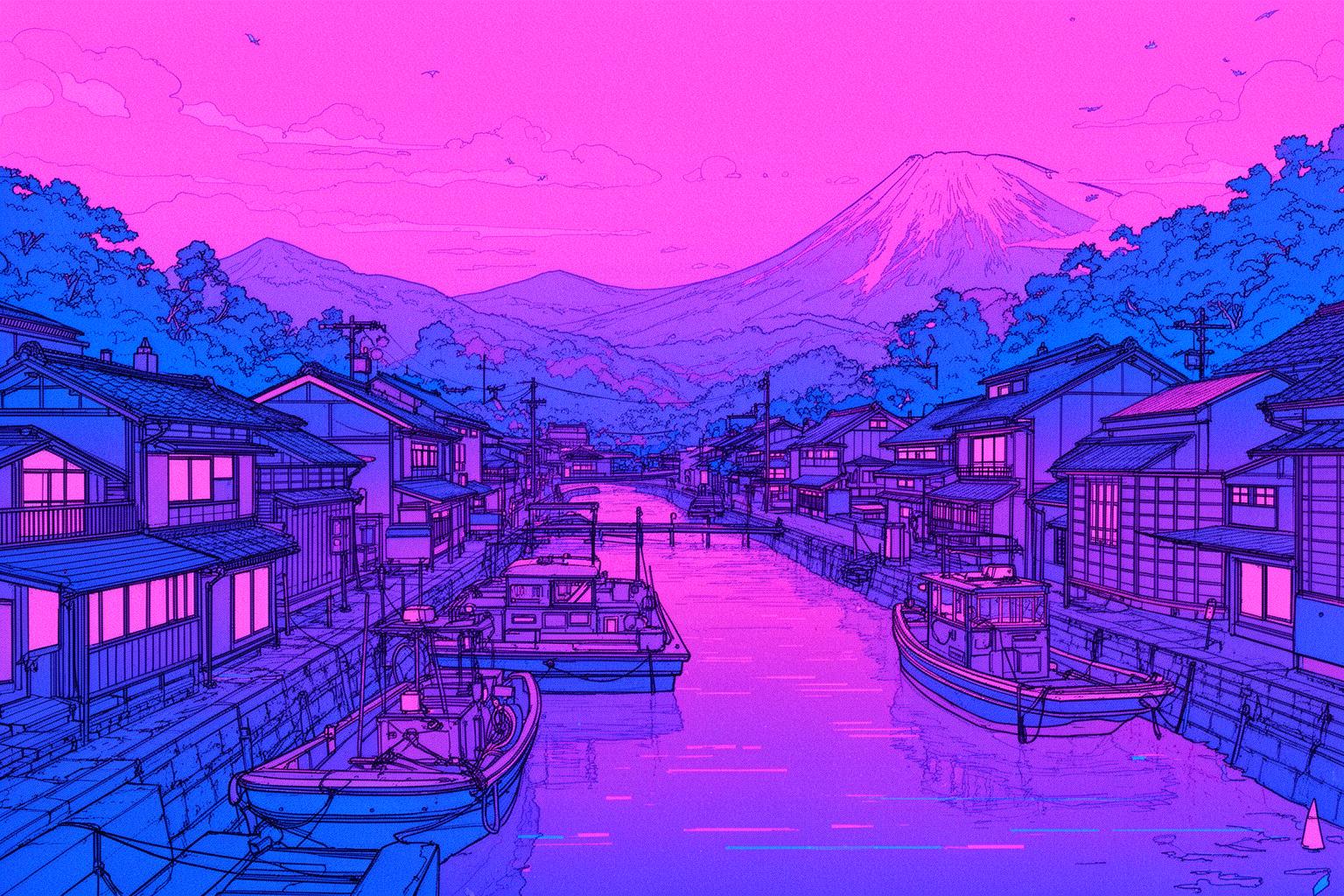
In a country often perceived as rapidly advancing towards the future, Tomonoura stands as a stunning, steadfast tribute to the power of the past. It’s a place that encourages you to slow down, observe more closely, and listen to the stories carried in its salty air and ancient timber. It’s more than just a Ghibli backdrop or a historical site; it’s an experience. It’s the sensation of time folding, of connecting to a long tradition of seafarers and craftsmen who lived in harmony with the ocean’s rhythm. For travelers seeking more than mere sightseeing, who want to feel a place deeply, Tomonoura is an essential destination. It sharpens your senses and leaves a lasting impression on your soul. So, next time you plan a trip to Japan, consider looking beyond the usual attractions. Journey to this quaint port on the Seto Inland Sea. Come wait for the tide. I assure you, the view is well worth it. It’s an entire vibe, and it’s waiting for you.