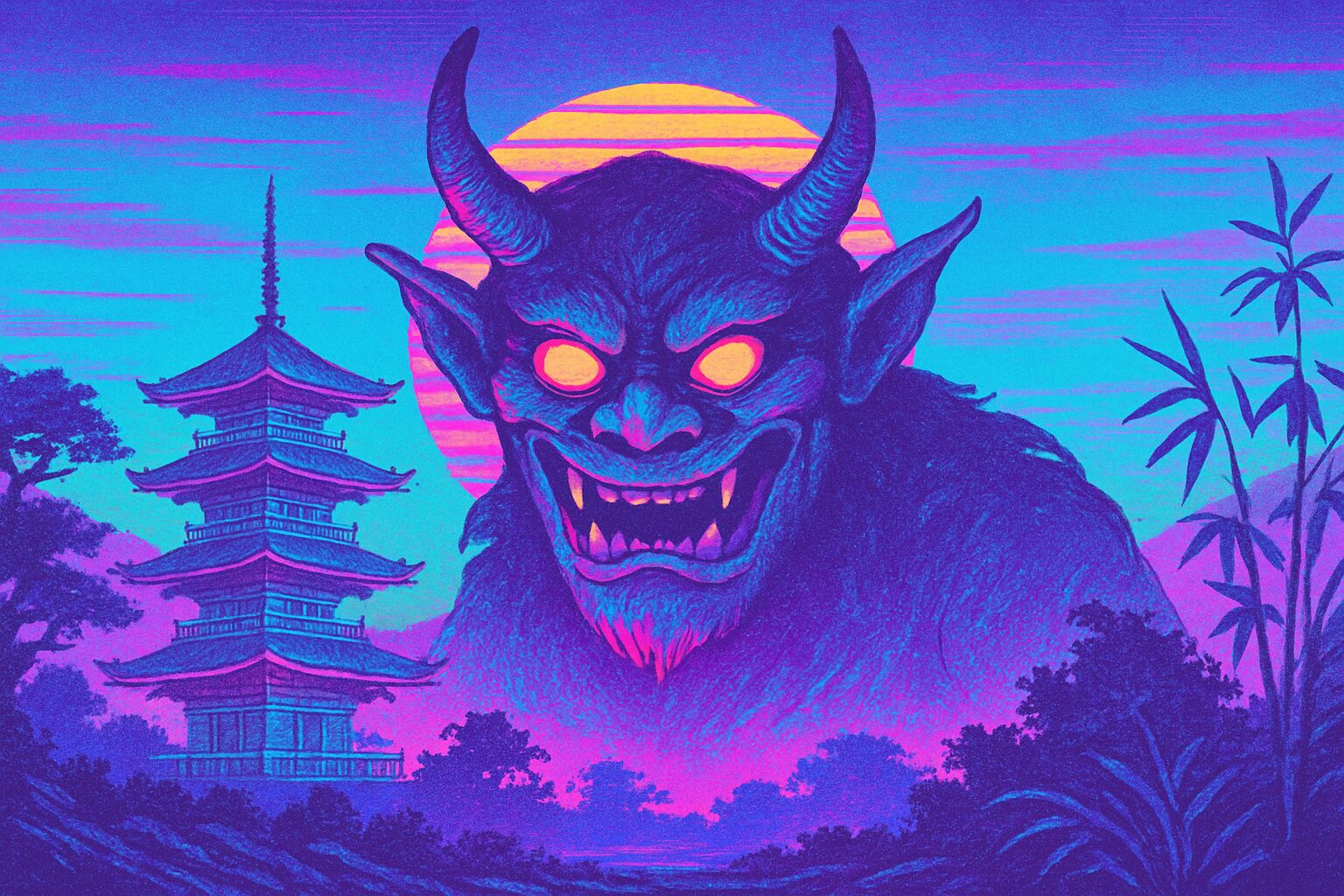
Hey everyone, Sofia here! Ever find yourself scrolling through your feed, past the neon lights of Tokyo and the serene temples of Kyoto, and just craving something… different? Something that feels less like a vacation and more like stepping into a whole other world? Bet. Well, let me spill the tea on a place that’s been living in my head rent-free ever since I visited: Tono. Tucked away in the misty mountains of Iwate Prefecture in northern Japan, Tono is legit Japan’s capital of folklore. This isn’t just a cute countryside town; it’s the literal setting of the Tono Monogatari, a famous collection of myths, legends, and seriously spooky tales about yokai—Japan’s wild and whimsical spirits and monsters. This is where the lines between reality and fairytale get all blurry and beautiful. Imagine endless rolling hills that look like they were painted by Studio Ghibli, ancient farmhouses with thatched roofs, and the feeling that a mischievous kappa might be watching you from the riverbank. It’s a place that asks you to slow down, to listen to the whispers of the wind, and to believe, just for a little while, in magic. For anyone looking to get off the beaten path and find a piece of Japan that’s soulful, mysterious, and drop-dead gorgeous, Tono is the ultimate glow-up for your travel itinerary. It’s a vibe, and you’re about to get the full download.
The Vibe Check: What Tono Actually Feels Like

Before we get into the must-do list, let’s talk about the vibe. Because in Tono, the atmosphere is everything. Stepping off the quaint, one-car train onto the platform at Tono Station, the first thing you notice is the air. It’s different—crisp, clean, carrying the scent of damp earth, pine, and something ancient. The bustling, vibrant energy of Japan’s big cities fades instantly, replaced by a deep sense of calm. The town itself is small and modest, but it’s the surrounding landscape that holds the true power. Tono lies in a basin, embraced by the majestic Kitakami Mountains, which often wear a misty crown in the early morning, resembling slumbering green dragons. This setting isn’t just picturesque; it’s what isolated Tono for centuries, allowing its unique culture and folklore to develop undisturbed, like a potent magic potion. It feels like a secret garden, a world shielded from the rush of modern life.
Driving or cycling through the countryside is a rich sensory experience. In summer, the rice paddies are a vivid, electric green, stretching endlessly, dotted with the dark wood of traditional farmhouses. The chorus of cicadas provides a constant, pulsating soundtrack, so loud it feels like the sound of heat itself. In autumn, the entire valley ignites with fiery reds, oranges, and golds. The air turns crisp and sharp, carrying the smoky scent of burning rice husks. Winter covers everything with a thick, sound-dampening layer of snow, transforming the landscape into a minimalist ink wash painting. The silence is profound, broken only by the crunch of your boots. Spring brings a gentle burst of cherry blossoms, not in manicured parks but scattered naturally along riverbanks and mountain slopes. The feeling here is timeless. You’ll see an elderly farmer tending fields with methods passed down through generations, right beside a modern convenience store. This blend of old and new isn’t jarring; it feels natural. The people of Tono are incredibly warm and welcoming, with quiet strength and a deep bond to their land. They are the keepers of these stories, and their pride is palpable. Tono doesn’t shout for your attention. It’s a laid-back, chill destination that rewards patience and curiosity. It invites you to wander without plans, to get a little lost, and simply be. It’s a digital detox, a soul cleanse, and a reminder that the world holds quiet magic if you just take a moment to look for it.
Your Yokai Hunting Starter Pack: The ‘Tono Monogatari’
You can’t truly visit Tono without first becoming familiar with the source material behind its legends: the Tono Monogatari, or The Legends of Tono. Think of it as Japan’s equivalent to the original, unvarnished Grimm’s Fairy Tales—only even more deeply connected to a specific locality. Published in 1910, this book is what put Tono on the cultural map. It was compiled by Kunio Yanagita, a folklorist who wasn’t originally from Tono. Yanagita was a government official who met Kizen Sasaki, a native of Tono and a gifted storyteller with a passionate spirit. Yanagita became enthralled by the vast and rich collection of tales Sasaki shared—stories of spirits, gods, mischievous beings, and strange phenomena, told not as fiction but as authentic local history. He carefully recorded these stories, preserving a priceless oral tradition just as Japan was entering a period of rapid modernization.
The book contains 119 short, straightforward accounts. These aren’t elaborate fantasies; they are presented as true “happenings.” This is what gives them such power. They recount mountain spirits who whisk people away, homes blessed or cursed by household gods, and encounters with strange creatures in the forests and rivers. Reading it provides a roadmap for exploring Tono—suddenly, that ordinary mountain is named and storied, that stream becomes the known haunt of a specific being. It turns the landscape into a living storybook. Among the most famous figures in these tales are the yokai, and Tono is their core territory.
Let’s meet the standouts. First and foremost is the most iconic: the Kappa. These amphibious, goblin-like creatures dwell in rivers and ponds. They are typically depicted as child-sized, with green or blue skin, a turtle-like shell on their backs, and a distinctive dish or bowl on their heads holding water. This water is their source of power; if it spills, they become powerless. Kappa embody a mix of mischief and menace. They love cucumbers, sumo wrestling, and pranks, but also have a darker side, known for drowning livestock and even people. In Tono, they are an unmistakable part of the local identity.
Next are the Zashiki-warashi, far more welcome visitors. These childlike spirits have rosy cheeks and traditional hairstyles, inhabiting old, well-kept houses. You might only catch a glimpse of them or hear their faint footsteps or laughter. Although their presence can be a little eerie, seeing one is considered a sign of great good fortune. The household they inhabit will prosper. However, if the Zashiki-warashi leaves, the family’s luck is said to decline swiftly. They represent the soul of the home—a spirit of fortune to be respected.
And then there’s the story of Oshirasama, one of the most poignant from the Monogatari. It tells of a beautiful girl who fell in love with her family’s horse. Her father, horrified by this unnatural love, killed the horse and hung it from a mulberry tree. In her grief, the girl flew to the heavens with the horse’s spirit, and together they became the god of sericulture, or silk farming. This tragic yet powerful tale explains the origin of a local deity, symbolized by silk-wrapped mulberry wood sticks with faces painted on them, which are still enshrined in many old Tono homes. These stories were more than just entertainment; they helped people explain the unexplainable, teach respect for nature, and weave a shared cultural tapestry that united the community. Understanding the Tono Monogatari is your gateway to the true spirit of this remarkable place.
Must-See Spots for Your Tono Itinerary
Now that you’re familiar with the lore, it’s time to start exploring! Tono’s main attractions are beautifully scattered across its picturesque landscape, making the journey between them part of the adventure. Get ready to fill your camera roll, because this place is incredibly photogenic.
Kappabuchi Pool: Where the Kappa Play
If you do one thing in Tono, it has to be searching for kappa. Their most famous hangout is Kappabuchi, a small, unassuming pool along a gentle stream behind Jokenji Temple. The journey there adds to the magic—you walk through the temple grounds, past the main hall where statues of guardian deities watch over you, then follow a narrow path into the woods. The air turns cooler and quieter instantly. The pool is shaded by overhanging trees, whose branches cast dappled light dancing on the water’s surface. The water is clear and slow-moving, with banks lush with moss and ferns. It’s incredibly peaceful, yet there’s an undeniable air of mystery. You can easily imagine a kappa popping its head up here.
On the bank sits a small, charming red shrine dedicated to the kappa, where visitors leave offerings—typically cucumbers, their favorite treat. A local elder, a self-proclaimed “kappa catcher,” sometimes hangs out here, ready to share stories. For a bit of fun, you can even get a certified kappa-catching license and try your luck with a fishing rod tied to a cucumber. This playful tradition perfectly embodies Tono’s spirit. Don’t forget to explore Jokenji Temple itself, where the main hall features intricate wooden carvings and numerous kappa statues—some cute, some fierce. The temple serves as the guardian of the pool, a link between the human world and the realm of spirits.
Denshoen Park & The Tono Monogatari Museum: Level Up Your Folklore Game
These two neighboring attractions offer a deep dive into Tono’s culture. Begin with Denshoen Park, which is more than just a park—it’s an open-air museum preserving and displaying Tono’s traditional way of life. The highlight is a magnificent Nambu Magariya farmhouse, the former home of the Kikuchi family, relocated and reconstructed here. A magariya is a distinctive L-shaped house, with one wing for the family and the other a stable for their prized horses. Sharing a roof revealed how vital horses were to life in this region. Stepping inside feels like stepping back in time. The air carries the smell of woodsmoke from the sunken hearth (irori), which remains lit year-round. You can explore the family’s living quarters, the simple tools they used, and the massive wooden beams blackened by centuries of smoke.
In a back room, you’ll find the Oshirado, a hall dedicated to Oshirasama. It displays a thousand silk-wrapped mulberry sticks, symbolizing the tragic girl and her horse. Visitors can take pieces of cloth, write wishes, and add them to the figures. The room bursts with color and carries a powerful, almost overwhelming spiritual energy. After exploring Denshoen, visit the adjacent Tono Monogatari Museum (Tono Monogatari no Yakata). Here, legends come alive in an engaging, modern manner. Forget dusty exhibits; this museum uses sound, light, and interactive displays to immerse you in the world of yokai. You can listen to stories told in the local dialect, view artistic depictions of the creatures, and learn more about Kunio Yanagita and Kizen Sasaki. It offers excellent context and makes the stories feel vivid and alive.
Tono Furusato Village: Living That Ghibli Fantasy
If Denshoen offers a snapshot of the past, Tono Furusato Village is the full feature film. This place is an absolute dream: a vast, beautifully recreated historical village set in a stunning natural valley. Several traditional magariya farmhouses from different periods have been relocated and rebuilt here, creating a fully immersive experience. It’s where you can truly live out your My Neighbor Totoro fantasy. You could spend hours wandering stone paths, passing babbling streams and a working waterwheel, and exploring the interiors of these incredible buildings. Each house is arranged as if the family just stepped out for a moment, with tools, looms, and kitchen implements left on display. Unlike a typical museum, you’re encouraged to touch things and immerse yourself in the space.
The setting is simply breathtaking. Nestled against a forested mountain, the village integrates rice paddies and vegetable gardens into its layout. Depending on the season, you might see staff dressed in traditional clothing working in the fields, adding to the authenticity. It’s an insanely photogenic spot—every angle offers the perfect shot of rustic charm against a backdrop of epic nature. The village is also spacious, so it never feels crowded. You can often find an entire farmhouse to yourself, sitting on the tatami and listening to the sounds of the countryside. The village hosts workshops and seasonal events, like mochi pounding and traditional crafts, making it a lively and engaging place to visit.
The Five Hundred Arhats (Gohyaku Rakan): A Hidden Gem
For a more contemplative, off-the-beaten-path experience, visit Gohyaku Rakan. This isn’t a grand temple or bustling park but a quiet, sacred spot hidden in the woods. Its story is deeply moving. During an 18th-century famine, a priest from a nearby temple was so heartbroken by the suffering and loss of life that he created a memorial. Over several years, he single-handedly carved 500 unique faces—representing the disciples of Buddha, or rakan—into moss-covered rocks and boulders scattered across a small forest patch. Discovering them is a meditative experience.
You walk a short path into the woods, and at first, the faces aren’t visible. But as your eyes adjust, the expressions begin to emerge from the moss. Some are smiling, some serene, others sad. Each one is distinct. The forest is hushed, with only leaves rustling and birdsong. Sunlight filters through the canopy, illuminating the green moss and gray stone. It’s a profoundly powerful and spiritual place that speaks to grief and resilience alike. It reminds you of this land’s deep history and the compassion of its people. It’s not a flashy tourist spot, but it’s one of those places in Tono that lingers in your memory long after you’ve gone.
How to Do Tono Right: The Practical Deets
Alright, let’s dive into the logistics. Tono is remote, but that’s a big part of its appeal. Getting there and getting around just requires a bit of planning, and trust me, it’s 100% worth the effort.
Getting There & Getting Around
Your journey to the land of legends will most likely begin on a Shinkansen (bullet train). From Tokyo, you’ll take the Tohoku Shinkansen to Shin-Hanamaki Station. This part of the trip is fast, smooth, and very comfortable. At Shin-Hanamaki, you’ll transfer to the local JR Kamaishi Line for the final leg to Tono. This is where the real adventure starts. The Kamaishi Line is a scenic, rural railway threading through mountains and alongside rivers. It’s a slow, beautiful ride that perfectly shifts you from the modern world to the mythical one. Grab a window seat and take in the views.
Once in Tono, you’ll need a plan to explore since the main attractions are quite spread out. The best way to enjoy complete freedom is by renting a car. Rental agencies can be found near major train stations like Shin-Hanamaki or Kitakami. This allows you to visit more remote spots such as Tono Furusato Village and Gohyaku Rakan at your own pace. If driving in Japan feels intimidating, your next best option is a bicycle. There’s a great rental shop near Tono Station offering regular bikes or, for a pro move, an e-bike (or mamachari). An e-bike is a game-changer, especially with Tono’s rolling hills. Cycling through rice paddies with mountains in the distance is an unforgettable experience. For central spots like Kappabuchi and the museum, a bike works perfectly. There are also local buses, but they can be infrequent, so be sure to check the timetable carefully. Taxis are available but can get expensive over longer distances.
When to Go: Tono’s Seasonal Highlights
Honestly, Tono is stunning all year round, but each season brings a unique vibe.
Autumn (late September to early November) is undoubtedly peak season. The landscape bursts into the most incredible colors you’ve ever seen. The air is crisp and clear, perfect for hiking and cycling. It’s also harvest season, with local festivals celebrating the bounty of the land. The mix of fiery foliage and deep blue skies is an artist’s dream.
Spring (late April to May) comes close second. This is when cherry blossoms bloom, covering the countryside in soft pink and white hues. It’s a season of renewal, with the mountains turning a fresh, vibrant green. The mild, pleasant weather is ideal for outdoor activities.
Summer (July to August) is lush, green, and lively. The rice paddies are at their peak vibrancy, and cicadas fill the air. It’s a time of lively festivals and vivid landscapes. Be ready for heat and humidity, and definitely bring some bug spray.
Winter (December to February) turns Tono into a peaceful, snow-covered wonderland. If you’re seeking quiet and solitude, this is the season for you. The landscape becomes a beautiful monochrome, and seeing the old thatched-roof farmhouses blanketed in snow is magical. It’s cold, and some attractions may have reduced hours, but the serene beauty is unmatched.
Where to Stay & What to Eat
For accommodation, Tono offers a good range of options. Around Tono Station, you’ll find several straightforward business hotels that are convenient and comfortable. For the full Tono experience, consider staying in a ryokan (traditional inn) or a minshuku (family-run guesthouse). Here, you can enjoy genuine Japanese hospitality, sleep on comfy futons laid out on tatami mats, and savor incredible homemade meals.
Speaking of meals, the food in Tono is outstanding! It’s hearty, rustic, and delicious. You must try Jingisukan, a dish of grilled mutton and vegetables cooked on a dome-shaped skillet. Named after Genghis Khan, it’s a beloved local specialty. Another must-try is Hittsumi-jiru, a comforting soup filled with hand-pulled dough flakes and seasonal vegetables. It’s like a warm hug in a bowl, especially on chilly days. Tono is also famous for Doburoku, a rustic, unfiltered, often homemade style of sake that is cloudy, slightly sweet, and a bit fizzy. If you visit in winter, you might catch a Doburoku Festival. And of course, you can enjoy amazing soba noodles made from locally grown buckwheat. The food here reflects the land itself: simple, honest, and deeply satisfying.
Beyond the Guidebook: Sofia’s Pro Tips
Here are a few additional tips from my personal experience to make your Tono trip even better.
First, seriously consider renting an e-bike. I mentioned it before, but it truly changes the game. It makes the hills feel effortless and lets you cover a lot of ground without tiring out. You can simply cruise and enjoy the views.
Second, try to learn a few basic Japanese phrases. “Konnichiwa” (hello), “arigato gozaimasu” (thank you), and “sumimasen” (excuse me) go a long way. The people of Tono are very friendly, and even a small effort to speak their language is genuinely appreciated. Don’t hesitate to pop into a small shop or restaurant; you’ll be welcomed with warm smiles.
Third, notice the little details. Tono’s charm isn’t only in the major sights. It’s in the small stone kappa statues hidden in gardens and along the roadside. It’s in the tiny, beautifully maintained family shrines (hokora) you’ll find at the edge of rice fields. It’s in the intricate carvings on an old farmhouse. Slow down and let your eyes explore.
Fourth, pack layers. Mountain weather changes quickly. Even on warm days, evenings or shaded forest areas can be chilly. A light jacket and scarf are always smart to bring.
Finally, embrace the chance to disconnect. Cell service can be spotty in rural areas. Rather than seeing this as a drawback, think of it as a gift. Put your phone away, look up, and be fully present in this amazing landscape. Let the stories and scenery be your only notifications.
Tono’s Legacy: More Than Just Monsters
You might wonder why this small mountain town has become such a legendary keeper of folklore. Much of it lies in its historical isolation. Surrounded by mountains, Tono existed as a world unto itself for centuries, where old beliefs, oral traditions, and a deep connection to nature flourished without outside influence. The stories of yokai were more than just frightening bedtime tales; they formed a fundamental way for people to understand their world. The kappa served to teach children about the dangers of the river. The mountain spirits offered explanations for the unpredictable and often harsh realities of nature. These legends express a profound respect—and even fear—of the natural world that sustained them, yet could also take everything away.
What makes Tono unique today is that this heritage is not merely seen as a relic of the past. It remains a living, vital part of the town’s identity. The stories are woven into everyday life. The people of Tono have embraced their role as guardians of Japanese folklore, recognizing these tales as an invaluable cultural treasure. Visiting Tono is more than sightseeing; it’s an opportunity to witness the enduring power of storytelling. It serves as a reminder that in our hyper-rational, scientific age, there is still room for mystery, wonder, and the belief that there is more to the world than meets the eye.
A Final Word from the Land of Legends
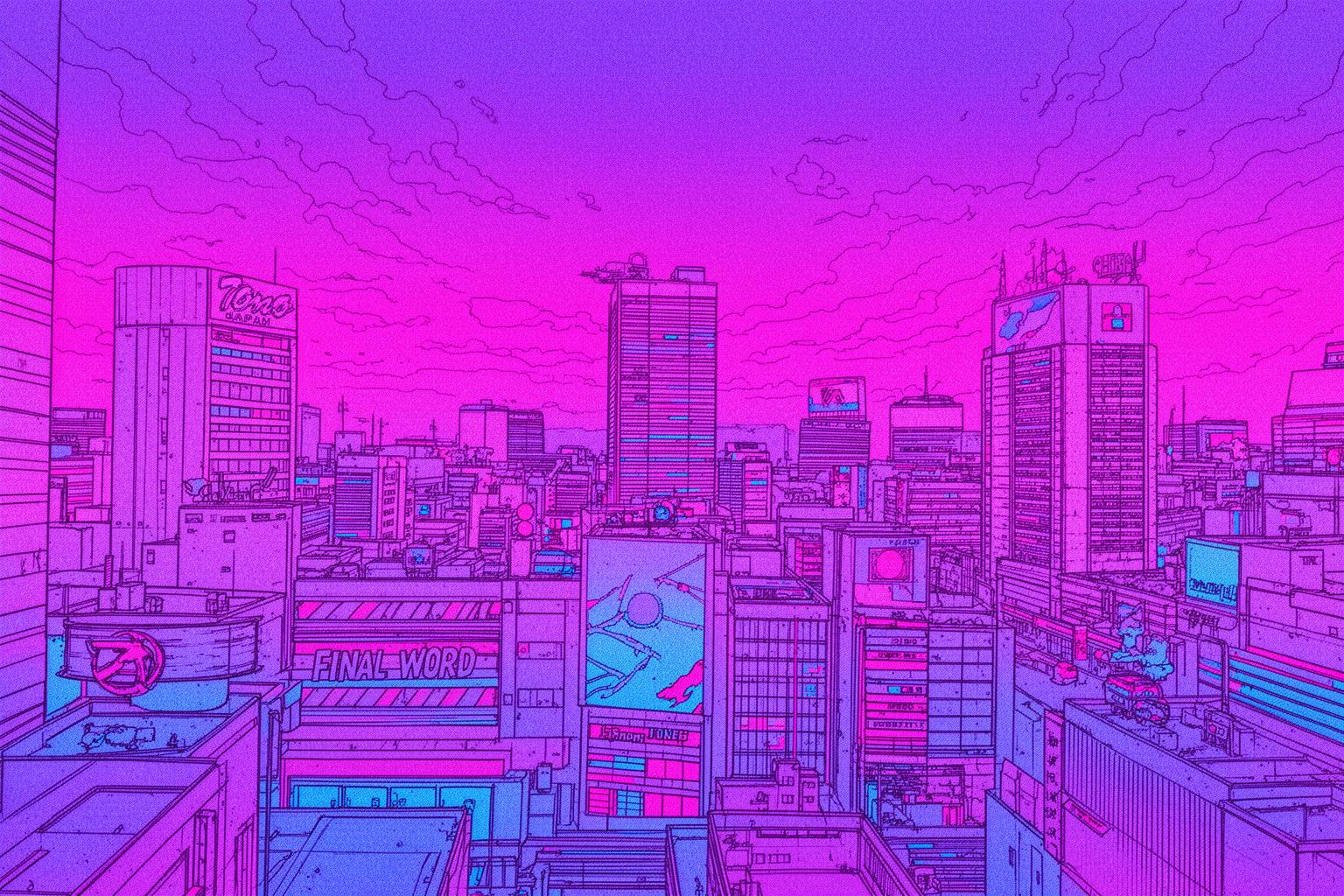
Leaving Tono feels like awakening from a beautiful dream. You board the train, and as the mountains and thatched roofs fade into the distance, you wonder if it was all real. Did you really stand by a stream waiting for a kappa? Did you truly sense the presence of a thousand spirits in a darkened room? Tono has that effect on you. It seeps under your skin and settles in your heart. It’s a journey that’s as much about exploring an inner world of imagination as it is about discovering an outer world of mountains and valleys. It’s a place that shows the most profound travel experiences often lie in the quietest corners of the world. So, if you’re seeking an adventure that’s genuinely different, one that will nourish your soul and ignite your imagination, put Tono at the very top of your list. Tono isn’t just a place you visit; it’s a story you become part of. Go on, find your own legend. The yokai are waiting.