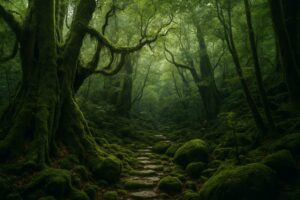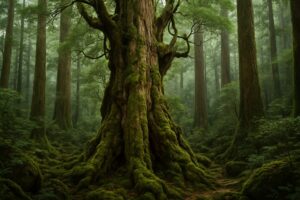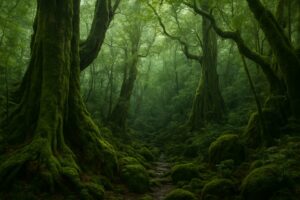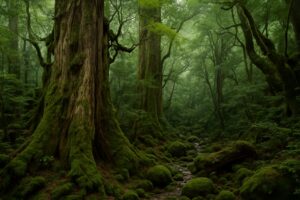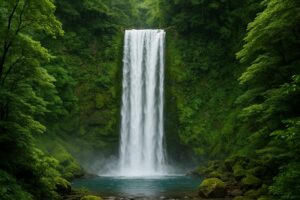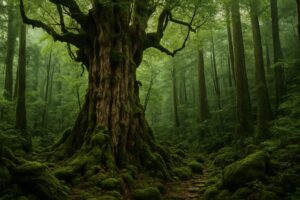
Yo, let’s get real for a second. You’ve seen Princess Mononoke. You’ve seen those little white dudes with the rattling heads, the Kodama, and thought, “That’s a mood.” Well, what if I told you the forest that birthed that entire vibe is a real place? A place so dripping with ancient energy, so profoundly, intensely green, that it feels like you’ve stepped off the grid and into a whole other timeline. That place is Yakushima, a subtropical island floating off the southern coast of Kyushu, Japan. It’s not just a backdrop; it’s the main character. This isn’t your average weekend hike. This is a pilgrimage to the heart of what makes Japan’s relationship with nature so complex, so spiritual, and low-key magical. We’re talking about a UNESCO World Heritage site that’s home to some of the oldest living trees on the planet—ancient cedar behemoths called Yaku-sugi that were saplings when the Pyramids were being built. The air here is thick with moisture and myths, a place where it’s said to rain “35 days a month.” And somewhere, deep within the moss-drenched, mist-shrouded canyons, the Kodama are waiting. Finding them isn’t about snapping a pic for the ‘gram. It’s about a vibe check. It’s about learning to see, listen, and feel the forest’s pulse. This guide is your deep dive, your all-access pass to understanding and connecting with the spirit of Yakushima. We’re going to spill all the tea on where to go, what to look for, and how to respectfully enter this sacred space. So, lace up your best waterproof boots, because we’re about to go hunting for spirits in a forest that’s, no cap, a living god.
To truly level up your soul in this ancient realm, consider this your guide to Yakushima’s sacred forests.
The Vibe Check: Decoding Yakushima’s Primal Energy
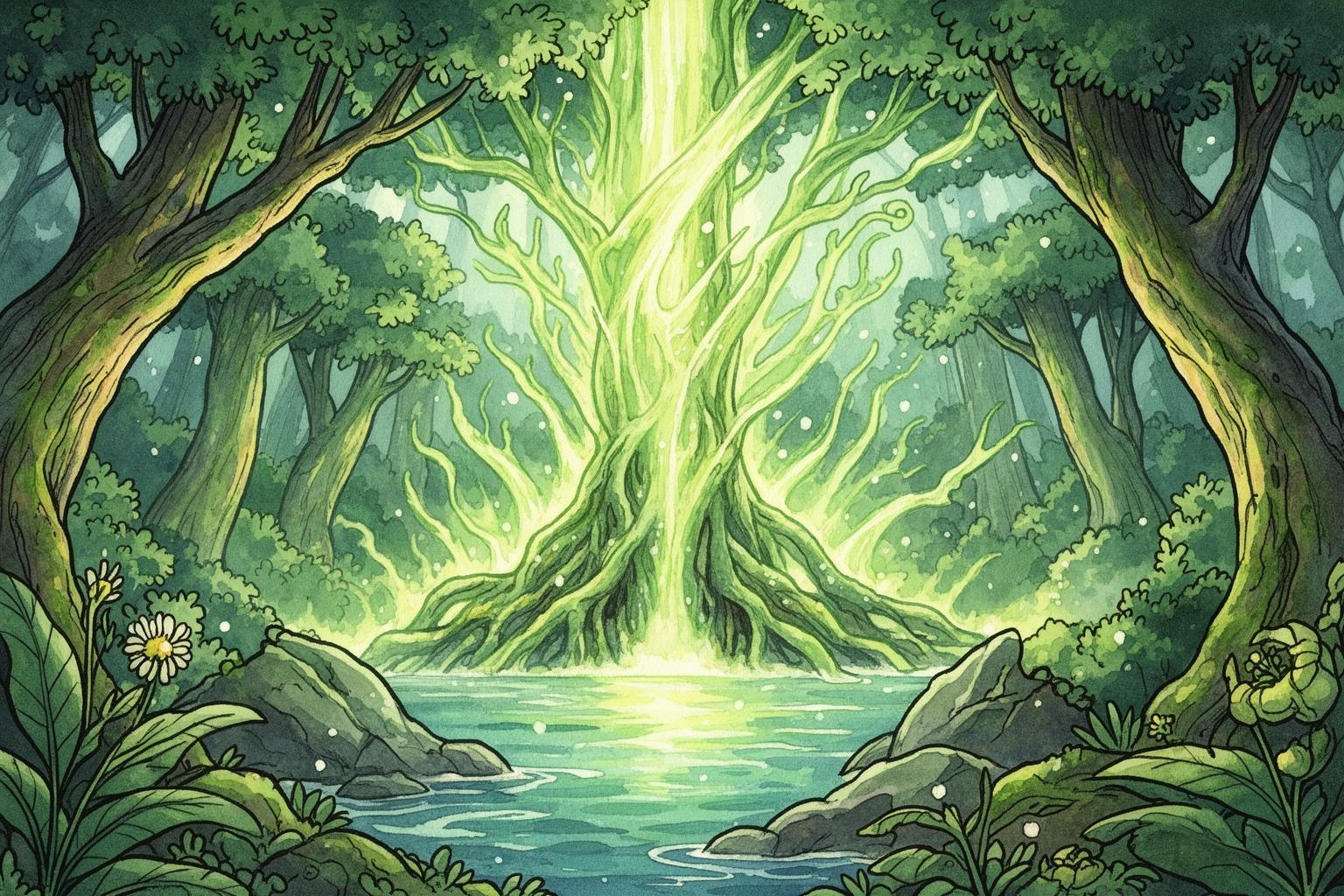
Before you even consider spotting a Kodama, you need to grasp the nature of the arena. Yakushima is more than just an island; it’s a vibrant, supercharged ecosystem. Imagine a rounded, mountainous landmass that rises sharply from sea level to nearly 2,000 meters (over 6,300 feet) at its summit. This striking topography produces a wide range of climates. Along the coast, there’s subtropical warmth with hibiscus and banyan trees. But as you venture inward and climb higher, the climate shifts dramatically—cool and temperate, then subalpine. It’s like traversing the entire Japanese archipelago in one day. This vertical climate gradient is the secret ingredient behind its extraordinary biodiversity. Yet the most striking feature—the one that strikes you the instant you step off the ferry or plane—is the water. It’s everywhere. The island’s granite peaks capture moisture-laden clouds from the ocean, causing almost constant rainfall. This isn’t a mere drizzle; it’s a deluge of biblical proportions that has shaped deep gorges, fuels countless waterfalls, and nourishes the forest’s lifeblood: moss.
But this moss isn’t ordinary. We’re talking over 600 varieties, forming a thick, velvety blanket over everything—rocks, tree trunks, fallen logs, abandoned signposts. It glows with an almost magical green when sunlight pierces the canopy. This omnipresent moss gives Yakushima an otherworldly, ancient atmosphere. It softens sound, creating a profound, solemn silence interrupted only by dripping water, the calls of Yakushika deer, or the playful antics of Yakuzaru macaques. The air is so pure and fresh it feels like breathing in life itself. It smells of damp earth, decaying wood, and the sharp, resinous scent of cedar. This is the sensory world of the Kodama. To be here is to feel incredibly small against the vast expanse of nature’s timeline. You walk among giants—the Yaku-sugi—whose ages aren’t measured in centuries but millennia. Standing before a tree 3,000 or even 7,000 years old is a humbling, almost spiritual moment. It provokes a shift in perspective. Your everyday worries, deadlines, and digital stress melt away into the forest’s profound, patient silence. This overwhelming sense of ancient life and deep calm is your first clue. The Kodama don’t inhabit an ordinary forest; they emerge from this unique, high-energy concentration of life force. This is their realm, and you are simply a visitor. Understanding this essence, this primal energy, is step one. You don’t find the Kodama; you attune yourself to their frequency.
Spilling the Ancient Tea on Kodama
So, what exactly are Kodama? To the global audience, they’re the cute, eerie, head-rattling spirits from Princess Mononoke. But Hayao Miyazaki didn’t create them from scratch. He drew from a rich tradition of Japanese folklore that has simmered for centuries. This is where we dive into historical lore—the kind of depth that gives your search for them genuine meaning. In traditional Japanese animism and Shinto belief, the boundaries between the physical and spiritual realms are deeply blurred. Every element of nature can house a kami, a deity or spirit. A majestic waterfall, a uniquely shaped rock, an ancient tree—all can serve as homes for the divine. The Kodama (木霊) are the perfect representation of this belief. Their name literally means “tree spirit.” They are not ghosts of the dead but rather the very soul of the tree itself.
Historically, Kodama were regarded with a mix of reverence and caution. The sound of a falling tree echoing through the mountains was sometimes called a kodama, understood as the cry of the tree’s spirit. Hearing this was considered an omen. Cutting down a tree that housed a Kodama was thought to invite a curse. Many old stories tell of woodcutters who ignored these warnings and suffered misfortune. They acted as forest protectors, invisible yet ever-present guardians. Their form was believed to be fluid, sometimes appearing as glowing lights, strange beasts, or even human-like figures. The crucial point is that they were intimately connected to the tree’s health and, by extension, to the forest. A forest full of Kodama was a thriving, lively one. A forest where the Kodama fell silent was one in decline.
Miyazaki’s brilliance was in giving them a distinct, iconic shape. His Kodama are whimsical, curious, and unsettling all at once. Their childlike look masks ancient wisdom. They embody the forest’s life force—when the Forest Spirit is healed, they multiply; when it’s wounded, they begin to fade. This depiction struck a chord because it vividly expressed a deep-rooted cultural respect for nature. When you search for Kodama in Yakushima, you’re not literally hunting for a tiny white rattling creature. You’re looking for signs of the forest’s spirit. You’re seeking moments when light hits a mossy rock just right to resemble a face, or when twisted roots form shapes like creatures, or when silence is so profound you can almost hear the trees breathing. You’re partaking in an ancient tradition of perceiving spirit within the physical world. The Kodama hunt is a meditative experience. It’s about paying attention, noticing the subtle details that reveal the vast, interconnected life of the forest. It’s a quest to view the world through animism’s lens, recognizing that we move through a living, conscious being. That’s the real truth. The small figurines tourists place on moss for photos are merely a modern homage; the true Kodama are the feeling the forest gives you when you truly listen.
The Main Quest: Your Guide to Kodama Hotspots
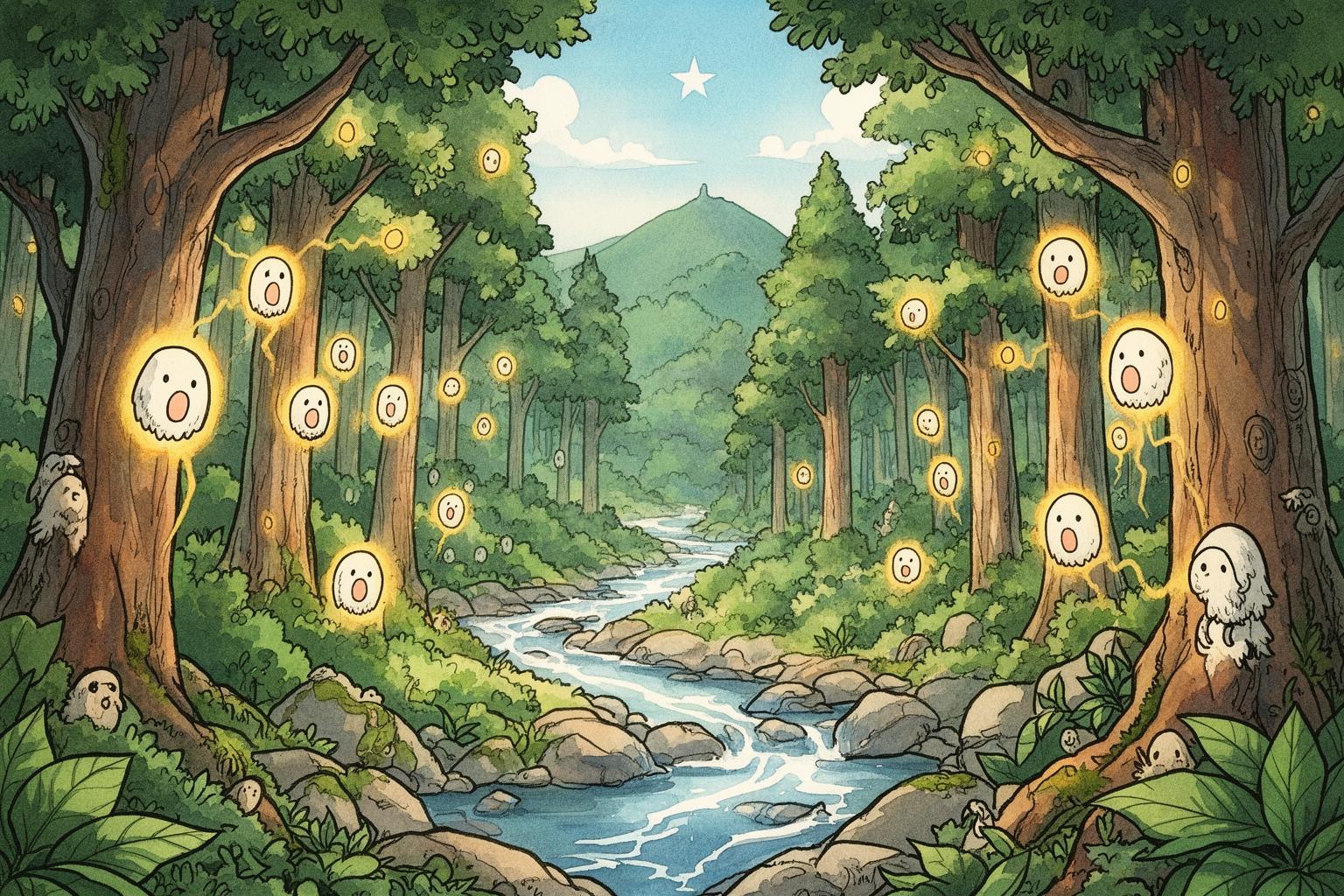
Alright, you’re tuned into the island’s energy and have the historical background well in hand. So, where do you actually head next? While the spirit of the forest permeates all of Yakushima, certain trails dial this mystical, Kodama-rich atmosphere up to eleven. These are the prime spots to explore.
Shiratani Unsuikyo Gorge: The Ghibli Fan’s Holy Grail
Let’s be honest, this is the main draw for most visitors. Shiratani Unsuikyo is the forest that directly inspired the landscapes of Princess Mononoke, and it lives up to the hype. The moment you step onto the trail, it feels like entering a film set. The dense greenery is overwhelming. Every surface is blanketed in thick, moist moss, ancient cedar roots twist across the path like immense serpents, and crystal-clear streams bubble over granite boulders. The air is cool and misty, with sunlight filtering through the thick canopy in ethereal beams. This is undeniably the epicenter of your Kodama quest.
The gorge offers several routes, ranging from a brief one-hour loop to a challenging five-hour trek that leads toward the famed Taikoiwa Rock. For the full Ghibli experience, aim for the forest’s innermost section, known as Mononoke Hime no Mori (Princess Mononoke’s Forest). This part is a surreal dreamscape. You don’t even have to search for Kodama here; the forest reveals them naturally. Twisted branches resemble reaching arms. Moss-covered rocks, speckled with light and shadow, form countless faces—some smiling, others grimacing. The roots of towering cedars, clinging to granite bedrock, create caves and tunnels that seem like gateways to another realm. Pro tip: visit early morning as the park opens. You’ll enjoy more solitude and the low-angle light produces the most magical, dramatic effects. Let your gaze soften. Don’t look for anything—just observe. Let the shapes emerge. That’s how you truly see them.
The hike to Taikoiwa Rock is a must if you’re physically able. The final ascent is steep, but the reward is incredible. You break out from the dense, shadowy forest onto a vast, exposed granite outcrop with panoramic, breathtaking views of the island’s mountainous interior. Gazing down on the green expanse gives you a completely new appreciation for the scale and majesty of the life you’ve been immersed in. It’s a moment of pure, cinematic wonder.
Yakusugi Land: Ancient Giants and Easy Access
Don’t be fooled by its somewhat theme-park-sounding name. Yakusugi Land is an impressively maintained park offering a more accessible, yet no less enchanting, alternative to some of the tougher hikes. It’s perfect if you’re short on time, hiking with family, or if the weather is rough for high-altitude trails. The park has several clearly marked paths, ranging from 30 minutes to over two and a half hours, many featuring wooden boardwalks that make navigating the root-strewn terrain effortless. This lets you spend less time watching your step and more time soaking in the surroundings.
The main attraction here is the abundance of ancient Yaku-sugi trees you can admire up close. Trees named Buddha Sugi, Sennnen Sugi (Thousand-Year Cedar), and Kigen Sugi (visible right from the road) are the stars of the park. These trees are titanic. Their bark is rugged and weathered, their trunks incredibly thick, and their presence commanding. They feel less like plants and more like ancient sentinels. In Yakusugi Land, the Kodama exude a more stoic, grandfatherly spirit. Spend time at the base of these giants. Notice the smaller plants growing on their trunks and branches—a whole ecosystem thriving on a single tree. This is a place to reflect on deep time and the resilience of life. The forest floor again forms a chaotic mosaic of moss, ferns, and twisting roots, offering endless chances for Kodama-spotting meditation. Being somewhat less famous than Shiratani Unsuikyo, you’ll often find quieter moments here to truly connect with the forest’s vibe.
The Jomon Sugi Pilgrimage: The Ultimate Challenge
Here it is: the big one. The trek to Jomon Sugi, the island’s oldest and most legendary tree, is no casual stroll; it’s a pilgrimage. The round trip takes 10–12 hours, covering about 22 kilometers (13.6 miles). It’s a serious physical and mental undertaking, requiring an early start before dawn. But the payoff is a spiritual experience that lingers forever. The first few hours follow the old logging railway track, the Anbo Forest Railway. Walking these tracks in the misty twilight is surreal—a man-made scar cutting through primordial wilderness and a constant reminder of the island’s logging history and the struggle to protect these giants.
After the railway stretch, the real ascent begins. Along the way, you’ll pass several notable trees, including Wilson’s Stump, the enormous remains of a felled cedar. Peering up through the hollow stump at just the right angle, you’ll see the opening forms a perfect heart shape. It’s a poignant, beautiful moment. Closer to your goal, the trees grow progressively older and more magnificent. The forest energy shifts—becoming deeper, quieter, and more profound. The final approach to Jomon Sugi is a steep climb up wooden staircases designed to protect the tree’s fragile roots. And then, there it is.
Words and photos cannot capture Jomon Sugi’s presence. It’s not the tallest tree, but its sheer mass and age are awe-inspiring. Its gnarled, almost humanoid form looks like a creature from fantasy lore. Scientific estimates of its age range from 2,170 to 7,200 years. It has stood there through all of recorded human history. It is a living monument to deep time. Visitors can no longer get close—the viewing platform keeps a respectful distance—but that does nothing to diminish its power. Standing in its presence is to feel the weight of millennia. The Kodama here are different. They’re not playful or whimsical but solemn, ancient spirits of survival—the quiet pulse of life enduring against the odds. Completing this trek isn’t just a physical feat; it’s a profound realignment of your place in the world. You return changed. This is Yakushima’s heart, beating slow, steady, and eternal.
Leveling Up: The Practical Beta for Your Yakushima Trip
Okay, you’re excited. But a trip to a mystical island requires careful logistical planning. Getting it right is essential for a smooth, stress-free experience, allowing you to focus on the atmosphere rather than the complications.
Getting There and Getting Around
Yakushima is remote but accessible. Your two main options are to fly or take a ferry from mainland Kyushu. Direct flights to Yakushima’s small airport (KOJ) operate from Kagoshima, Fukuoka, and Osaka (Itami). This is the quickest but also the most expensive choice. The more common and atmospheric way is by sea from Kagoshima, with two options. The high-speed jetfoil, called the “Toppy” or “Rocket,” reaches the island in about 2-3 hours. It’s fast and efficient but enclosed, so you miss out on much of the sea voyage feel. For a more budget-friendly and scenic route, the slower car ferry takes about 4 hours, letting you stand on deck, feel the sea breeze, and watch the island appear on the horizon. It’s a true arrival experience.
Once on the island, renting a car is honestly the best way to get around. There is a bus system, but buses are infrequent and don’t conveniently serve all trailheads. Having a car gives you the freedom to explore at your own pace, chase good weather, and visit remote places. Book your car early, especially during peak season, as availability can be limited. Don’t forget to get your International Driving Permit before you leave home. If a car isn’t an option, carefully plan your itinerary around bus schedules or stay in one of the two main towns, Miyanoura or Anbo, using taxis or pre-booked tours for major excursions.
When to Go: A Seasonal Breakdown
Yakushima is open year-round, but every season brings a unique vibe.
- Spring (March-May): Possibly the best time to visit. The weather warms up, days grow longer, and vibrant new greenery emerges. Mountain rhododendrons bloom, painting pink accents across the landscape. It’s peak season, so expect more hikers on the trails.
- Summer (June-August): June’s rainy season makes trails slippery and rivers swell. July and August are hot and humid, the busiest months due to Japanese school holidays. It’s also peak sea turtle nesting season at Nagata Inakahama Beach, a magical sight. The forest is lush, but prepare for sweat, bugs, and the threat of typhoons that may disrupt plans.
- Autumn (September-November): Another excellent season. Typhoon risk declines, humidity lessens, and crowds thin out. The weather is typically stable and ideal for hiking. While Yakushima isn’t famous for dramatic autumn foliage like Kyoto, you’ll notice subtle color changes, especially at higher altitudes.
- Winter (December-February): Perfect for solitude seekers. Trails are mostly empty. Coastal areas stay mild, but higher mountains are blanketed in deep snow, making hikes like the one to Jomon Sugi impossible without serious mountaineering gear and skills. Lower elevation trails like Yakusugi Land and parts of Shiratani Unsuikyo remain accessible, offering mossy forests dusted with snow. It’s a uniquely serene and quiet time to visit.
The Yakushima Fit: Gear Is Essential
The phrase “there’s no bad weather, only bad gear” was practically made for Yakushima. Being unprepared for rain here isn’t just uncomfortable—it can be dangerous. Your gear is non-negotiable.
- Waterproof Everything: This is the golden rule. A high-quality, breathable rain jacket and rain pants are essential. Not just water-resistant, but waterproof. Gore-Tex or similar materials are best.
- Footwear: Sturdy, waterproof hiking boots with solid grip are a must. Trails are uneven with slippery roots and rocks. Ankle support is highly recommended.
- Layers: Temperatures can vary widely with elevation or weather changes. Dress in layers: moisture-wicking base layer, fleece or insulated mid-layer, and a waterproof shell.
- Backpack with Rain Cover: A comfortable daypack is necessary for carrying gear, water, and snacks. A rain cover is crucial to keep everything dry.
- Water and Snacks: Bring more water than you think you’ll need due to the humidity. High-energy snacks are also smart for long hikes.
- Headlamp: Essential for early starts on trails like the Jomon Sugi hike, making it a safety must-have.
- Portable Toilet: Toilets are scarce on the Jomon Sugi trail. Carrying a portable toilet kit is common practice and strongly encouraged to protect the fragile environment. These can be purchased on the island.
To Guide or Not to Guide?
Hiring a local guide is a great investment, especially for first-time visitors or the Jomon Sugi trek. A good guide does more than lead you—in addition to managing the pace, they share deep knowledge about local flora, fauna, and history. They are first-aid trained, point out overlooked details, and enrich and secure the experience. They also handle logistics like transportation and boxed lunches. However, if you’re an experienced hiker craving solitude and self-discovery, the trails are well marked. Just bring a map, inform someone of your plans, and be fully self-reliant. For Shiratani Unsuikyo and Yakusugi Land, solo hiking is very doable.
Beyond the Hunt: More Yakushima Lewks
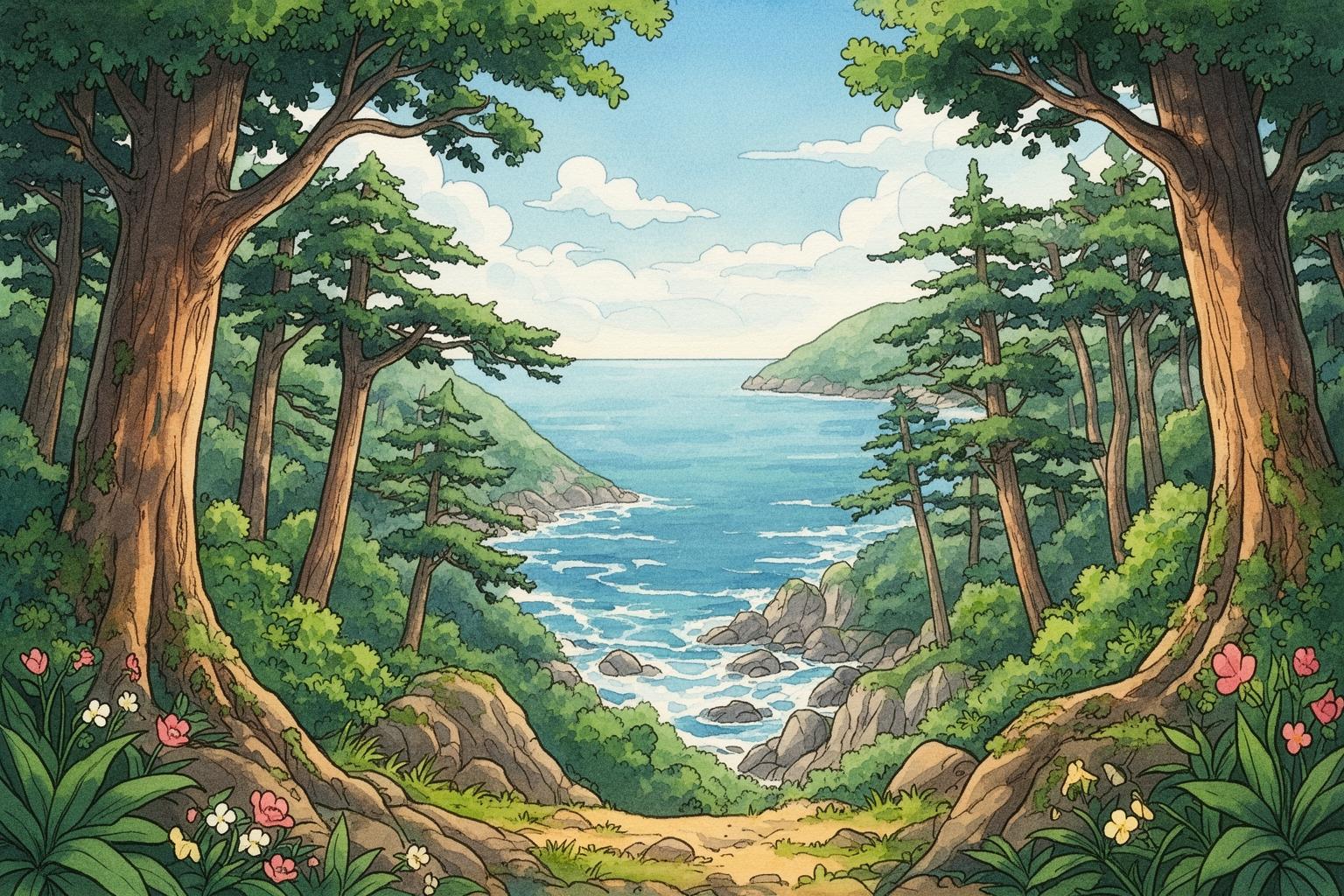
While the ancient forests are the main attraction, Yakushima offers an entirely different side that’s equally worth exploring. After several days of strenuous hiking, your legs will appreciate a change of pace.
Coastal Vibes and Turtle Time
The island is surrounded by a stunning coastline. Driving the scenic road that encircles Yakushima is an adventure itself, revealing breathtaking ocean views and groups of monkeys and deer casually lounging by the roadside. One of the most remarkable coastal spots is Nagata Inakahama, a pristine stretch of golden sand and the largest sea turtle nesting site in the North Pacific. From May to August, Loggerhead and Green sea turtles come ashore at night to lay their eggs. Taking part in a guided and respectful observation tour is an unforgettable experience. Watching a massive mother turtle meticulously dig her nest beneath a starry sky is a moment of pure natural wonder. During the day, the island’s crystal-clear waters are perfect for sea kayaking, stand-up paddleboarding, or snorkeling, providing a fresh perspective on the island’s dramatic landscape.
Onsen Culture, Yakushima Style
There’s no better way to soothe your aching muscles after a long hike than soaking in a natural hot spring, or onsen. Yakushima boasts some incredibly unique ones. The most famous are the tidal onsens on the south coast, such as Hirauchi Kaichu Onsen. These aren’t luxurious spas; they are natural pools among the ocean rocks, accessible only for a few hours around low tide. You’re literally bathing in the ocean, with waves crashing nearby. It’s a rustic, co-ed, and profoundly elemental experience. Make sure to check tide times before you go, and keep in mind that bathing suits are generally not allowed, although a small towel for modesty is acceptable. It’s an authentic, raw onsen experience that connects you directly to the island’s volcanic spirit.
Fueling the Adventure: Island Flavors
Yakushima’s culinary offerings are a delight. As an island, seafood plays the starring role. Be sure to try tobiuo (flying fish), the island’s specialty. You’ll find it prepared in every imaginable way, from sashimi to deep-fried whole, fins and all (the fins are crispy like chips). The island is also celebrated for its citrus, especially tankan and ponkan oranges, which are incredibly sweet and juicy. Their juice provides the perfect refreshment. For adults, Yakushima is home to Mitake, a world-class shochu (a distilled Japanese spirit). A bottle of this potent, sweet-potato-based liquor makes an excellent souvenir or a perfect nightcap to toast your adventures. The small towns of Miyanoura and Anbo are dotted with cozy izakayas (Japanese pubs) where you can enjoy these local delicacies and swap stories with fellow travelers.
The Unspoken Rules: Keepin’ It Real and Respectful
Entering Yakushima’s forests feels like stepping into a temple. It is a sacred space that commands respect. Being a responsible visitor is essential to preserving this delicate paradise for future generations. Here is the essential guide to trail etiquette.
Leave No Trace. Period.
This is the foremost rule. Take out everything you bring in, including every food wrapper, tissue, and piece of garbage. There are no trash bins along the trails. Anything you bring into the forest must leave with you. This also applies to items like fruit peels and cores. Although biodegradable, they are not native to the ecosystem and can cause disruption. The aim is to leave the forest exactly as you found it.
Stay on the Path
The moss that covers the forest floor is incredibly fragile and can take decades or even centuries to recover if damaged. Boardwalks and marked trails exist for a reason: to protect delicate root systems and the mossy ground cover. For the love of the Kodama, please stay on the path. Resist the temptation to stray off for a better photo. The best photo is one that does no harm to the environment.
The Nature of a Call of Nature
On long hikes, particularly the Jomon Sugi route, nature will call. As mentioned, portable toilet kits are recommended. Using them helps prevent contamination of water sources and safeguards the ecosystem. Although it might feel unusual at first, it is a small act of respect with a big impact. This practice is simply part of the hiking culture in this protected area.
Respect the Vibe
Yakushima moves at “island time.” Life here is slower, quieter, and more intentional. Don’t expect the fast pace of Tokyo. Embrace the slower rhythm. Be patient. Smile at locals. Keep your voice low on the trails to avoid disturbing wildlife and the peaceful experience of other hikers. You are a guest in a very special place. Behave accordingly, and you will be welcomed with the quiet warmth that defines the island community.
The Real Souvenir
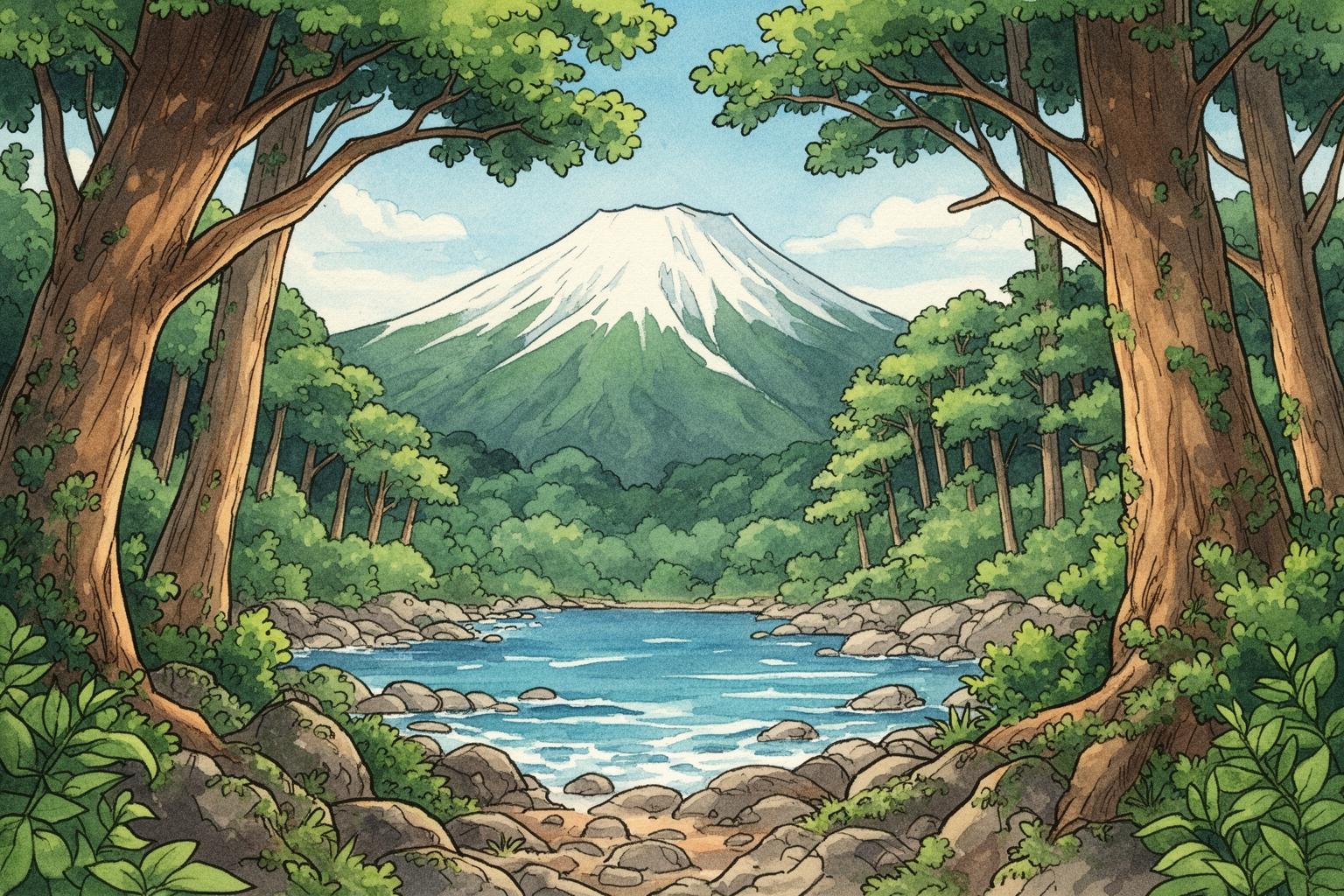
You came to Yakushima in search of Kodama. You may have even glimpsed some—in the play of light on moss or the twisted shape of an ancient root. Yet the true quest, the real discovery, is something you carry within. It’s the deep peace that settles in your bones after hours of silent walking. It’s the fresh appreciation for green, in its limitless and overwhelming variations. It’s the humbling shift in perspective from standing beside a living being that existed long before your entire culture.
The search for Kodama is essentially a search for connection. It’s a way to re-enchant the world, to learn to perceive the spirit in nature that our busy, modern lives often obscure. You don’t simply visit Yakushima—you experience it. You let its rain cleanse you, its ancient silence seep into your soul. You might leave with sore muscles and a camera full of moss photos, but the real keepsake is a recalibrated spirit, a deeper sense of time, and the lingering, mind-stirring echo of the forest’s eternal life force. And that, no exaggeration, is a vibe that will stay with you forever.