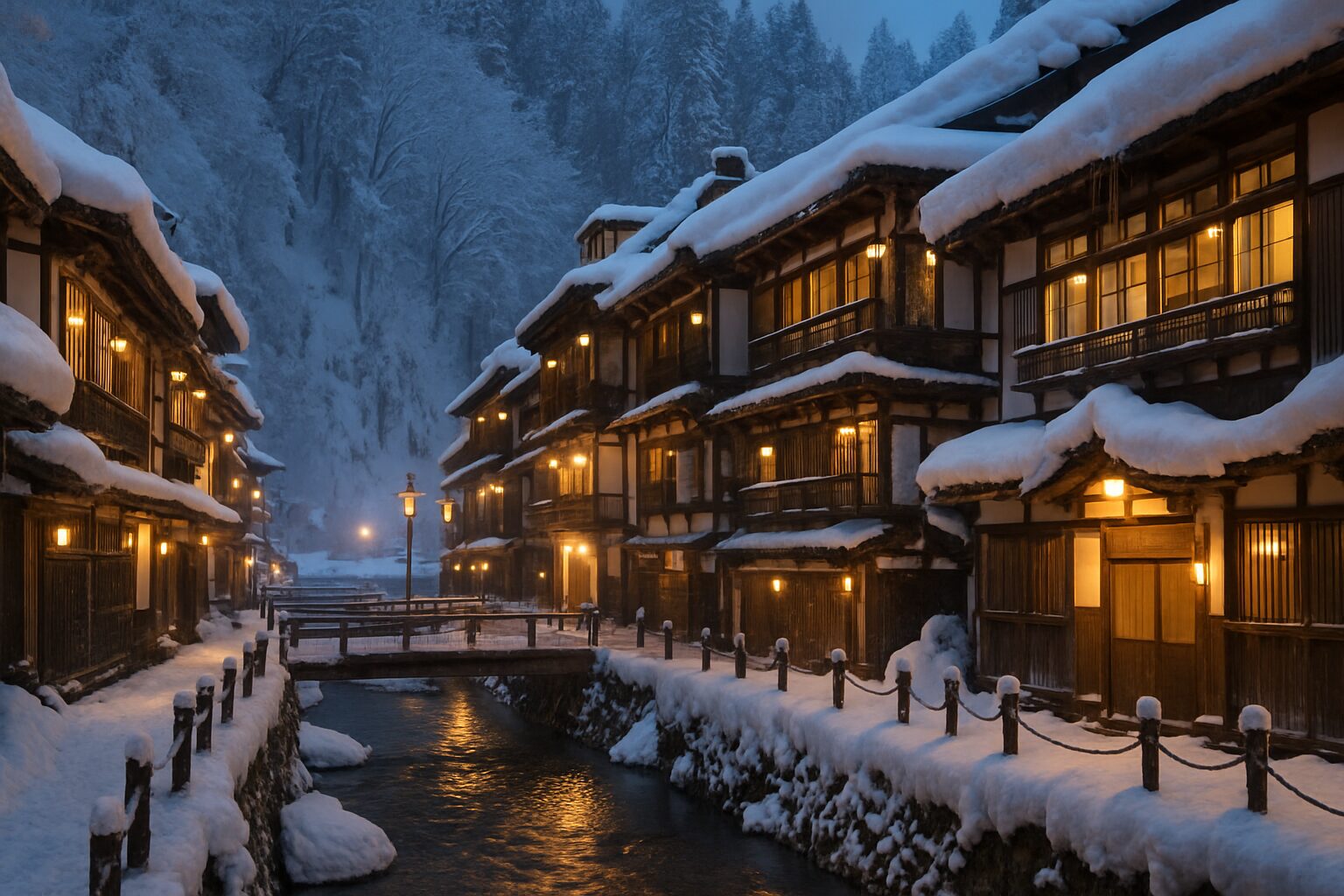
Yo, what’s up, world-wanderers? Ami here, coming at you live from my ever-growing travel journal. Let’s talk about a place that’s not just a location, but a whole mood. A full-on, time-traveling, cinematic experience. Imagine stepping into a snow globe, but instead of cheesy plastic trees, you get legit, historical wooden inns, flickering gaslights, and the quiet whisper of a river cutting through a valley straight out of a Studio Ghibli film. That’s the vibe. We’re talking about Ginzan Onsen in Yamagata Prefecture, a spot that’s been living its best nostalgic life for a century. This isn’t just another hot spring town; it’s a portal to the Taisho era (1912-1926), a seriously cool period in Japanese history when everything was about blending the old with the new, tradition with a splash of Western glam. It’s a place where the past isn’t just remembered; it’s the entire aesthetic. For anyone chasing that dreamy, retro-Japan fantasy, this is your endgame. It’s where you go to disconnect from the chaos of now and plug into the serene, poetic rhythm of then. Trust me, the glow-up is real, and you’re about to be the main character in this fairytale.
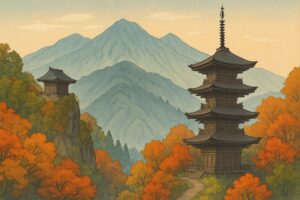
While you’re soaking in the Taisho Roman atmosphere, consider extending your journey to experience the profound spirituality of the nearby Dewa Sanzan pilgrimage.
The Vibe Check: What is Taisho Roman Anyway?
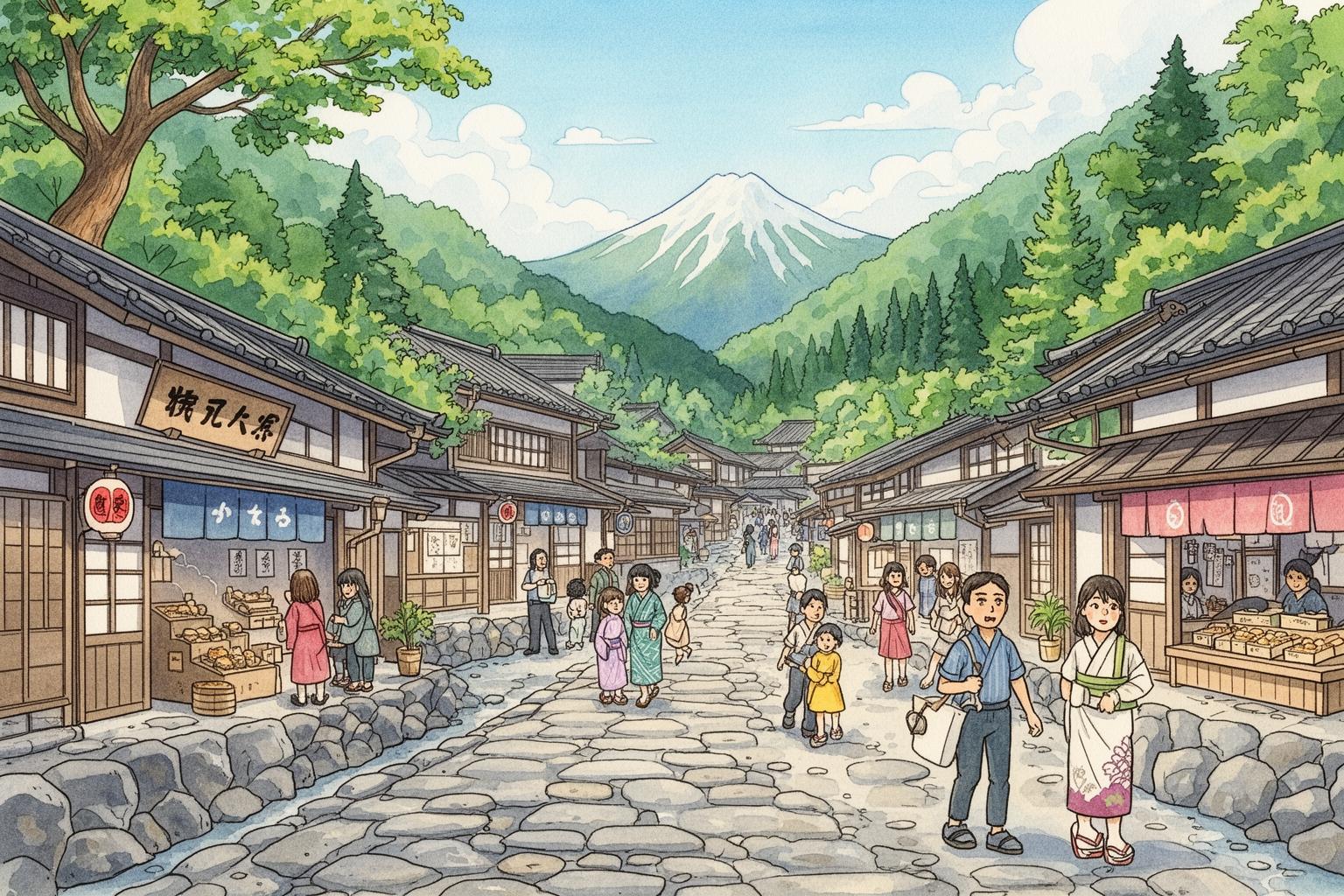
Alright, before we dive into the onsen lifestyle, let’s brush up on some history—with a stylish twist. So, what exactly is “Taisho Roman”? Think of it as Japan’s Jazz Age or Roaring Twenties. It was a brief but incredibly vibrant era nestled between the formal, empire-building Meiji period and the intense, militaristic early Showa period. For a short moment, Japan was really embracing itself. Democracy was fresh and exciting, individualism was on the rise, and the culture was a lively, beautiful blend of Japanese tradition and Western modernism. This vibe was called “Taisho Roman,” short for “Taisho Romanticism.”
Visually, it was everything. Traditional kimonos began showcasing bold, art-deco designs. Women, known as moga (modern girls), cut their hair into bobs, flaunted flapper dresses, and enjoyed coffee in stylish cafés. Men, the mobo (modern boys), wore round glasses and slicked-back hair. It was an artistic explosion. Artists like Yumeji Takehisa painted dreamy, melancholic portraits of women in kimono that became iconic. The architecture was a complete mood board, blending classic Japanese wooden structures with Western features like stained glass, ornate balconies, and whimsical decorative details. It was less about strict conventions and more about creative expression—a romantic, idealized view of a new, modern life.
So, how does Ginzan Onsen fit into this? Plot twist: the town experienced a major transformation during this very period. The original town, built around a thriving silver mine (Ginzan literally means “silver mountain”), was devastated by a massive flood in 1913. When rebuilt, the locals fully embraced the fashionable architectural style of the time. The ryokans—those traditional inns—lining the Ginzan River were mostly constructed in the late Taisho and early Showa periods. That’s why walking through Ginzan Onsen feels like stepping onto a movie set. These aren’t replicas; they’re authentic. The multi-story wooden buildings, exposed beams, intricate plasterwork called kote-e, and the soft, warm light filtering through paper screens—all perfectly preserve that optimistic, artistic, and slightly chaotic Taisho spirit. It’s a tangible representation of a culture brave enough to dream differently. Understanding this historical context doesn’t just help with a history quiz; it elevates your visit from admiring beautiful buildings to truly feeling the soul of an entire generation. It’s the lore that makes the legend resonate deeper.
A Street Straight Out of Your Anime Dreams
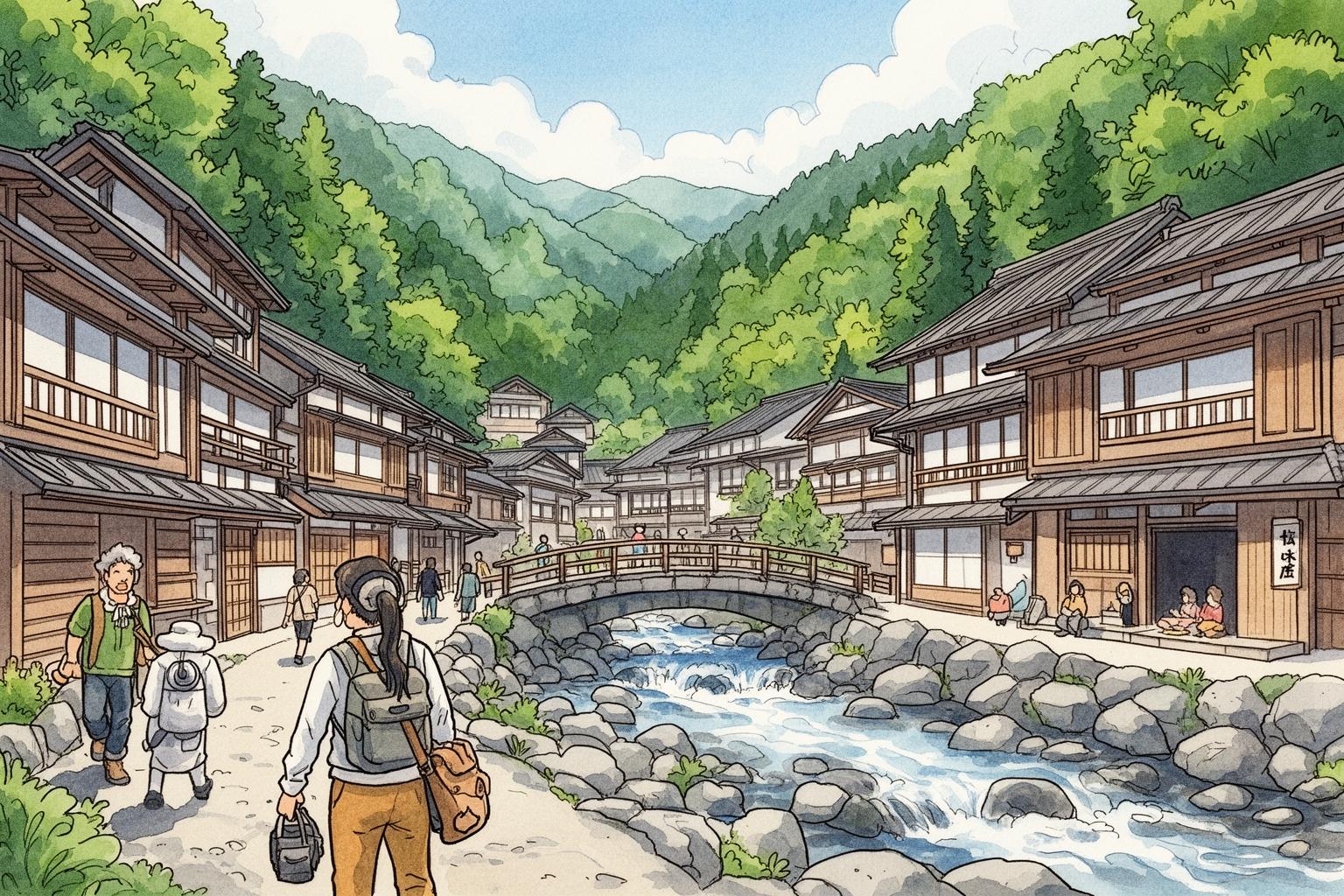
The heart, soul, and unmistakable money shot of Ginzan Onsen is its central street. Let’s be honest, this is what floods your feed and lingers in your mind rent-free. The town is essentially a pedestrian-only lane nestled within a narrow valley, with the Ginzan River running down its center. On both sides, impressive three- and four-story wooden ryokans stand side by side, like ancient sentinels of a forgotten era. There are no modern eyesores here, no awkward concrete blocks to ruin the atmosphere. It’s a masterclass in aesthetic dedication.
Walking along this street is a sensory feast in the best possible way. You hear the gentle murmur of the river, a steady, soothing soundtrack to your wanderings. You see the dark, weathered wood of the ryokans, a striking and beautiful contrast against the pure white snow in winter or the lush green foliage in summer. You can catch the faint, slightly sulfurous scent of the hot spring water blending with the crisp mountain air. Each ryokan carries its own character, its own story carved into its facade. Notoya Ryokan is arguably the most famous, a designated Tangible Cultural Property with its iconic red bridge arching gracefully over the river. It’s pure cinematic magic. Then there’s Ginzanso, designed by the renowned architect Kengo Kuma, offering a contemporary take on traditional style, showing that the town’s architectural narrative continues to evolve.
But the true magic lies in the details. Look up at the kote-e, the intricate plaster reliefs adorning the walls of some inns. These aren’t random patterns; they often depict lucky symbols or scenes from nature, each a tiny masterpiece. Notice the delicate latticework of the windows and the elegant curves of the roofs. This isn’t mere construction; it’s craftsmanship at its finest. The entire street is a work of art. It invites you to slow down, truly observe, and appreciate the artistry that went into this harmonious setting. It’s a place that reminds you that beauty often resides in imperfection, in the marks time leaves behind, and in the devotion to a singular, compelling vision. As you stroll, you’ll spot other visitors in yukata and geta (wooden clogs), their soft clacking on the stone pavement adding another layer to the town’s timeless soundtrack. It’s immersive. You’re not just a bystander; you become part of the scene.
Golden Hour to Blue Hour: The Glow-Up is Real
While Ginzan Onsen is stunning by day, it becomes utterly transcendent at night. As the sun sinks behind the mountains, the atmosphere changes palpably. This is the moment everyone anticipates, the shift from golden hour to blue hour, when the town performs its nightly enchantment. The true stars here are the gas lamps lining the street. One after another, they flicker on, casting a warm, ethereal golden-orange glow that feels impossibly romantic. This isn’t the harsh, cold light of modern LEDs; it’s a soft, living light that dances on the wooden buildings, shimmers dreamily in the river, and makes everything look infinitely more magical.
This is when everyone—couples, families, solo travelers—comes out with cameras, eager to capture the spectacle. Honestly, you can’t take a bad photo here. The blend of gaslight, historic architecture, and natural surroundings is pure visual poetry. In winter, the effect is intensified to an extraordinary level. The warm glow illuminates falling snowflakes, making them sparkle like tiny diamonds, and reflects off the thick blanket of snow that coats the roofs and pathways. It’s a scene of such profound beauty and tranquility it can take your breath away. Somehow, it feels sacred.
The blue hour, that brief time after sunset when the sky deepens into a velvety blue, is prime viewing time. The contrast between the cool blue sky and the warm orange gas lamps creates a color palette artists dream of. It’s the perfect moment to settle on one of the small bridges, lean against the railing, and simply take it all in. Forget your phone for a bit (once you’ve snapped the shot, of course) and just be present. Listen to the river, feel the cool air on your face, and watch the town transform. It’s a deeply meditative experience, a reminder of the power found in simple, beautiful things. This nightly glow-up isn’t just for Instagram; it’s a ritual that connects you to the town’s rich history and its enduring, gentle spirit.
Beyond the ‘Gram: What to Actually Do in Ginzan Onsen
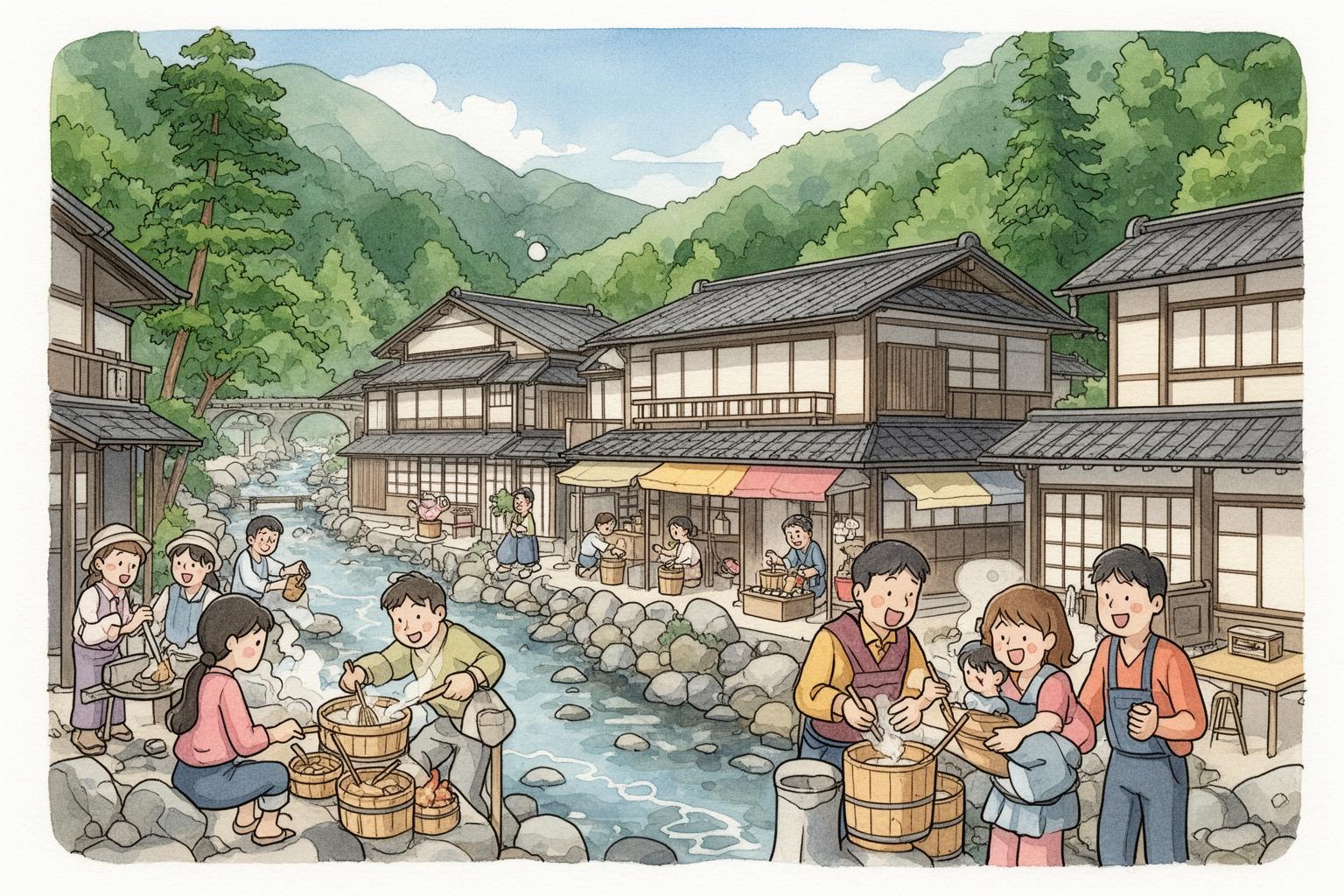
Alright, you’ve snapped the perfect photo and soaked in the atmosphere—what’s next? The charm of Ginzan Onsen lies in its small size, yet it’s bursting with authentic experiences that go far beyond mere sightseeing. This is a place to engage, not just observe. So, don your explorer’s hat, because there’s much more to this silver town than meets the eye.
Onsen Life: Immersing Yourself in History
First and foremost, you’re in an onsen town, so dipping into the hot springs is essential. The water here is slightly milky and mineral-rich, known for being remarkably gentle on the skin and perfect for warming you up to the bone—an absolute boon during the chilly Yamagata winters. The options for a rejuvenating soak are abundant. Guests staying overnight typically have access to the exquisite private baths within their ryokan, an experience all its own. Many of these baths are made from wood or stone and offer tranquil views, allowing you to relax in complete privacy.
Even if you’re visiting just for the day, you can still join in. Two public bathhouses, or sotoyu, are located right in the heart of town. Shiroganeyu is a sleek, modern facility designed by Kengo Kuma, offering a minimalist yet stylish bathing experience. Omokageyu, on the other hand, is a traditional, rustic bath available for private rental—ideal for families or those who prefer a more secluded bathing experience. For a quick, casual soak, there’s the Warashiyu, a free public footbath (ashiyu) by the river. It’s an ideal spot to rest tired feet, people-watch, and chat with fellow travelers. Simply sitting there with your feet in warm, healing water, watching life pass by, is one of Ginzan’s simplest and most profound pleasures. This encapsulates the onsen culture: communal, restorative, and deeply intertwined with nature.
Embrace Your Inner Explorer: The Shirogane Park Trail
When you’re ready to stretch your legs, make your way to the town’s end where the main street meets Shirogane Park. Here, you connect with the “Ginzan” side of Ginzan Onsen—its silver mining heritage. A charming walking trail leads you away from the ryokans into the forest. The first highlight is the impressive Shirogane no Taki, a 22-meter waterfall plunging into a gorge. The roar is powerful, and the mist rising from the falls is refreshingly cool, especially in summer. It’s a beautiful spot for quiet reflection.
Follow the path further, and you’ll reach the entrance to Nobesawa Ginzan, the silver mine that gave the town its name and prosperity centuries ago. Once one of Japan’s most productive mines, a section of its tunnel is now open for visitors, illuminated and surprisingly cool inside. It’s a little eerie, a bit thrilling, and offers a fascinating glimpse into the tough labor that shaped this town. Entering the dark, damp cave, you can almost hear the echoes of miners from 500 years ago. It’s a grounding experience that deepens your appreciation for the cozy, beautiful town that exists today thanks to their hard work. The entire loop is a gentle hike lasting under an hour, perfectly blending nature and history to complement your onsen relaxation.
A Culinary Deep Dive: Nourishing Your Journey
All this exploring is bound to build an appetite, and Ginzan Onsen does not disappoint with its local specialties. This isn’t a place for sprawling chains; instead, you’ll find small, charming establishments full of character. One must-try local dish is Obanazawa’s handmade soba noodles. The nearby city of Obanazawa is renowned for its buckwheat, and the soba served here is fresh, chewy, and flavorful. Several eateries offer it either hot in a savory broth or cold with dipping sauce—a perfect light yet satisfying meal.
For a quick iconic snack, don’t miss Haikarasan’s Curry Bread. “Haikara-san” is a Taisho-era term referring to a stylish individual embracing Western fashions, and this quaint shop perfectly captures that retro vibe. They serve freshly fried, fluffy bread filled with rich, savory Japanese curry. On a chilly day, biting into crisp, hot curry bread is pure comfort. Another favorite treat is age-manju, a deep-fried bun filled with sweet red bean paste—a decadent, delicious sugar rush. Beyond snacks, cozy cafes like the charming Kuriya offer coffee and sweets, where you can unwind with a drink while gazing out the window overlooking the river. The food scene here is simple, hearty, and deeply tied to local culture, providing the perfect nourishment for your Taisho Roman adventure.
The Practical Sitch: Getting There and Staying Sane
Alright, let’s dive into logistics. Ginzan Onsen’s secluded, fairy-tale charm is a big part of its appeal, but it also means getting there takes a bit of planning. It’s not somewhere you just happen upon. Don’t worry though—the trip is entirely doable and absolutely worth it. Here’s the scoop on how to make your journey easy and stress-free.
The Journey is the Destination: Access Basics
For most international travelers, the typical route starts in Tokyo. Your best ally here is the Japan Rail Pass, if you have one. You’ll take the Yamagata Shinkansen (Tsubasa line) from Tokyo Station to Oishida Station. This segment of the trip is an experience itself, as the bullet train speeds you out of Tokyo’s urban sprawl and into the stunning, rural landscapes of northern Japan. The ride lasts about 3 to 3.5 hours. Sit back, relax, and watch the scenery transform outside your window.
Once you reach Oishida Station, you’re on the last stretch. From there, you’ll catch a local bus to Ginzan Onsen. The bus stop is right outside the station, and the schedule generally aligns with the Shinkansen’s arrival. Still, it’s wise to check the latest timetable online beforehand since the buses run roughly once an hour. The bus ride takes about 40 minutes, meandering through small towns and scenic mountain roads until you arrive at the onsen town entrance. If you’re staying overnight at a ryokan, many offer shuttle services from Oishida Station, so be sure to check when booking. This can be more convenient, especially with heavy luggage. Pro tip: pack light if possible. The town’s narrow streets can be snowy and slippery, so hauling a large suitcase isn’t ideal.
When to Go? The Seasonal Scoop
This is the million-dollar question. Let’s be upfront: Ginzan Onsen is best known for its winter appearance. From late December through February, the town is covered in deep snow, transforming it into the magical, otherworldly scene you’ve seen in pictures. Snow draped over the dark wooden ryokans, the warm glow of gas lamps on snowy streets—it’s pure enchantment. However, winter is peak season, meaning crowds and accommodations booked months or even a year ahead. You’ll also need proper winter gear: thermal layers, a warm coat, waterproof boots with good grip, gloves, and a hat. Don’t underestimate the Yamagata winter—it’s serious.
Here’s the inside tip: Ginzan Onsen is gorgeous all year round. Spring offers cherry blossoms and fresh greenery, a refreshing symbol of renewal after winter. Summer is lush and vibrant; cicadas fill the air, enhancing the vibrant backdrop of historic buildings. It’s an excellent time for the Shirogane Park hike without snow. Autumn rivals winter’s beauty. From late October to early November, the mountains burst with fiery reds, oranges, and yellows. The fall colors reflecting in the river are breathtaking, and the crisp air makes for perfect strolls and onsen soaks. Visiting off-season means fewer crowds, greater ryokan availability, and a chance to see a quieter, more peaceful side of the town. So, you don’t have to visit only in winter—the charm is timeless.
Where to Stay: Ryokan Insights
For the full Ginzan Onsen experience, staying overnight in one of the historic riverside ryokans is the ultimate goal. It’s more than just a place to rest—it’s a cultural immersion. You’ll swap your street clothes for a comfy yukata, enjoy exquisite multi-course kaiseki dinners made with local seasonal ingredients, and have access to the ryokan’s private onsen baths. It’s a splurge, but an unforgettable one. The key is planning. Popular ryokans like Notoya or Fujiya (the Kengo Kuma-designed one) are notoriously hard to book. You’ll want to reserve the day bookings open, often 6 months to a year ahead, especially for winter weekends.
If you’re on a budget or booking last minute, don’t worry. There are more modern hotels and guesthouses just outside the main historic street offering more affordable rates and better availability. Another option is staying in nearby towns like Obanazawa or even Yamagata City and visiting Ginzan Onsen as a day trip. The last bus back to Oishida Station usually departs around 6:30 PM, giving you just enough time to see the gas lamps lit before leaving. Though you’ll miss waking up in the heart of the town, it’s a practical way to enjoy its beauty without the cost or booking stress. Whatever you decide, being there is what really matters.
A Solo Traveler’s Guide to Ginzan Onsen: Stay Safe, Stay Slay
Traveling alone offers the ultimate freedom, and a tranquil, picturesque spot like Ginzan Onsen makes an ideal destination for a solo traveler. It’s safe, inviting, and the perfect setting for some quality “me time.” As a solo female traveler, I’m always aware of my surroundings, and I can assure you this place earns top marks for peace of mind. Still, it never hurts to be prepared, so here are a few tips to ensure your solo trip is absolutely flawless.
Your Safety Checklist
Ginzan Onsen is exceptionally safe. The biggest risks you’ll probably encounter come from nature rather than people. In winter, the stone paths and wooden bridges can become extremely slippery due to ice and snow. Good, sturdy, waterproof boots with excellent grip aren’t just recommended—they’re essential. Walk carefully and deliberately, especially after dark. The Shirogane Park trail may be dangerous or even closed during heavy snowfall, so always check trail conditions before heading out. Outside of winter, just stay cautious on the nature trails as you would anywhere else.
Since the town is fairly remote, cell service can be unreliable in certain spots, particularly near the silver mine. It’s wise to download an offline map onto your phone beforehand. Ensure your devices are fully charged before leaving your ryokan for the day, and consider carrying a portable power bank just in case. It’s also a good idea to share your itinerary with someone back home. Onsen etiquette is another important aspect to keep in mind. Be sure to wash thoroughly at the shower stations before entering the bath, and don’t bring your towel into the water. Most onsens display signs in English explaining the rules, so take a moment to read them. Locals are understanding of first-time visitors, so don’t worry too much. Just be respectful, and you’ll be fine.
Packing for the Aesthetic
Now, let’s talk style, because in a place this stunning, you’ll want your photos to look great. The key is to balance fashion with practicality. The vibe here is “Taisho Roman,” so if you want to embrace it, consider long coats, vintage-style hats, or even renting a retro kimono or hakama from a shop in a larger city before you arrive. A bold splash of color, like a red scarf or hat, looks striking against the snowy scenery.
Above all, prioritize warmth and comfort. Layering is essential. Start with a good thermal base layer, add a fleece or wool sweater, and finish with a waterproof and windproof outer jacket during winter. This way, you can adjust if you feel too warm inside a cozy cafe or ryokan. Warm wool socks are a must for your feet. In summer, the days may be warm, but evenings can get cool, so packing a light jacket or cardigan is wise. And regardless of the season, bring comfortable shoes for walking—you’ll be doing plenty of it. Ryokans provide yukata for lounging, so there’s no need to pack fancy evening wear. The whole experience is about relaxing and embracing the simple, elegant lifestyle of a bygone era. Pack smart, stay warm, and enjoy your main character moment.
The Final Takeaway: Ginzan Onsen’s Timeless Allure
So here it is: Ginzan Onsen. A place that’s more than just visually charming. It’s a love letter to a particular, beautiful moment in time. It stands as a tribute to a community’s commitment to preserving its distinct heritage. Visiting Ginzan Onsen feels like stepping through a fold in time, an opportunity to slow down to the pace of a gentle river and the flicker of a gaslight. It’s a reminder that in our fast-moving, hyper-modern world, there remains great beauty and value in the old ways, in craftsmanship, in nature, and in taking a moment simply to be.
Whether you’re soaking your worries away in a mineral-rich onsen, exploring the echoes of a 500-year-old silver mine, or standing on a bridge at twilight, watching the snow fall, this town gets under your skin. It leaves you with a profound sense of peace and a camera roll full of stunning photos. It’s a journey as much about introspection as it is about exploring a physical place. So if you want a trip that will not only fill your feed with breathtaking content but also soothe your soul, put Ginzan Onsen at the top of your list. It’s a vibe that will linger long after you’ve caught the bus back to the real world. Go find your Taisho Roman fairy tale.