Yo, what’s up, world travelers! Ayaka here, coming at you straight from the heart of Japan’s countryside. Today, we’re ditching the neon glow of Tokyo for something with a bit more… soul. We’re diving headfirst into the world of Kaga Onsen in Ishikawa Prefecture, a place where the steam from ancient hot springs mingles with the smoke from even more ancient pottery kilns. This ain’t your average tourist trap, fam. This is a place with a serious vibe, a deep-rooted history of craftsmanship that you can literally feel in the air. We’re talking about Kutani ware, or as the locals say, Kutani-yaki. This isn’t just about buying a pretty souvenir mug; it’s about getting your hands dirty, connecting with a 350-year-old art form, and creating a piece of Japan that is 100% yours. Forget just looking at art in a museum—in Kaga, you become the artist. It’s a full-on sensory experience, a chance to pour your own creativity into a tradition that has been passed down through generations. The whole area is a mood, a gentle rhythm of nature, relaxation, and artistry that just hits different. So, grab a cup of green tea, get comfy, and let’s spill the tea on how you can have the ultimate traditional pottery experience in Kaga Onsen. Trust me, it’s about to get real colorful.
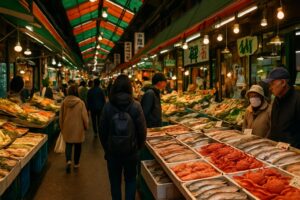
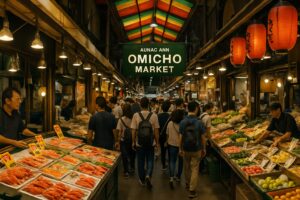
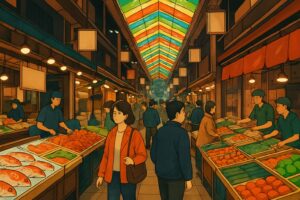
After immersing yourself in the artistry of Kutani ware, continue your sensory journey through Ishikawa by exploring the vibrant flavors at Omicho Market, Kanazawa’s legendary kitchen.
So, What’s the Hype with Kutani-yaki?
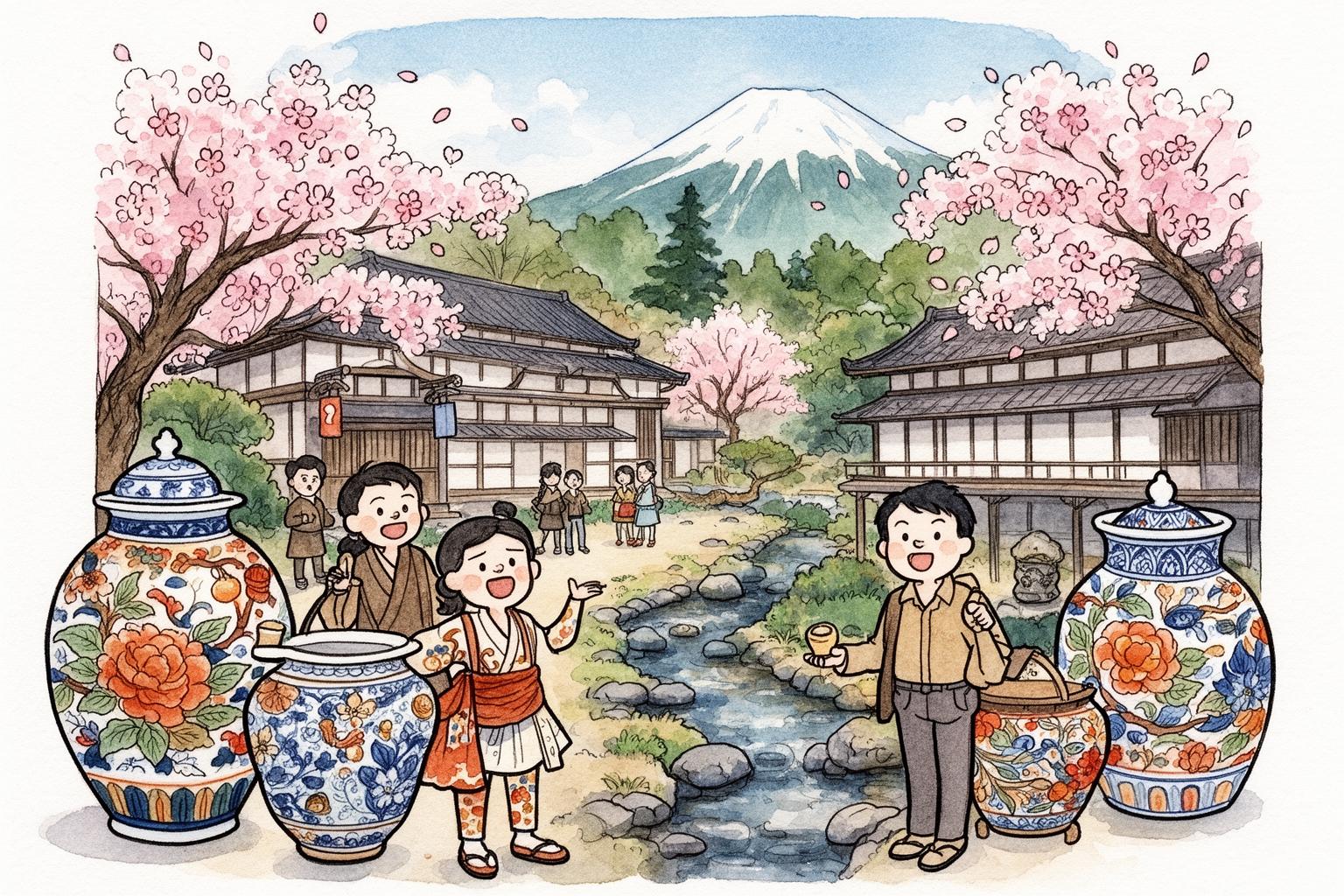
Before you pick up your paintbrush, let’s dive into the lore, because the story behind Kutani ware is truly dramatic. It’s more than just pottery; it’s a saga of art, mystery, and revival that makes each piece feel extremely special. The journey of Kutani-yaki is a whirlwind of creative brilliance and historical twists, beginning way back in the 17th century. The original period, called Ko-Kutani or ‘Old Kutani,’ dates to the early Edo period around 1655, when the powerful Maeda clan, rulers of the Kaga Domain, discovered porcelain stone in Kutani village. As supporters of the arts, they thought, “Let’s create something extraordinary.” They sent artisans to Arita, the birthplace of Japanese porcelain, to master the craft. What returned was a bold, unique style that outshone all others. Ko-Kutani features strong, dynamic designs and deep, rich overglaze enamels—thick, confident brushstrokes and patterns that energize the entire surface. But here’s the twist: after about 50 years, production suddenly stopped. Poof. Disappeared. To this day, no one knows exactly why. Financial troubles? Material shortages? Political issues? It remains one of Japan’s great art mysteries, and this enigmatic fade-out only heightens the legendary status of Ko-Kutani pieces, now priceless treasures.
Jump ahead about a century, and the craft experiences a major revival. This phase, known as Saikō-Kutani (‘Revived Kutani’), began in the 19th century, marking a fascinating chapter. It wasn’t a simple replication of the past; rather, it was a burst of creativity. Various kilns, backed by new patrons and wealthy merchants, developed their own distinctive aesthetics, leading to the diverse styles we appreciate today. This revival honored the Ko-Kutani spirit while pushing the art into new directions. This era truly shaped modern Kutani ware and secured its fame both in Japan and internationally, as pieces were exhibited at World’s Fairs in Europe, captivating audiences with their vivid, exotic beauty. Understanding this history—the shadow of Ko-Kutani and the lively rebirth of Saikō-Kutani—transforms your pottery painting from a mere craft into a personal part of a rich artistic legacy. You’re not just painting a plate; you’re contributing a small chapter to an epic tale.
The Secret Ingredient: Kutani Gosai (The Five Colors)
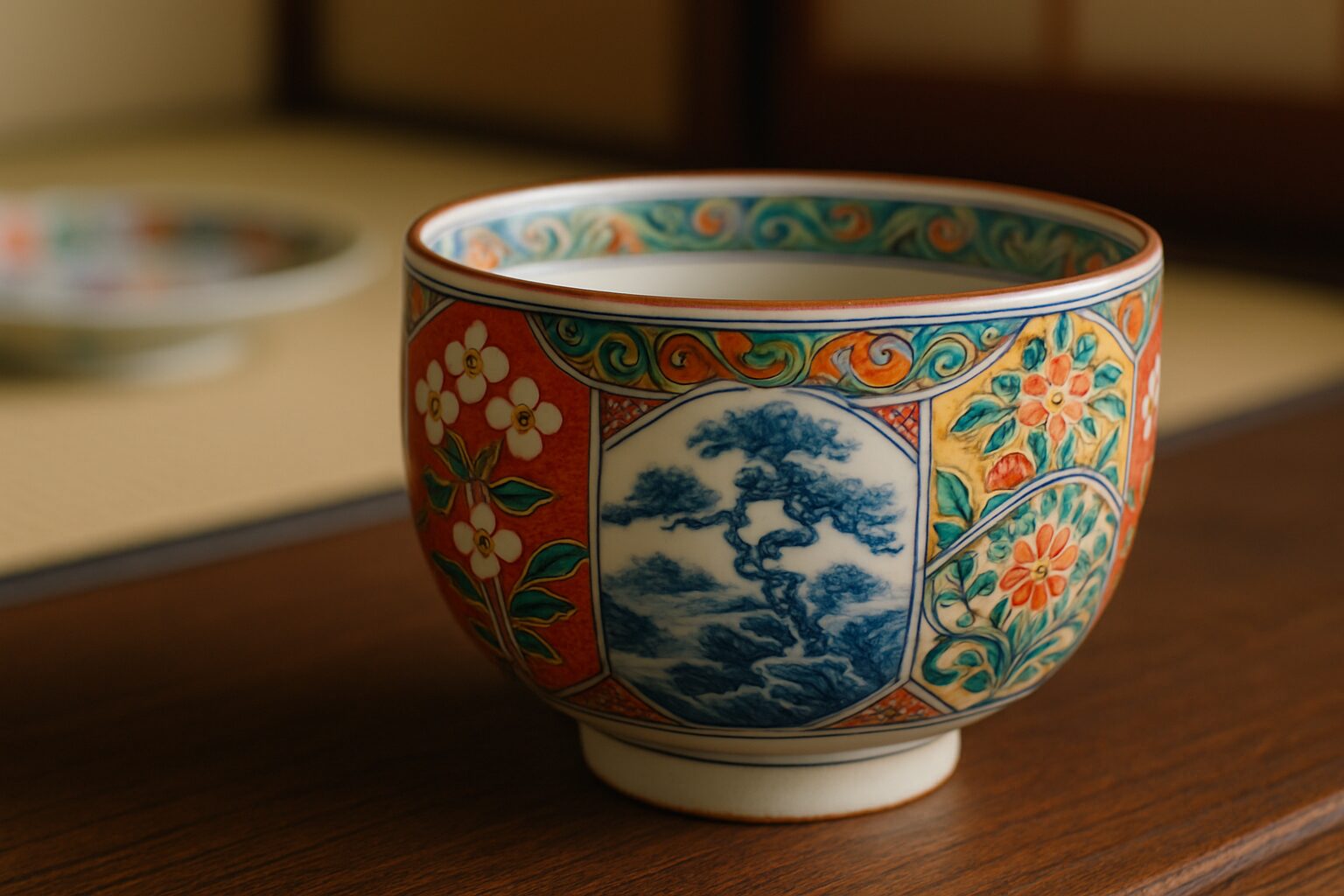
At the core of Kutani ware—the feature that makes it instantly recognizable—is the Kutani Gosai, the five signature colors. These aren’t just any colors; they are a specific palette of overglaze enamels that create a look of striking depth and brilliance. The five colors are midori (green), ki (yellow), murasaki (purple), ai (dark blue, sometimes called Prussian blue), and aka (red). Their magic lies in their thick, glassy quality. When fired, the colors don’t simply sit on the surface; they transform into a rich, jewel-like glass layer. The green is a deep, lush shade, evoking the forests around Kaga. Yellow comes as a warm, earthy ochre. Purple is a royal, elegant aubergine. Dark blue is an intense, inky shade that provides striking contrast. Lastly, red, used for fine details and outlines, is a vibrant persimmon hue that adds fiery energy. Kutani artisans’ genius is in how they harmonize these five colors to create bold yet balanced compositions. They paint with such confidence that these vivid colors command attention without clashing. In the workshop, these pigments will look like dull, dark pastes. It is the kiln’s alchemy—the transformative fire—that unlocks their brilliance, turning your muted artwork into a glossy, vibrant masterpiece. This magical metamorphosis is the heart of the Kutani experience.
A World of Styles: Discovering Your Favorite
During the revival, several iconic styles took shape, each with its own character. Knowing them deepens appreciation for the broad range of Kutani ware and may inspire your own design. It’s like music genres: they share roots but have their own unique beat.
Mokubei Style: Stories in Red
First is Mokubei style, created by the legendary Aoki Mokubei in the early 19th century. This style centers on storytelling, featuring a red base paint (aka-e) covering the whole piece, with delicate figures of Chinese sages, scholars, and natural scenes painted atop. It has a literary, scholarly vibe. Fine black and gold details over the red lend a refined, classic look. A Mokubei piece feels like reading a page from an ancient manuscript full of wisdom and myth. It’s grand yet intimate, drawing you into a miniature world.
Yoshidaya Style: A Tapestry of Color
If Mokubei is classic literature, Yoshidaya style is a rich tapestry. Developed at the Yoshidaya kiln, it purposefully excludes red, focusing on the other four gosai colors: green, yellow, purple, and dark blue. Patterns cover the entire vessel with intricate, detailed designs—geometric shapes, tiny flowers, and birds densely packed, leaving almost no white space. The resulting effect is lush and luxurious, a visual feast you could admire for hours. It’s bold, busy, and utterly stunning.
Iidaya Style (Hachirode): The Art of Fine Lines
Next is Iidaya or Hachirode style, a showcase of precision and detail. It features incredibly fine, hair-thin red lines drawing detailed figures, often deities or mythical beasts. These intricate red designs are highlighted with delicate gold (kinrande) touches, adding a sacred glow. The skill involved is extraordinary, demanding control and patience. The finished work feels powerful yet ethereal, with fine red lines conveying subtle movement and gold lending divine splendor. This style invites close inspection to appreciate its microscopic beauty.
Eiraku Style: A Blaze of Gold and Red
The Eiraku style embodies pure luxury—the glam rock star of Kutani ware. Inspired by Kyoto’s kinrande (gold brocade), it features a brilliant red enamel base lavishly decorated with shimmering gold patterns. These typically include simple geometric shapes, flowers, or mythical creatures, but with highly intricate execution. The dazzling gold-on-red effect is meant to impress and dazzle. It feels festive and celebratory, a treasure for special occasions.
Shoza Style: The Ultimate Fusion
Finally, the Shoza style, which emerged in the late 19th century, is perhaps the most eclectic and popular style today. Think of it as a grand finale, blending all previous styles. Shoza pieces combine various techniques: a central panel might depict Iidaya-style detailed figures, framed by Yoshidaya-style geometric patterns, set against Western-influenced floral backgrounds. This style reflects the international spirit of the Meiji era, fusing Japanese tradition with foreign influences. It’s colorful, complex, and exemplifies Kutani’s artistic evolution—a testament to its adaptability and innovation, and the style most widely associated with Kutani ware today.
Kaga Onsen: More Than Just Pottery, It’s a Whole Mood
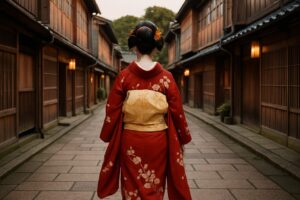
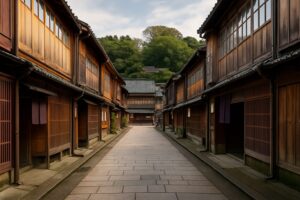
Kaga Onsen is not just a single town but a collection of four unique hot spring resorts—Yamashiro, Yamanaka, Awazu, and Katayamazu—each boasting its own distinct charm. The entire region is infused with a serene, artistic atmosphere, making it the perfect escape from the rush of modern life. It’s a place that invites you to slow down, breathe deeply, and appreciate the small details. As you wander through Yamashiro’s streets, you’ll hear the soft clack-clack of wooden geta sandals on stone pavement, with visitors clad in yukata (light cotton kimonos) moving between their ryokan and the public bathhouse, or soyu. The air is fresh, carrying faint hints of sulfur from the springs and the sweet aroma of red bean sweets from nearby shops. In Yamanaka, the trail along Kakusenkei Gorge feels like a world apart—a shaded haven where the river rushes over mossy rocks and sunlight filters through a canopy of maple leaves. This deep bond with nature has long inspired the area’s generations of artists.
The whole region resembles a living museum of craftsmanship, extending far beyond just Kutani ware. Yamanaka, for instance, is renowned for its exquisite lacquerware (Yamanaka shikki), noted for its delicate lathe-turned woodworking. You can visit workshops to watch artisans who have devoted their lives to honing their skills, their hands moving with a captivating, practiced precision. This culture of monozukuri, or ‘making things,’ is the heart of Kaga. Here, creativity is not merely a pastime but a respected, integral part of the community’s identity. This reverence is felt everywhere—from the artfully presented multi-course kaiseki meals at your ryokan to the graceful design of local teacups. It’s this deep-rooted artistic spirit that makes hands-on activities like pottery painting feel so natural and perfectly aligned with the essence of the place.
Kaga Through the Seasons
To fully appreciate Kaga, you must consider the changing seasons, each transforming the landscape and offering its own special delights.
Spring (March – May): Springtime is pure enchantment. Cherry blossoms burst into soft pink clouds, especially along the Yamanaka Onsen riverbanks. The mild weather is ideal for leisurely strolls. It’s a season of renewal, with fresh green landscapes brimming with life and promise—perfect for long walks and soaking in the scenery that has inspired countless Kutani artists.
Summer (June – August): Summer is lush and vibrant. The forest greens deepen, cicadas fill the air with their song, and life adopts a more leisurely pace. Though the heat and humidity can be intense, this is exactly what the onsen are for! A hot soak followed by a cool evening walk in a yukata offers ultimate summer relaxation. You can also enjoy kawadoko dining, where platforms are built over the river, allowing you to eat while cool water flows beneath—a refreshing and uniquely delightful experience.
Autumn (September – November): Arguably the most breathtaking season in Kaga, autumn sets Kakusenkei Gorge and Natadera Temple ablaze with fiery maple hues of red, orange, and gold. The crisp, cool air invigorates the senses, and the onsen becomes even more inviting. This is harvest time, with local cuisine at its finest, highlighting new-crop rice, mushrooms, and flavorful autumn vegetables.
Winter (December – February): Winter transforms Kaga into a tranquil, snow-covered wonderland. The landscape takes on the appearance of a monochrome ink painting, where silence reigns supreme. This season is perfect for onsen enthusiasts, as nothing compares to soaking in a steaming outdoor bath (rotenburo) while snowflakes fall gently around you. Winter is also prime season for seafood from the nearby Sea of Japan, especially the prized snow crab (zuwaigani). Ending your day with a crab feast at your ryokan after a long, hot bath is an experience of sheer bliss.
The Main Event: My Kutani Ware Painting Sesh
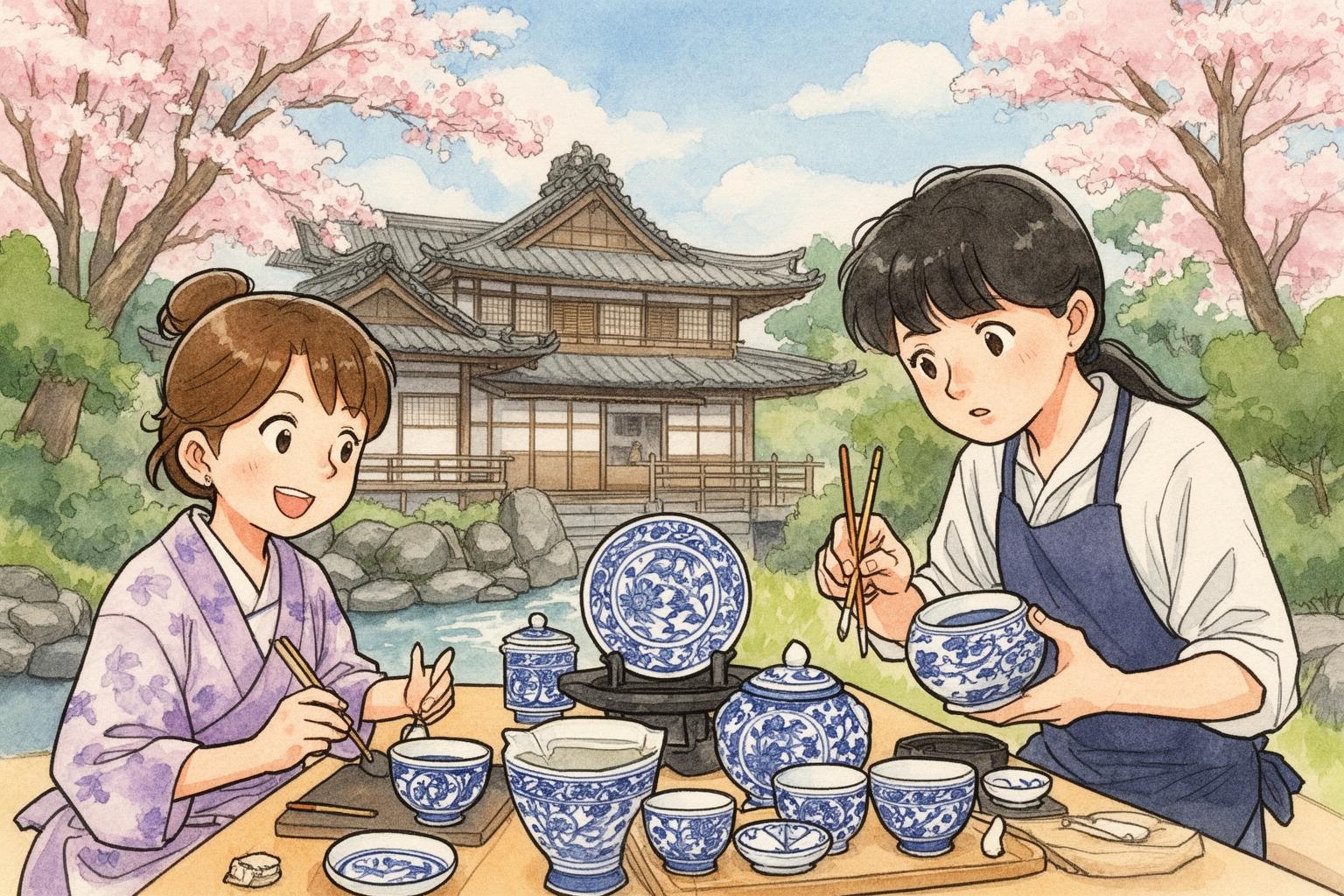
Alright, let’s get to the best part: the actual pottery painting experience. I was really excited for this. There are plenty of places to try it in Kaga, from well-known spots like the Kutani-yaki Kiln Museum to charming, family-run studios tucked away on quiet side streets. I opted for a smaller workshop in the Kutani Tōgei Mura (Ceramic Art Village), hoping for a more intimate atmosphere. I wasn’t disappointed.
The moment I slid open the door, I was greeted by that incredible studio scent—a blend of damp earth, minerals, and a faint hint of ink. Shelves were packed with finished pieces, a dazzling array of Kutani-yaki in every shape and style. It was both inspiring and a bit intimidating. The sensei, a kind older woman with paint-splattered hands and a warm smile, welcomed me warmly and instantly made me feel comfortable.
First, I had to pick my canvas. They offered a large variety of unglazed, pre-fired pottery, called bisque. There were plates of every size, rice bowls, mugs, sake cups, and adorable figurines like cats and owls. I spent a solid ten minutes just handling them, feeling their smooth, slightly porous texture. The bisque is a blank slate, full of possibility. I eventually chose a medium-sized plate—classic, with enough space to get creative without feeling overwhelming.
Next were the tools. I received a palette, several traditional bamboo-handled brushes with fine tips, and the legendary goshu pigments. The sensei explained that the colors in the little pots wouldn’t be the final hues. The purple appeared as muddy black, the green as dull grey, and the yellow as a faint brown. She showed me a chart comparing the ‘before’ and ‘after’ colors, and the transformation was astonishing. This is where trust in the process and centuries of craft knowledge is essential. She told me the pigments come from ground minerals, and their true colors only emerge after reacting to the intense kiln heat.
Then came the trickiest part: deciding what to paint. My mind went blank. Should I try a traditional design with plum blossoms and a nightingale? Or something more modern? Sensing my hesitation, the sensei chuckled and said, “Just paint something that makes you happy.” Perfect advice. I chose a simple design of stylized ginkgo leaves, inspired by a beautiful tree I had seen during my morning walk. I lightly sketched the outlines with a special pencil that would burn away in the kiln.
Putting brush to bisque was an experience. The surface is extremely absorbent, so the moment the brush touched it, the pigment was immediately soaked in. There was no blending or erasing; every stroke was permanent. It forced me to be deliberate and mindful. I started with dark blue for the leaf stems, then filled them in with the drab brownish-yellow. The sensei was a wonderful coach, offering tips on how to load the brush and apply the paint for either flat, even color or a textured effect. She shared stories about her apprenticeship and the meanings behind certain traditional motifs. It felt less like a class and more like a conversation, a sharing of passion. I carefully filled in my design, losing all track of time. The world outside the studio faded away, leaving only me, the plate, and the quiet rhythm of my breathing.
After about an hour and a half, I finished. I looked at my plate. The lines were a bit wobbly, and the colors were muted and, frankly, kind of ugly. It looked like a child’s art project. This is the ‘before’ moment, one of pure faith. I handed it to the sensei, who smiled and promised to take good care of it.
Now came the waiting game. The studio takes the piece, applies a clear glaze over the painting, and fires it in a massive kiln at temperatures above 1,200 degrees Celsius (about 2,200 Fahrenheit). This process takes a few days and is where the magic happens. The heat melts the glaze into a protective glass layer and, more importantly, triggers chemical reactions that transform the dull pigments into the vibrant, jewel-toned Kutani Gosai. Since it takes time, they mail the finished piece to you. I filled out the international shipping form, said my goodbyes, and left the studio feeling a strange mix of excitement and anticipation.
About three weeks later, a package arrived from Japan. My heart raced as I opened it. And… wow. The transformation was incredible. The plate was glossy and brilliant. The wobbly lines I had criticized now looked charmingly handmade. The brownish-yellow had blossomed into a vibrant, sunny gold. The dark blue was deep and lustrous. It was my design, my handiwork, but it had undergone a complete glow-up in the kiln. It was stunning. Holding that plate, a solid, tangible memory of my afternoon in Kaga, was an amazing feeling. It wasn’t just a souvenir; it was a story, a collaboration between me and a 350-year-old tradition.
Practical Deets & Pro Tips: How to Slay Your Kaga Trip
Alright, so you’re ready to book your ticket—bet. Here’s the scoop on how to make your trip smooth and stress-free.
Getting There: The entrance to Kaga Onsen is Komatsu Airport (KMQ), which offers domestic flights from major Japanese cities. From there, it’s a short taxi or bus ride to your destination. If you’re traveling by train, the Hokuriku Shinkansen is your best bet, taking you from Tokyo to Kaga-Onsen Station in about 2.5 to 3 hours. From Kyoto or Osaka, you’ll want to take the Thunderbird Limited Express. Once you arrive at Kaga-Onsen Station, the CANBUS loop bus provides a super convenient connection to all the major onsen towns and tourist spots. It’s affordable, easy to use, and designed with travelers in mind.
Where to Try It: You’ve got options!
- Kutani-yaki Kiln Museum (九谷焼窯跡展示館): A perfect starting point where you can learn about the history, see rare Ko-Kutani pieces, and participate in a workshop. It’s a well-rounded experience.
- Kutani Tōgei Mura (九谷陶芸村 – Ceramic Art Village): This is a fantastic complex housing dozens of shops, artist galleries, and multiple studios offering workshops. You can explore, admire various artists’ works, and choose a studio that matches your style.
- Your Ryokan: Some of the larger traditional inns in Yamashiro or Yamanaka Onsen provide their own private Kutani painting experiences for guests. It’s a convenient and relaxed option if you prefer staying close to your lodging.
Booking & Costs: The painting experience itself is quite affordable, usually costing between ¥2,000 and ¥5,000 depending on the size and type of piece you pick. This fee generally includes all materials and firing. International shipping is extra, typically a few thousand yen. It’s wise to book your workshop ahead of time, especially on weekends or during holiday seasons. Most places have websites or can be booked via the local tourist information center.
First-Timer Advice:
- Chill Out, Picasso: Don’t worry about making a masterpiece—the point is to enjoy yourself and connect with the craft. Simple patterns, polka dots, or even your name can look stunning after firing. The vibrant colors do most of the work.
- Dress for the Mess: Although aprons are provided, it’s smart to wear clothes you wouldn’t mind getting a little paint on.
- Trust the Sensei: Follow their advice! They know how the colors will change and can offer tips to make your piece look much better after firing. If they say a color will darken, trust them.
- Snap a ‘Before’ Pic: Take a photo of your un-fired piece. It makes the final reveal even more exciting when you compare the two.
Beyond the Kiln: What Else is Poppin’ in Kaga Onsen?
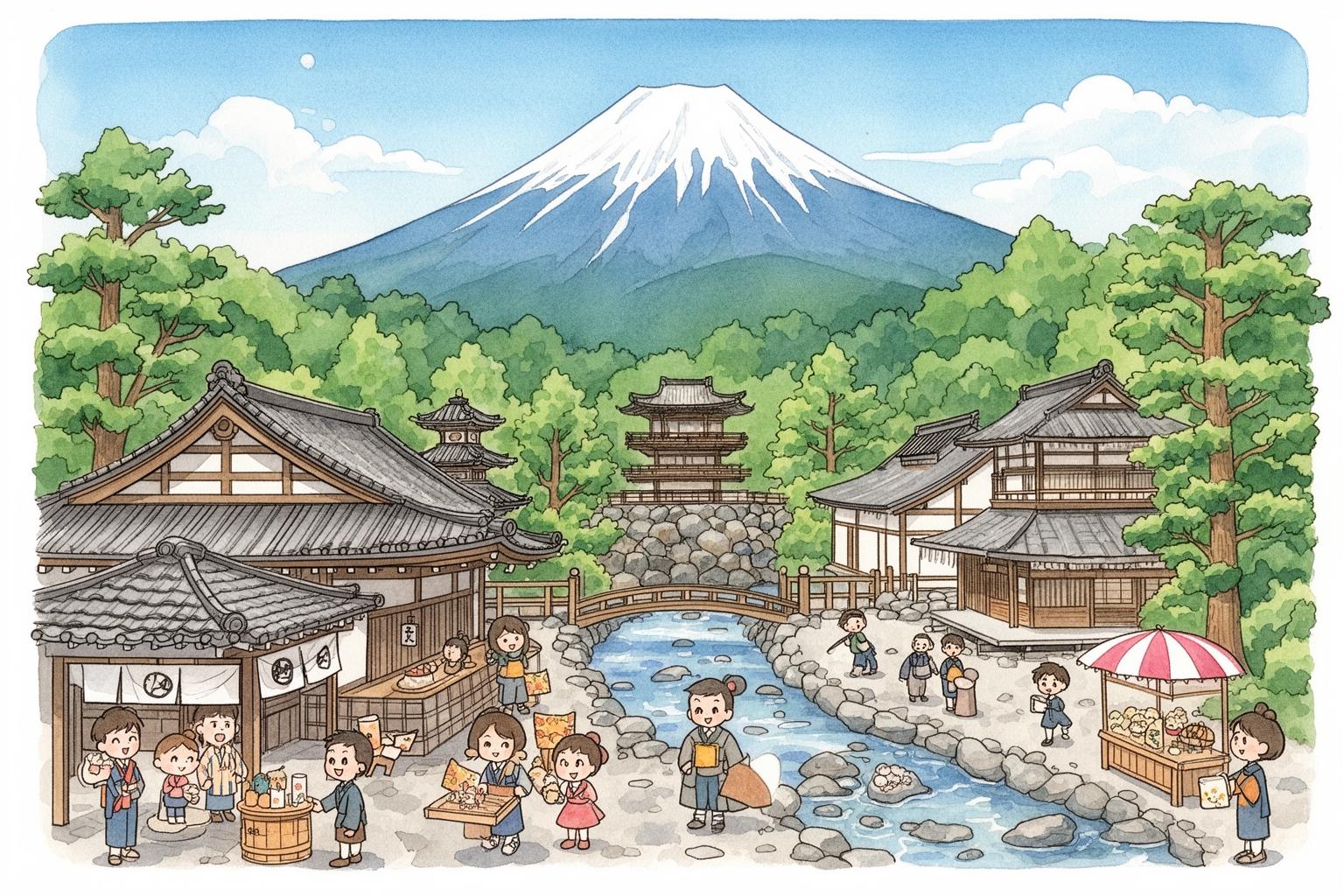
You won’t be spending your entire trip in a studio, so here are some other essential activities to complete your Kaga adventure.
Onsen Hopping is a Must: After all, this is Kaga Onsen. Every main town has a public bathhouse, or soyu, which serves as the community’s heart. In Yamashiro, the Ko-soyu is a beautifully reconstructed Meiji-era bathhouse. Yamanaka’s Kiku-no-Yu is well-known. Bathing in these mineral-rich waters is the ideal way to start your day or relax after a long stroll. Many ryokans also offer stunning private and public baths, including some with incredible outdoor rotenburo.
Reconnect with Nature at Kakusenkei Gorge: This is a must, especially if you’re staying in Yamanaka Onsen. A 1.3-kilometer walking trail meanders along the Daishoji River, passing remarkable rock formations, lush greenery, and several charming bridges, including a distinctive S-shaped cypress bridge. During warmer months, you can rest at the kawadoko teahouse, sitting on platforms above the river while enjoying green tea and sweets. It’s pure zen.
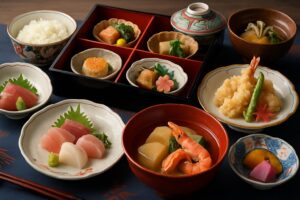
Elevate Your Culinary Experience: Ishikawa Prefecture is a food lover’s paradise. Be sure to sample dishes featuring Kaga Yasai, a group of 15 unique, heritage vegetables grown locally, known for their rich flavors. Thanks to its coastal location, the seafood here is exceptional. In winter, snow crab is a must-try delicacy, often showcased as the highlight of a kaiseki meal. And naturally, the pristine mountain water produces excellent local sake. Visit a brewery for a tasting and discover your new favorite brew.
Visit Natadera Temple: This ancient Buddhist temple complex is truly breathtaking. Built into a cliffside, it includes prayer halls, pagodas, and exquisite gardens. The grounds are famous for their uniquely shaped rocks and caves that visitors can explore. The temple is especially renowned for its autumn foliage, when vibrant reds and golds transform the area into a stunning tapestry. It’s a deeply spiritual place that feels worlds apart from everyday life.
Your Own Piece of Japan
Leaving Kaga Onsen, I experienced a rare sense of peace and connection amidst my travels. Crafting my own piece of Kutani ware became the cornerstone of my journey. It was more than just an activity; it was a lesson in history, chemistry, and the art of trusting a process you don’t completely understand. It taught me to slow down and concentrate on a single, creative act.
Now, each morning when I use my small ginkgo-leaf plate for toast, I’m not merely seeing a souvenir. I’m holding a memory. I recall the scent of the studio, the patient guidance of the sensei, the feel of the brush in my hand, and the quiet artistic spirit of Kaga. It’s a daily reminder that the best travel souvenirs aren’t bought, but made—carrying a part of your own story within them.
So if you want a Japan trip that goes deeper than the surface, that allows you to get hands-on and connect with the culture in a meaningful way, add Kaga Onsen to your list. Immerse yourself in the healing waters, stroll through ancient forests, and settle at that wooden table. Pick up a brush, select your colors, and paint your own story. It’s an experience, a feeling, and a memory that will stay with you long after you return home—your very own piece of Japan, fired and glazed for eternity.