Yo, what’s good, world travelers! Yuki here, your go-to guide for navigating the absolute gems of Japan. Forget what you’ve seen in flashy travel vlogs for a sec. We’re about to dive deep, like, soul-deep, into a place that’s the literal heartbeat of Japan’s spiritual culture. I’m talking about Ise Grand Shrine, or as we call it, Ise Jingu. This isn’t just another pretty shrine with a cool gate. Nah, this is the main event, the spiritual MVP of the entire country, a place so sacred and foundational to the Japanese identity that it exists on a completely different plane. It’s been the ultimate destination for pilgrims for over a thousand years, from emperors to everyday folks, all seeking a connection to something pure, ancient, and powerful. Located in the lush, green embrace of Mie Prefecture, Ise Jingu is more than a destination; it’s a journey back to the very roots of Shinto, Japan’s indigenous faith. It’s a place that teaches you to listen—to the rustle of ancient trees, the flow of a sacred river, and the quiet rhythm of a tradition that has been kept alive for two millennia. It’s a full-on sensory and spiritual reset. Before we get into the nitty-gritty of why this place will basically change your life, let’s get you grounded. Peep the map below to see where this legendary spot is holding it down.
After experiencing the spiritual reset of Ise Jingu, you can continue your journey through Mie Prefecture by diving into the region’s legendary Ise-Shima seafood.
The Two-Part Harmony: Naiku and Geku
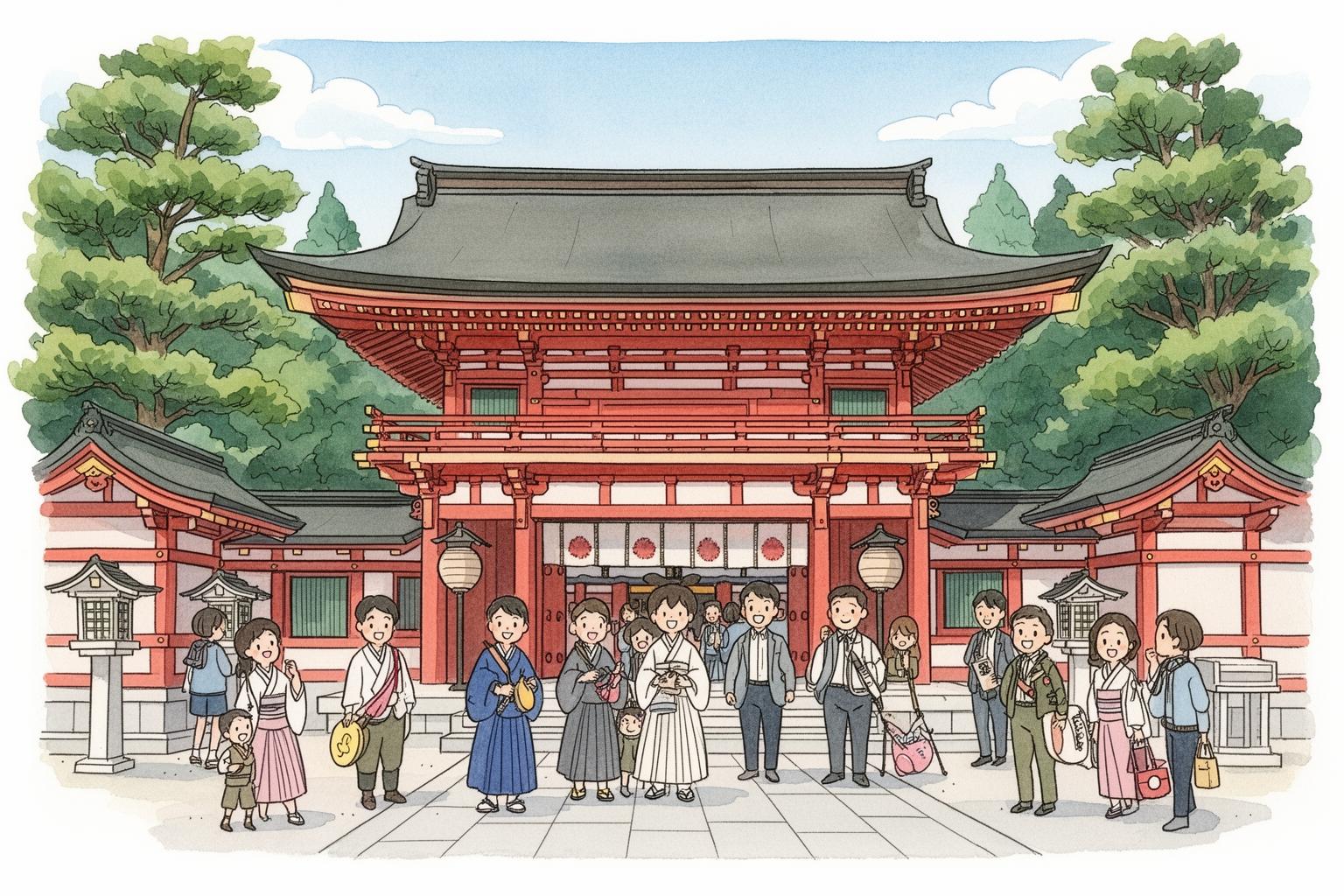
First, an essential piece of information: Ise Jingu isn’t just a single shrine. It’s an extensive complex comprising 125 shrines, centered around two major sites: the Naiku (Inner Shrine) and the Geku (Outer Shrine). Consider them the two lead singers in a legendary band—distinct yet perfectly harmonious. The correct and respectful way to undertake the pilgrimage is to visit Geku first, then Naiku. This guideline is not arbitrary; it’s a tradition rooted in centuries of history and reverence. It involves setting the right intention and preparing your spirit before approaching Japan’s most sacred space. So, don’t just head straight to the main attraction. Here, the journey itself is the true destination. Every step, every breath of forest air, is part of the experience. Geku, dedicated to Toyouke-Omikami, the goddess of food, shelter, and industry, is where you give thanks for the physical and material blessings that sustain life. Afterwards, you move on to Naiku, the home of the sun goddess Amaterasu-Omikami, the ancestral deity of the Imperial Family and the supreme kami of the Shinto pantheon, to express gratitude on a higher, spiritual level. This progression from the physical to the divine weaves a beautiful narrative that shapes your entire visit.
Beginning the Journey at Geku, the Outer Shrine
Your spiritual preparation starts at Geku. Situated in the heart of Ise City, it’s more accessible yet carries an atmosphere that is deeply serene and grounding. As you approach, you’ll pass beneath the first towering torii gate, a simple but powerful structure that marks your entry into sacred territory. The air shifts immediately. The urban sounds fade, replaced by the crunch of gravel underfoot and the gentle rustling of wind through towering camphor trees. The path to the main sanctuary is a gentle stroll, meant to calm your mind. Along the way, you’ll encounter the ‘temizuya,’ a purification basin where you perform a ritual cleansing of your hands and mouth. This act is not just about cleanliness; it symbolically washes away the impurities of the outside world before you present yourself to the kami. The water is cool and clear, a refreshing shock that anchors you in the present moment.
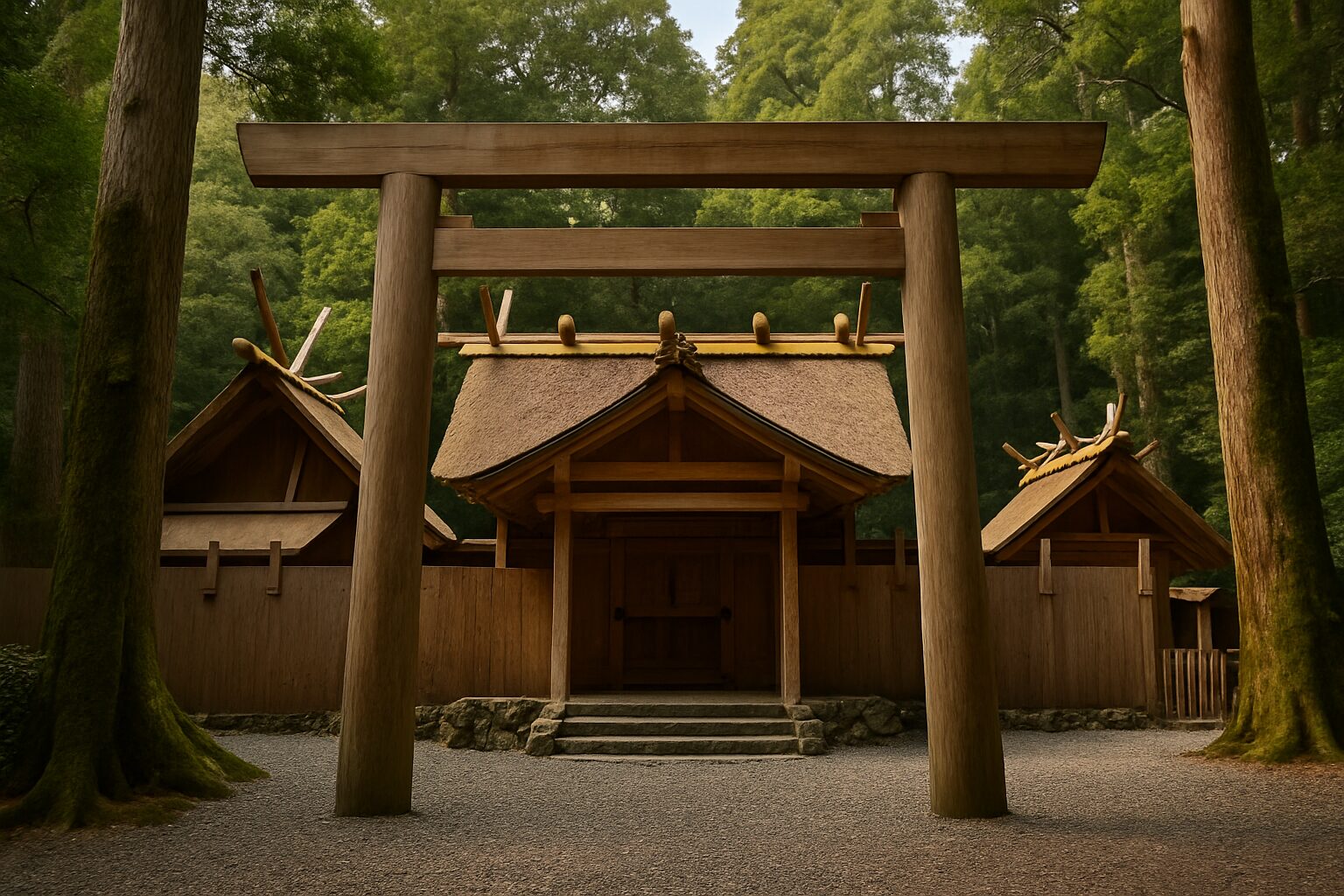
The main sanctuary at Geku, like its counterpart at Naiku, is not designed for display. It is concealed behind multiple fences, allowing only fleeting glimpses of the simple thatched-roof structure. This architectural style, known as Yuiitsu-shinmei-zukuri, is ancient—predating Buddhism and its more ornate stylistic influences on Japanese architecture. It emphasizes natural materials, clean lines, and a deep connection with the surrounding forest. There are no bright colors or intricate carvings here. Its beauty lies in its profound simplicity and flawless harmony with nature. Standing before the gate, you offer your prayers—a moment of quiet reflection and gratitude for life’s necessities. Toyouke-Omikami was invited to Ise to provide sacred food offerings for Amaterasu, and this spirit of service and provision is the energy you encounter at Geku. It powerfully reminds you to appreciate the basics—a full stomach, shelter, and meaningful work. Before leaving Geku, take time to stroll around the grounds. There are other smaller shrines, a picturesque pond with carp, and the Sengukan museum, which provides fascinating insight into the Shikinen Sengu rebuilding ceremony—a topic we’ll explore later because it’s absolutely astonishing.
The Main Event: Naiku, Home of the Sun Goddess
After paying your respects at Geku, it’s time to head towards Naiku, the Inner Shrine, the spiritual heart of the complex. Reaching Naiku is part of the pilgrimage, typically involving a short bus ride through the town that drops you near the entrance. The instant you arrive, you realize you’re in a special place. The atmosphere is charged with a quiet, dignified energy. Naiku is dedicated to Amaterasu-Omikami, the sun goddess, and you can almost sense a warm, radiant presence permeating the entire area. Everything here feels on a grander scale—the trees taller, the river wider, and the historical significance deeper.
Crossing the Uji Bridge: A Passage to the Divine
Your journey into Naiku’s core starts at the Uji Bridge, no ordinary bridge but a magnificent 100-meter-long wooden structure built wholly from Japanese cypress (hinoki). It serves as a symbolic gateway between the secular world and the sacred realm of the gods. As you step onto its gently arched planks, it feels like leaving everyday concerns behind. Tradition dictates walking on the right side when entering and the left side when leaving. Towering at each end are massive torii gates framing the view and reinforcing the sense of transition. Pause in the middle to look down at the crystal-clear waters of the Isuzugawa River flowing beneath you. This river is vital to Naiku’s identity and purification rituals. The lush forest and distant mountains create a breathtaking scene. It’s an ideal photo moment, but more importantly, it offers a chance to breathe deeply and ready your heart and mind for what lies ahead. The bridge itself exemplifies traditional Japanese carpentry, rebuilt every 20 years during the Shikinen Sengu ceremony, symbolizing eternal renewal.
Purification by the Isuzugawa River
After crossing the Uji Bridge, the path descends to the banks of the Isuzugawa River, where the ‘mitarashi’—a stone-paved purification area—awaits. Before ‘temizuya’ fountains became widespread, pilgrims purified themselves here for centuries. Dipping your hands into the cool, flowing river water provides a grounding experience. The water is so clear that every pebble on the riverbed is visible. This act of purification is more than ritual; it connects you directly with Ise’s nature. You use the very water that flows through sacred forests and has cleansed countless pilgrims before you. It’s a powerful, tangible link to the place’s history and spirit. On warm days, the water’s coolness is refreshing; in winter’s crisp air, it serves as a bracing reminder of nature’s power. This simple moment by the river often stands out as one of the most memorable experiences of an Ise Jingu visit.
The Forest Sanctuary: A Walk Among Giants
The route from the river to the main sanctuary is a journey unto itself. A wide gravel path leads you through a forest of towering Japanese cedars, cypress, and camphor trees, some hundreds of years old, their immense trunks rising like pillars in a natural cathedral. Sunlight filters through the dense canopy, creating a shifting mosaic of light and shadow on the ground. The air is cool and fresh, rich with the scent of damp earth and wood. Only the crunch of your footsteps, bird songs, and rustling leaves punctuate the silence. It’s a deeply meditative walk. You feel wonderfully small, humbled by the age and grandeur of the forest. This embodies the essence of Shinto—the belief that the divine, or ‘kami,’ dwells in nature. At Ise Jingu, this concept is not just taught; it’s viscerally felt. The forest is not mere decoration for the shrine; it is the shrine—a living, breathing sanctuary carefully preserved for centuries. Take your time walking here. Don’t hurry. Let the profound peace of the forest wash over you. It is the ultimate spiritual decompression chamber.
Approaching the Shogu: The Heart of Ise
After traversing the forest, you ascend a short stone stairway to the top level, where the main sanctuary, the Shogu, stands. This is the most sacred site in all Japan, housing Amaterasu-Omikami along with the Sacred Mirror (Yata-no-Kagami), one of the three Imperial Regalia. As you draw near, you sense a palpable shift in energy—more focused and intense. Then you see it—or rather, you don’t. The main sanctuary is almost completely concealed behind four rows of wooden fences. Only brief glimpses of the thatched roof and the golden roof ornaments—the ‘chigi’ and ‘katsuogi’—are visible.
This deliberate concealment underscores that the holiest places are not tourist attractions to gawk at or photograph. They invite deep reverence, focusing on inner feeling rather than outward display. Beyond the first staircase, photography is strictly forbidden. Visitors are asked to put cameras away and simply be present. Standing before the final gate, you bow twice, clap twice, offer a silent prayer of gratitude, then bow once more. Your faith background doesn’t matter. In that profound, quiet moment, surrounded by ancient forest and the unseen divine presence, a sense of awe and connection is inevitable. The visible simplicity of the architecture—the unpainted hinoki wood, thick thatched roof—speaks volumes. It reflects a pure, unadorned Japanese aesthetic and spirituality, natural and timeless. This marks the climax of your pilgrimage, a moment of pure spiritual connection.
Shikinen Sengu: The Ultimate 20-Year Glow-Up
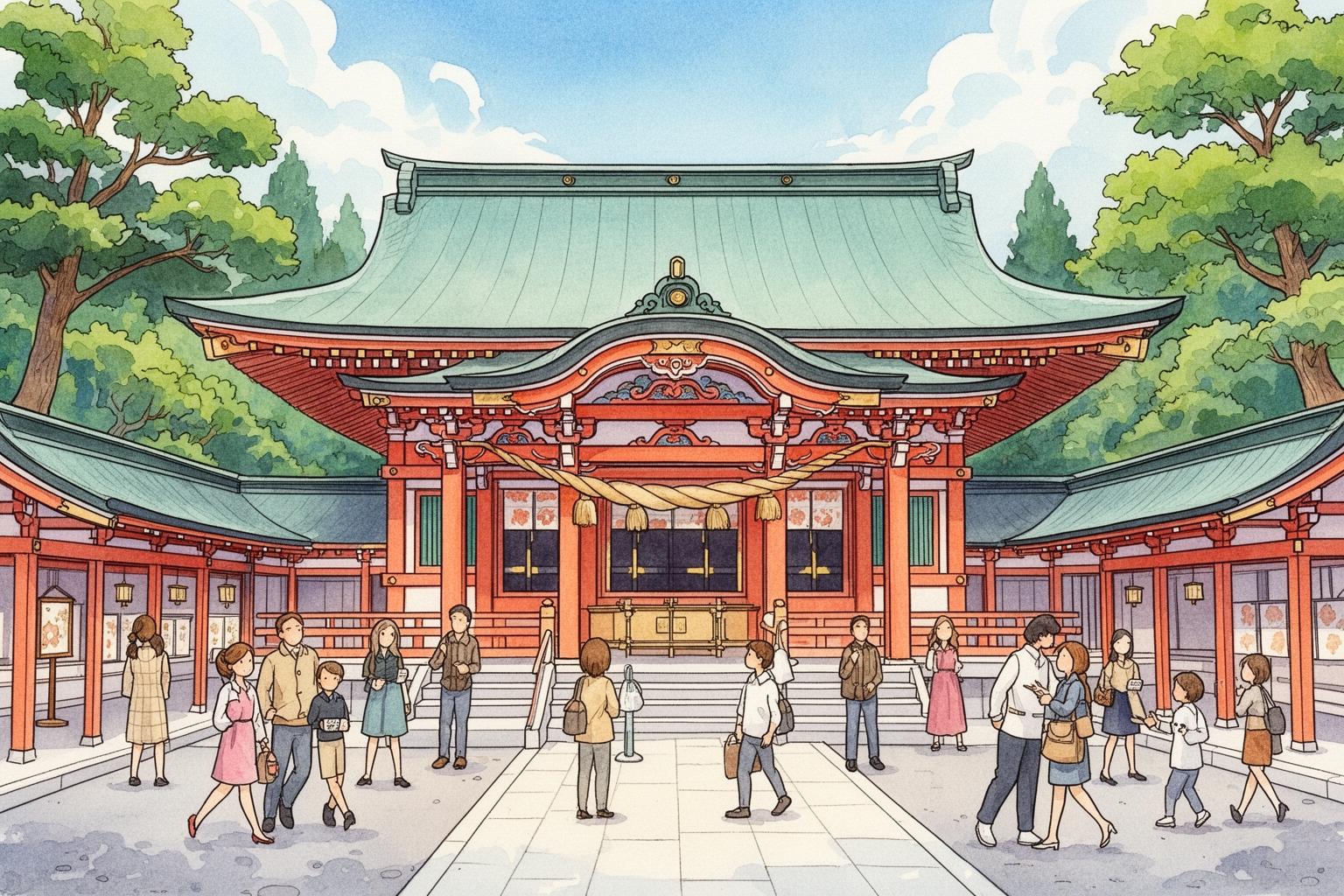
Let’s explore one of the most captivating and unique features of Ise Jingu, something that distinctly differentiates it from any other historical site worldwide: the ‘Shikinen Sengu.’ This is the ceremonial rebuilding of the shrine buildings, bridges, and torii gates entirely from scratch every 20 years. Yes, you read correctly. For the past 1,300 years, every two decades, the main shrine buildings and all related structures are completely dismantled and flawlessly reconstructed on an adjacent, identical plot of land. The most recent reconstruction was in 2013, with the next planned for 2033.
Why Rebuild a Perfectly Fine Shrine?
This tradition isn’t about repairing something broken. It carries profound symbolic and practical significance with multiple layers of meaning. Spiritually, it represents purification and renewal. Rebuilding ensures that the home of the kami remains pure, fresh, and vibrant with energy. It’s a way of renewing the power of both the deity and the shrine itself. Consider it as providing the goddess with a brand-new, immaculate home every generation. It also reflects Shinto beliefs about the cyclical nature of life, death, and rebirth, highlighting the impermanence of physical forms contrasted with the enduring spirit. From a practical standpoint, the Shikinen Sengu is an ingenious way to preserve ancient building techniques and craftsmanship. Having to rebuild the shrines every 20 years ensures that the intricate skills of carpentry, thatching, metalworking, and more are handed down through generations of artisans in an unbroken lineage. Without this ritual, these invaluable skills—using no nails and relying on complex joinery—would have vanished centuries ago. It keeps the culture and craft alive and vibrant, not merely preserved in written records.
The Monumental Scale of Renewal
The Shikinen Sengu is far from a quick construction project. It is a vast, multi-year endeavor encompassing more than 30 distinct rituals and ceremonies. The process starts years beforehand with the ceremonial felling of the first trees for the new shrine. Over 10,000 hinoki cypress trees are required, many sourced from the shrine’s own dedicated forests in the Kiso mountains. The timber is then solemnly transported to Ise in a series of processions. Thousands of artisans from across the country participate, each a master of their respective craft. When visiting Ise, you’ll notice two adjacent plots at the main sanctuary sites of both Naiku and Geku. One contains the current shrine building, while the other lies empty, covered with white stones, with a small wooden hut (‘oi-ya’) protecting the sacred central post where the new shrine will be erected. This empty plot, known as the ‘kodenchi,’ is far from vacant; it pulses with potential, awaiting its time to become home to the divine. This cycle of renewal is what makes Ise Jingu both eternally ancient and continually new. It is not a static relic of the past, but a living, dynamic sanctuary that regenerates itself—a concept that is profoundly beautiful and deeply Japanese.
The Pilgrim’s Reward: Oharai-machi and Okage-yokocho
After deeply immersing yourself in the spiritual atmosphere of the shrines, it’s time to explore another essential aspect of the pilgrimage tradition: the vibrant town that caters to the pilgrims. Just a short walk from the Uji Bridge at the entrance to Naiku, you’ll discover Oharai-machi, a beautifully preserved street that stretches nearly a kilometer along the Isuzugawa River. It feels as though you’ve stepped back into the Edo period.
Strolling Through Oharai-machi
This delightful street is lined with traditional wooden buildings housing restaurants, souvenir shops, tea houses, and craft stores. The atmosphere is lively yet welcoming, filled with the cheerful voices of visitors who have just completed their visit to Naiku. Having been the main approach to the shrine for centuries, the old merchant houses here still hold a sense of history. It’s the ideal spot to relax, stroll, and savor local specialties. The architecture is a visual treat, featuring lattice windows, tiled roofs, and wooden signs. Here, you can find a variety of treasures, from locally crafted goods and pearl jewelry (for which Mie Prefecture is famous) to charms and regional sake. The lively ambiance offers a striking contrast to the calm serenity of the shrine grounds, reminding visitors that the spiritual and the worldly have always coexisted in this place.
A Foodie Paradise: Okage-yokocho
Nestled in the heart of Oharai-machi is Okage-yokocho, a special district more than just a group of shops; it’s a lovingly recreated historical village, complete with a canal, traditional storehouses, and even a small theater. The name ‘Okage-yokocho,’ meaning ‘Thanksgiving Alley,’ was established in 1993 as an expression of gratitude for the blessings of Ise Jingu. This spot is a must-see, especially for food enthusiasts, offering a dense concentration of the finest local cuisine Ise-Shima has to offer.
Let’s talk about the food—you’ll want to try everything. The undisputed star of Ise snacks is Akafuku mochi. This is no ordinary mochi. Akafuku features incredibly soft, pounded rice cake topped with a generous layer of smooth, sweet red bean paste. The paste is shaped with three ridges to symbolize the flow of the Isuzugawa River. You can enjoy fresh Akafuku with a cup of bitter green tea while sitting in their historic teahouse overlooking the river—a quintessential Ise experience. Then there’s Ise Udon. Forget any udon you’ve had before—the noodles are exceptionally thick and tender, almost pillow-like, and served with little to no broth. Instead, they’re coated in a rich, dark, slightly sweet soy-based sauce. It’s a straightforward, comforting, and utterly delicious dish that has nourished pilgrims for centuries. You must also try ‘tekone-zushi,’ a local sushi style consisting of marinated raw bonito or tuna slices served over vinegared rice. It’s fresh, tangy, and packed with flavor. For those who appreciate a good drink, the Ise Kadoya Microbrewery offers award-winning craft beers. From grilled seafood skewers to Matsusaka beef skewers—one of Japan’s top three beef brands—Okage-yokocho is a culinary pilgrimage all on its own.
Your Game Plan: Practical Tips for a Flawless Visit
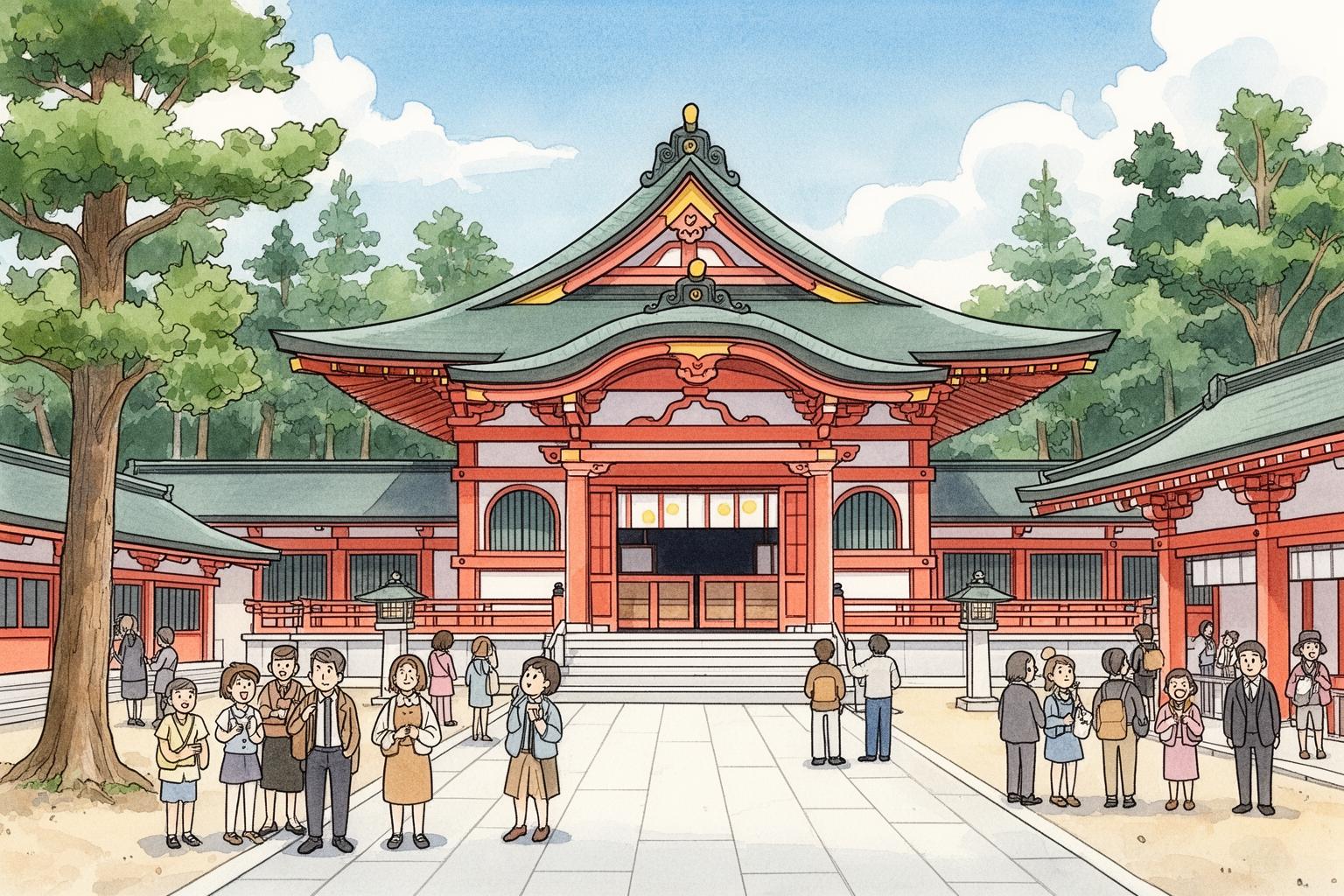
Alright, you’re excited and ready to begin. Let’s get you set up with the practical information to ensure your trip goes smoothly and without stress.
Getting to Ise
Ise City is well-connected by train, especially from major centers in central Japan. The easiest route is usually from Nagoya. You can take either the Kintetsu Railway limited express or a JR rapid train. The Kintetsu line is often a bit faster and more convenient, taking about 80-90 minutes. From Osaka or Kyoto, Kintetsu offers direct limited express trains that take roughly two hours. If you’re traveling from Tokyo, the best way is to take the Shinkansen (bullet train) to Nagoya and then transfer to a Kintetsu or JR train to Ise-shi Station or Ujiyamada Station. Both stations are centrally located and serve as excellent starting points for your pilgrimage.
Navigating Between the Shrines
Once you’re in Ise, moving around is quite simple. Geku is about a 10-minute walk from Ise-shi Station. Naiku is a little further away, approximately 5 kilometers from Geku. While you could walk the entire route for a full pilgrim experience, most visitors prefer to take the bus. The CAN Bus is a tourist-friendly loop service connecting the main train stations, Geku, Naiku, and other key sights. The buses run frequently and are easy to use. A day pass can be a cost-effective option if you plan to explore widely. The ride from Geku to Naiku takes around 15-20 minutes, dropping you right at the entrance to Oharai-machi.
When to Visit and What to Wear
Ise Jingu is beautiful in every season. Spring features cherry blossoms; summer brings lush, vibrant greenery; autumn paints the forests in warm hues; and winter can be calm and serene, sometimes dusted lightly with snow. The best time to visit, no matter the season, is early morning. Arriving at Naiku as it opens (usually around 5 AM) means you’ll almost have the place to yourself. The morning mist in the forest, golden sunlight filtering through the trees, and profound silence create a truly magical experience worth waking early for. Weekdays also tend to be less crowded than weekends or national holidays.
For what to wear, prioritize comfort and respect. You’ll be walking a lot on gravel paths, so comfortable shoes are essential. Although there’s no strict dress code like some temples in Southeast Asia, dressing respectfully is advisable. This is Japan’s holiest site, so very casual clothing like tank tops and short shorts may feel inappropriate. Smart casual attire is a safe choice. Layering is also wise since the forest can be cooler than the nearby town.
Shrine Etiquette: The Essentials
Don’t be intimidated by the rituals. What matters most is showing respect, and the Japanese people will appreciate any effort you make. Here’s a simple guide:
- The Torii Gate: Pause and give a slight bow before passing through a torii gate as a sign of respect when entering the sacred space. When leaving, do the same, turning to face the shrine for a final bow.
- The Path: The center of the path (‘seichu’) is reserved for the kami. Visitors should walk on either side.
- The Temizuya: At the purification basin, hold the ladle with your right hand and fill it with water. Pour water over your left hand to cleanse it. Switch hands and pour water over your right hand. Switch again, pour some water into your left hand, and use it to rinse your mouth. Spit the water quietly onto the ground beside the basin, not back into it. Finally, hold the ladle vertically to let the remaining water wash down the handle before returning it.
- Prayer: At the worship area, the usual practice is ‘ni-rei, ni-hakushu, ichi-rei’ (two bows, two claps, one bow). Toss a coin into the offering box if you wish, bow deeply twice, clap your hands twice (with the right hand slightly lower to show humility), silently offer your prayer, and finish with one deep bow.
- Photography: Please observe signage. Photography is strictly forbidden in the main sanctuary areas of both Naiku and Geku. Respect these rules and the privacy of those there to worship.
A Final Thought: The Feeling You Take Home
A trip to Ise Jingu is far more than simply ticking off a famous landmark from your list. It is an experience that influences you in quiet, subtle ways. You leave with more than mere photos and souvenirs. You depart with a feeling—a sense of peace, a connection to something ancient and enduring, and a renewed appreciation for the beauty of nature and the power of tradition. It’s a place that reminds you of the significance of gratitude, purity, and renewal—not only in a grand, 20-year cycle but in your everyday life. It offers a chance to step away from the noise and chaos of the modern world and find a moment of profound clarity. Whether you’re a spiritual seeker, history enthusiast, nature lover, or simply a curious traveler, Ise Jingu presents a gift. It provides a glimpse into the very soul of Japan. So, when planning your trip, come with an open heart and an open mind. Let the forest quiet your thoughts, let the river wash away your worries, and let the timeless spirit of Ise fill you. It’s a journey you will never forget. Peace out, and happy travels.