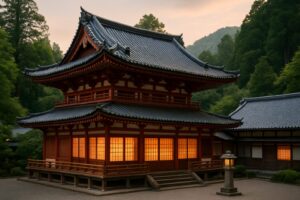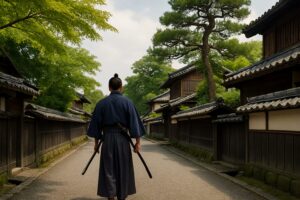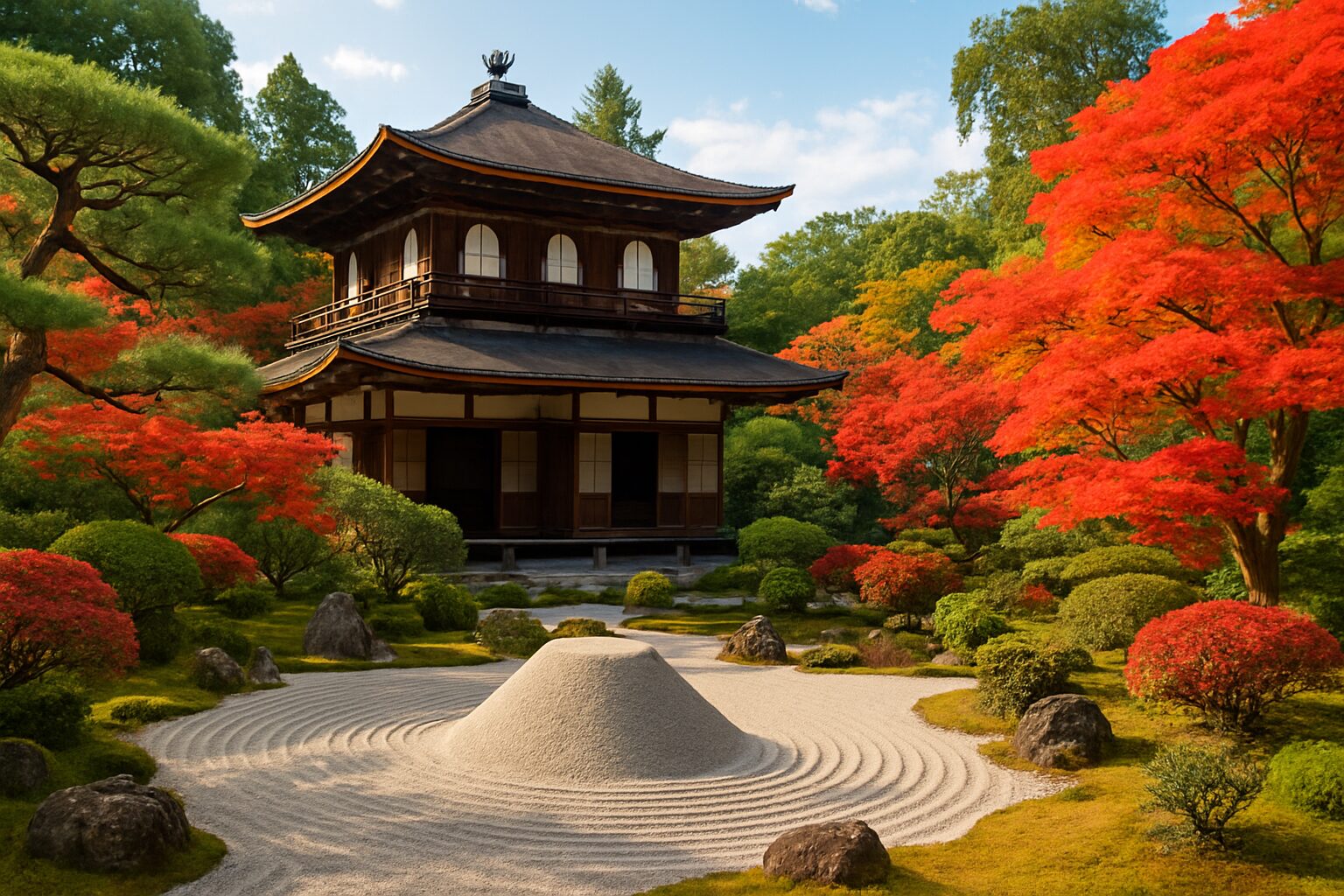
Yo, it’s Ami. When I’m not deep in the world of fashion lookbooks and textile sourcing, my happy place is getting lost in the timeless energy of a new city. And let me tell you, nothing hits different like the serene, almost otherworldly atmosphere of Japan’s traditional temples and gardens. Forget everything you think you know about old buildings. This isn’t just about history class dates and dusty artifacts. This is about stepping into a living, breathing piece of art—a space designed for centuries to make you slow down, breathe, and just be. It’s a full-on sensory experience, where the crunch of gravel under your feet, the scent of ancient wood and damp moss, and the sight of a perfectly pruned pine tree against a golden hall can literally reset your soul. It’s where Japan’s deep connection to nature, spirituality, and meticulous craftsmanship all converge in one aesthetically perfect picture. Whether you’re seeking that perfect zen moment for your feed, a quiet corner to escape the city hustle, or a genuine connection to a culture that values beauty in every detail, the world of Japanese temples and gardens is waiting. It’s a journey that’s both epic and intimate, and we’re about to unpack it all. So, grab your comfiest sneakers, open your mind, and let’s get into the heart of Japan’s spiritual landscape. It’s about to get seriously beautiful.
For a truly immersive experience that takes you beyond a simple visit, consider enhancing your journey by staying overnight in a traditional temple lodging.
The Vibe Check: What’s the Difference Between a Temple and a Shrine?
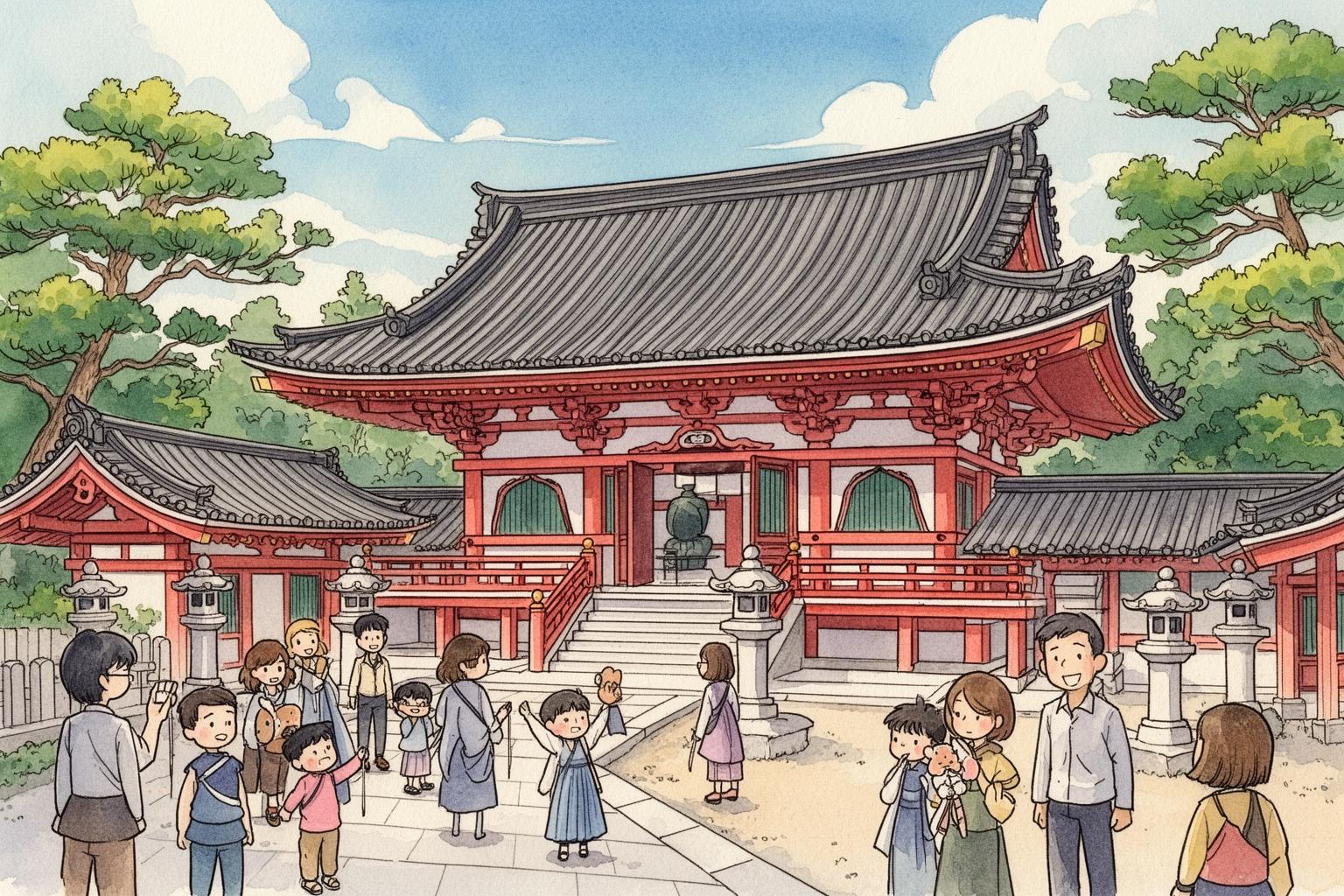
Alright, first things first: let’s unpack one of the most common questions for anyone visiting Japan for the first time. You’ll encounter stunning traditional structures everywhere, but what exactly distinguishes a temple from a shrine? Knowing the difference is a total game-changer because it reveals the full story behind what you’re seeing. The atmosphere is completely different, and understanding the details will make your experience infinitely richer. It’s like knowing the difference between a boutique and a department store—both sell clothes, but the experience and philosophy are completely distinct.
At its heart, this distinction comes down to two spiritual paths deeply embedded in Japanese culture: Buddhism and Shinto. These aren’t mutually exclusive here; many Japanese people blend elements of both into their daily lives. Think of them as two distinct, beautiful languages for interpreting the world.
Shrines, or jinja in Japanese, are dedicated to Shinto. Shinto is Japan’s indigenous religion, centered on the kami—divine spirits present in nature. A kami might reside in a majestic mountain, an ancient tree, a powerful waterfall, or even be an ancestor. This belief system is closely tied to the land, purity, and life’s natural rhythms. When you visit a shrine, you enter a space devoted to honoring these kami. The most recognizable feature of a shrine is its iconic torii gate at the entrance. Usually painted a bright vermilion or made from simple wood or stone, this gate marks the passage from the everyday world into the sacred realm of the kami. You’ll also often see zigzag-shaped paper streamers called shide and thick rice straw ropes called shimenawa, both symbols of holiness. Shrines tend to have a bright, lively atmosphere connected to community life. People visit shrines to pray for good fortune, success in exams, safe childbirth, or a happy marriage. It’s all about celebrating and seeking blessings in this life.
Temples, conversely, are called otera or ji and belong to Buddhism, which came to Japan from mainland Asia around the 6th century. Buddhism emphasizes the teachings of Buddha and the journey to enlightenment—breaking free from the cycle of rebirth. So, while Shinto is focused on living harmoniously with the kami in this world, Buddhism addresses the afterlife and profound philosophical questions. The architecture tells a different tale as well. Instead of a torii gate, a temple usually has a large, imposing gatehouse called a sanmon or niomon. These gates often feature fierce guardian statues known as the Niō kings, who protect against evil spirits. Inside, you’ll often find a pagoda (tō), a multi-storied tower originally meant to house sacred relics, along with a main hall (kondō or hondō) containing statues of Buddha and various bodhisattvas—enlightened beings who assist others on their spiritual journey. The atmosphere in a temple is typically more solemn, reflective, and peaceful. You’ll notice the sweet, earthy scent of incense (o-kō) burning, and the mood encourages quiet contemplation, honoring ancestors, and seeking inner calm.
In short: a shrine equals Shinto, kami, torii gates, and prayers for this life; a temple equals Buddhism, Buddha, pagodas, and meditation on the path to enlightenment. Once you understand this, the spiritual landscape of Japan will open to you in a whole new way.
Major Temple Hubs: Your Ultimate Japan Itinerary Goals
Alright, now that you’re familiar with the basics, let’s dive into some destinations. While stunning temples and shrines can be found throughout Japan, there are a handful of cities that stand out as the ultimate centers of spiritual and aesthetic beauty. These places will enrich both your camera roll and your soul. Consider them essential, can’t-miss stops on your cultural pilgrimage.
Kyoto: The Original Capital of Cool
If Japan has a cultural heart, it’s Kyoto. For over a thousand years, it served as the imperial capital, and that legacy is woven into the city’s fabric. Kyoto is packed with thousands of temples and shrines, ranging from world-famous landmarks to hidden neighborhood jewels. You could spend a lifetime exploring and still not see everything. The atmosphere perfectly blends ancient elegance with modern style.
Kinkaku-ji (The Golden Pavilion)
Let’s begin with the showstopper. Kinkaku-ji is sheer spectacle. This Zen Buddhist temple is renowned for its top two floors, which are entirely covered in gold leaf. The pavilion shimmering, reflected in the mirror-like pond, is one of Japan’s most iconic sights. Originally built as a retirement villa for the shogun Ashikaga Yoshimitsu, it was later converted into a temple. The design is incredible—each floor represents a different architectural style, from aristocratic palace to samurai house to traditional Zen hall. The surrounding garden is a landscape masterpiece designed for strolling. Pro tip: visit on a sunny day when the gold gleams against the blue sky or early in the morning before crowds arrive. It’s a place that proves sometimes more is indeed more, with a breathtaking effect. Strolling the path around the pond, the view shifts with every step, revealing new angles of golden perfection. It feels less like a place of quiet worship and more like a monument to power, aesthetics, and pure form beauty.
Kiyomizu-dera (The Pure Water Temple)
Perched on a mountain slope in Kyoto’s eastern hills, Kiyomizu-dera offers one of the city’s most famous vistas. Its main hall features a vast wooden stage that extends over the hillside, supported by hundreds of pillars and built without a single nail. The view of cherry or maple trees stretching towards the city below is legendary. The temple’s name comes from the Otowa Waterfall at the base of the hall, whose waters split into three streams. Visitors drink from them using long-handled cups, with each stream said to grant a different wish: longevity, academic success, or a fortunate love life. Note—drinking from all three is considered greedy! The walk up through the preserved streets of the Higashiyama District is part of the charm. Narrow lanes called Sannenzaka and Ninenzaka are lined with traditional wooden machiya houses now housing artisan shops, sweet vendors, and teahouses. The lively atmosphere feels like stepping back in time.
Ryōan-ji (The Temple of the Peaceful Dragon)
Following Kinkaku-ji’s golden extravagance, Ryōan-ji offers a complete shift in mood. This is the place for an ultimate lesson in minimalism and Zen philosophy. The temple’s dry landscape garden, or kare-sansui, is world-famous. It’s a simple rectangular plot of raked white gravel with fifteen rocks arranged in small groups—no trees, water, or flowers. The mystery lies in its design: from any viewpoint on the veranda, at least one rock is always hidden. This symbolizes the idea that the whole picture can never be seen at once, teaching acceptance of perceptual limits. Visitors sit on the wooden porch for hours, meditating and letting their minds wander. What do the rocks represent? Islands in a sea? A mother tiger with cubs? The beauty is there’s no single answer. The garden invites personal interpretation, encouraging viewers to find beauty in emptiness and meaning in simplicity. It’s intellectual chic at its finest and a must-see for anyone into design or mindfulness.
Nara: Where Sacred Deer Roam Free
Just a short train ride from Kyoto, Nara feels like another world. As Japan’s first permanent capital, predating Kyoto, it carries an ancient, almost mythical atmosphere. The highlight is Nara Park, a vast public space home to over a thousand freely roaming sika deer. In Shinto belief, deer are messengers of the gods, making Nara’s deer sacred and protected for centuries. They’re very friendly (especially if you have the special deer crackers, or shika senbei, sold by vendors) and will even bow to request treats. It’s a surreal and magical experience to be surrounded by these gentle creatures amid ancient temples.
Tōdai-ji (The Great Eastern Temple)
Prepare to feel dwarfed. Tōdai-ji is a monument to scale. Its main hall, the Daibutsuden (Great Buddha Hall), is the world’s largest wooden building. It had to be, as it houses one of Japan’s largest bronze Buddha statues, the Daibutsu. Nearly 15 meters tall, the seated figure inspires awe. The hall and statue demonstrate the immense power and resources of the 8th-century imperial court, built by Emperor Shomu to bring peace to the country. On approach, you pass through the massive Nandaimon Gate, guarded by two muscular Niō statues carved by master sculptor Unkei. Inside the hall is a pillar with a hole near its base, said to match the size of the Daibutsu’s nostril. Legend says squeezing through it grants enlightenment in the next life—a fun challenge especially for kids and flexible visitors!
Kamakura: Coastal Zen & Samurai Spirit
About an hour south of Tokyo, Kamakura offers a distinct vibe. This coastal city was Japan’s first military government seat in the 12th century, blending a relaxed beach town atmosphere with a serious samurai legacy. It’s an ideal day trip from Tokyo to trade skyscrapers for sea breezes and ancient Zen temples.
Kōtoku-in (The Great Buddha of Kamakura)
While Nara’s Great Buddha impresses for being indoors, Kamakura’s is famous for standing outside. This massive bronze statue of Amida Buddha sits peacefully in the open air, a calm and stoic presence amid the changing seasons. Originally housed in a temple hall, the building was destroyed by typhoons and a tsunami in the 15th century, but the statue endured. Its survival has made it a powerful symbol of resilience. You can pay a small fee to enter the hollow statue—a unique experience. Seeing the Great Buddha serene against the sky as his temple hall is deeply moving, offering a strong connection to nature and the surrounding world.
Hokoku-ji (The Bamboo Temple)
If you’ve seen photos of Kyoto’s famous Arashiyama Bamboo Grove but want to avoid the crowds, Hokoku-ji is a perfect alternative. This small Zen temple boasts a beautiful bamboo garden behind the main hall. Though smaller than Arashiyama, it’s usually much quieter, letting you truly soak in the magic of thousands of towering green stalks. Light filters softly through the dense canopy, creating a dappled, almost otherworldly ambiance, with only the rustling leaves sound. A small teahouse within the grove offers a chance to enjoy a bowl of matcha (powdered green tea) while you absorb the peaceful surroundings. It’s a low-key yet rewarding hidden gem.
Beyond the Basics: Understanding Temple & Garden Aesthetics
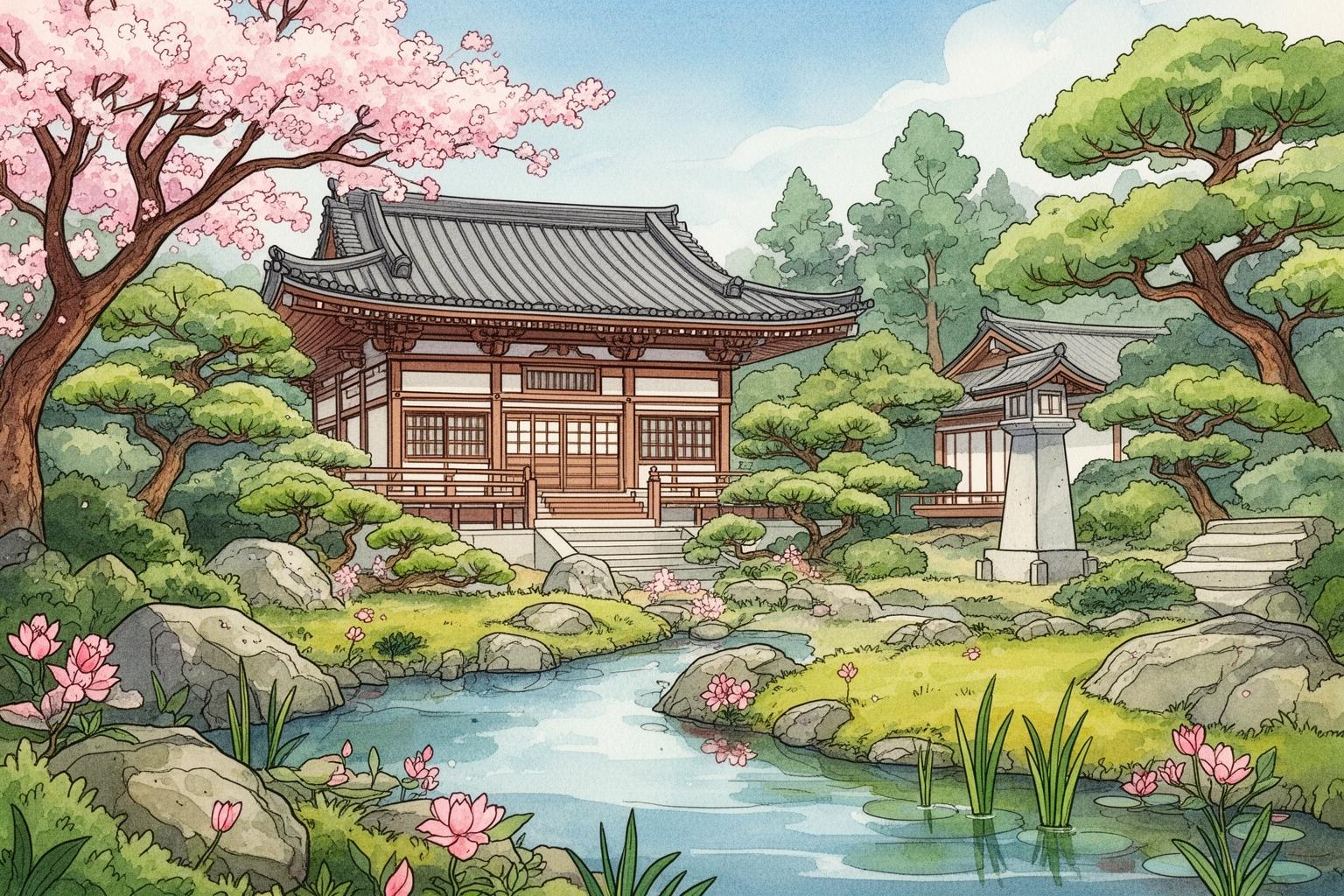
Alright, so you’ve seen the famous landmarks. But to genuinely deepen your appreciation, you need to grasp the language of design. Japanese temple and garden aesthetics are a profound exploration of philosophy, symbolism, and extraordinary craftsmanship. This is where my background in art and fashion really gets me excited. It’s like learning to notice the subtle details of a couture gown—once you see them, you can’t unsee them.
Temple Architecture 101
Japanese temple architecture is a masterclass in woodworking. The carpenters, known as miyadaiku, employed intricate joinery techniques that enabled the construction of massive wooden structures without nails, making them durable enough to endure centuries of earthquakes. The details matter immensely.
Pagodas (Tō)
These multi-tiered towers are among the most eye-catching elements of a temple complex. They’re not buildings you usually enter; instead, they function more like monumental sculptures. Originally inspired by the Indian stupa, they were built to house relics of the Buddha. The five stories often seen on Japanese pagodas carry deep symbolism, representing the five elements of Buddhist cosmology: earth, water, fire, wind, and void. The central pillar running through the structure acts like a spine, allowing the entire building to sway and absorb seismic shocks. It’s ancient architectural genius.
Main Halls (Kondō, Hondō)
This is the temple’s core, the sanctuary where the principal objects of worship are enshrined. Architectural styles vary greatly depending on the Buddhist sect and the period of construction. Notice the roofs—the elegant, sweeping curves are a hallmark. You’ll find intricate tile work and often elaborate carved wooden brackets under the eaves that serve both structural and decorative purposes. Inside, the atmosphere is typically dim and mysterious, lit by candles and the gleam of gold from the altar. The air is heavy with incense, and the space is designed to evoke humility and reverence.
Gates (Mon)
Never just walk through a temple gate without looking up. These are not mere entrances; they make powerful statements. The Sanmon (three gates) gate, common in Zen temples, symbolizes the three gates to enlightenment: emptiness, formlessness, and non-action. Passing through it marks the first step on a spiritual journey. The Niōmon gates, guarded by the fierce Niō kings, signify the boundary between the sacred and the profane. One statue, Agyō, has his mouth open, representing the first sound in the Sanskrit alphabet, “a,” symbolizing birth and overt power. The other, Ungyō, has his mouth closed, representing the last sound, “un,” symbolizing death and latent strength. Together, they encompass all things.
The Language of Japanese Gardens
Japanese gardens are not merely collections of beautiful plants. They are carefully crafted landscapes, often miniature, idealized versions of nature. Every element is placed with intense intention to evoke specific feelings or philosophical ideas. They are living artworks that change with the seasons.
Kare-sansui (Dry Landscape Gardens)
We touched on this with Ryōan-ji, but this style is an entire universe unto itself. These Zen rock gardens epitomize abstraction. Using only rocks, sand, and a bit of moss, they create whole worlds. The carefully raked white gravel represents water—the ripples of a vast ocean or a flowing river. The rocks become islands, mountains, or mythical creatures. The aim isn’t to mimic nature, but to capture its essence. These gardens aren’t meant for walking; they’re for viewing from a fixed vantage point, like a painting. They serve as tools for meditation, designed to calm the mind and invite contemplation. The act of raking the gravel is itself a form of active meditation for the monks.
Chaniwa (Tea Gardens)
If Zen gardens are for the mind, tea gardens are for the journey. These gardens serve as the entrance to a teahouse, where the traditional Japanese tea ceremony (chanoyu) occurs. The path through the garden, known as the roji or “dewy path,” is intended as a physical and spiritual cleansing. As you walk along the stepping stones, you leave the worries of the outside world behind. The design is intentionally rustic and natural, meant to appear unpretentious. Key features include a stone lantern (tōrō) to light the way and a stone water basin (tsukubai) set low to the ground. At the basin, guests purify themselves by rinsing their hands and mouth before entering the teahouse. Every step is part of the ritual.
Jōdo (Paradise Gardens)
This garden style was favored by the aristocracy during the Heian period, designed to represent the Pure Land, or paradise, of Amida Buddha. The layout usually centers around a large pond, often with an island in the middle connected by an arched bridge. A grand hall, symbolizing the Buddha’s palace, sits beside the pond. The most famous example is the Phoenix Hall at Byōdō-in temple in Uji (the temple depicted on the 10-yen coin). The entire scene is crafted as a beautiful, idyllic vision of the heaven that believers aspired to be reborn into.
Shakkei (Borrowed Scenery)
This is one of the most sophisticated and brilliant techniques in Japanese garden design. Shakkei involves incorporating the landscape beyond the garden’s borders—such as a distant mountain, forest, or even a nearby castle—into the garden’s composition. The garden’s hedges and trees are carefully trimmed to frame the distant view, making it appear as a seamless part of the garden itself. It’s a technique that dissolves the boundaries between the man-made and natural, making a small space feel vast and limitless. It’s the ultimate demonstration of a designer who knows how to work with, not against, their environment.
How to Vibe: Temple Etiquette for the Modern Traveler
Alright, so you’re ready to explore, but you want to do it respectfully. Temple and shrine etiquette isn’t about following a rigid set of rules designed to trip you up. It’s about honoring the sacred space and the people who worship there. Think of it as learning the local language of respect. Doing it right shows you’re a considerate traveler and allows you to engage with the experience on a much deeper level.
Approaching the Sacred Space
Your visit starts as soon as you see the main gate. At both a shrine’s torii and a temple’s sanmon, it’s customary to give a slight bow before passing through. This acknowledges that you’re entering a sacred area. While walking along the main path (sandō), try to keep to either side. The center is reserved for the deities, so it’s respectful for visitors to walk along the left or right.
The Purification Ritual (Temizuya)
Near the entrance of most temples and shrines, you’ll find a water pavilion called a temizuya or chōzuya. This is for ritual purification of your hands and mouth before approaching the main hall. It may seem complicated, but it’s a simple and beautiful practice. First, pick up the ladle (hishaku) with your right hand and fill it with fresh water. Pour water over your left hand to rinse it. Then switch the ladle to your clean left hand and rinse your right hand. Return the ladle to your right hand, pour some water into your cupped left hand, and use it to rinse your mouth. Avoid drinking directly from the ladle or spitting back into the basin—discreetly spit the water onto the ground beside the basin. Finally, rinse your left hand once more, then hold the ladle vertically, letting the remaining water flow down the handle to cleanse it for the next person. Place the ladle back where you found it. You are now symbolically purified and ready to pray.
Praying and Offerings
At the main hall, you’ll usually find a large offering box (saisen-bako). It’s customary to make a small offering, often a few coins. The 5-yen coin is considered lucky because its name in Japanese, go-en, sounds like the word for good fortune or fate. The exact amount isn’t important; it’s the intention that matters. After making your offering, the prayer ritual varies slightly. At a Buddhist temple, if there is a bell or gong, ring it to announce your presence to the deities, then press your palms together in a silent prayer (gasshō) and bow your head. Clapping is generally not done. At a Shinto shrine, the ritual is more defined: bow deeply twice, clap your hands twice, offer your silent prayer, then bow once more. This is known as the “two bows, two claps, one bow” method.
The Magic of Incense (O-kō)
Many temples have a large incense burner (jōkōro). You can purchase incense sticks for a small donation. Light them using the provided flame, let them burn briefly, then extinguish the flame by waving your hand—do not blow on it. Place the sticks upright in the sand of the burner along with the other burning incense sticks. The fragrant smoke is believed to have healing powers and purify the air. It’s common to see visitors wafting the smoke over themselves, directing it toward areas of the body that need healing or toward the head for wisdom.
Goshuin: The Best Souvenir
Forget keychains and magnets. The most beautiful and meaningful souvenir from a Japanese temple or shrine is a goshuin. This is a unique stamp and calligraphy combination that records your pilgrimage. You’ll need to purchase a special accordion-style notebook called a goshuin-chō, available at larger temples or stationery shops. At each temple or shrine you visit, you can bring your book to a designated office where a monk or priest will use large vermilion stamps and inscribe the temple’s name, date, and sometimes a prayer in elegant black ink calligraphy. Each one is a unique work of art. It’s a wonderful way to commemorate your journey and connect to a long-standing tradition of Japanese pilgrims.
A Year in the Temple Garden: Seasonal Glow-Ups
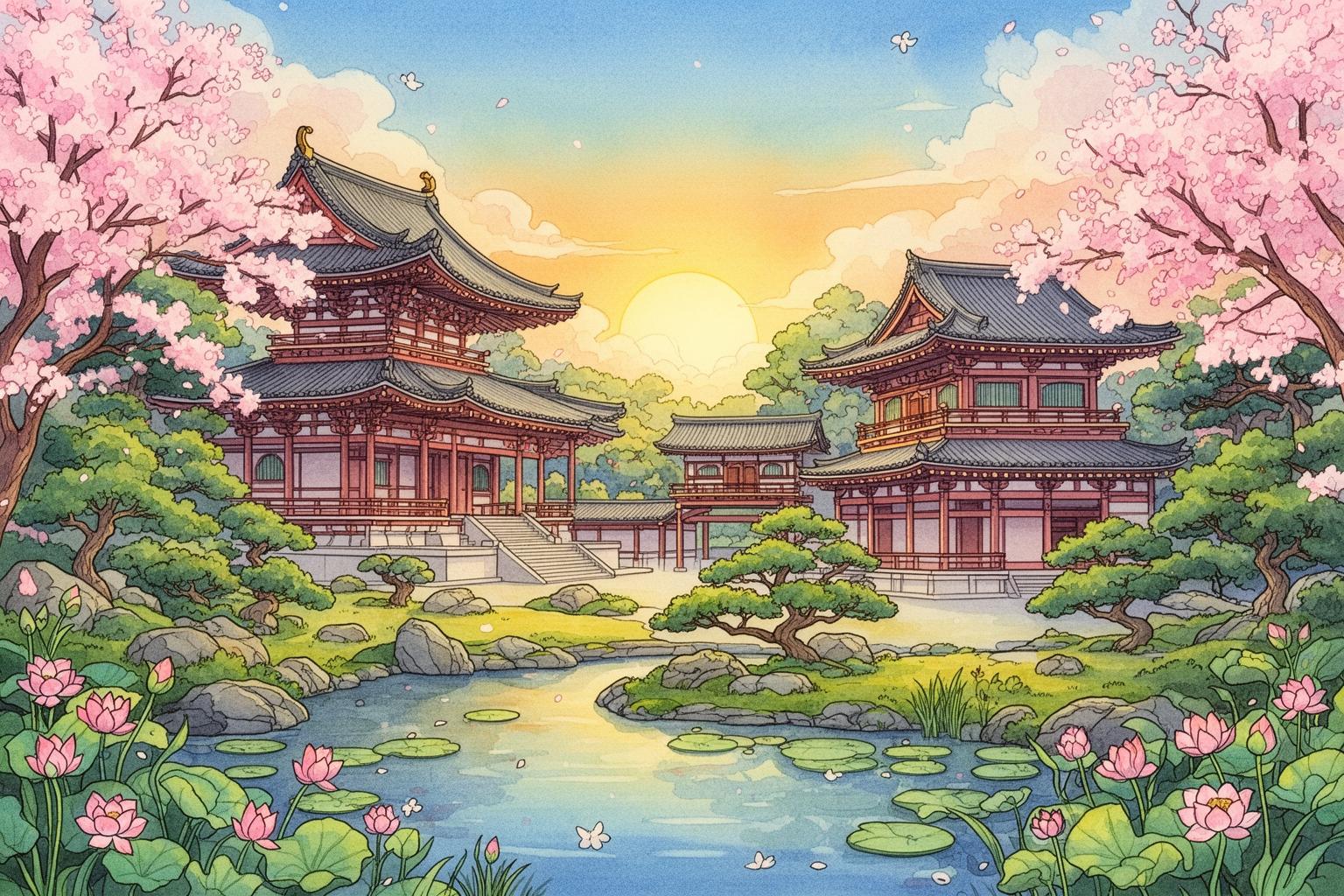
One of the most enchanting aspects of Japan is its deep appreciation for the four distinct seasons. This admiration is most beautifully showcased in the grounds of its temples and gardens. The same location can feel entirely different depending on when you visit. Organizing your trip around a specific season can transform your experience from wonderful to truly unforgettable. Each season boasts its own highlight, mood, and color palette.
Spring (Haru): Life in Full Bloom
Spring in Japan is synonymous with one symbol: sakura, the cherry blossoms. For a brief couple of weeks, the country is adorned in delicate pink and white hues. Witnessing ancient temple pagodas and gates framed by clouds of cherry blossoms is a sight of almost heartbreaking beauty. It perfectly captures the Japanese aesthetic of mono no aware, a gentle melancholy for the fleeting nature of things. Kyoto, naturally, is legendary for sakura viewing. Spots like Kiyomizu-dera, the Philosopher’s Path, and Daigo-ji transform into ethereal dreamscapes. But don’t overlook the ume, or plum blossoms—they bloom earlier, from February to March, heralding spring’s arrival. Their sweet fragrance and vivid pink, red, and white flowers are equally stunning and often less crowded. Kitano Tenmangu Shrine in Kyoto is renowned for its expansive plum grove.
Summer (Natsu): A Symphony in Green
Japanese summers are hot and humid, yet full of vibrant life. Temple gardens burst into countless shades of lush, deep green. It’s the season of moss. Gardens like Saihō-ji (the Moss Temple) in Kyoto, which require reservations months in advance, become velvety green carpets. The soundtrack of summer is the constant, meditative drone of cicadas (semi). It’s also hydrangea (ajisai) season, thriving during the early summer rainy period. Meigetsu-in in Kamakura, nicknamed the “Hydrangea Temple,” is awash in stunning blues and purples. Lotus flowers, Buddhist symbols of purity and enlightenment, rise from the murky temple ponds, their flawless blooms opening in the morning sun. A summer temple garden offers a cool, shady retreat from the heat—a place of vibrant life and serene greenery.
Autumn (Aki): Nature’s Grand Finale
If spring is a delicate watercolor, autumn is a rich oil painting. This season celebrates kōyō, the autumn leaf colors. Japanese maple trees (momiji) ignite the landscapes with spectacular crimson, orange, and gold hues. The crisp autumn air is ideal for wandering temple grounds and admiring the striking contrast between fiery leaves and the dark wooden temple halls. Kyoto again stands out as a prime destination. Tofuku-ji temple is famed for its Tsutenkyo Bridge, which arches over a valley filled with maples, creating a stunning sea of red. Eikan-dō Zenrin-ji is so renowned for its maples that it has been called the “Temple of Maples since Eikan” for centuries, and its evening illuminations are breathtaking. The sight of vibrant red leaves scattered across deep green moss epitomizes Japanese beauty at its peak.
Winter (Fuyu): The Beauty of Silence
Winter may seem an unusual time to visit a garden, but it holds a special, minimalist charm. The crowds vanish, and a profound calm settles in. Bare tree branches form stark, elegant silhouettes against a gray sky. If you are fortunate enough to visit after fresh snowfall, you can witness yukigeshiki, a snowscape of unparalleled beauty. Kinkaku-ji, the Golden Pavilion, dusted with snow, looks legendary. The contrast of pure white snow against shimmering gold is a photographer’s dream. The rock garden at Ryōan-ji reveals a new character under a snowy blanket, its subtle forms brought into relief. Winter is a time for quiet reflection, appreciating the garden’s structure and form without the distraction of flowers or foliage. It is the wabi-sabi season—finding beauty in simplicity, starkness, and silence.
Insider Tips & Hidden Gems: For the IYKYK Crowd
So you’ve visited the major temples, learned the proper etiquette, and planned your trip for the ideal season. Now it’s time to explore further. Japan’s spiritual landscape holds many hidden gems and unique experiences that most tourists overlook. These are the moments that transform a great trip into an unforgettable adventure.
Venture Beyond the Golden Route
While Kyoto and Nara are must-see destinations, some of the most profound experiences await in quieter, lesser-known temples. In Kyoto, instead of braving the crowds at Arashiyama Bamboo Grove, make your way to Otagi Nenbutsu-ji, a temple nestled in the hills of Arashiyama. It’s renowned for its 1,200 whimsical stone statues of rakan (Buddha’s disciples), each with a different expression—some laughing, some drinking sake, some listening to an old-school Walkman. These statues were carved by amateurs under the guidance of the temple’s head priest, creating a space full of character and joy. Alternatively, consider a temple stay, or shukubō. The most famous location for this is Mount Koya (Koyasan), the center of Shingon Buddhism. Here, you can stay in one of the mountain’s temples, sleep on a futon in a traditional tatami room, enjoy delicious vegetarian Buddhist cuisine (shojin ryori), and rise early to join the monks in their morning chanting ceremony. It’s an immersive experience that offers a deep connection to monastic life in a truly meaningful way.
Temple Markets and Flea Fairs
For a taste of local life and a chance to find unique souvenirs, visit a temple market. On the 21st of each month, To-ji Temple in Kyoto hosts a large flea market called Kobo-san Market. Hundreds of vendors offer everything from antique kimono and ceramics to handmade crafts, street food, and plants. It’s a lively, vibrant atmosphere where you can haggle, watch people, and discover treasures you won’t find in typical shops. Kitano Tenmangu Shrine also holds a market on the 25th of each month. These markets provide a wonderful opportunity to see a temple not just as a historical landmark but as a dynamic hub of the community.
Evening Illuminations
Many popular temples in Kyoto feature special evening illuminations during the peak cherry blossom and autumn foliage seasons. Experiencing sites like Kiyomizu-dera or Kodai-ji illuminated at night offers a completely different perspective. The way lights flicker over the colorful leaves or blossoms against the dark sky creates a magical, dramatic effect. Though the crowds can be large, the views are well worth it. This adds a romantic and mysterious layer to familiar daytime scenes, making everything feel more intimate and spectacular.
Finding Your Own Zen
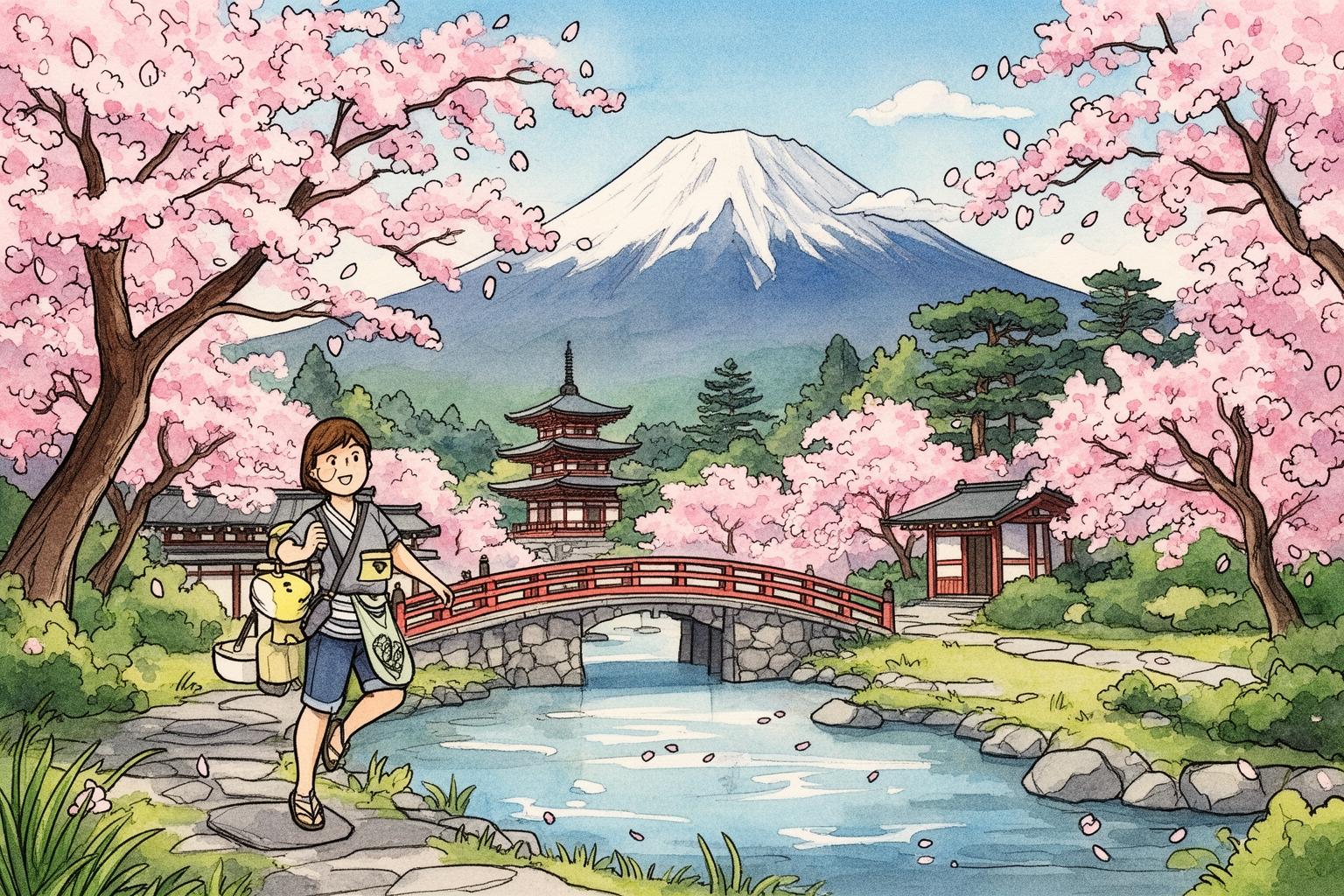
At the end of the day, after all the sightseeing and photo-taking, the true gift of Japan’s temples and gardens lies in the space they provide for a quiet moment. It offers a chance to disconnect from the endless scroll and reconnect with something more essential. You don’t need to be a Buddhist or a historian to sense it. It’s found in the quiet dedication of a monk raking gravel, in the resilience of a thousand-year-old wooden hall, and in the simple, perfect beauty of a single maple leaf resting on a mossy stone.
So, my suggestion is this: don’t just rush from one famous spot to another, checking them off a list. Find a quiet corner on a temple veranda, put your phone away, and simply sit. Listen to the wind chimes’ gentle sound. Watch the light shift across the leaves. Feel the smooth, cool wood beneath your hands. Let the silence settle in. These are places that have been offering space for people to find peace for centuries. Allow yourself to be one of them. Whether your moment of clarity comes before a majestic golden pavilion or a small, forgotten neighborhood shrine, the journey through Japan’s spiritual heart is ultimately a personal experience. It’s a conversation between you and a deep, enduring beauty—an essence that will linger long after you’ve flown home.