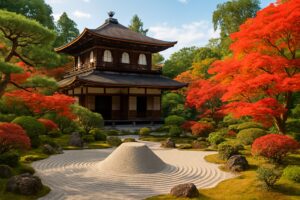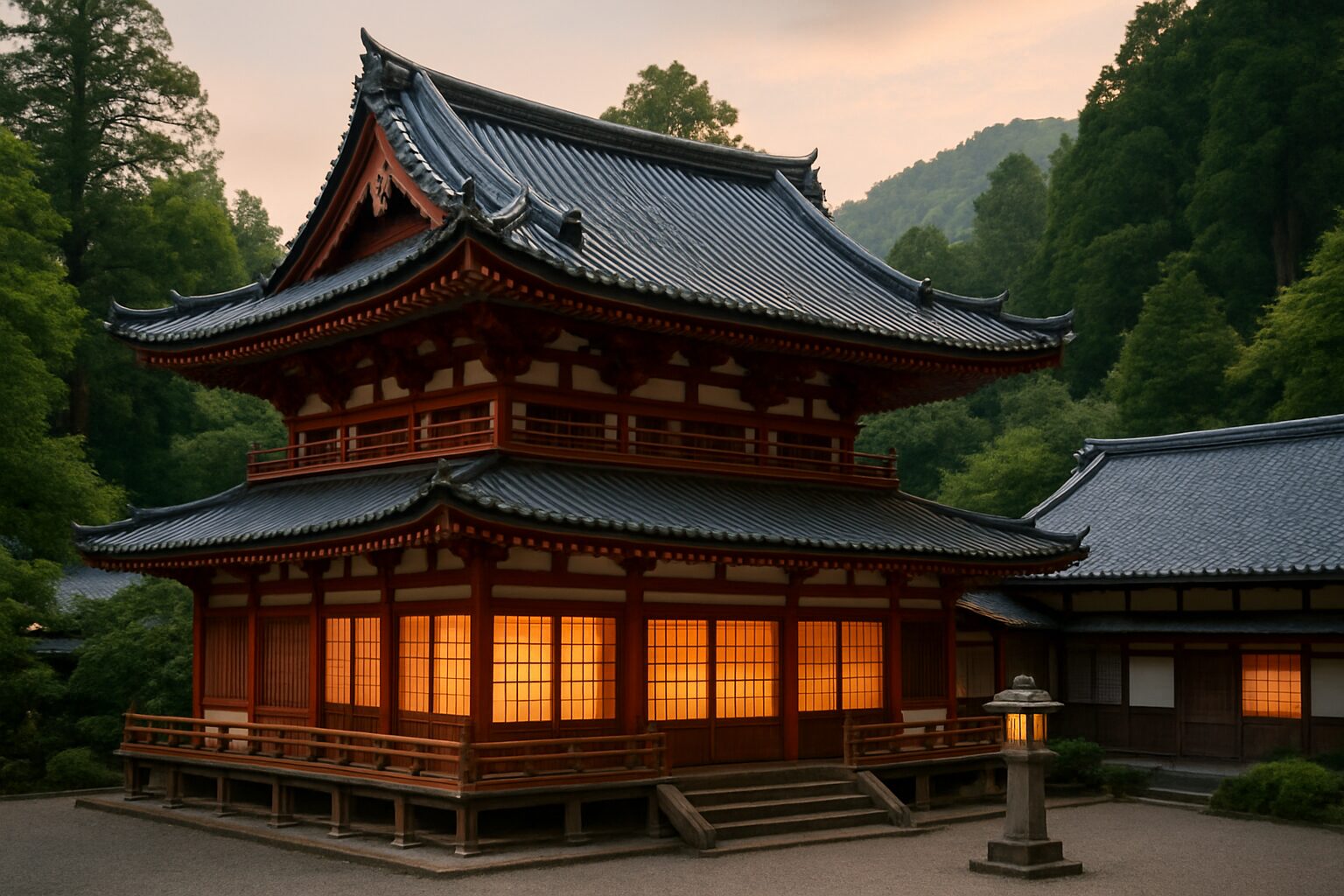
What’s up, globetrotters! Ami here, fresh off another deep dive into Japan’s most aesthetic corners. Today, we’re logging off, tuning out the noise, and checking into a spot that’s been absolutely blowing up the feeds of in-the-know travelers: shukubo. Forget your standard hotel room with its bland decor and mini-bar. We’re talking about temple lodgings, where you can literally live, eat, and meditate alongside Buddhist monks. This isn’t just a place to sleep; it’s a full-blown cultural immersion, a reset for your soul, and low-key the most beautiful, minimalist experience you can imagine. For centuries, shukubo were reserved for pilgrims trekking through Japan’s sacred mountains. Now, these serene sanctuaries are opening their ancient wooden doors to us, offering a legit peek into a world of chanting, incense, and profound tranquility. It’s the ultimate antidote to our hyper-connected lives, a chance to trade screen time for sutras and city chaos for the quiet rustle of a Zen garden. Whether you’re seeking a digital detox, a deeper connection with Japan’s spiritual roots, or just a seriously stunning backdrop for your travel story, a shukubo stay is it. We’re heading high into the mist-covered mountains, where the air is cleaner, the food is purer, and the vibe is nothing short of transcendent. Get ready to find your zen.
For a different perspective on the current state of travel in the country, you can read about the recent impact on Japan’s tourism industry.
What’s the Real Deal with Shukubo? Beyond Just a Place to Crash
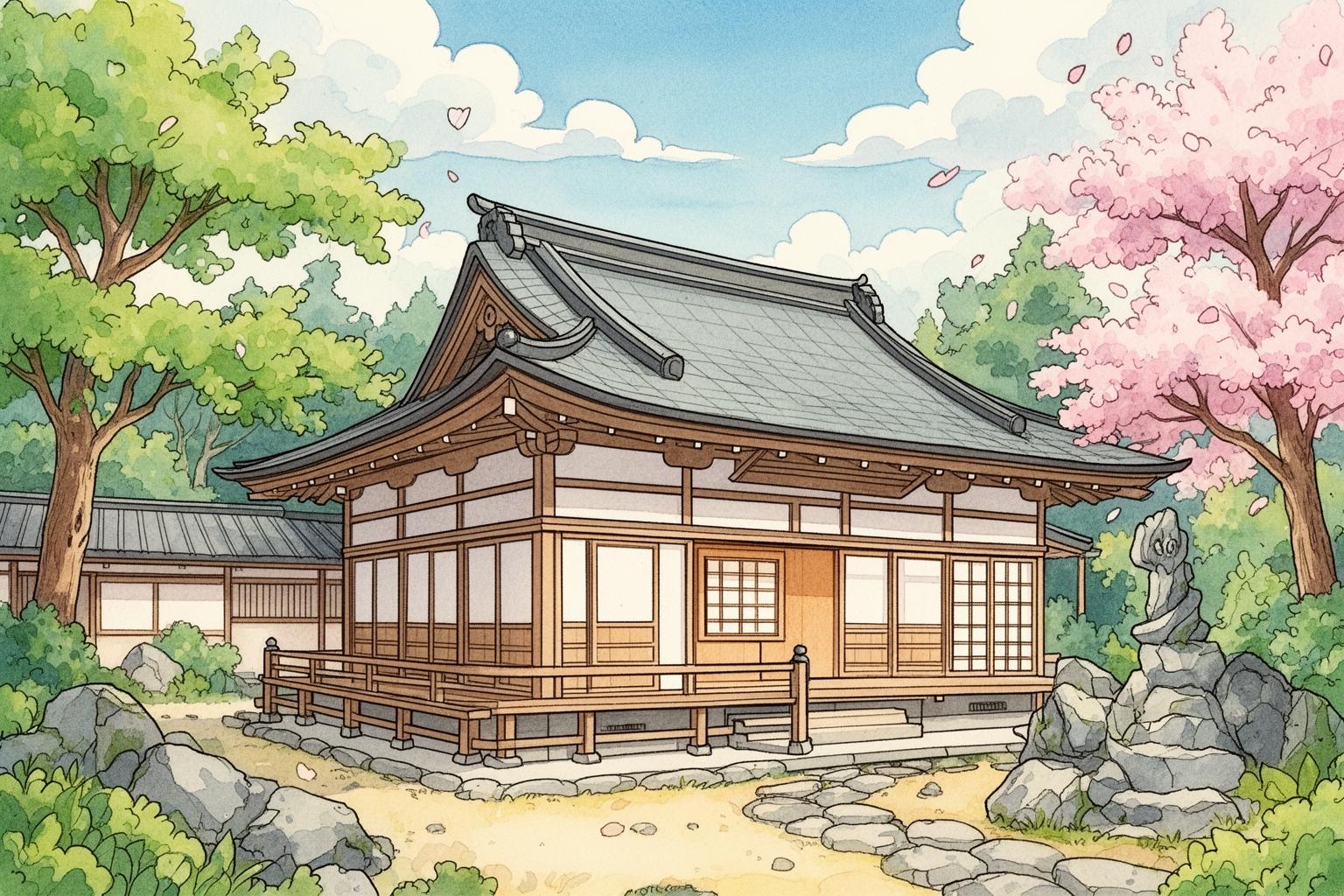
First and foremost, let’s set the tone correctly. A shukubo is not a hotel, and the monks are not your personal attendants. Viewing it that way is the quickest way to miss the entire purpose. This is a vibrant, living monastery, and as a guest, you enter their spiritual home. The experience revolves around adapting to their rhythm, not imposing your own. The shift in energy is tangible and hits you as soon as you arrive. You leave behind the concrete and neon lights and pass through a grand wooden gate into a world filled with the aromas of ancient cedarwood, damp moss, and the sweet, earthy scent of burning incense that seems to linger in the air. The silence is the first thing you’ll notice. It’s not empty silence; it’s a profound, resonant quiet, interrupted only by the distant bell chime, the gentle rustle of a monk’s sandals on polished wood, or the caw of a crow in the tall pines. This soundscape immediately soothes your nervous system.
The rooms themselves embody minimalist elegance. Forget bulky furniture and flatscreen TVs. Your space is a washitsu, a traditional Japanese room with woven tatami mats that feel cool and slightly springy beneath your feet. The only adornments may be a single, flawless piece of calligraphy on a scroll in the tokonoma alcove and an ikebana flower arrangement. The walls are fusuma — sliding paper screens painted with delicate scenes of mountains or cherry blossoms. They’re beautiful but also a reminder of the fleeting, impermanent nature of life. At night, a thick, cozy futon is laid out for you on the tatami. It’s simple, clean, and incredibly peaceful. The room’s lack of clutter seems to clear your mind by extension. You’re not there to be entertained; you’re there to be fully present. The monks who guide you form the heart of the experience. They are devoted Buddhist practitioners, living disciplined and devoted lives, and their calm, centered presence is truly inspiring. They aren’t merely checking you in; they’re inviting you into their world, leading meditations, explaining the significance of morning chants, and serving meals prepared with care and gratitude. It’s a profound exchange, a rare chance to connect with a way of life that has endured for over a thousand years.
A Day in the Life: The Shukubo Glow-Up Routine
To truly experience the magic of shukubo, you need to fully embrace the routine. It’s crafted to synchronize your rhythm with the natural flow of the day and the temple’s spiritual practices. This 24-hour journey begins the instant you remove your shoes at the entrance.
The Arrival and Afternoon Contemplation
The journey to a shukubo, especially one nestled in a place like Mount Koya, is integral to the experience. The train winds away from the urban expanse of Osaka into lush green valleys, followed by a cable car ride that lifts you straight up the mountainside into a realm of clouds and cedar forests. When you finally step off, the air feels different—cooler, purer, sacred. A monk greets you with a gentle bow, guides you along tranquil, covered walkways overlooking perfectly raked gravel gardens, and shows you to your room. After settling in and enjoying the welcome tea, the afternoon is yours to explore.
This is the ideal time to try one of the temple’s activities. A favorite is Shakyo, or sutra copying. You receive a brush, ink, and a sheet of washi paper faintly outlined with Buddhist scriptures. Your role is to carefully trace the intricate kanji characters. It’s not about flawless handwriting; it’s a moving meditation. The concentration needed for each stroke quiets your mind’s chatter. You become fully immersed in the flow of ink, the paper’s texture, and the gentle rhythm of your breathing. It’s surprisingly calming, and you leave with a beautiful, personal keepsake. Another impactful practice is Ajikan meditation, unique to Shingon Buddhism. A monk leads you to a dimly lit hall, instructs you on the correct posture—sitting upright with hands folded in your lap—and guides you to focus on your breath and a Sanskrit character representing the cosmos. Even if your mind drifts (as it often does), sitting in stillness amid the temple’s calming energy is profound. It’s a moment to simply be, without any aim or distraction.
The Main Event: A Feast for the Soul with Shojin Ryori
As dusk settles, it’s time for what many consider the highlight of a shukubo stay: dinner. This is no ordinary meal. You’re served Shojin Ryori, traditional Buddhist vegetarian cuisine. But calling it “vegetarian” hardly does it justice. This is culinary artistry, a philosophy on a plate. Entirely plant-based, it excludes meat, fish, and strong ingredients like garlic and onion, believed to stir the senses and disrupt meditation. The cuisine is founded on balance and harmony, often following the rule of five: five colors (white, black, red, green, yellow), five flavors (sweet, sour, salty, bitter, umami), and five cooking methods (raw, simmered, fried, steamed, grilled). The result is a meal that is not only healthy and delicious but also visually stunning.
Dinner is usually served in your room on a small lacquered table. A monk brings a series of small, exquisite dishes, each reflecting the season and the temple chefs’ skill. You might find a cube of creamy, nutty goma-dofu (sesame tofu), with a texture unlike anything you’ve tried. There could be a delicate clear soup featuring a single mountain herb sprig, airy tempura made from wild mountain vegetables, and a piece of simmered daikon radish that melts in your mouth. Accompanying these are colorful, crunchy pickles, a bowl of perfectly cooked rice, and perhaps stewed koyadofu (freeze-dried tofu), a local specialty. Every bite feels intentional, nourishing, and deeply connected to the temple’s natural surroundings. Eating Shojin Ryori is a mindful practice in itself. You eat slowly, savoring each unique flavor and texture, feeling grateful for the food and those who prepared it. It’s a meal that satisfies on a level far deeper than mere physical hunger.
Soaking in Serenity and Embracing the Night
After dinner, many shukubo offer another form of purification: a communal bath, or ofuro. Immersing yourself in the steaming hot water of a quiet wood-paneled room is the perfect way to relax and aid digestion. The water soothes tired muscles from your travel, and the tranquil atmosphere carries on the day’s meditative spirit. As night falls, the temple grounds transform. Paper lanterns cast a soft, warm glow on dark wood, and stars shine with a brilliance unseen in the city. There is no nightlife here; curfew is early, often by 9 PM. You are encouraged to sleep early, aligning your body with the natural cycle of day and night. You slip into your futon, nestled between crisp sheets and beneath a heavy duvet, and drift into one of the deepest, most peaceful sleeps of your life, lulled by the profound mountain quiet.
The Dawn Ritual: A Wake-Up Call for the Spirit
Your wake-up call arrives before sunrise, usually around 5:30 or 6:00 AM. It may come as the deep, resonant toll of a large temple bell or a gentle knock on your fusuma door. It’s time for Otsutome, the morning prayer service—an event you absolutely should not miss. You make your way through the pre-dawn chill to the temple’s main hall, the Hondo. Inside, incense smoke thickens the air, and flickering candles and oil lamps illuminate ornate altars and golden Buddhist statues. You sit on the tatami floor as monks file in, their vibrant robes bright colors in the dim light. Then it begins: the head monk’s low, guttural chant, joined by others, their voices rising and falling in a mesmerizing, otherworldly harmony. The sound vibrates through the wooden floors and into your very bones. They chant the sutras, sacred texts, accompanied by the rhythmic tok-tok-tok of the mokugyo, a wooden fish-shaped drum. Even without understanding the words, the ceremony’s power and devotion are palpable. It is a raw, ancient, and deeply moving experience. In some temples, especially those of the Shingon sect like Koyasan, the morning service includes a Goma fire ritual. The priest chants before a consecrated fire, feeding it wood pieces symbolizing negative energies and worldly desires. As flames rise higher, the chanting intensifies, filling the hall with a primal, purifying energy. Witnessing this is an unforgettable spectacle that leaves you feeling cleansed and energized. Afterward, you enjoy a simple, restorative breakfast of okayu (rice porridge), miso soup, and pickles, feeling refreshed and centered as the first sunlight filters through pine trees.
Picking Your Perfect Shukubo Vibe: From OG Traditional to Modern Zen
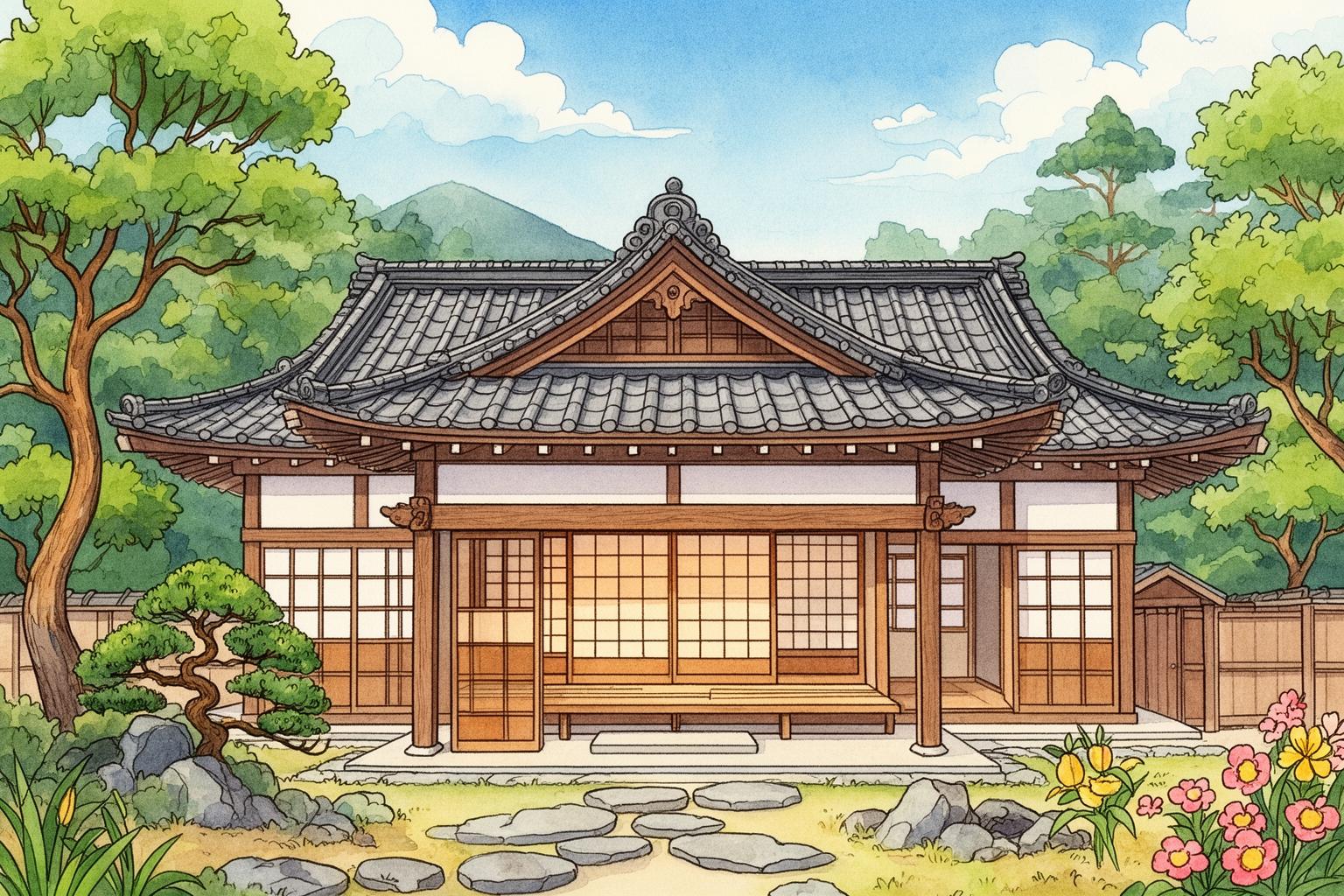
Much like hotels, shukubo vary widely in form and size, each providing a distinct take on the monastic experience. Selecting the right one depends on the atmosphere you’re seeking.
Koyasan (Mount Koya): The Ultimate Temple Stay
When people mention shukubo, Koyasan often comes to mind. This sacred mountain village in Wakayama Prefecture serves as the center of Shingon Buddhism, established in the 9th century by the famed monk Kobo Daishi. It’s not just a single temple but an extensive complex of over 100 temples, about 50 of which offer accommodations. This is the original and most immersive shukubo experience available. The entire town is a UNESCO World Heritage site, and its ambiance is truly enchanting. Besides the temples, the main attraction is Okunoin, Japan’s largest cemetery. It isn’t eerie; rather, it’s stunningly beautiful. A two-kilometer trail meanders through a forest of towering, ancient cedar trees, lined with over 200,000 moss-covered tombstones and memorials belonging to figures ranging from feudal lords and samurai to modern corporate leaders. At the trail’s end lies the mausoleum of Kobo Daishi, who is believed not to have died but to be in eternal meditation. Walking this trail during the day is peaceful, but joining a night tour—often guided by a young monk from your shukubo—is highly recommended. Illuminated only by stone lanterns, the forest transforms into a mysterious and spiritual realm. Koyasan’s monks are well experienced with international guests, and many shukubo, such as the popular Eko-in (Ekoin), have English-speaking staff and offer tours and explanations of rituals in English. Some shukubo in Koyasan are grand and historic, featuring priceless painted screens and exquisite private gardens, while others are simpler and more intimate. You’ll find options with private bathrooms and Wi-Fi alongside more traditional accommodations with shared facilities, allowing you to customize the experience to your preferences.
Nagano and Zenko-ji: A Pilgrim’s Journey
For a different atmosphere, head to Nagano, a city known for hosting the 1998 Winter Olympics but even more esteemed as the site of Zenko-ji Temple. Founded in the 7th century, this temple ranks among Japan’s most important and visited. The shukubo here cluster around the temple, having served pilgrims for centuries. Staying here feels less remote than Koyasan, blending more into the rhythm of a lively city yet remaining deeply spiritual. A highlight is taking part in the O-asaji, Zenko-ji’s morning service. Prior to the main service, there’s a ritual in which the head priest and priestess walk to the main hall, blessing kneeling pilgrims along the way by touching their heads with a string of rosary beads. It’s a unique and profound local ceremony. Shukubo here, including those in associated sub-temples, provide a direct connection to the life of this historic pilgrimage destination.
Hidden Treasures and Other Sacred Retreats
Beyond the well-known sites, shukubo can be found throughout Japan offering one-of-a-kind experiences. For the truly intrepid, the Dewa Sanzan—three sacred mountains in Yamagata Prefecture—offer a much rougher, more ascetic experience. These shukubo are connected to Shugendo, a form of mountain worship, and convey a far more rustic and intense atmosphere. If you’re visiting Kyoto and want to experience temple life without traveling far, several temples in and around the city provide shukubo stays. These are excellent escapes from the bustling streets of Gion, offering serene pockets within the ancient capital. Each region and temple sect provides a unique glimpse into Japan’s rich spiritual heritage, so it’s worthwhile to explore and find the place that resonates with you.
The Lowdown for First-Timers: How to Shukubo Like a Pro
Ready to book your spiritual retreat? Great! Here are some practical tips to ensure your stay is smooth, respectful, and truly memorable.
Booking and Planning
Don’t just show up expecting a room. Booking ahead is absolutely essential, especially for popular spots like Koyasan and during peak seasons such as cherry blossom season in spring and the colorful autumn months. You won’t find shukubo listed on typical hotel websites. The best approach is often through the local Shukubo Association website (the Koyasan site is excellent and available in English) or by booking via specialized Japanese travel platforms. Some temples now offer their own websites with online booking forms. Read all the details carefully—check curfew times, meal schedules, and whether credit cards are accepted (many smaller, traditional places are cash-only). Plan your transportation well in advance, as getting to these mountain locations often requires multiple transfers.
Packing and Dressing the Part
Think comfortable, practical, and respectful. This isn’t a resort stay. Pack loose, modest clothes that are easy to sit on the floor in. Layers work best since old temple buildings can get quite chilly, especially in the mornings and evenings, even during summer. The most essential item to bring is a pair of shoes that are easy to slip on and off. You’ll be removing your shoes constantly—at the temple entrance, before entering your room, and before meals. Having to deal with laces every time is a hassle. Bring warm socks, as you’ll often be walking on cold wooden floors. A small towel might also come in handy, since some shukubo provide only basic amenities. Lastly, and most importantly, bring an open mind and a respectful attitude—this is the key to fully enjoying the experience.
Etiquette 101: A Crash Course in Temple Manners
Don’t stress over the rules, but being mindful of a few key points will make a big difference. First, embrace the quiet. These are places for contemplation, so lower your voice and put your phone on silent. Second, be punctual. The temple follows a strict schedule; meals and ceremonies happen at set times, and arriving late is considered disrespectful to the monks and other visitors. When in your room, be considerate of your neighbors—the paper-thin fusuma walls don’t block much noise. For the communal bath, follow basic onsen etiquette: wash thoroughly at the shower stations before entering the bath. And don’t worry about your futon; monks usually lay it out for you in the evening and put it away in the morning. A simple smile and bow, along with a few basic Japanese phrases like Arigato gozaimasu (thank you very much) and Sumimasen (excuse me), will be warmly appreciated and show your gratitude for their hospitality.
Why Shukubo is the Ultimate Japan Trip Flex
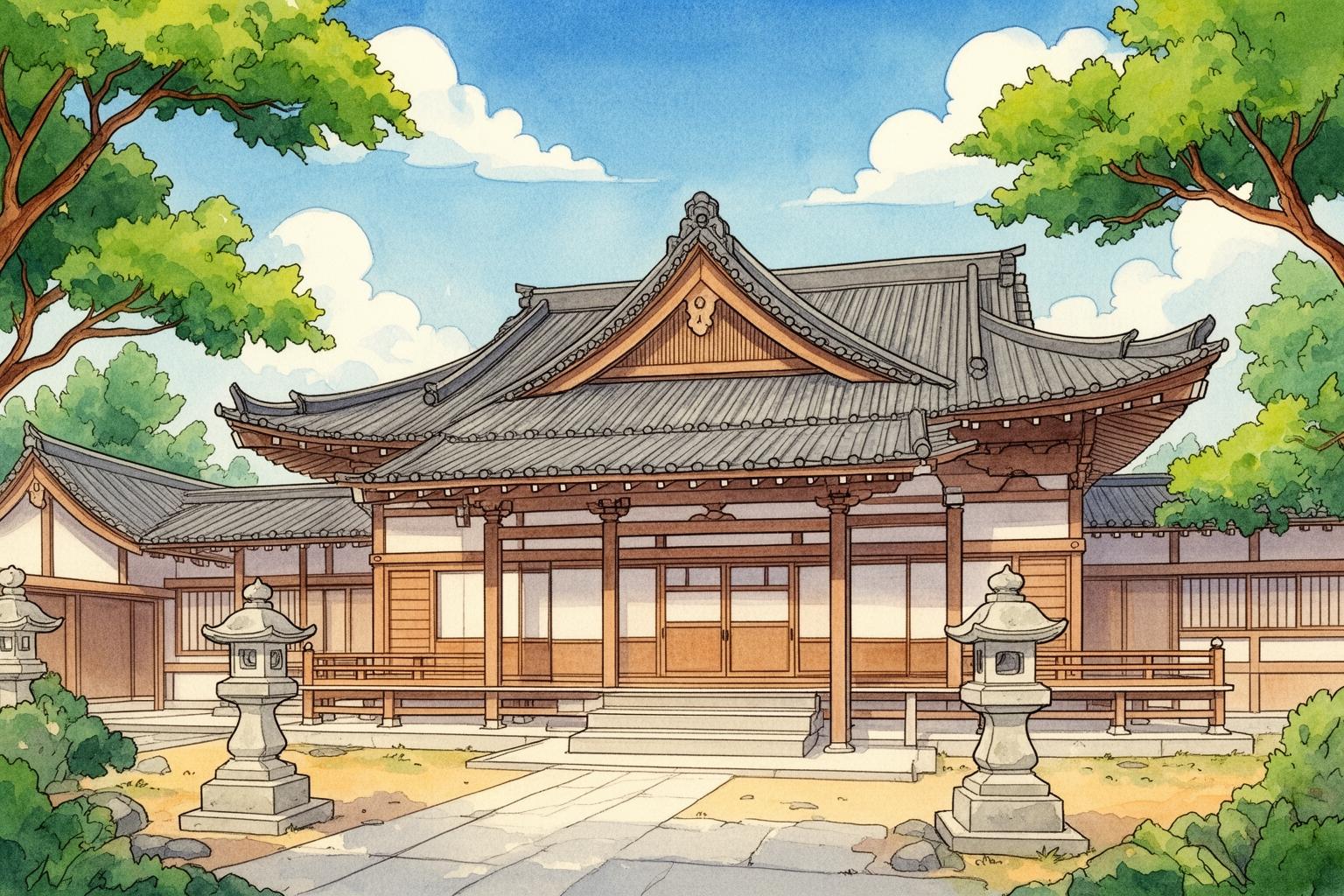
In a world where everyone is pursuing the same travel photos, a shukubo stay offers something uniquely different. It’s more than just a backdrop for your pictures; it’s an experience that transforms you from within. You arrive with a suitcase full of clothes and leave with a mind filled with clarity and a heart brimming with peace. This is the kind of travel that stays with you long after you’ve returned home. You’ll recall the taste of goma-dofu, the sound of pre-dawn chanting, and the cool feel of tatami beneath your feet. You’ll remember the monks’ kindness and the profound stillness of the mountain at night. A shukubo stay is a deep immersion into the very soul of Japan, a connection to the traditions and philosophies that have shaped its culture for centuries. It’s an opportunity to slow down, disconnect from the relentless pace of modern life, and reconnect with yourself. So, as you plan your epic Japan adventure, consider setting aside a night or two for something truly special. Look beyond the usual and step into the sacred. Up in the misty mountains, within the quiet halls of an ancient temple, a different kind of journey awaits you. And believe me, it’s an experience that will stay with you forever.