Yo, what’s the move? If you’re scrolling through endless pics of temples and neon-drenched cityscapes thinking, “Is this all there is to Japan?” then you gotta listen up. We’re about to ghost the golden route and slide into a side of Japan that’s straight-up legendary, a place where the planet went hard in the paint and left behind a masterpiece. I’m talking about the Uradome Coast in Tottori Prefecture, a slice of the San’in Kaigan Geopark that’s so stunning it feels like a cheat code for epic travel content. This isn’t just a pretty beach; it’s a whole mood. It’s the raw, unfiltered coastline where ancient granite cliffs get into a staring contest with the clearest, most turquoise water you’ve ever seen. And the absolute best way to get front-row seats to this elemental show? By grabbing a paddle and piloting your own sea kayak. You’re not just looking at the view; you’re becoming part of it, gliding through secret caves, discovering beaches that you can’t even reach on foot, and feeling the pulse of the Sea of Japan. This is the adventure that’ll have your friends spamming your DMs with fire emojis, asking, “Bro, where IS that?!” It’s a full-body experience, a connection to nature that hits different, resetting your whole system. Forget what you thought you knew. This is the real Japan, wild and waiting. Get ready to level up your travel game.
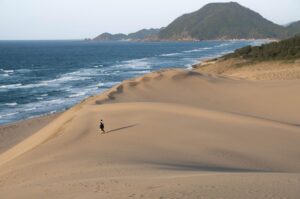
For a completely different but equally breathtaking Tottori experience, you can also explore the famous Tottori Sand Dunes.
The Lowdown on the San’in Kaigan Geopark: More Than Just Rocks
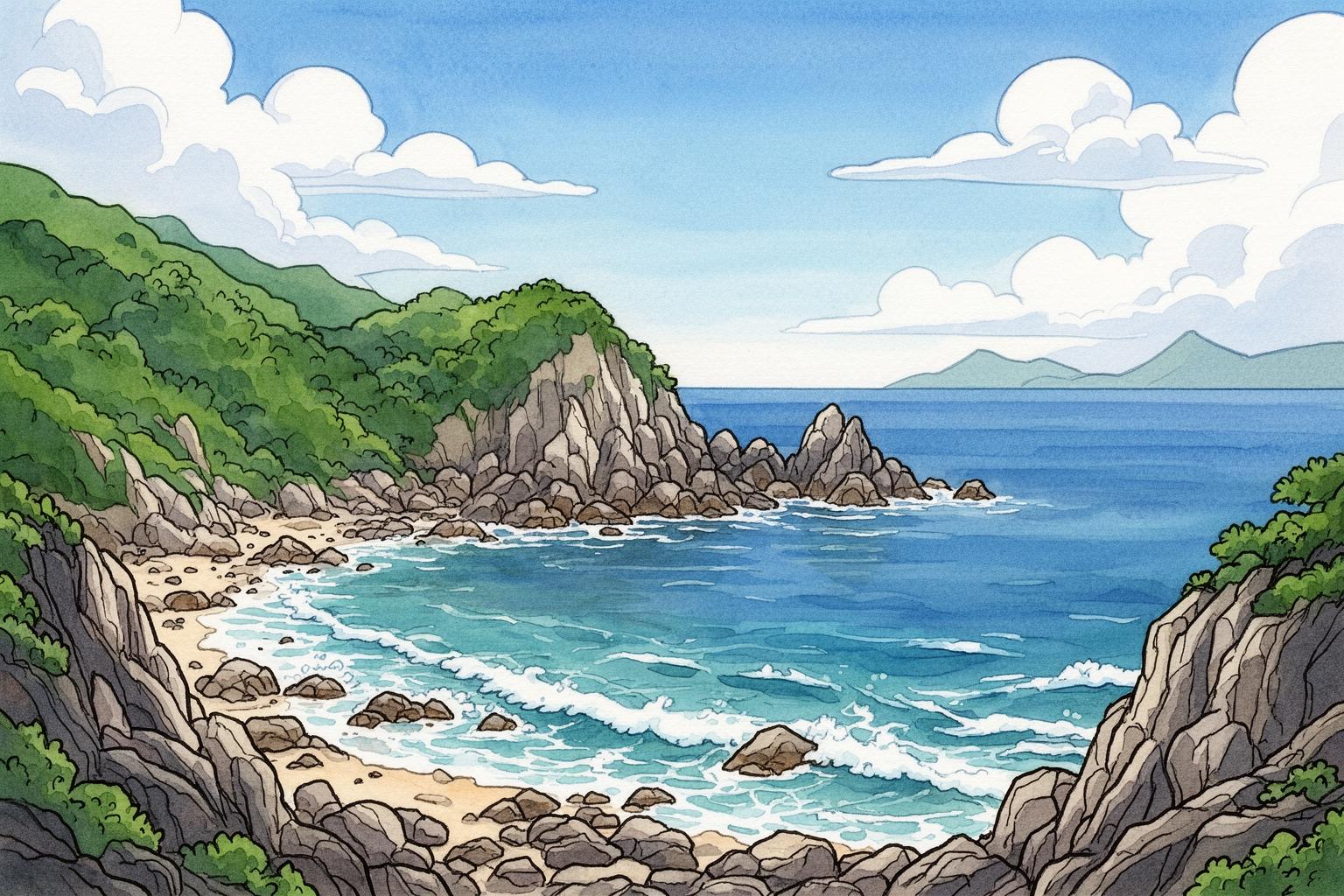
Alright, let’s dive into the lore. Before you even dip your paddle into the water, you need to understand the stage you’re about to perform on. The Uradome Coast is the star attraction of a much larger league: the San’in Kaigan UNESCO Global Geopark. Now, I know what you’re thinking—“Geopark? Sounds kinda… nerdy.” And yeah, you’re not wrong, but it’s nerdy in the coolest way possible. A UNESCO Global Geopark is essentially the planet’s Hall of Fame. It’s an area with geological heritage of international significance, where you can literally see Earth’s history etched into the landscape. It’s not just a conservation zone; it’s an outdoor museum, a classroom, and an adventure playground all rolled into one. The San’in Kaigan Geopark stretches an impressive 120 kilometers along the Sea of Japan coast, covering parts of Hyogo, Kyoto, and our main character, Tottori Prefecture. Its story is wild—a geological drama that played out over millions of years.
The tale begins way back, around 25 million years ago, when this whole region was part of the Asian mainland. Tectonic plates started their chaotic dance, and the Sea of Japan began to form, pulling the Japanese archipelago away from the continent. This process was fiery and intense. Volcanoes erupted explosively, both on land and underwater, blasting out magma and ash everywhere. This volcanic activity is the secret behind the Uradome Coast’s unique charm. Magma that cooled slowly deep below the Earth’s surface formed the hard, crystalline granite we see today. Then, over millions of years, the land was pushed upward, and the relentless waves and winds of the Sea of Japan took over, acting as nature’s ultimate sculptor. They wore away the softer rock, leaving behind dramatic granite cliffs, rugged sea stacks, and intricate sea caves. Every formation you’ll paddle past is a chapter in this epic saga. That super clear water? It’s thanks to the clean granite seabed that doesn’t stir up much sediment. Those perfect, white sandy beaches nestled between the headlands? They’re made of weathered quartz and feldspar—the very minerals that comprise the granite. So, when you’re out there, you’re not just kayaking; you’re time traveling. You’re gliding over a submerged world shaped by fire and ice, witnessing the raw power of geological time. It’s a humbling and awe-inspiring feeling that makes the experience much deeper than just a simple day on the water. It’s about understanding your small place in a vast, ancient story. That’s the Geopark glow-up.
Gearing Up for the Ultimate Paddle Sesh
So, you’re sold on the idea. Ready to swap your subway pass for a paddle? What’s next? Getting ready is way easier than you might think, seriously. The Uradome Coast is incredibly well-equipped for kayakers of all levels, from absolute beginners who’ve never gripped a paddle to experienced pros seeking a challenge. No joke, you don’t need to be an Olympic athlete to crush this. The local tour operators are the real heroes here. They’ve got the whole process down, making it smooth and hassle-free.
First up, you’ll want to book a tour. While you could bring your own gear, going with a local guide is the smarter move, especially if it’s your first time. These guides are the guardians of the coast; they know its secrets, moods, and hidden spots. They’ll give you a comprehensive safety briefing, ensuring you know how to paddle, steer, and what to do if you—well—decide to take an unscheduled swim. They provide all the essential gear: a stable sea kayak (usually a sit-on-top model, which is super user-friendly), a lightweight paddle that won’t tire you out, and a snug life vest, which is absolutely required. Most tours come in different options. There are short, two-hour taster sessions ideal for families or those wanting a quick look. Then, half-day tours offer about four hours to explore a good stretch of the coastline, including some caves and a stop at a secluded beach. And for the serious adventurers, there are full-day trips covering greater distances and reaching the most remote parts of the coast. My personal favorite? The sunset tour. Paddling as the sky lights up in hues of orange, pink, and purple, with the granite cliffs silhouetted against the glow… it’s genuinely a spiritual experience.
Now, about your personal gear—your ‘fit for the float.’ Comfort is crucial. You’ll want to wear clothes that can get wet and dry quickly. Synthetic fabrics like polyester or nylon are your best bets. A rash guard or a long-sleeved athletic shirt is great for sun protection. On the bottom, board shorts or quick-dry leggings work perfectly. Leave cotton behind; it gets heavy and cold when wet, which kills the vibe. On your feet, opt for something that can get wet and stay on, like water shoes, old sneakers, or sandals with a heel strap. No flip-flops, friends; they’ll float away and become sad, lonely sea trash. The sun out on the water is intense, so a hat—preferably one with a wide brim and a chin strap to keep it from flying off—is a must. Apply waterproof sunscreen, SPF 50 or higher. Don’t forget your ears, neck, and tops of your feet. Polarized sunglasses to reduce glare and help spot marine life are a smart choice. Bring a water bottle to stay hydrated—paddling is a serious workout!—and maybe a small snack. And, of course, your phone for pictures. A waterproof case or dry bag is the smartest investment you can make for this trip. Trust me, you don’t want to be the person who unintentionally creates a new reef with their brand-new iPhone. Tour operators usually have larger dry bags for your gear, but keeping your phone accessible and protected is a major plus. Once you’re fully geared up and briefed, you’re set for the main event. The excitement is real, and the reward is even more real.
The Main Event: Slicing Through Emerald Waters
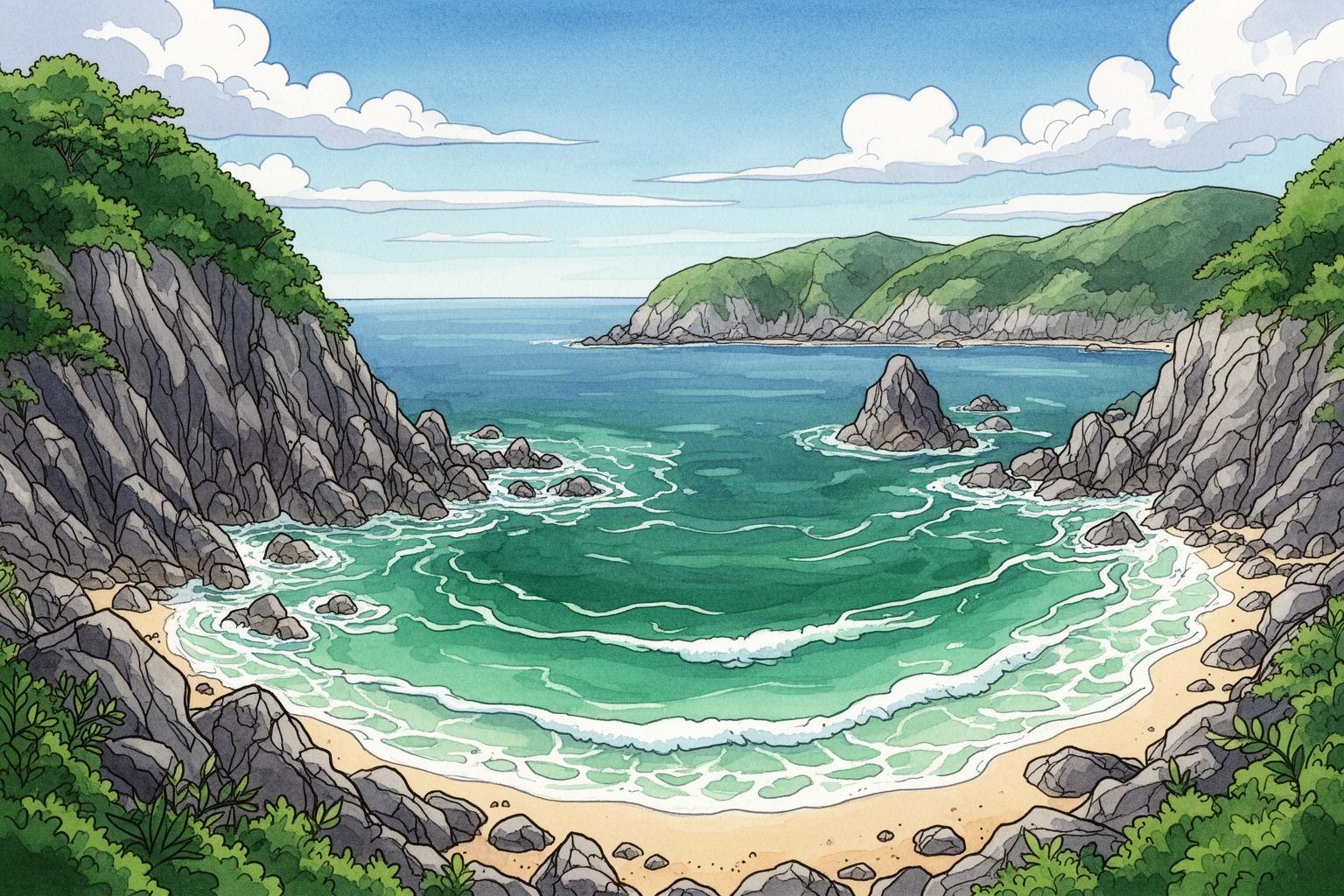
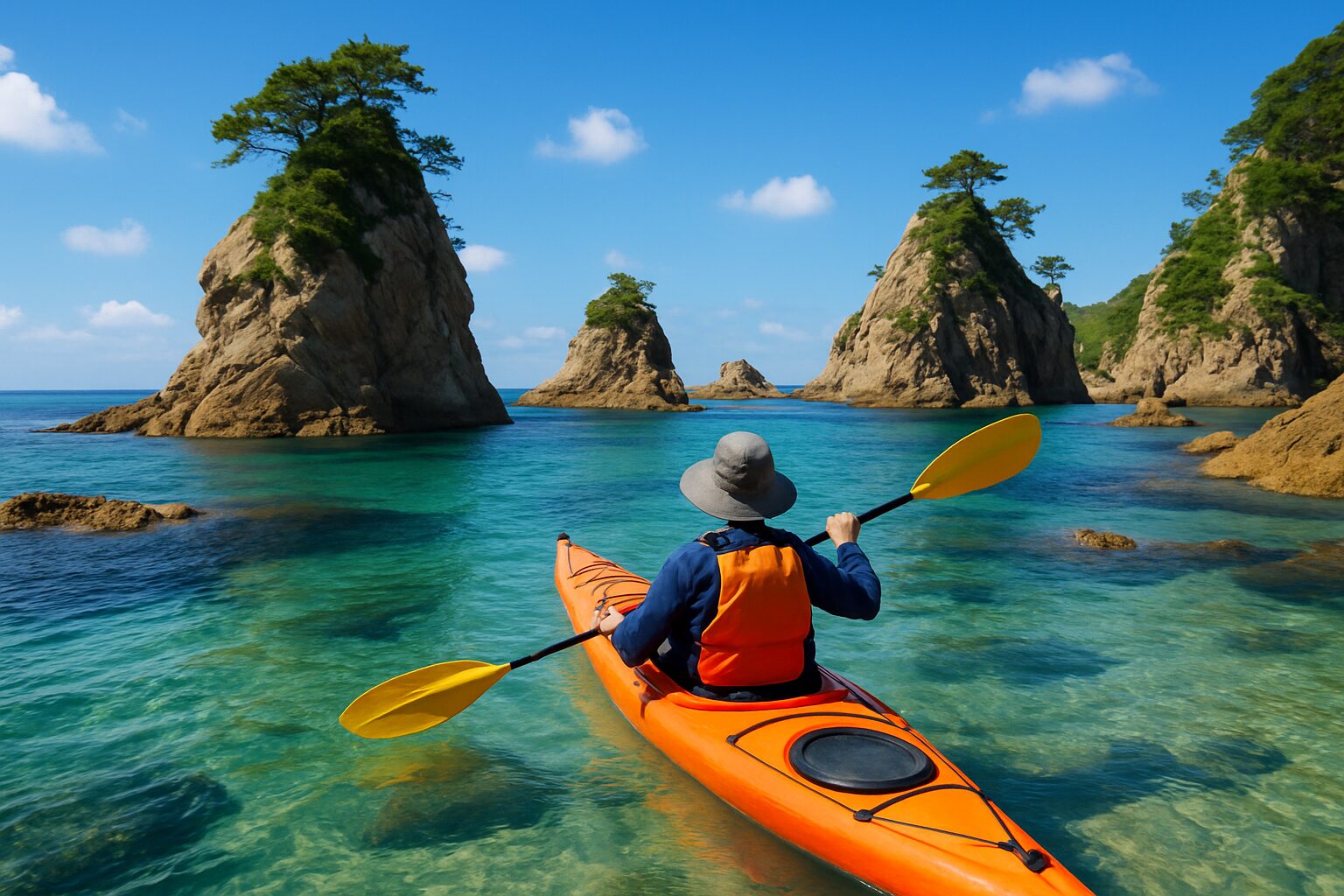
Here it is—the moment you’ve been anticipating. You stand on a pristine stretch of sand, perhaps at the renowned Shirawara Beach, the central hub of the Uradome Coast. The kayak, a vivid streak of color against the white shore, feels sturdy and full of promise. Your guide offers a final nod of encouragement. You ease the kayak into the shallow water, the cool Sea of Japan swirling around your ankles. Settling into the seat and finding your balance, a gentle push sets you afloat. Those first few paddle strokes are a bit awkward, slightly unsteady. The kayak threatens to spin in circles, and you might splash your partner by accident. But then, you find it: the rhythm. Left, right, left, right. The paddle dips into the impossibly clear water, pulling you forward with a satisfying whoosh. The awkwardness fades, replaced by a feeling of pure freedom. You are a mariner, an explorer—the captain of your own small vessel.
The journey begins. As you paddle away from shore, the world transforms. The sounds of land recede, replaced by the gentle lapping of waves against your hull and the cries of black-tailed gulls circling overhead. Looking down, the water’s clarity is astonishing. It’s not just clear—it’s like liquid glass. You see the sandy bottom, ripples shaped by the current, small fish darting through seaweed beds. It feels less like floating on water and more like hovering above a vibrant, living diorama. Your guide leads the way, a floating encyclopedia of local lore, pointing out landmarks and sharing stories. You paddle towards Sengan Matsushima, a cluster of pine-covered islands that appear as if plucked from a traditional Japanese ink painting. The gnarled branches of the resilient Japanese black pines, enduring the salty breeze, create striking silhouettes against the sky. The granite they rise from is a tapestry of colors—grey, white, tinged with pink and orange from mineral deposits and lichen. It’s a photographer’s dream.
The real magic, however, unfolds when you get up close with the coastline. You navigate the kayak through narrow channels between towering sea stacks, feeling like the hero of an adventure film. You glide past Kamogaiso, a dramatic coastline of layered rocks and natural arches. The scale is immense; you and your tiny kayak feel minuscule beside these geological giants—it’s a beautiful sensation. Then, your guide signals toward a dark opening in the cliff face. It’s a do-mon, a sea cave. A thrill jolts through you. You paddle toward it, heart racing. Crossing the threshold, you enter another realm. The bright sunlight disappears, replaced by a cool, ethereal darkness. The air grows still and heavy. The water inside shimmers with an otherworldly blue glow, reflecting off the cave ceiling. The sound is the most incredible part. Every drip from the roof, every gentle swish of your paddle, echoes and amplifies, creating a subterranean symphony. You feel as if you’ve uncovered a secret. Some caves are large enough to paddle through and emerge on the other side—a thrilling tunnel of darkness and light. Others are small, intimate grottos where you can float for a moment in silent, sacred stillness. It’s an experience that’s equal parts spooky, magical, and unforgettable.
After the excitement of the caves, your guide might lead you to a hidden beach, a pocket of perfect sand accessible only by sea. You pull your kayaks ashore; the sound of the hull crunching on sand is satisfying. This is your private paradise for the next thirty minutes. You can swim in the calm, sheltered water, snorkel if you brought a mask, or simply lie back on the sun-warmed sand and savor it all. It’s a moment of pure bliss, a complete escape from the outside world’s hustle. This is the rhythm of the Uradome Coast: stretches of exhilarating paddling and exploration balanced by serene moments of reflection. As you finally paddle back to your starting point, your arms may be tired, your skin salty and sun-kissed, but your mind will buzz with the sheer beauty you’ve just experienced. You didn’t simply see the Uradome Coast; you lived it with every one of your senses.
Beyond the Kayak: Soaking in the Tottori Vibe
Alright, so you’ve mastered the coast, your arms are pleasantly sore, and your camera roll is packed with amazing shots. But the adventure doesn’t have to stop once you haul your kayak back onto the sand. Tottori Prefecture is a treasure chest of unique experiences, making it well worth your time to stick around and explore. The vibe here is much more relaxed than the big cities—a refreshing change that lets you truly connect with the local culture. Your post-kayaking plans are about to get exciting.
First on the list: you absolutely can’t visit Tottori without seeing the Tottori Sand Dunes (Tottori Sakyu). It’s practically a rule. Just kidding, but seriously, it’s a must. A short drive from the Uradome Coast, the landscape shift is incredible. You go from a lush, green, water-shaped coastline to a vast, surreal desert-like stretch of sand that looks like it was airlifted right from the Sahara. These aren’t just a few sand hills; this massive protected area extends about 16 kilometers along the coast. The tallest dunes soar up to 50 meters, offering breathtaking panoramic views of the Sea of Japan on one side and endless dunes on the other. You can hike up the Umanose, or “horse’s back” dune, for the best vista—it’s a tough climb but totally worth it. For thrill-seekers, there’s sandboarding or paragliding, or, if you prefer something more laid-back, you can take a camel ride. Yep, a camel ride—in Japan. It’s quirky, unforgettable, and perfect for photos. The on-site Sand Museum is surprisingly fascinating, showcasing huge, highly detailed sand sculptures made by artists from around the world. The theme changes yearly, so there’s always something fresh.
After all that excitement, you’re bound to be hungry. Tottori’s food scene is a true feast, especially for seafood lovers. Sitting right on the Sea of Japan, the seafood here is as fresh as it gets. Find a local spot and order kaisen-don—a steaming bowl of rice topped with a generous mix of fresh, raw seafood like squid, shrimp, tuna, and sea urchin. Tottori is famed for its snow crab (matsuba-gani) in winter and white squid (shiro-ika) in summer. Not into seafood? No problem. Tottori is also known for its beef (Tottori wagyu) and ramen. But the real unexpected star in Tottori’s agriculture is the pear, specifically the Nijisseiki nashi, or 20th Century Pear. These pears are incredibly crisp, sweet, and juicy. Available everywhere in autumn, you can even visit orchards to pick your own. Don’t miss trying pear-flavored soft-serve ice cream—it’s a total game-changer.
To round out the perfect post-adventure recovery trio—food, fun, and relaxation—you have to visit an onsen. Soaking weary muscles in a natural hot spring is the ultimate Japanese way to unwind. Tottori boasts several excellent onsen towns. Iwai Onsen, one of the oldest in the San’in region, is just a short trip from the Uradome Coast. It oozes classic charm with traditional ryokans and public baths. Soaking in the mineral-rich water, you can literally feel the kayak fatigue fade away. It’s the perfect way to end a day of exploration, leaving you refreshed, recharged, and ready for what’s next. Tottori’s appeal comes from this blend of incredible natural wonders and simple, genuine cultural moments. It invites you to slow down, breathe deeply, and fully soak in the moment.
Pro Tips from Your Tour Guru, Yuki
Alright, team, gather around. As your go-to local tour planner, I’ve got some insider tips to ensure your Uradome Coast adventure is perfect, with no room for complaints. These small details can be the difference between a good trip and an unforgettable one. So pay attention.
First, timing is crucial. When’s the best time to go? The prime seasons for sea kayaking on the Uradome Coast are late spring (late April to June) and autumn (September to November). During these months, the weather is typically ideal—sunny, mild temperatures, and calm waters. Spring’s water can be a bit chilly, but the fresh greenery is vibrant. Autumn brings crisp, clear air and breathtaking fall colors in the hills. Summer (July and August) is also popular because the water is warm and perfect for swimming. The downside? It’s peak season, so it can be crowded, hotter, more humid, and typhoon season increases the chance of cancellations due to rough seas. Winter is generally off-limits for casual kayaking as the Sea of Japan gets rough with high waves and cold winds. So, aim for the shoulder seasons for the best experience.
Next, getting there. Tottori is somewhat off the beaten path, which adds to its charm, but it’s still quite accessible. The main entry point is Tottori City, reachable by train from major cities like Osaka, Kyoto, or Hiroshima. The Limited Express Super Hakuto from Osaka offers a quick and scenic ride. Once in Tottori, you have a few options to reach the Uradome Coast, about a 30-minute drive east of the city center. Renting a car gives you the most freedom to explore the coast and attractions like the sand dunes at your own pace. The roads are well-maintained, and driving in rural Japan is surprisingly relaxed. If you’re not driving, a local bus runs from Tottori Station along the coast, but check schedules in advance as they’re infrequent. Some kayak tour operators may also offer a shuttle from the station, so ask when booking.
Speaking of booking, do it ahead of time! Especially on weekends or national holidays. Sea kayaking tours are popular, and top operators fill up quickly. A quick online search for “Uradome Coast Sea Kayak Tour” will show various options. Most have English websites or can respond to inquiries in English via email. Booking early secures your spot and gives peace of mind.
A quick note on communication: In tourist spots and with guides, you’ll likely find some English speakers. However, Tottori is a more rural area, so don’t expect everyone to be fluent. Learning a few basic Japanese phrases goes a long way and is polite. Simple words like “Konnichiwa” (hello), “Arigatou gozaimasu” (thank you very much), and “Sumimasen” (excuse me) will be appreciated by locals. It’s a vibe check—showing a bit of effort always earns a smile.
Finally, the most important tip: respect the drip—that is, Mother Nature. The Uradome Coast is stunning because it’s pristine. Let’s keep it that way. Follow Leave No Trace principles: pack out what you bring in, don’t take rocks, shells, or plants, and don’t disturb the wildlife. Listen carefully to your guide’s instructions—they’re there for your safety and to protect the environment. This place is a treasure. Let’s ensure future visitors can enjoy it as much as we do. Keep it clean for the ‘gram and for the planet. Got it? Great.
The Feeling, The Memory: Why Uradome Hits Different
When the day ends and you’re back in your hotel room, salty and tired, scrolling through the hundreds of photos you took, what feeling lingers with you? It’s not just the stunning landscapes or the physical challenge. The Uradome Coast experience seeps into your soul in a way that’s difficult to describe, but I’m going to try.
It’s a feeling of empowerment. There’s a deep sense of achievement that comes from propelling yourself across the water, navigating ancient rock formations, and uncovering places that seem kept secret just for you. A quiet confidence grows with every paddle stroke. You’re not a passive observer behind a bus window; you’re an active participant in the landscape, part of the rhythm of the waves and tides. It’s a connection to your own strength and ability that feels profoundly grounding.
It’s sensory overload—in the best way possible. It’s the sound—the near-silent glide of your kayak through calm waters, the booming echo inside a sea cave, the constant, soothing hush of waves on the shore. It’s the sight—the striking contrast of deep green pines, stark white and gray granite, and the hundreds of shades of blue and turquoise in the water. It’s the feel—the warmth of the sun on your skin, the cool spray of a wave on your face, the coarse texture of sand on a hidden beach. It’s even the taste of salt in the air. Your senses fully awaken, pulling you entirely into the present moment. Your phone, your worries, your to-do lists—they all fade into the background. For a few hours, your world is just the paddle, the water, and the sky.
Above all, it’s a feeling of connection to something ancient and powerful. Floating alongside a cliff that has stood for millions of years, battered by wind and waves, puts your life and problems into perspective. It’s a humbling reminder of the immense, slow, and beautiful power of nature. This isn’t a man-made attraction; it’s the Earth showing off. It’s a glimpse of a wilder, more elemental Japan—a side that exists far from the hustle and hype. It’s a reminder that the world still has places that are raw, untamed, and breathtakingly beautiful.
So, if you’re seeking more than just a string of photo opportunities—if you want an experience that will resonate in your bones long after you return home—then you need to answer the call of the Uradome Coast. It’s an invitation to explore, to challenge yourself, and to connect deeply with the natural world. Don’t just add it to your bucket list; put it at the very top. So, what are you waiting for? The coast is calling. Get out there and make some waves. It’s going to be epic. Peace out!