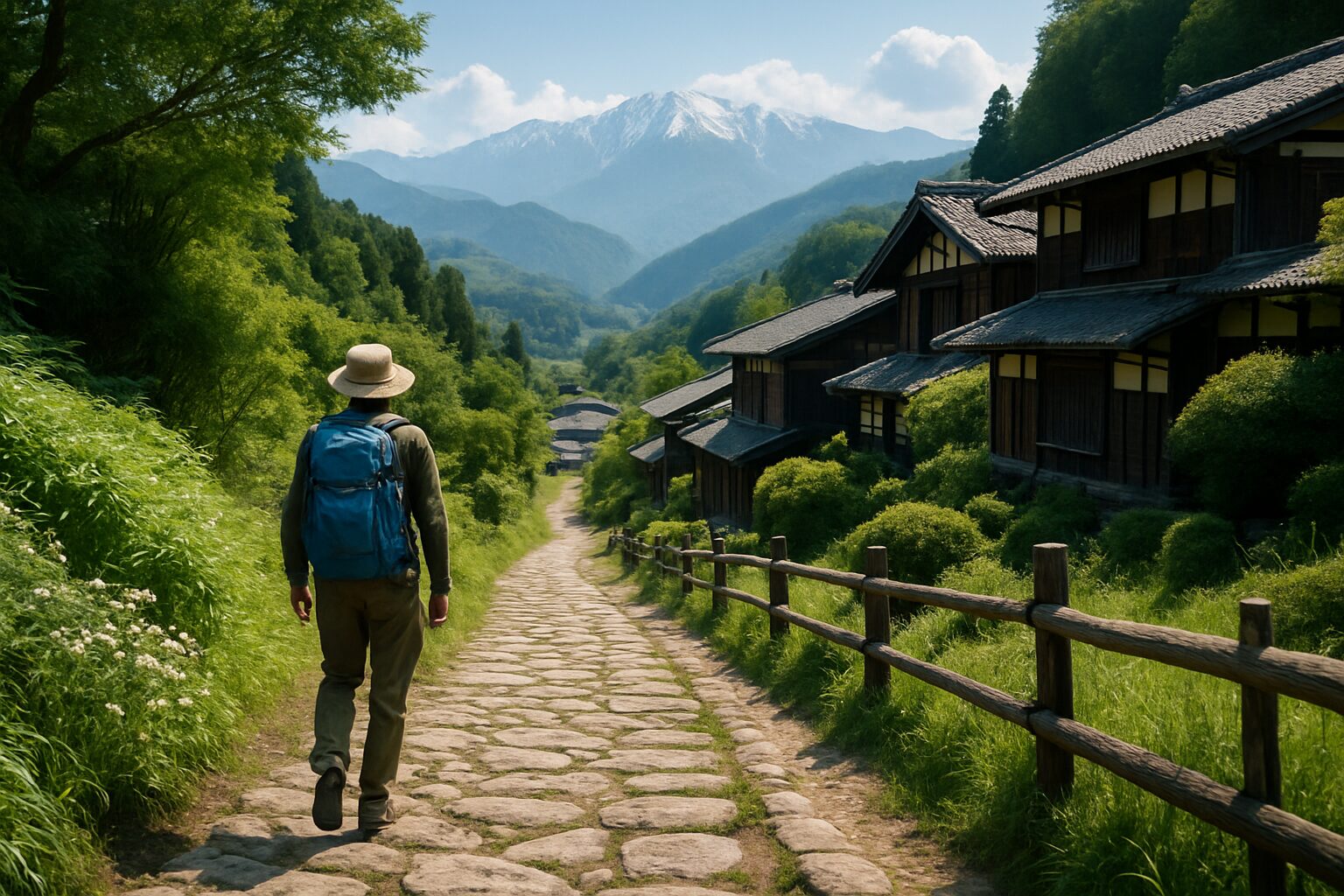
Yo, what’s up, world travelers! Keiko here, coming at you straight from the concrete jungle of Tokyo. Let’s be real for a sec. Sometimes the endless city lights, the packed trains, and the 24/7 hustle can get a little… much. You ever feel that? That urge to just disconnect, to trade the screech of the Yamanote Line for the whisper of the wind in ancient trees? If you’re nodding your head, then I’ve got the ultimate detox for you. We’re talking about a full-on time-slip, a journey back to the Japan you’ve only seen in samurai flicks and ukiyo-e woodblock prints. We’re talking about hiking the Nakasendo Trail. This isn’t just a walk in the park; it’s a walk through history. The Nakasendo, which literally translates to “central mountain path,” was one of the five major highways of the Edo Period (1603-1868), a vital artery connecting the imperial capital of Kyoto with the shogun’s powerhouse in Edo, which we now call Tokyo. Unlike its coastal cousin, the Tokaido, this path cuts straight through the mountainous heart of mainland Japan. For centuries, this trail was trodden by everyone from feudal lords, or daimyo, with their massive entourages, to wandering monks, swift-footed messengers, and hardworking merchants. It was the lifeblood of the nation, a network of stories, commerce, and culture. Today, while Japan has bullet trains and superhighways, beautifully preserved sections of the Nakasendo remain, inviting us to step out of the present and experience a slower, more profound side of this country. It’s the ultimate vibe shift, a chance to get your forest bathing on while soaking in centuries of epic history. So, lace up your comfiest shoes, pack your sense of adventure, and let’s get ready to hit the trail. This is the real Japan, unplugged and absolutely unforgettable.
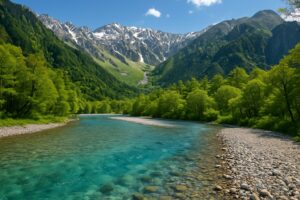
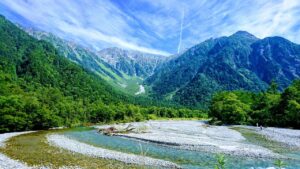
For a completely different, yet equally breathtaking, alpine experience, consider a serene hike along the Azusa River in Kamikochi.
The Vibe Check: What’s the Nakasendo All About?
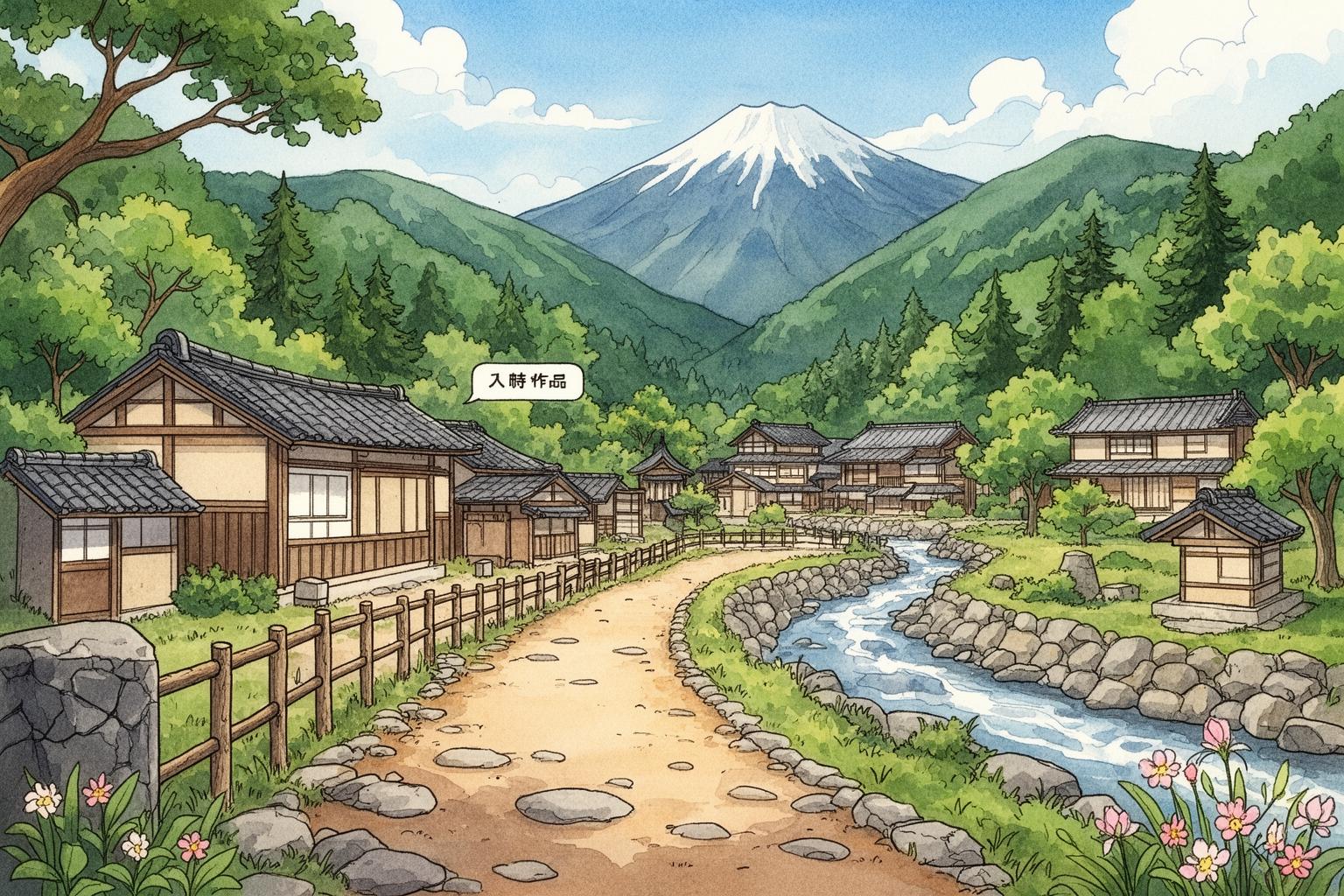
Before we get into the details of routes and snacks (and believe me, the snacks are exceptional), let’s first discuss the feeling of the Nakasendo. It’s a full sensory experience. The initial impression is the quiet. It’s not an empty silence, but a rich, layered quiet alive with the sounds of nature. You’ll hear the gentle babble of a crystal-clear stream flowing beside the path in a stone channel, the rustling of bamboo leaves in the breeze, and the distant, steady clang of a temple bell. In the forested sections, your footsteps on the moss-covered stones, or ishidatami, seem to echo the steps of countless travelers before you. It’s a sound that links you directly to the past. Occasionally, a cheerful jingle breaks the silence—that’s the sound of kuma-yoke no suzu, or bear bells, clipped to hikers’ backpacks. It’s a distinctly Japanese mountain sound, a simple, low-tech way to alert local wildlife that you’re passing through. It gently reminds you that you are a guest in this vast, ancient landscape.
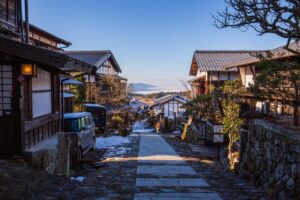
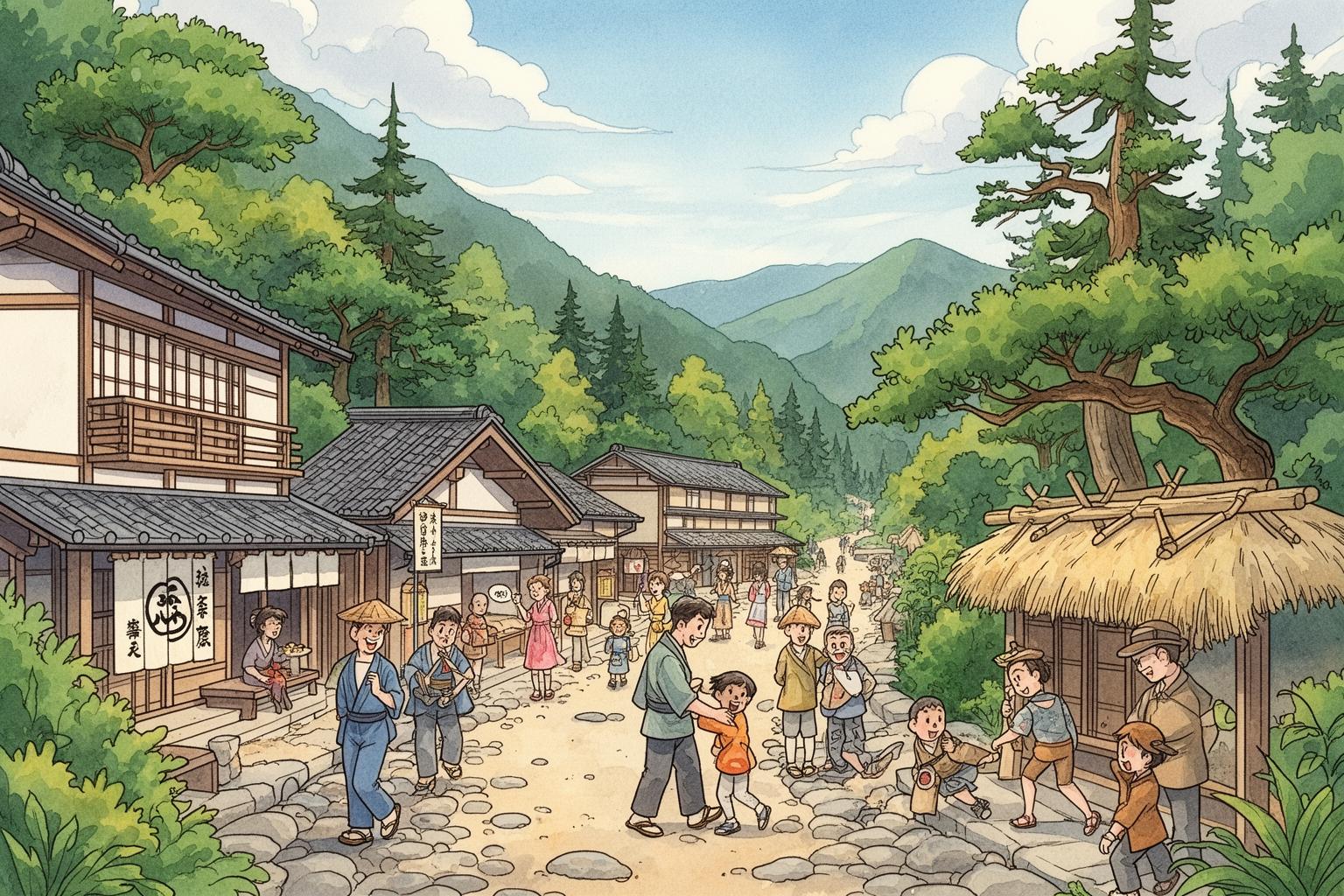
The visual scenery looks like it’s been pulled from a Hiroshige print. The trail meanders through dense forests of majestic cedar (sugi) and cypress (hinoki) trees, their towering trunks forming a natural cathedral that filters sunlight into dappled patterns on the forest floor. You’ll cross charming wooden bridges over rushing mountain streams and pass small Jizo statues, often adorned with little red bibs, placed by locals to protect travelers. Then, you step out of the forest into a juku, or post town. These towns are the very heart and soul of the Nakasendo experience. They were essentially the waystations of their time, strategically located along the route to offer weary travelers places to rest, eat, and sleep. The architecture is enchanting: dark, weathered wood, delicate lattice work, paper screen windows, and gracefully curved tile roofs. There are no bright neon signs or soulless concrete buildings here. Instead, you’ll find family-run inns, tiny teahouses with smoke curling from their hearths, and artisan shops selling local crafts. It’s a world where time seems to slow down, where life’s pace is set by the rising and setting of the sun, not the relentless ticking of a clock. The air itself feels different—cleaner, crisper, and scented with cedar wood, damp earth, and the faint, sweet aroma of charcoal grills cooking local delicacies.
The OG Itinerary: Magome to Tsumago, the Golden Route
So, you’re intrigued by the vibe, but where should you begin? The full Nakasendo trail spans over 500 kilometers, which is quite a lot for a casual trip. For the ideal introduction—the absolute must-do, main-character-energy section—the Kiso Valley trail between Magome-juku and Tsumago-juku is perfect. This 8-kilometer (about 5-mile) stretch is the most famous and beautifully preserved part of the entire highway. It’s accessible, stunningly photogenic, and offers a perfect taste of what the Nakasendo is all about. Think of it as the trail’s greatest hits album, and it’s a total banger.
Starting Strong in Magome-juku
Your journey will most likely start in Magome-juku. Getting there is part of the adventure. From a major hub like Nagoya, take the scenic JR Chuo Line train to Nakatsugawa Station. The ride itself transitions from urban sprawl to lush valleys and rolling hills. From Nakatsugawa, a short bus ride will carry you up the mountainside to Magome. The town is unique for being built on a steep hill, with the main stone-paved street winding its way uphill. As you walk, you’ll notice carefully restored wooden buildings housing inns, cafes, and craft shops lining either side. An iconic feature of Magome is the network of narrow water channels running alongside the street, feeding massive, slowly turning waterwheels that once powered mills. The scene is incredibly picturesque. Before you set out on the hike, take some time to explore. Drop by a shop selling intricate Kiso lacquerware or handcrafted wooden combs. The energy in Magome is lively yet relaxed—a town proud of its past and eager to share it with visitors.
Here’s a crucial tip: hike from Magome to Tsumago, not the other way around. Although there is a tough uphill stretch right after leaving Magome, most of the trail from Magome Pass forward is a gentle, knee-friendly downhill slope. Your legs will thank you. Another essential tip is to use the luggage forwarding service. You can leave your larger bags at the tourist information office in Magome in the morning, and by the afternoon, they’ll be waiting for you at the Tsumago tourist office. This lets you hike with just a small daypack—a complete game-changer. True freedom!
The Hike Itself: Forest Bathing, Literally
Leaving Magome, the trail quickly ascends before dropping into the heart of the Kiso forest. This is where the real magic unfolds. The path alternates between packed earth and sections of the original ishidatami stone paving, which can be slippery when wet, so sturdy shoes are essential. The air cools, the town’s noises fade, and you are enveloped by the forest. This is shinrin-yoku—forest bathing—in its purest form. It’s not about exercise but soaking up the forest’s atmosphere, and the Nakasendo is one of Japan’s top spots for this. The trail is well-marked in both Japanese and English, allowing you to relax and enjoy the surroundings without worrying about losing your way.
A highlight along this stretch is the pair of waterfalls: Odaki (Male Waterfall) and Medaki (Female Waterfall). The powerful surge of Odaki contrasts beautifully with Medaki’s gentler cascade—they make a perfect stopping point to rest, feel the cool mist on your face, and snap some photos. As you continue, notice the small details—the moss carpeting stones, spring wildflowers, and the fiery hues of maple leaves in autumn. You’ll also pass by a few residential farmhouses, offering a glimpse into the rural life still thriving in these mountains.
About halfway through, you’ll reach one of the trail’s most beloved spots: Tateba-chaya. This traditional, rustic teahouse is a simple wooden building with an irori (sunken hearth) at its center. The local volunteer staff greet visitors warmly, offering a cup of hot tea along with pickled vegetables or candy. Best of all? It’s completely free, operating on a donation basis. This is a beautiful example of Japanese omotenashi—hospitality in its finest form. Sitting on tatami mats, sipping tea, and chatting with hosts and fellow hikers from around the world creates an unforgettable moment. It’s a welcome rest for both body and soul.
Arriving in Tsumago-juku: Straight Outta a Movie Set
Descending from the forest, the trail leads into Tsumago-juku. If Magome was charming, Tsumago truly elevates the experience. Known as one of Japan’s best-preserved post towns, it feels like stepping onto the set of a historical epic. What sets Tsumago apart is its unwavering dedication to authenticity. In the 1970s, residents launched a powerful preservation movement, establishing a town charter forbidding the sale, rental, or destruction of historic properties. They also concealed all modern intrusions—you won’t spot any power lines, telephone poles, or TV antennas. The effect is an immersive, uninterrupted historical atmosphere.
Tsumago’s main street is quieter and feels even older than Magome’s. It invites slow wandering. Explore the Tsumago-juku Honjin, the primary inn once reserved for high-ranking government officials and daimyo. Although the original burned down, it has been flawlessly rebuilt using traditional Edo-period methods and materials. Nearby is the Wakihonjin, the secondary inn, preserved in its original 19th-century form and designated an Important Cultural Property. Wandering its dark, polished wooden halls, you can almost hear samurai whispers from the past. Don’t miss the kōsatsu, a large wooden notice board where shogun proclamations were once posted—a stark reminder of the era’s strict social hierarchy. As dusk falls, paper lanterns light up the inns’ exteriors, casting a warm, magical glow on the street. The town grows quiet, and the feeling of stepping back in time becomes complete.
Leveling Up: Beyond the Classic Hike
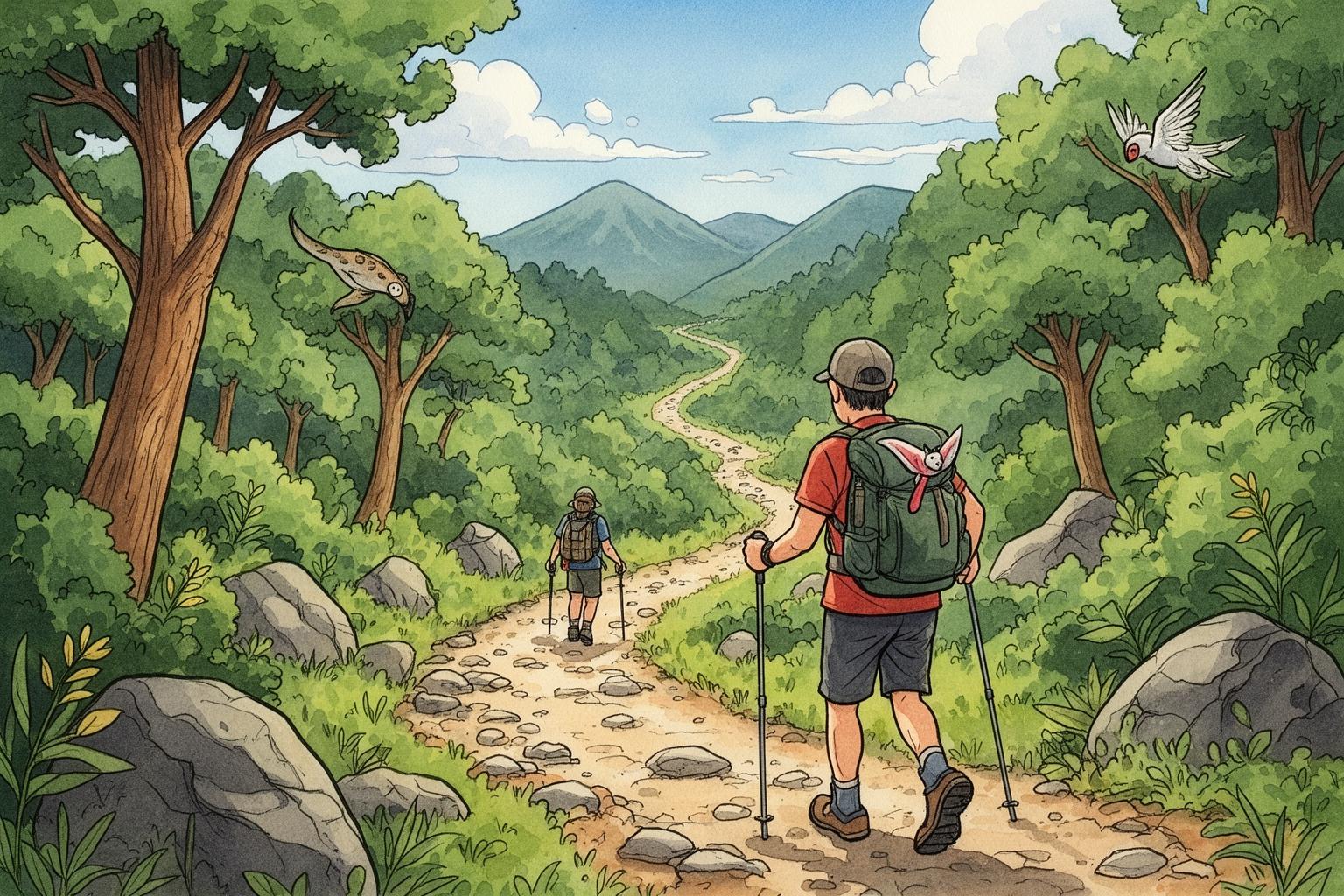
Once you’re hooked on the Magome-Tsumago hike, you might find yourself wanting more. The Kiso Valley offers many other remarkable trail sections and historic towns, each with its own distinct charm. If you have an extra day or two, you can easily extend your Nakasendo adventure and immerse yourself even further in the region’s history.
The Narai-juku to Yabuhara Pass (Torii Pass) Adventure
For those seeking a slightly more demanding hike with great rewards, head north in the Kiso Valley to Narai-juku. Known as “Narai of a Thousand Houses,” this was one of the wealthiest and busiest post towns along the trail. It’s the longest post town in the Kiso Valley, featuring a main street that extends over a kilometer. The town is renowned for its lacquerware, with many shops still selling beautiful bowls, trays, and other items crafted by traditional methods. The sheer size of Narai is impressive and highlights the commercial significance of the Nakasendo.
The hike from Narai-juku to the nearby Yabuhara takes you over the Torii Pass. This 6-kilometer trek is steeper and more rugged than the Magome-Tsumago path, offering a more authentic mountain hiking experience. The pass is named after the Shinto torii gate that stands at its summit. The trail feels ancient and sacred as it winds through a dense, primeval forest. Near the top, a group of small shrines and stone monuments mark the deep spiritual importance this mountain pass held for travelers, who prayed for a safe journey. The views from the summit are breathtaking, and the sense of achievement after crossing the pass is immense. From Yabuhara, the JR Chuo Line provides easy train access, making it convenient for a day trip.
Kiso-Fukushima and the Yamamura Residence
Kiso-Fukushima is another excellent base for exploring the area. Unlike the smaller post towns, Kiso-Fukushima was a larger, more strategic town that hosted a major sekisho, or checkpoint, where all travelers and their goods underwent inspection. This history gives the town a somewhat more official atmosphere. The reconstructed Fukushima Checkpoint, now a museum, offers insight into the strict regulations and methods used to control highway traffic.
The town is dramatically situated on the steep banks of the Kiso River. A must-see is the Yamamura Residence, the former home of the family who governed the region during the Edo Period. This magnificent building exemplifies the high-status architecture of its time. Another highlight is Kozen-ji Temple, which houses Asia’s largest dry landscape rock garden—a stunning spot for quiet reflection. Kiso-Fukushima offers more lodging and dining options than the smaller towns, making it a practical and fascinating place to spend the night.
The Practical Sitch: Planning Your Nakasendo Trip
Alright, let’s dive into the logistics. A bit of preparation goes a long way in ensuring your Nakasendo journey is smooth and stress-free.
When to Visit? The Seasonal Charm
Truthfully, the Nakasendo is stunning throughout the year, but each season brings a unique experience.
Spring (April to May) is absolutely breathtaking. The weather is mild and comfortable for hiking, and you’ll witness cherry blossoms and other spring flowers blooming in the villages and along the trail. The mountainsides are lush with fresh, vibrant greenery. It’s a popular season, so expect more fellow travelers.
Summer (June to August) offers lush, deep green scenery. Everything feels incredibly vibrant and alive. However, it can be hot and very humid, with June’s rainy season (tsuyu) bringing heavy showers. You’ll also need to be ready for insects like mosquitoes and the occasional suzumebachi (Japanese giant hornet). If hiking in summer, start early to avoid the heat of midday.
Autumn (late October to November) is, to me, the absolute best time to visit. The weather is cool, crisp, and excellent for hiking. And the colors… wow. The hillsides ignite in a fiery display of reds, oranges, and yellows. This koyo, or autumn foliage, is stunningly beautiful and perfect for amazing photos. It’s peak season, so book your accommodation well in advance.
Winter (December to March) turns the Kiso Valley into a quiet, magical wonderland. Snow often blankets the towns and trails, creating a breathtaking scene. However, it’s very cold, and some parts of the trail may be icy and challenging. Many inns and shops operate on limited hours or close for the season. Winter hiking is best suited for experienced and well-prepared travelers, but the serene, monochromatic beauty is well worth it.
Where to Stay: Ryokan & Minshuku Experience
Spending the night in one of the post towns is a key part of the Nakasendo experience. This is your chance to stay in a traditional Japanese inn. Your primary options are ryokan and minshuku. A ryokan is a more traditional, formal inn, often featuring elegant multi-course kaiseki dinners, beautifully decorated rooms with tatami mat floors, and sometimes onsen (hot spring baths). A minshuku is a more casual, family-run guesthouse offering a rustic and personal experience; you’ll often enjoy a delicious home-cooked meal with the family and other guests. Both are wonderful choices.
Whichever you pick, expect a traditional setup: you’ll sleep on a comfortable futon laid out on the tatami floor, and bathrooms may be shared. The highlight of any stay is the food, typically centered on local, seasonal ingredients like river fish, mountain vegetables (sansai), and handmade soba noodles. Soaking in a hot bath after a long day’s hike, then slipping into the yukata (a light cotton robe) provided by your inn and sitting down to a fantastic meal, is pure bliss. Accommodations in towns like Tsumago and Magome are very limited, so it’s crucial to book months ahead, especially during the busy spring and autumn seasons.
What to Pack & Getting Around
Packing wisely will make your hike far more enjoyable. The top priority is a pair of comfortable, sturdy walking shoes with good grip, as the stone paths can be uneven and slippery. Dress in layers since mountain temperatures can change rapidly. Even on sunny days, the forest can feel cool. Rain gear is essential because mountain weather is unpredictable. Also pack a refillable water bottle, sunscreen, a hat, and insect repellent during summer. Don’t forget enough cash! While larger hotels and shops may accept credit cards, many smaller inns, restaurants, and shops in the post towns operate on a cash-only basis.
As noted earlier, the luggage forwarding service between Magome and Tsumago tourist centers is a true lifesaver. It’s affordable and reliable, letting you hike hands-free. To get around the broader Kiso Valley, the JR Chuo Main Line is your best option, connecting major towns like Nakatsugawa (for Magome), Nagiso (for Tsumago), Kiso-Fukushima, and Narai. Local buses link train stations to the post towns. If this trip is part of a larger Japan itinerary, a Japan Rail Pass can be very cost-effective.
Fueling the Journey: What to Eat in the Kiso Valley
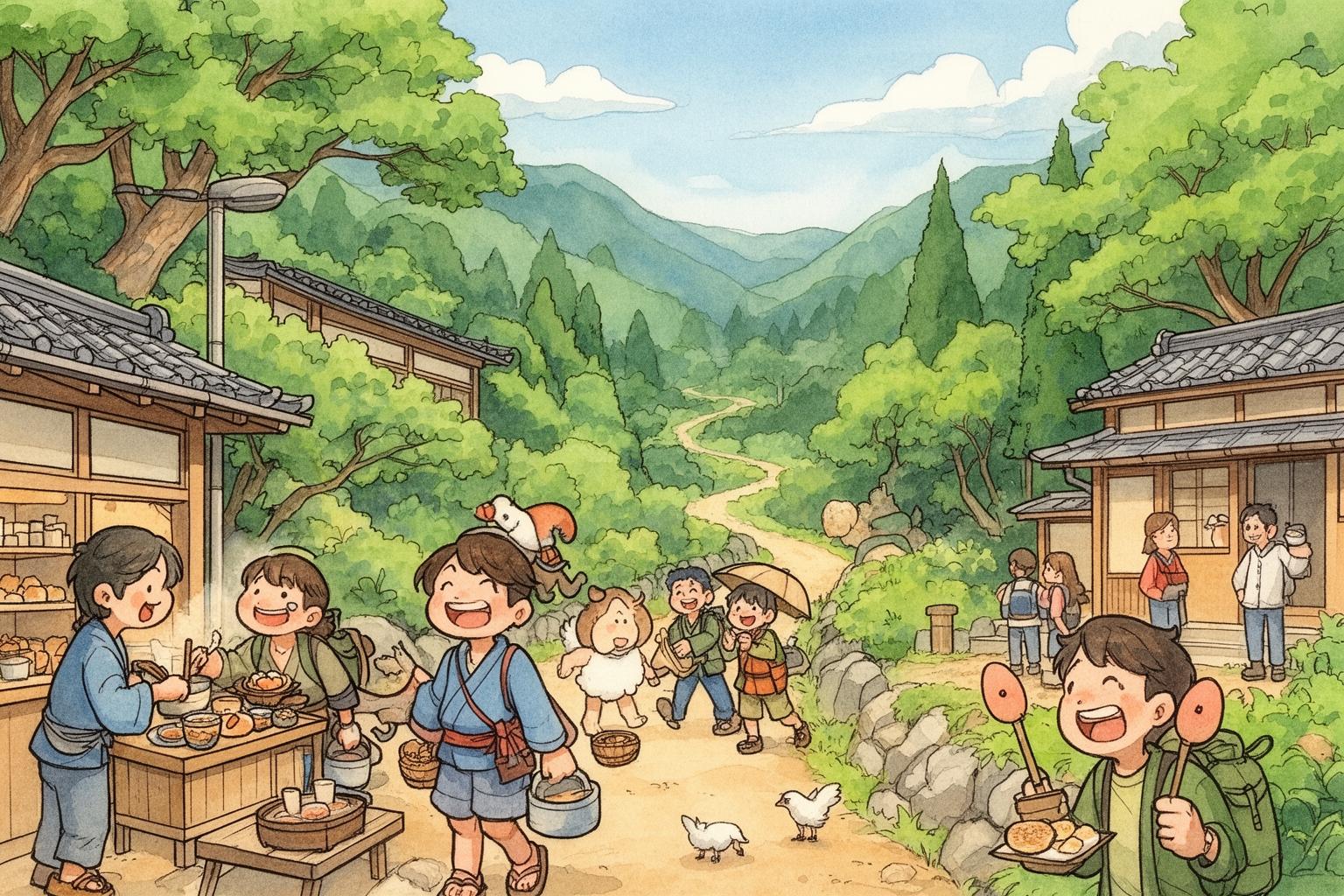
Hiking builds up an appetite, and the Kiso Valley offers some truly delicious local specialties to recharge with. The food here is rustic, hearty, and closely tied to the mountainous environment.
First and foremost, you definitely have to try gohei mochi. This is the region’s signature snack. It’s not the soft, round mochi you might expect. Instead, it’s a generous portion of pounded rice shaped onto a flat skewer, grilled over charcoal, and coated in a rich, savory-sweet sauce made from walnuts, miso, and sesame. The aroma while it grills is irresistible, making it the perfect energy-boosting snack as you explore the post towns.
Nagano Prefecture’s mountainous terrain and pure water make it famous for soba (buckwheat noodles). In the Kiso Valley, numerous small restaurants serve incredible handmade soba. You can enjoy it cold with a dipping sauce (zaru soba) or hot in a savory broth (kake soba). Often, it comes with a side of tempura made from seasonal mountain vegetables.
Speaking of which, sansai, or wild mountain vegetables, are a staple of the local cuisine. Depending on the season, you’ll find dishes featuring fiddlehead ferns (kogomi), bamboo shoots (takenoko), and various mountain greens. They have a unique, slightly bitter, earthy taste that is distinctly Japanese.
In autumn, the area is known for its chestnuts. A beloved local sweet is kuri kinton, a delicacy made from steamed and mashed chestnuts combined with sugar. It’s simple but incredibly flavorful. Lastly, the pure mountain water is ideal for brewing sake. There are several small, local breweries in the Kiso Valley, and enjoying a glass of the local jizake (local sake) with dinner is a perfect way to conclude a day on the trail.
A Deeper Dive: The History and Culture Behind the Trail
To truly appreciate the Nakasendo, it helps to understand the history that shaped it. During the Edo Period, Japan was unified and governed by the Tokugawa Shogunate from its capital in Edo. To maintain control over the country’s roughly 250 feudal lords, the Shogunate established a system called sankin-kōtai, or “alternate attendance.” This system required every daimyo to spend every other year in Edo. When returning to their own domains, they had to leave their wife and heir behind in Edo as political hostages. Consequently, the daimyo and their large retinues—sometimes numbering in the thousands—were constantly traveling back and forth along the country’s main highways. This steady traffic is what made the post towns along the Nakasendo prosper, as they were built and maintained specifically to serve these massive, wealthy processions.
The Nakasendo provided an alternative to the more heavily traveled Tokaido route along the coast. Although the mountainous terrain of the Nakasendo was physically more demanding, it avoided the major river crossings of the Tokaido, which were often impassable in bad weather. The choice of which route to take was a strategic decision for the daimyo.
One of the most famous stories linked to the trail is the journey of Princess Kazunomiya. In 1861, near the end of the Edo Period, the princess traveled from Kyoto to Edo along the Nakasendo to marry the shogun in a politically motivated effort to unite the Imperial Court and the Shogunate. Her procession was enormous, said to number around 50,000 people, and required extensive logistical coordination from all the post towns along the route. Walking the same path today, one can imagine what an incredible spectacle her journey must have been.
The reason we can still enjoy these beautiful townscapes today is due to the foresight and dedication of local residents. After World War II, as Japan modernized rapidly, many historic areas were demolished. But in the 1960s and 70s, the people of Tsumago, Narai, and other towns recognized the unique value of their heritage. They launched some of Japan’s first and most significant historical preservation movements, coming together to protect their towns for future generations. When you walk these streets, you’re not just seeing a relic of the past; you’re witnessing the result of a living community’s deep love for its home.
Final Thoughts: More Than Just a Hike
Walking the Nakasendo is far more than just a physical endeavor. It’s a journey that engages on multiple levels. It offers an immersion in nature, a chance to disconnect from digital distractions and reconnect with the simple rhythms of the natural world. It’s a journey through history, where every stone on the path and every wooden beam of an old inn holds a story to share. And it’s a journey into Japanese culture, providing a firsthand experience of the principles of hospitality (omotenashi), the beauty of traditional craftsmanship, and the deep respect for heritage that characterizes so much of this country.
You arrive in the Kiso Valley to witness the past, but you leave carrying a profound sense of peace in the present. It’s a reminder that sometimes the best way to move forward is to take a step back, slow down, and walk a path that has been traveled for centuries. So, if your soul yearns for a different kind of adventure, one that is quiet, beautiful, and deeply meaningful, the Nakasendo Trail is calling you. It’s not merely a trail through the mountains; it’s a path to the very heart of old Japan. Step out and discover your own story on this legendary road. You won’t regret it.