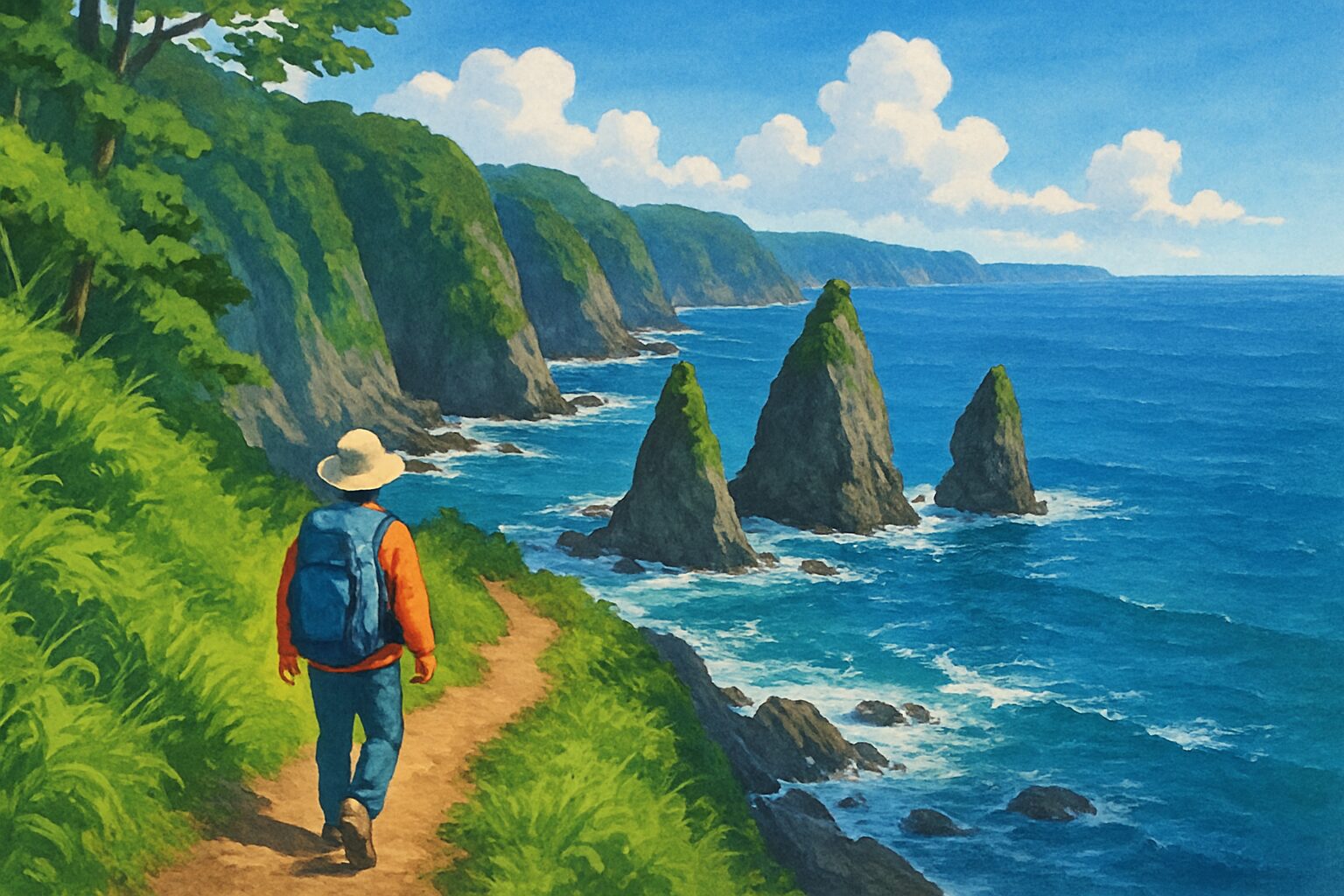
Yo, what’s up, fellow adventurers and Japan-dreamers! Taro here, coming at you straight from the land of cedar forests and mountain highs. Look, I know what you’re thinking when you picture Japan. You’re seeing neon-drenched Tokyo streets, serene Kyoto temples, maybe even a perfect shot of Mount Fuji. And yeah, that stuff is all-time, for sure. But what if I told you there’s a whole other side to this country? A wild, raw, and ridiculously beautiful Japan that most tourists fly right over. I’m talking about a place where the Pacific Ocean doesn’t just kiss the shore; it carves it, smashes against it, and whispers ancient stories to it. This is the Tohoku region, Japan’s rugged northeast, and it’s home to what is, in my humble opinion, the most meaningful long-distance trail in the world: the Michinoku Coastal Trail.
This isn’t just some walk in the park, fam. We’re talking over 1,000 kilometers of pure coastal bliss, stretching from the seagull-screaming cliffs of Aomori Prefecture all the way down to the placid lagoons of Fukushima. It’s a beast of a trail, a true pilgrimage for the modern-day trekker. But here’s the real kicker, the thing that makes this hike so much more than just a collection of scenic viewpoints. The Michinoku Coastal Trail was born from tragedy. It was established after the devastating 2011 Great East Japan Earthquake and Tsunami to help heal and revitalize the communities that were hit the hardest. It’s a literal path of reconstruction, connecting travelers like us with the land and the people who are rebuilding their lives with unbelievable strength and spirit. Walking this trail isn’t just about conquering distance; it’s about witnessing resilience, sharing moments with locals, and becoming part of a story of hope. It’s a journey that will test your legs, fill your belly with the best seafood of your life, and straight-up change your perspective. So, if you’re ready to swap the crowds for cliffs and discover a Japan that’s as real as it gets, you’re in the right place. Let’s get into it.
If you’re drawn to the idea of walking through Japan’s history, you might also be fascinated by the experience of exploring the historic Nakasendo Trail.
The Vibe Check: What Makes the Michinoku Coastal Trail Legit?
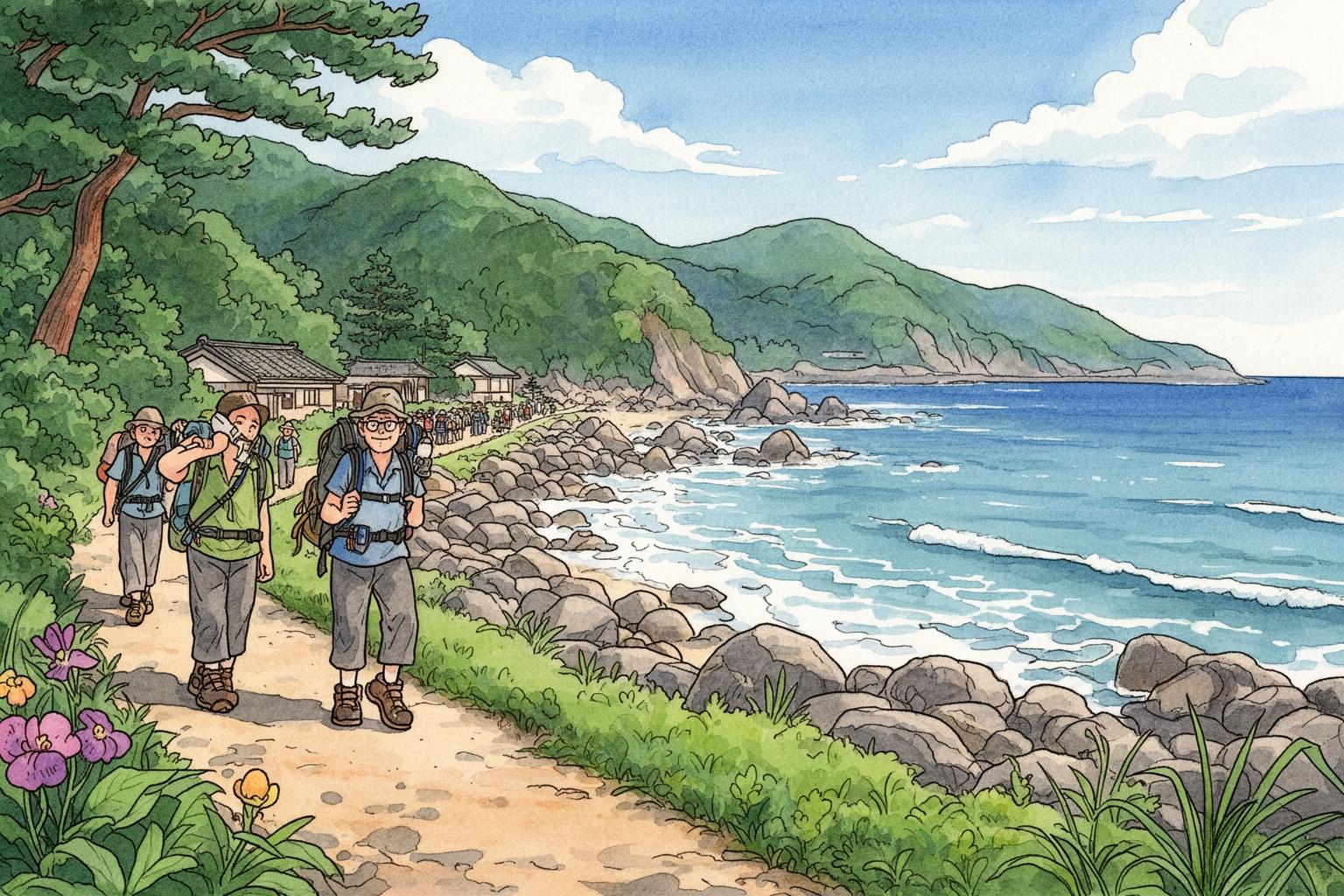
So what’s the true atmosphere of this place? If you’re accustomed to perfectly manicured trails with vending machines at every rest stop, you’ll need to adjust your expectations. The Michinoku Coastal Trail, or MCT as we’ll call it, is untamed. It’s a living, breathing tapestry where nature and humanity intertwine. The trail itself offers a brilliant mix of dedicated footpaths, quiet country roads winding through sleepy fishing villages, sandy beach walks, and steep mountain sections that will leave your quads burning in the best way. One moment you’re walking on a soft carpet of pine needles in a silent forest, the next you find yourself on a cliff’s edge overlooking a hundred-meter drop to the churning blue ocean below. The diversity is simply astounding.
Yet the true heart of the MCT lies in its connection to Sanriku Fukko National Park (Reconstruction National Park). This is more than just a park preserving nature; it’s a park dedicated to rebuilding life. As you walk, you’ll witness the legacy of 2011. You’ll pass massive sea walls, newly constructed towns on elevated land, and quiet memorials honoring those who were lost. But alongside these reminders, you’ll also see remarkable signs of life. Fishermen hauling in their catch with broad smiles, grandmothers tending their gardens who might offer you a fresh tomato, and children playing in vibrant new community parks. The trail gently guides you through these towns, encouraging you to pause, eat at local diners, stay in family-run guesthouses, and spend your money where it directly supports recovery. This interaction lies at the heart of the MCT experience. It transforms you from a mere tourist into a welcome guest, a small part of this incredible story of resurgence. The atmosphere is one of deep respect—for nature’s power, human resilience, and the simple, profound kindness of strangers. It’s a quiet trail, a place for reflection, but never lonely. The spirit of the Tohoku people is your constant companion.
Breaking Down the Beast: Section by Section
The vastness of the MCT can feel overwhelming, so don’t worry about needing to thru-hike the entire 1,000 kilometers in a single attempt (though immense respect if you do!). Most hikers choose to explore it in sections, spending a few days or a week discovering a portion of the coast. The trail passes through four prefectures, each offering its own distinct atmosphere, challenges, and rewards. Let’s explore the journey from north to south.
Aomori Prefecture: The Northern Beginning
This is where the adventure starts, in Honshu’s northernmost prefecture. The Aomori section provides a wonderful introduction to the trail’s character. It’s relatively gentle compared to what lies ahead, yet full of unique sights that set an exciting tone for the trek.
Hachinohe Area: Seagulls and Grasslands
The official starting point is Kabushima Island (now connected to the mainland) in Hachinohe City. It’s a wild way to kick off the hike. The island hosts Kabushima Shrine, a striking red sanctuary perched on a small hill. But the real highlight is the black-tailed gulls breeding here from spring to early summer. They swarm rooftops, fences, and the air in a chaotic orchestra of sound. Locals see these birds as messengers of the gods, so getting “gifted” with bird droppings is considered good luck! It’s a surreal and unforgettable way to begin your trek.
From Kabushima, the trail immediately takes you to one of its most iconic landscapes: the Tanesashi Coast. Forget jagged cliffs—this coastline features vibrant green, lawn-like grass that stretches all the way to the sea. Known as the “nakisuna” (singing sand) beaches and the “shibafu” (lawn) areas, walking here feels like stepping into a fantasy novel, where rolling meadows meet the beach. It’s ideal for a leisurely stroll, a picnic, or simply lying in the grass watching the Pacific waves. The path winds through lovely pine groves and broad sandy beaches—an inviting welcome before the trail’s tougher sections. While in Hachinohe, be sure to sample the local soul food. Ichigo-ni, a rich, savory soup made with sea urchin and abalone, is a must-try representing the pure taste of the Sanriku coast. Also, watch for Senbei-jiru, a hot pot dish featuring special wheat crackers cooked in the broth—a perfect comfort food after a day of hiking.
Iwate Prefecture: The Dramatic Core
Crossing into Iwate shifts the trail’s character significantly. The gentle grasslands give way to some of Japan’s most dramatic and demanding coastal scenery. This is the Sanriku Coast’s true heart, a deeply indented, jagged coastline of breathtaking cliffs and hidden coves. Iwate offers the longest and arguably toughest segment of the MCT, but the reward is extraordinary.
Kita-Yamazaki: The Ocean’s Alps
Prepare for Kita-Yamazaki, often dubbed the “Alps of the Ocean”—and not without reason. This incredible 8-kilometer stretch features sheer cliffs dropping 200 meters into the sea. The trail here is a genuine mountain path hugging cliff edges, with steep climbs and descents that leave you breathless from both exertion and stunning views. Multiple observation decks offer ever more dramatic perspectives. You’ll witness uniquely shaped rock formations rising from the waves and falcons gliding on updrafts. This raw, powerful landscape makes you feel both small and vividly alive. For another view, you can take a sightseeing boat from a nearby fishing port to see the cliffs from sea level, truly appreciating their monumental scale. This section is not for the faint-hearted, but conquering Kita-Yamazaki is a proud achievement for any serious hiker.
Jodogahama Coast: A Pure Land Paradise
After the intensity of Kita-Yamazaki, Jodogahama Coast near Miyako City feels like a heavenly gift. Its name means “Pure Land Beach,” referencing the Buddhist paradise—a fitting description. The bay’s calm turquoise waters are dotted with sharp white volcanic rock formations crowned with resilient green pines. It’s like a classic Japanese landscape painting brought to life. The stark contrast between the dark, rugged cliffs of the outer coast and the tranquil beauty of this cove is breathtaking. You can stroll gently along paths, rent a sea kayak to explore the formations, or relax on the pebble beach soaking in the peaceful atmosphere. It’s the ideal spot to rest tired legs and rejuvenate your spirit before the next leg of the trail.
Goishi Coast: The Singing Stones
Further south in Ofunato City lies another coastal treasure: the Goishi Coast. Named for its smooth black slate pebbles resembling Go game stones, the pebbles create a unique clattering sound when washed by the waves—earning them the nickname “singing stones.” The trail here offers many striking sights, including Kaminari-iwa (“Thunder Rock”), where waves thundering into a sea cave produce a deep booming, and Anatoshiiso, a vast rock arch sculpted by the sea—perfect for photographers. The area is also celebrated for its camellia flowers, blooming vivid reds and pinks in late winter and early spring, adding vibrant color to the rugged terrain. The Goishi Coast showcases the MCT’s constant surprises with new textures, sounds, and views.
Miyagi Prefecture: Bays, Islands, and Urban Energy
Miyagi is where the trail increasingly interacts with larger towns and notable landmarks. The coastline becomes a complex array of deep bays and peninsulas, each possessing its own character. This section offers a captivating mix of wild nature, resilient communities, and samurai history.
Kesennuma and the Karakuwa Peninsula
Kesennuma, one of the region’s largest fishing ports, was heavily damaged in 2011. Visiting here is a powerful experience, witnessing the remarkable recovery, especially at the new fish market “Umi no Ichi,” where you can watch lively auctions and savor the freshest seafood. The trail then leads onto the Karakuwa Peninsula, a picturesque coastline projecting into the Pacific. The highlight is Oganesaki Cape, offering a dramatic cliffside viewpoint ideal for sunrise watching. Look out for “Godzilla Rock,” a natural formation that uncannily resembles the famous monster from certain angles. Kesennuma is a food lover’s paradise, famed for oysters, katsuo (bonito), and sanma (Pacific saury). A fresh seafood bowl here isn’t just a meal; it’s a celebration of the ocean’s bounty.
Oshika Peninsula: Deer and Deep Roots
The Oshika Peninsula is one of the wildest, most remote parts of the MCT in Miyagi. This rugged land was closest to the 2011 earthquake epicenter and experienced significant land subsidence. The trail here is demanding, with many climbs and descents, but deeply rewarding. The peninsula is home to numerous wild deer, often seen grazing peacefully near the trail. The spiritual core is the mystical island of Kinkasan, reachable by a short ferry ride. Considered a sacred power spot, it hosts Koganeyama Shrine, believed to grant wishes for wealth and fortune. The island is a sanctuary where deer—regarded as divine messengers—roam freely among ancient cedar trees. Visiting Kinkasan adds a profound cultural and spiritual dimension to the hike.
Matsushima Bay Section
Though not officially part of the main MCT route, many hikers use the trail network around Matsushima Bay as a scenic detour or grand finale to the Miyagi stretch. Matsushima Bay is ranked among Japan’s Three Views for good reason. It offers a stunning seascape of over 260 small pine-covered islands scattered across tranquil, shimmering waters. The “Oku-Matsushima” trails provide fantastic views away from the crowds. Exploring this area also allows visits to major cultural sites like Zuiganji, a national treasure and one of northern Japan’s most important Zen temples, founded by samurai lord Date Masamune. Experiencing Matsushima presents a classical, poetic contrast to the wilder sections of the MCT, revealing another beautiful facet of the Tohoku coast.
Fukushima Prefecture: The Southern Finale
The MCT’s final stretch runs along Fukushima Prefecture’s northern coast. The landscape softens again here, shifting from the dramatic Sanriku cliffs to long sandy beaches, coastal plains, and vital estuaries. This section offers a quiet, reflective conclusion to the long journey.
Soma and the Matsukawa-ura Lagoon
Following the coast of Soma City, rich in samurai history, the trail passes through an area renowned for the Soma Nomaoi festival—a wild summer event featuring hundreds of samurai horseback riders reenacting ancient battles. Witnessing it is an incredible cultural experience if your timing aligns. The trail’s end is at Matsukawa-ura Lagoon, an ecologically significant and picturesque area now part of a national park. With calm waters and abundant birdlife, the lagoon provides a serene, scenic spot to finish your epic trek. Reaching the final trail marker at Matsukawa-ura fishing port brings immense satisfaction—a moment to reflect on the challenging climbs, stunning vistas, delicious meals, and, most importantly, the warm, resilient people you met. It’s a perfect, peaceful end to an unforgettable adventure.
Planning Your Thru-Hike (or Section-Hike): The Real Deal
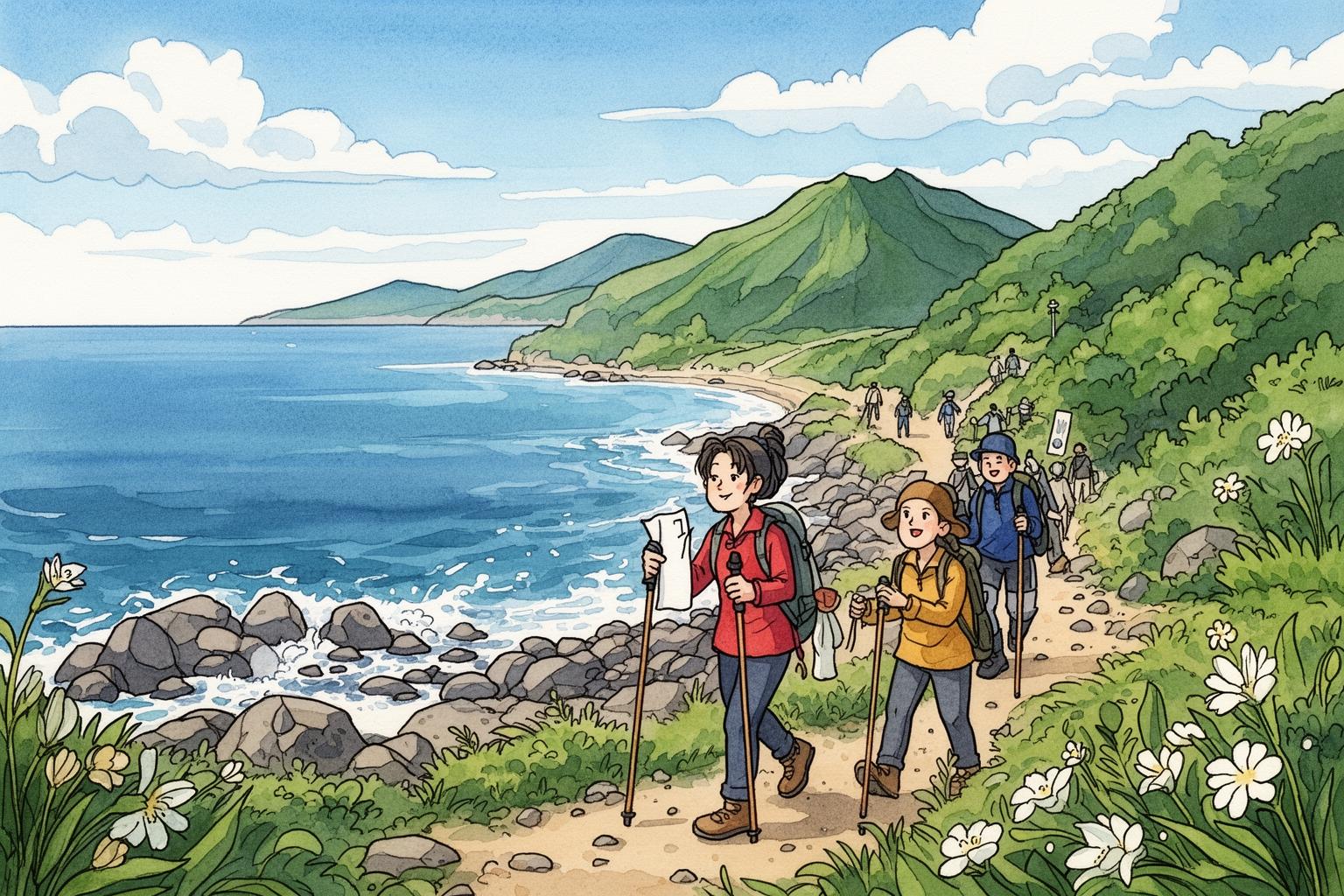
Alright, you’re excited and ready to lace up your boots, but a trip on the MCT demands a solid plan. This isn’t a trail you can just show up at and wing it. Here’s the practical information you need to make it happen.
When to Hit the Trail: Seasonal Highlights
Timing is crucial in Japan, and the MCT is no different. Each season delivers a completely unique experience.
Spring (late April to early June) is a wonderful time to hike. The weather is usually cool and comfortable, and you’ll enjoy late-blooming cherry blossoms along with a burst of other wildflowers by the coast. The mountains showcase vibrant, fresh greenery. The only downside is that some higher elevations, especially up north, might still have lingering snow and ice in early spring, so always check the conditions.
Summer (late June to August) can be challenging, no sugarcoating it. It gets hot and extremely humid, and bugs—especially the notorious “abu” (horseflies)—can be relentless. June and July are also the rainy season (“tsuyu”), so expect frequent showers. That said, the landscape is lush and green, and the long daylight hours mean more time for hiking. If you can endure the heat and humidity, summer offers a uniquely vivid experience.
Autumn (September to early November) is, without question, the best season for hiking the MCT. The oppressive summer humidity fades, leaving crisp, cool, and clear days. The bugs disappear, skies turn a deep blue, and the forests burst into spectacular shades of red, orange, and yellow. This is the prime hiking season, with the most comfortable weather and breathtaking scenery. Simply put, it’s perfect.
Winter (December to March) is only for the seasoned hikers. The northern parts of the trail, particularly in Aomori and Iwate, receive heavy snowfall and can become impassable and hazardous without proper winter gear and mountaineering skills. Many guesthouses and facilities close for the season. While some southern sections in Miyagi and Fukushima might remain accessible, winter is generally not the preferred time to hike the trail.
Gear Up: What to Pack
Your equipment can make or break your MCT adventure. Be ready for varied terrain and Japan’s famously unpredictable weather.
Footwear is essential. You need sturdy, waterproof hiking boots with solid ankle support. You’ll encounter everything from soft dirt trails to sharp rocky climbs and paved roads. Don’t cut corners here; your feet will appreciate it.
Layers are crucial. A proper layering system is a must. Begin with a moisture-wicking base layer (merino wool is excellent), add a fleece or synthetic mid-layer for warmth, and top it off with a waterproof, windproof shell jacket and pants. Even on clear days, coastal weather can change instantly.
Navigation is vital. Though the trail is generally well-marked, you can’t rely on signs alone. Download a GPS app like Yamap (a Japanese favorite) or Gaia GPS, and be sure to download offline maps for your routes, since cell service can be unreliable in the mountains. The Michinoku Trail Club also offers detailed paper maps, which make a great backup and souvenir.
Bringing a solid safety kit is non-negotiable. Include a full first-aid kit, a headlamp with spare batteries (you never plan to hike in the dark, but it happens), an emergency blanket, and a whistle. Importantly, carry a bear bell. Asiatic black bears inhabit the Tohoku mountains. The bell’s noise alerts bears to your presence, giving them a chance to avoid you—you definitely don’t want to surprise one.
And lastly, bring cash! Despite Japan’s tech-savvy reputation, rural areas mostly operate on cash. Many small guesthouses (minshuku), local eateries, and shops don’t accept credit cards. Always carry more yen than you expect to need.
Where to Crash: Lodging Tips
Planning your overnight stays is a vital part of logistics. Accommodations can be spread out, so carefully map out your daily mileage to ensure a place to stay.
Minshuku and ryokan are the heart of MCT lodging. Minshuku are family-run guesthouses—simple, cozy, and offering an authentic experience. The highlight is often the food: home-cooked meals featuring local fish and vegetables. Ryokan are more traditional Japanese inns, usually larger and more formal, sometimes with their own onsen (hot spring). Staying here lets you connect closely with the local community.
Campsites exist but are less frequent than on many Western trails. If you plan to camp, meticulous planning is crucial as campsites can be a full day’s hike apart. Wild camping is generally prohibited.
Booking ahead is absolutely necessary. You can’t just arrive at a small village at dusk expecting to find a room. Many minshuku have just a few rooms and fill up quickly, especially in peak season. The Michinoku Trail Club website offers a helpful interactive map with accommodation info, but booking often means making phone calls. If you don’t speak Japanese, ask the tourist information center in a nearby town or your previous host to help you with reservations. It’s all part of the adventure!
Beyond the Trail: Level Up Your Tohoku Trip
The MCT is the main attraction, but the entire Tohoku region is a rich repository of culture, history, and exceptional cuisine. Don’t just follow the beaten path; take the time to explore the incredible experiences the region offers.
The Food is Fire: Fueling Your Hike
We’ve mentioned some local dishes, but honestly, the food in Tohoku deserves its own spotlight. This region is often called Japan’s breadbasket (or rice-basket), and its proximity to the cold, nutrient-rich Pacific waters means its seafood is unparalleled.
Each prefecture boasts unique culinary specialties you should definitely try. In Aomori City, a great stop before you begin, don’t miss the Nokke-don at the Furukawa Fish Market. You start with a bowl of rice and then stroll through the market, purchasing tickets to trade for your choice of ultra-fresh toppings like tuna, scallops, and salmon roe. In Iwate, Morioka City is renowned for its “Three Great Noodles”: Wanko Soba, an all-you-can-eat challenge where a server keeps refilling your small bowl until you cover it; Reimen, a tasty and refreshing cold noodle dish of Korean origin; and Jajamen, a thick noodle dish with savory meat-miso sauce. In Miyagi, Sendai reigns supreme for Gyutan (grilled beef tongue), which is tender, flavorful, and utterly addictive. And be sure to try Zunda Mochi, a sweet rice cake coated in a bright green paste made from sweetened edamame—it’s far more delicious than it sounds. Finally, in Fukushima, don’t miss Kitakata Ramen, known for its wide, flat, curly noodles and a light yet deeply flavorful pork and niboshi (dried sardine) broth.
The Culture Connection: History and Heart
The trail is rich with history dating back centuries. As you walk, you’ll pass ancient shrines nestled in cedar groves, moss-covered stone markers, and sites tied to the powerful samurai clans of the region, like Sendai’s Date clan. This land is also steeped in folklore, with stories of kappa (water spirits) and mountain deities woven into local culture.
However, the most immediate and significant history is that of the 2011 tsunami. The MCT acknowledges this history openly. The trail leads to several memorial parks and museums, including the Iwate Tsunami Memorial Museum in Rikuzentakata. Visiting these sites is a deeply moving and essential part of the journey. It offers an opportunity to learn, pay respects, and grasp the immense challenges the region has faced and overcome. These visits give vital context to the entire experience and deepen your appreciation for the resilience evident in every town and village.
If possible, try to plan your trip to coincide with a local festival, or “matsuri.” From Morioka’s dynamic Sansa Odori drum festival to Aomori City’s dazzling Nebuta Matsuri with its massive illuminated floats, these events burst with culture, community, and tradition, offering an unforgettable insight into Tohoku’s vibrant spirit.
Real Talk: Tips from a Trail Junkie
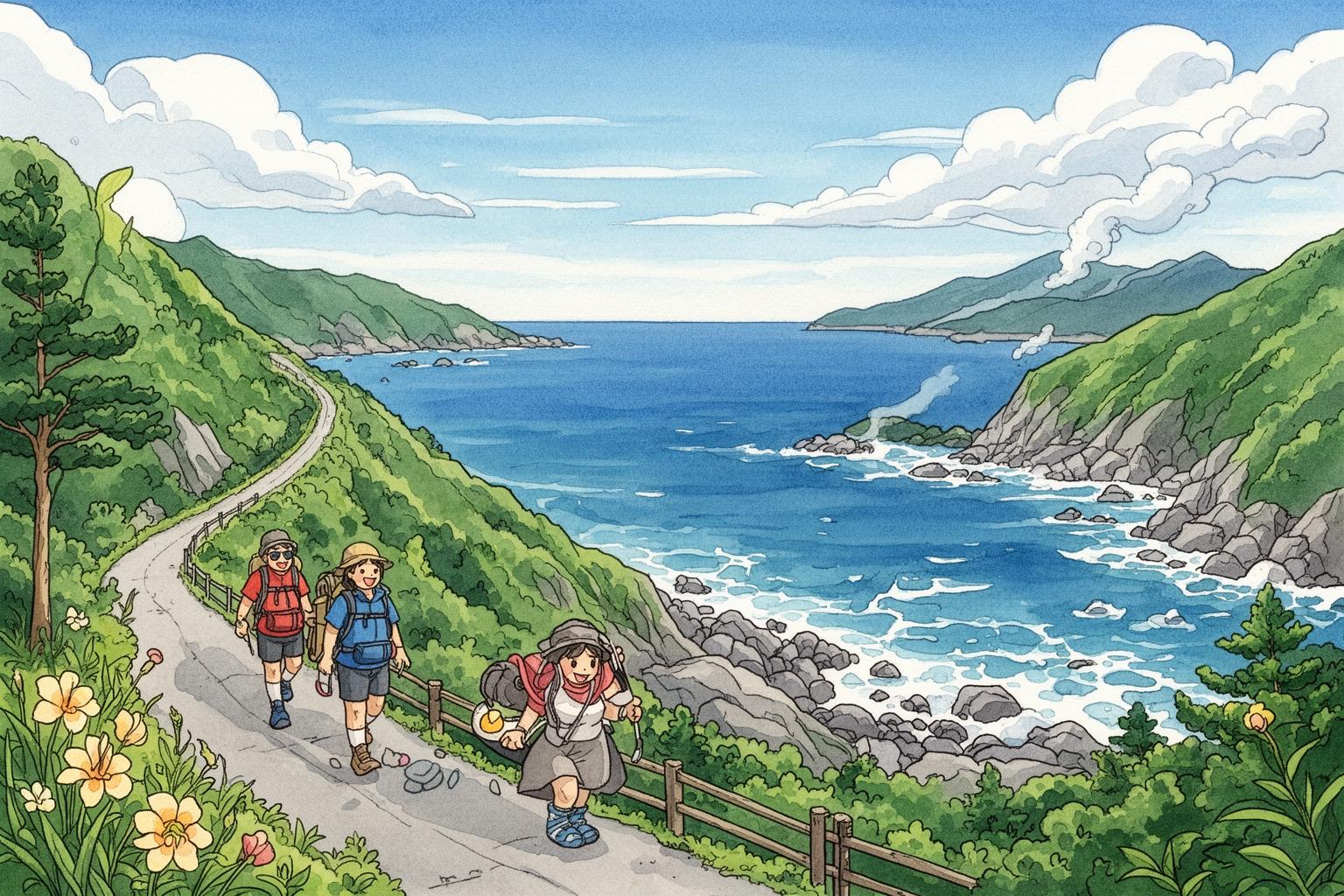
Here are a few final tips, from one hiker to another, to help make your journey smoother.
Language Barrier? No Problem.
Don’t let a lack of Japanese hold you back. Although English isn’t commonly spoken in the rural areas along the trail, the people of Tohoku are extremely kind and patient. Learning a few basic phrases can make a big difference. Saying “Konnichiwa” (Hello), “Arigato gozaimasu” (Thank you very much), “Sumimasen” (Excuse me/Sorry), and “Oishii” (Delicious) will open many doors and bring plenty of smiles. Be sure to download a good translation app; the camera function on Google Translate is invaluable for interpreting menus and signs. But truly, a warm smile, a slight bow, and a genuine effort to communicate are your best tools.
Transportation Tips
Getting to and from the trail is convenient thanks to Japan’s excellent train network. The Shinkansen (bullet train) will take you from Tokyo to Hachinohe in the north or Sendai near the middle of the trail in just a few hours. Once on the coast, the Sanriku Railway becomes indispensable. This local line was severely damaged by the tsunami but has been fully restored and stands as a symbol of recovery. It runs along a large portion of the Iwate coast, offering breathtaking views. Local buses can also get you to more remote trailheads, but be aware they can be infrequent, sometimes running only a few times per day, so plan your schedule carefully. If you plan extensive train travel before or after your hike, a Japan Rail Pass may be a cost-effective choice.
Respect the Trail, Respect the People
This is crucial. Adhere to Leave No Trace principles—take out everything you bring in. The trail is impeccably clean, and it’s our responsibility to keep it that way. When you’re in towns, be a considerate guest: keep noise down in the evenings, respect local customs, and always show gratitude for hospitality. After a long day’s hike, nothing beats soaking in an onsen. Just be sure to follow the etiquette: wash thoroughly in the shower area before entering the bath, as the bath is for soaking, not cleaning. Lastly, be thoughtful when taking photos—always ask permission before snapping close-up pictures of people, and respect private property as well as sacred places like shrines and temples.
The Final Step: Why This Trail Changes You
I’ve hiked trails across Japan and around the world, but the Michinoku Coastal Trail feels different. It gets under your skin. This isn’t merely a physical challenge; it’s also an emotional and spiritual journey. It strips away the non-essential and connects you to something genuine—the power of the ocean, the quiet resilience of an ancient forest, the simple pleasure of a home-cooked meal, and the unyielding spirit of a community.
You’ll face tough days. Steep climbs will leave your lungs burning, and long stretches on the road will test your mental strength. Yet, these hardships are softened by magical moments: watching the sunrise over the Pacific from a lonely cape, sharing a laugh with a guesthouse owner over green tea, savoring a scallop caught just hours earlier, and feeling the deep peace of walking for hours with only the sound of waves and your footsteps as company.
The Michinoku Coastal Trail is more than a line on a map. It’s a story of loss, love, community, and hope—a story you become a part of, even if only briefly. It will challenge and inspire you, lingering long after you’ve taken off your hiking boots. So pack your bags and open your heart—the trail awaits. It’s going to be absolutely epic.