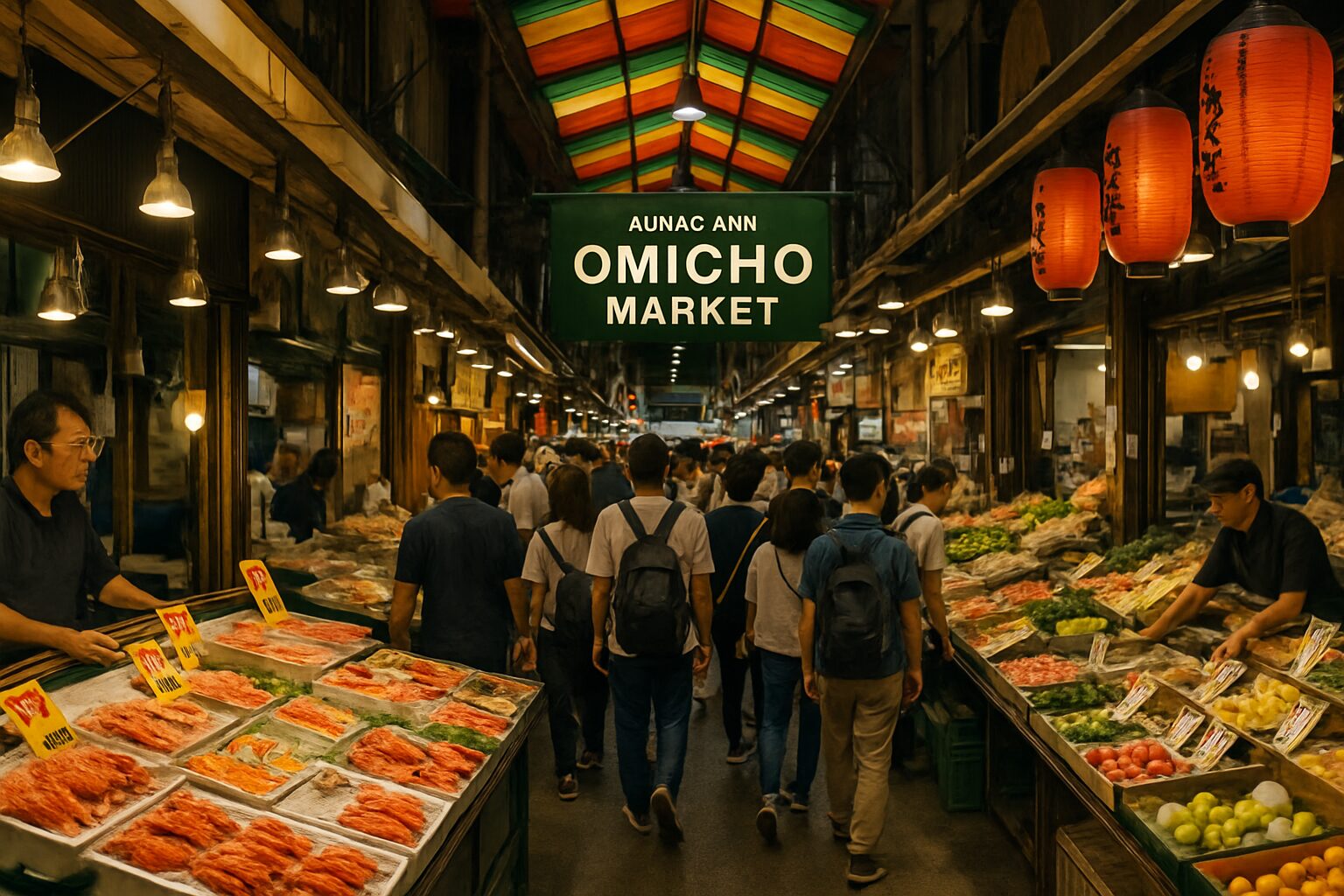
Yo, what’s the move? If you’re rolling through Japan and your stomach starts rumbling for something legit, something that’s more than just a meal but a full-on experience, then you absolutely have to slide through Kanazawa. And when you’re in Kanazawa, there’s one spot that’s the undisputed heart and soul of the city’s food scene: Omicho Market. Forget what you think you know about markets. This ain’t your average farmer’s market back home. We’re talking about a sprawling, covered labyrinth of pure culinary energy that’s been serving up the goods for over three centuries. They call it “Kanazawa’s Kitchen” for a reason, my friend. This is where local chefs, grandmas, and curious foodies like us come to cop the freshest seafood pulled straight from the Sea of Japan, along with a wild variety of local produce and snacks. It’s loud, it’s a little chaotic, and it’s hands-down one of the most authentic and delicious places you’ll ever step foot in. It’s a sensory explosion from the second you walk in, a place where the history of a great castle town meets the vibrant, living pulse of modern Japanese food culture. Get ready to eat until you can’t move, because Omicho Market is the real deal, and it’s waiting to blow your mind.
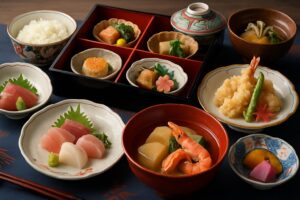
For the ultimate proof of its legendary status, you have to try one of the market’s famous fresh seafood bowls.
The Vibe Check: What’s Omicho Market Even Like?
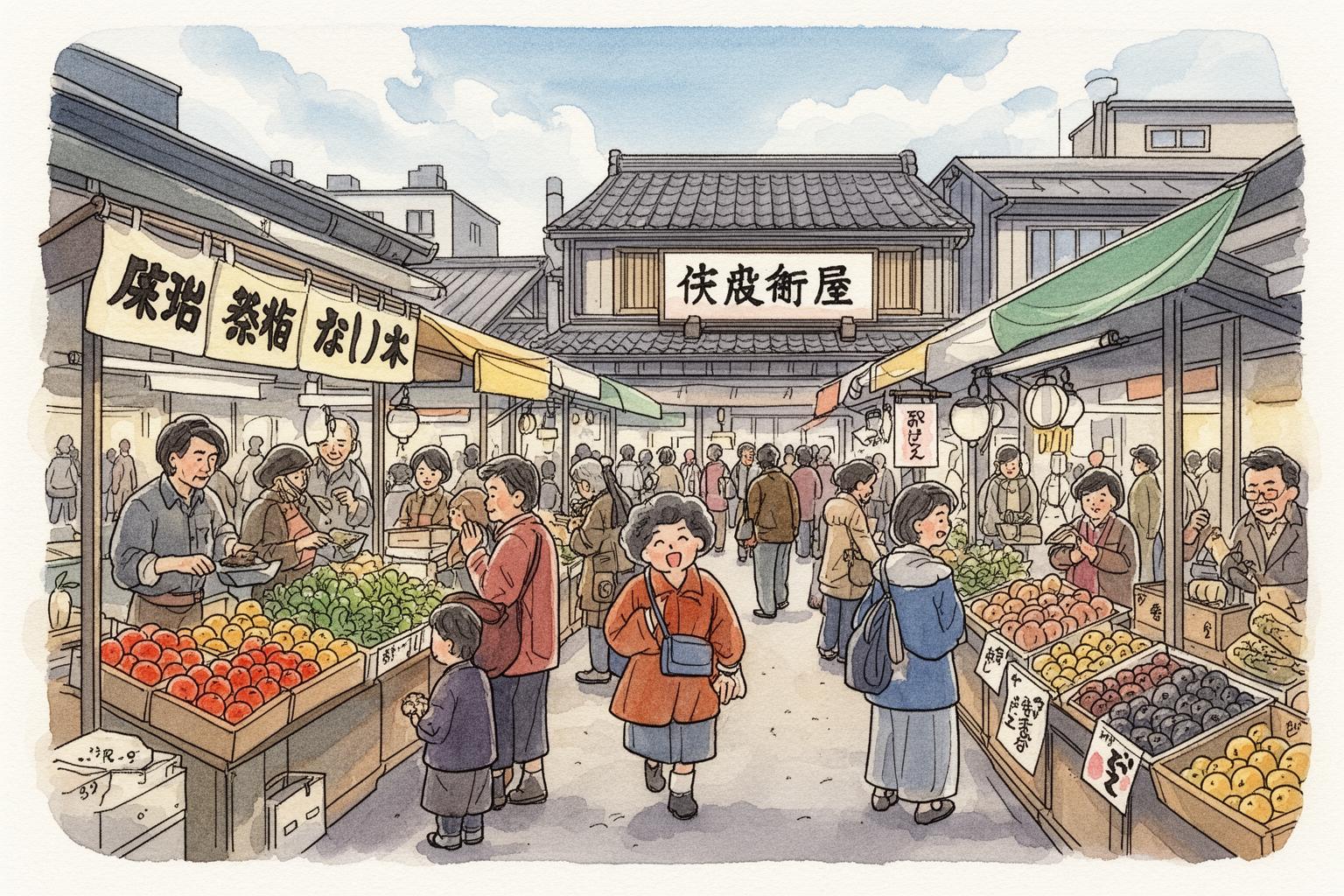
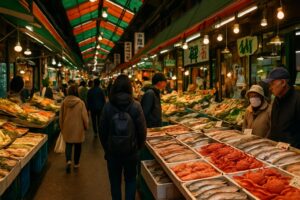
First things first, let’s set the scene. Entering Omicho Market, or Omicho Ichiba as the locals call it, feels like stepping into another world where food serves as the universal language. The air is thick with a blend of sounds and aromas that engulf you instantly. It’s a sensory overload in the best way imaginable. You’ll catch the rhythmic, gravelly shouts of vendors selling their daily catches—deep, booming voices chanting “Irasshaimase!” (Welcome!) while passionately describing the freshness of their goods with an almost musical rhythm. Amidst this, you’ll hear the sizzle of scallops grilling over charcoal, the gentle bubbling of oden pots, and the constant, lively buzz of the crowd. It’s a low-key chaos but a beautifully choreographed performance happening every day.
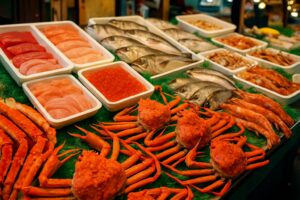
Visually, it’s a kaleidoscope. The market’s main street is a long, covered arcade, shielding everyone from Kanazawa’s famously unpredictable weather. Sunlight streams through the high ceiling, lighting up stalls piled with treasures from the sea. You’ll see glistening silver fish laid out perfectly on beds of crushed ice, trays of bright orange uni (sea urchin) resembling captured sunlight, and tanks of live crabs and shellfish awaiting their turn. The deep crimson blocks of tuna contrast sharply with the pearly whiteness of squid and the jewel-like burst of ikura (salmon roe). It’s not just a market; it’s an art gallery where seafood is the medium. Branching off the main path are narrower alleys, each with its own character. Some are quieter, lined with shops selling dried goods, pickles, and local Kaga vegetables. Others are packed with tiny standing bars and eateries, steam billowing from their doorways and the enticing smells of dashi and grilled fish drawing you in.
The floor is always damp, a sign of non-stop ice shoveling and fish preparation. The energy is contagious. You’ll spot seasoned chefs with discerning eyes carefully picking ingredients for the evening’s service, elderly locals running their daily errands with practiced efficiency, and wide-eyed travelers like us, trying to absorb it all. Despite the rush, there’s a strong sense of community here. Vendors chat with regular customers, sharing gossip and cooking tips. It feels authentic, lived-in, and completely free of the sterile, pre-packaged vibe of a supermarket. This is the raw, beating heart of Kanazawa’s food culture, and just being here, soaking in the atmosphere, is an experience in itself.
The Main Event: Seafood That Slaps
Alright, let’s get down to business. The main reason you’re here, the highlight, is the seafood. And trust me, it’s something else. Being so close to the Sea of Japan means the fish, crabs, and shellfish available here are insanely fresh — we’re talking ‘caught this morning’ level fresh. The variety is overwhelming, and the best way to enjoy it is simply to dive in and sample a bit of everything.
Kaisen-don: The Upgrade Your Rice Bowl Deserves
If you try only one thing at Omicho Market, make it kaisen-don. It’s the ultimate Omicho experience. Kaisen-don is a bowl of warm, perfectly seasoned sushi rice topped with a generous, almost indulgent assortment of fresh sashimi. It’s a masterpiece. Stalls and small restaurants everywhere showcase mouth-watering photos of their creations. The process is a delight. You often get to customize your bowl, pointing out different trays of seafood behind the counter. “A bit of that fatty tuna, please. Oh, definitely some sweet shrimp. And can I have some of that glorious uni?” It turns eating into an interactive experience, building excitement with every choice.
When the bowl arrives, it’s a moment to savor. The colors are dazzling. The deep ruby red of maguro (tuna), the vibrant orange of sake (salmon) streaked with delicate white fat, the nearly translucent pink of amaebi (sweet shrimp), and the glistening, gem-like orbs of ikura that look ready to burst. Then there’s the uni—the sea urchin—with its distinctive mustard-yellow shade and creamy, brain-like texture promising a true taste of the ocean. The first bite is transformative. The fish is so fresh it nearly melts on your tongue. The otoro, or fatty tuna, is buttery and rich, dissolving with barely a chew. The amaebi are incredibly sweet and succulent. The ikura burst in your mouth, releasing a savory, slightly salty brine that perfectly complements the vinegared rice. And the uni… oh, the uni. It’s creamy, briny, and subtly sweet all at once, a complex flavor coating your whole palate. This isn’t just fish and rice; it’s a perfectly balanced symphony of textures and tastes. You’ll find countless places offering it, from famous spots with long lines like Yamasan Sushi to smaller, family-run stalls providing a more intimate vibe. No exaggeration: a great kaisen-don from Omicho will spoil every other seafood rice bowl for you forever.
Oysters and Scallops: Grilled to Perfection
While wandering the market, you’ll be drawn in by an irresistible aroma: seafood grilling over live charcoal. Follow your nose to vendors specializing in some of life’s finest pleasures: freshly grilled shellfish. The stars here are kaki (oysters) and hotate (scallops). You’ll see enormous oysters shucked right before you, their briny liquor shimmering in deep shells. You can enjoy them raw, with a squeeze of lemon or a dash of ponzu, for a pure, unfiltered taste of the sea—creamy, metallic, and refreshingly crisp.
But the magic truly unfolds on the grill. The vendor places a huge, meaty scallop in its shell onto hot coals. A dollop of butter and a splash of soy sauce are added, and it begins to sizzle and hiss, releasing an intoxicating aroma. The butter melts and bubbles, mingling with soy sauce and the scallop’s natural juices to create a sauce you’ll want to sip straight from the shell. The scallop cooks in minutes, becoming tender and sweet with a hint of smoky char. Served piping hot on a small plate, that first bite is sheer bliss. It’s simple, rustic, and deeply satisfying street food at its finest—a perfect snack as you continue exploring the market. Don’t hesitate to order a few; you won’t regret it.
Nodoguro, The Rosy Seabass You Have to Try
Now for the local star, the fish Kanazawa is famous for: Nodoguro, or Rosy Seabass. Spot this on a menu, and you order it. Period. This isn’t just any fish; it’s a luxury item, often called the “white-fleshed toro” due to its exceptionally high fat content. The name nodoguro means “black throat,” referring to the dark interior of its mouth. Outside, it’s a fish with a delicate pinkish hue.
What sets it apart? The flavor. Its fatty meat is incredibly tender and succulent, bursting with deep, savory umami and a subtle sweetness unlike any other white fish. The classic and arguably best way to enjoy it is shioyaki—lightly salted and grilled over charcoal. This method lets its natural flavor shine. The skin crisps up almost like a potato chip while the fat renders, basting the meat from within. The result is fish that’s crisp on the outside, juicy and melt-in-your-mouth tender inside. You’ll find restaurants and stalls around Omicho specializing in grilled nodoguro, and although it’s pricier, it’s a must-try—worth every yen. It’s a genuine taste of the Hokuriku region’s bounty, a fish so good it’ll change how you think about grilled fish.
Snow Crabs in Winter: The Undisputed Champion
If you visit Kanazawa between November and March, you’re in for a legendary treat. This is snow crab season, and Omicho Market turns into a crustacean wonderland. The local snow crabs, called zuwaigani, are a huge deal here. You’ll know you’re getting authentic, locally caught crabs by the small, bright blue tags on their legs—a mark of quality from Ishikawa Prefecture. Stalls overflow with these impressively spindly creatures, both alive in tanks and freshly boiled, their shells blazing red.
The meat of the zuwaigani is exceptionally sweet and delicate, far more flavorful than typical crab. At the market, you can buy a whole crab to take home—or do what most visitors do: grab freshly boiled individual legs or portions. Vendors hand you a steaming crab leg, often with scissors, and you can stand right there enjoying the sweet, juicy meat. It’s hands-on, messy, and pure joy. The flavor is so perfect it needs no sauce, no butter—just the pure, sweet essence of the winter sea. Seeing the mountains of snow crabs and the excitement they spark in locals is a seasonal spectacle that perfectly captures Kanazawa’s deep connection to its coastal waters.
Beyond the Sea: More Eats to Explore
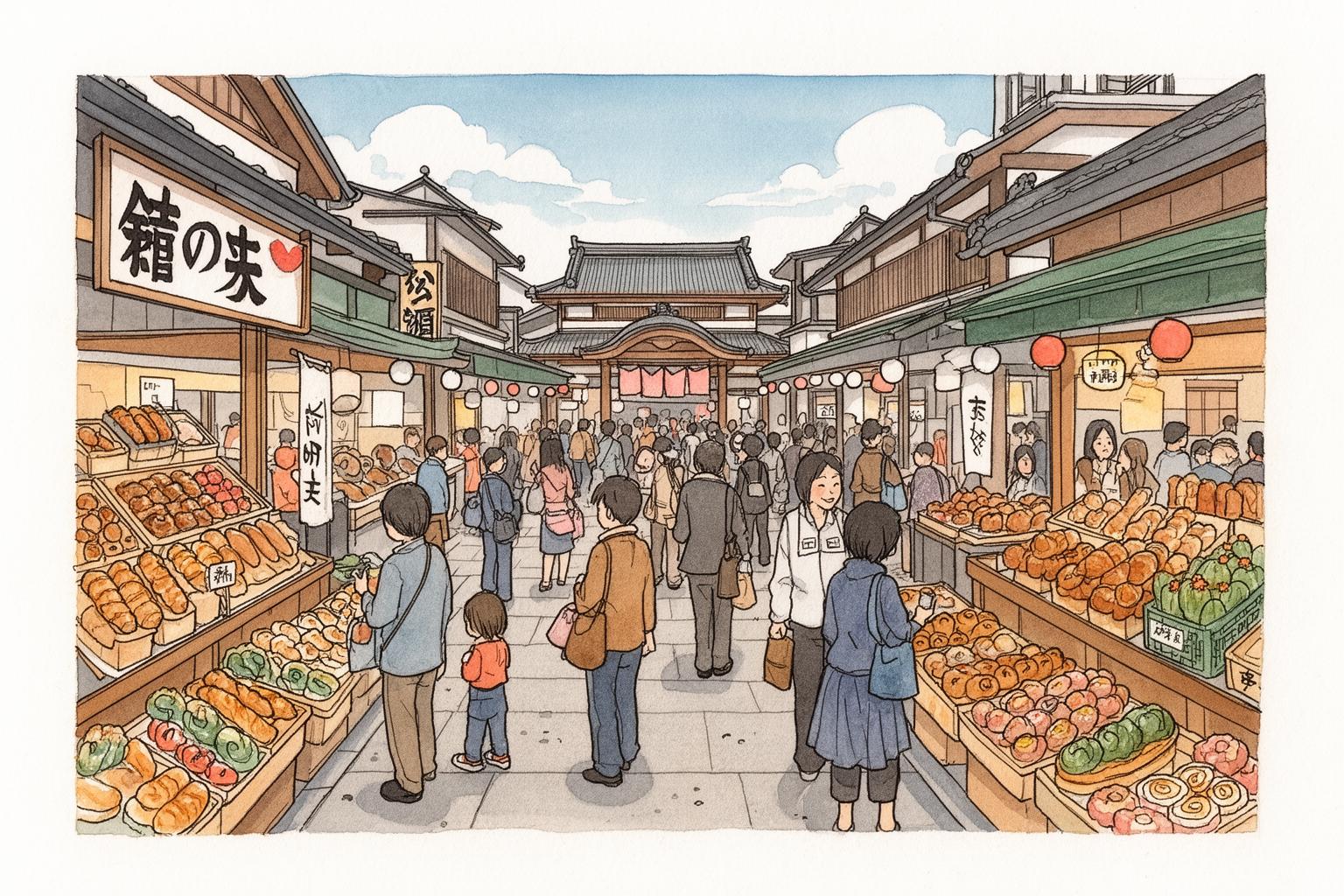
While seafood undoubtedly takes center stage at Omicho Market, the supporting offerings are impressive as well. This market is a treasure trove of various local delicacies, and you’d miss out if you didn’t venture beyond the fish stalls. Kanazawa’s culinary identity is rich and diverse, and Omicho provides the perfect opportunity to sample its other specialties.
Kanazawa Oden: A Cozy Bowl of Comfort
On a cold or rainy day, nothing is more comforting than a bowl of Kanazawa-style oden. Oden is a Japanese hot pot dish where assorted ingredients simmer slowly in a light, flavorful dashi broth. While oden is beloved throughout Japan, each region has its own distinct variation, and Kanazawa’s stands out as especially unique. Within the market, dedicated oden stalls and restaurants serve from large, rectangular pots steaming with a fascinating variety of items.
Kanazawa oden is distinguished by its special ingredients. Be sure to try kurumafu, a wheel-shaped wheat gluten piece that soaks up the dashi like a sponge, becoming tender and richly savory. Another regional favorite is kani-men, a red-and-white fish cake stamped with a crab face, paying a charming and tasty tribute to the local crustacean. You’ll also find baigai, small sea snails that bring a unique chewy texture and deep ocean flavor to the broth. Of course, the classics are present too, such as daikon radish simmered until translucent and soft, hard-boiled eggs infused with the broth’s flavor, and a variety of fish cakes and tofu. You simply point to what you want, and the vendor ladles it out with some golden dashi and a dab of sharp karashi mustard. It’s warm, savory, and deeply satisfying—the ultimate Japanese comfort food.
Fresh Produce and Local Treasures
Remember, Omicho primarily serves locals, which means it’s brimming with exceptional produce. Look for stalls offering Kaga yasai, the collective term for 15 types of heritage vegetables grown in the region. These aren’t your everyday carrots and potatoes. You might spot Kaga renkon (lotus root), prized for its starchy, sticky texture and wonderful in tempura or simmered dishes. Or perhaps you’ll come across Gorojima kintoki, a sweet potato variety with striking reddish-purple skin and super sweet, golden flesh. The fruit stalls are equally impressive, featuring almost cartoonishly large seasonal fruits, like giant strawberries in spring or the eye-wateringly pricey but delicious Shine Muscat grapes in autumn. Even if you don’t have a kitchen to cook in, it’s fascinating just to see the ingredients that shape the local cuisine.
Beyond fresh produce, the market is an excellent place to find edible souvenirs. Shops specializing in tsukemono (Japanese pickles) display barrels full of colorful pickled vegetables in every variety. You can also find premium seaweed, dried fish, and local seasonings. One highlight to look for is dashi-making ingredients, like kombu kelp and katsuobushi (bonito flakes), which are essential to Japanese cooking. For a quick sweet treat, check out stalls selling mochi or other traditional sweets. Exploring these markets deepens your appreciation for the local pantry and the ingredients that form the heart of Kanazawa’s delicious food.
How to Do Omicho Market Right: The Pro Tips
To make the most of your Omicho adventure, a bit of planning goes a long way. This place can feel overwhelming for first-timers, but with a few tips, you’ll be able to explore like a local and enjoy an unforgettable experience.
Timing is Everything, Fam
This is crucial. The best time to visit Omicho Market is in the morning, between 9 AM and noon. At this time, the market is buzzing with energy. Vendors are stocked with the freshest products of the day, the selection is at its fullest, and the atmosphere is lively. You’ll also catch local chefs making their rounds, which is always fascinating. If you wait until the afternoon, many stalls, especially fresh fish vendors, begin to pack up and close. By 4 PM, the market starts to wind down. While the restaurants inside might stay open a little longer, the core market experience is best in the morning. Also, keep in mind the crowds. Omicho Market is very popular and gets especially crowded around lunchtime on weekends and holidays. For a more relaxed visit, try going on a weekday morning, when you’ll have more space to browse and enjoy your food.
Come Hungry, Leave Happy
This may seem obvious, but it’s worth repeating: avoid a heavy breakfast before you visit Omicho Market. In fact, think of the market as both your breakfast and lunch. The best way to enjoy it is by embracing tabe-aruki, which means “eating while walking” (though typically you should step aside to eat, so you don’t block the flow of people). Snack your way through the market. Start with a freshly shucked oyster, then try a grilled scallop. Follow it up with a snow crab cream croquette, perhaps a skewer of tamagoyaki (Japanese rolled omelet), and then, when you’re ready, settle in for a magnificent kaisen-don. This approach lets you sample a wider variety of what the market offers. One practical tip: bring cash. While more vendors now accept cards, many smaller stalls and street food sellers still operate on cash only. Having enough yen on hand will make transactions smoother and prevent you from missing out on delicious treats just because you can’t pay.
Getting There: The Logistics
Omicho Market is conveniently located in the heart of Kanazawa, making it easy to reach. If you arrive at Kanazawa Station, you have a few options. It’s a pleasant 15 to 20-minute walk straight down the main road from the station’s east exit, which is a lovely way to get a feel for the city if the weather is nice. Alternatively, you can take one of the city’s efficient loop buses. Both the Kanazawa Loop Bus (the right loop is a bit faster) and the Kenrokuen Shuttle Bus stop right at Musashigatsuji/Omicho Market. The buses run frequently and are easy to use even if you don’t speak Japanese. The market is also within walking distance of major attractions like Kanazawa Castle Park and Kenrokuen Garden, making it a great central point to base your day’s itinerary.
A Slice of History: More Than Just a Market
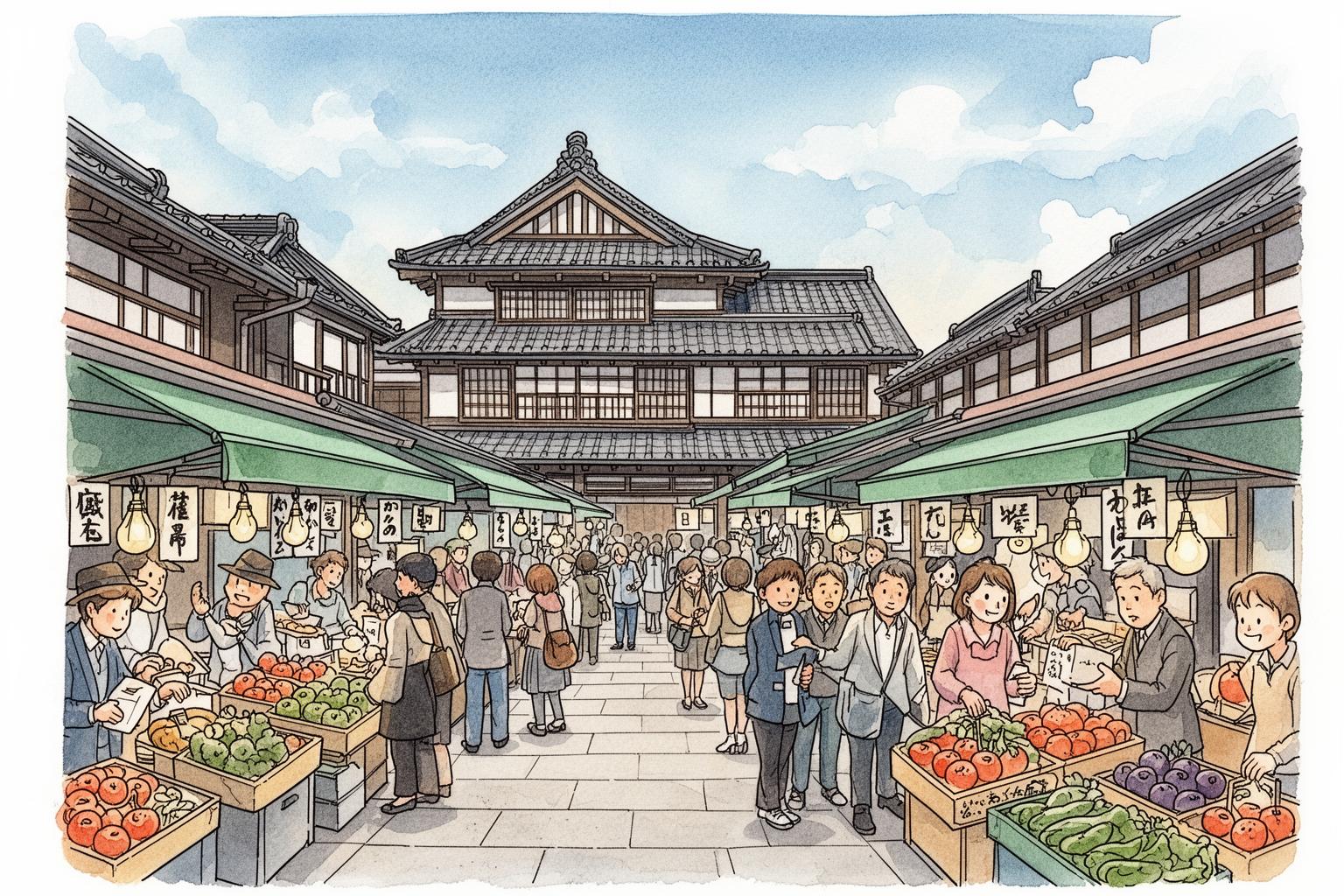
To fully appreciate Omicho Market, you need to realize that you’re not simply strolling through a food hall; you’re walking through a living piece of history. The market dates back to the mid-18th century during Japan’s Edo Period. It began as a modest cluster of stalls near the gates of Kanazawa Castle, established to serve the samurai and nobles of the powerful Maeda clan, who ruled the Kaga Domain, one of Japan’s wealthiest regions. This historical link forms the foundation of the market’s identity and its lasting reputation for quality.
Kanazawa was among the few major Japanese cities spared from bombing during World War II. This fortunate circumstance means much of its historic infrastructure, including the market and surrounding districts, remained preserved. As a result, Omicho has evolved continuously over the centuries, growing and adapting with the times while maintaining its traditional essence. The nickname “Kanazawa’s Kitchen” (Kanazawa no Daidokoro) is more than just a catchy phrase; it carries deep significance, reflecting the market’s central role in the city’s life for generations. It’s a place where family recipes have been handed down, culinary trends have emerged, and the community has gathered to celebrate the region’s natural bounty. When you purchase a piece of fish from a vendor whose family has likely managed the same stall for decades, you are taking part in a tradition woven into the very fabric of the city.
Level Up Your Kanazawa Trip: What’s Nearby?
One of the greatest advantages of Omicho Market is its prime location, making it an excellent starting point or a delicious stop during a day of exploring Kanazawa. The city is fairly compact, with many of its top attractions nearby. After enjoying the incredible food, you can easily walk to Kanazawa Castle Park. Spend some time wandering through the impressive castle grounds, admiring the reconstructed gates and turrets. Adjacent to the castle is a highlight for many visitors: Kenrokuen Garden, considered one of Japan’s three most beautiful landscape gardens—a stunning masterpiece that is breathtaking in every season.
A perfect day might look like this: Begin your morning at Omicho Market around 9 or 10 AM with a seafood brunch. Spend a couple of hours eating and exploring. Then, take a leisurely stroll to Kanazawa Castle Park, followed by a visit to Kenrokuen Garden for the afternoon. As evening falls, head to the Higashi Chaya District, one of Kanazawa’s well-preserved geisha areas. The traditional wooden buildings, narrow alleys, and soft lantern light create a magical atmosphere. Here, you can visit a traditional teahouse, shop for gold leaf crafts (a Kanazawa specialty), and perhaps even catch a glimpse of a geisha on her way to an appointment. By centering your day around Omicho Market, you can effortlessly combine Kanazawa’s culinary and cultural highlights into a memorable experience.
A Final Word: It’s a Vibe You Won’t Forget
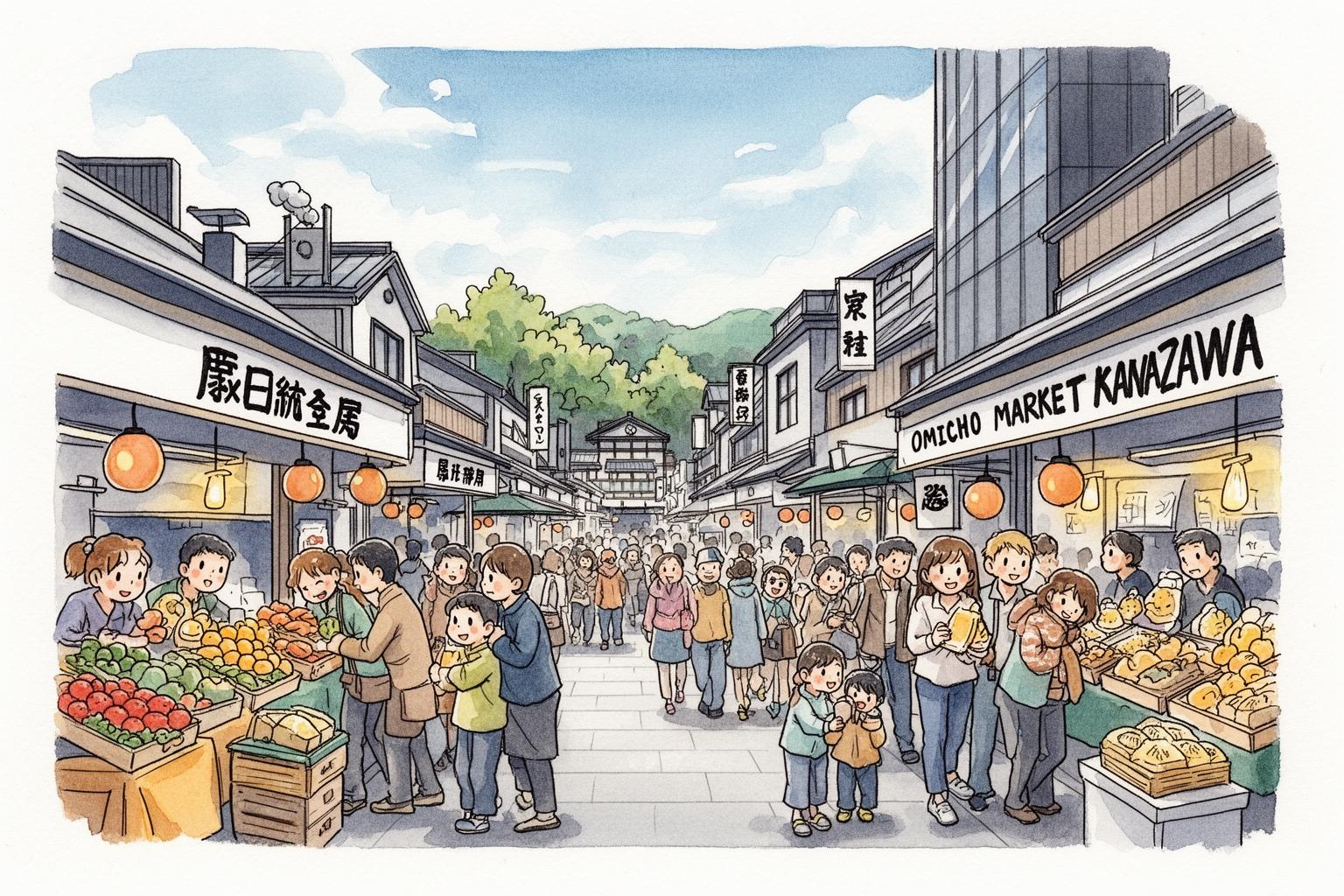
Leaving Omicho Market with a full stomach and a camera roll bursting with vibrant photos, you’ll take away more than just leftovers. You’ll carry the market’s energy with you—the sound of vendors’ passionate calls, the memory of that perfectly fresh, melt-in-your-mouth slice of tuna, and the sense of connection to the city’s daily rhythm, even if only for a few hours. Omicho Market is far more than just a place to eat; it’s a cultural institution—a living, breathing testament to Kanazawa’s rich history and its close bond with the sea. It’s a place of community, tradition, and above all, incredible flavor. It offers a full, multi-sensory experience that is authentic, exhilarating, and absolutely delicious. So, when you visit Kanazawa, head straight to its kitchen. I promise, it’s a vibe that will linger long after your trip ends.