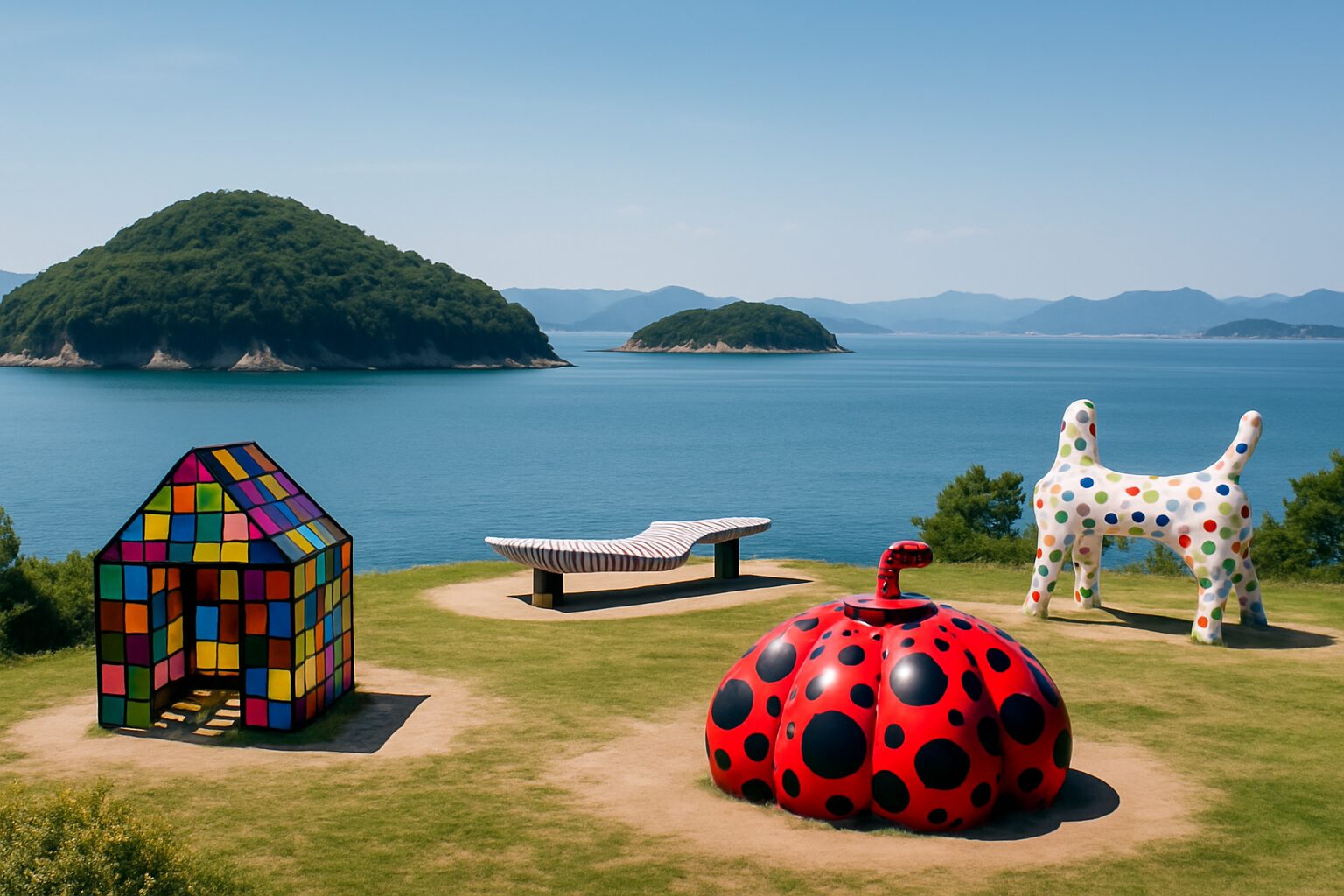
Yo, what’s the deal? If you’re scrolling for a Japan trip that’s less of the same-old temple run and more of a full-blown spiritual glow-up, then you gotta listen up. We’re talking about the Setouchi Art Islands, a whole archipelago chillin’ in Japan’s Seto Inland Sea that got a mega-makeover from sleepy fishing spots to the world’s most epic, open-air art gallery. This ain’t your stuffy, quiet museum scene. Nah, this is where world-class contemporary art gets down and dirty with nature, history, and the legit, everyday lives of the islanders. It’s a whole mood. Picture this: you’re hopping off a slow-moving ferry onto an island where a giant, polka-dotted pumpkin greets you by the pier, where old-school wooden houses hide mind-bending installations, and where you can literally bathe in a piece of art. The main players in this game are Naoshima, Teshima, and Inujima, each with its own distinct personality, but they’re all part of this legendary project that’s been turning post-industrial blues into artistic gold for decades. Spearheaded by the visionary Soichiro Fukutake and brought to life by architectural legends like Tadao Ando, this place is a masterclass in how creativity can literally bring a region back to life. It’s about more than just seeing art; it’s about feeling it in the sea breeze, tasting it in the local food, and finding it in the quiet moments between ferry rides. It’s a pilgrimage for art lovers, a dream for adventurers, and a straight-up escape for anyone needing to hit the reset button. So, if you’re ready to trade crowded cityscapes for serene seascapes and experience a side of Japan that’s deeply thoughtful, ridiculously beautiful, and cool on a level you didn’t even know existed, then get ready. We’re about to dive deep into the Setouchi vibe. It’s a journey, for real.
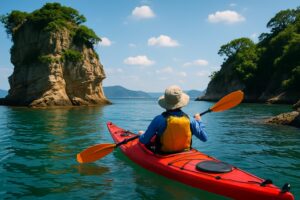
For a completely different way to experience the Seto Inland Sea’s beauty, consider sea kayaking around Shodoshima.
The OG Art Island: Naoshima’s Got the Glow Up
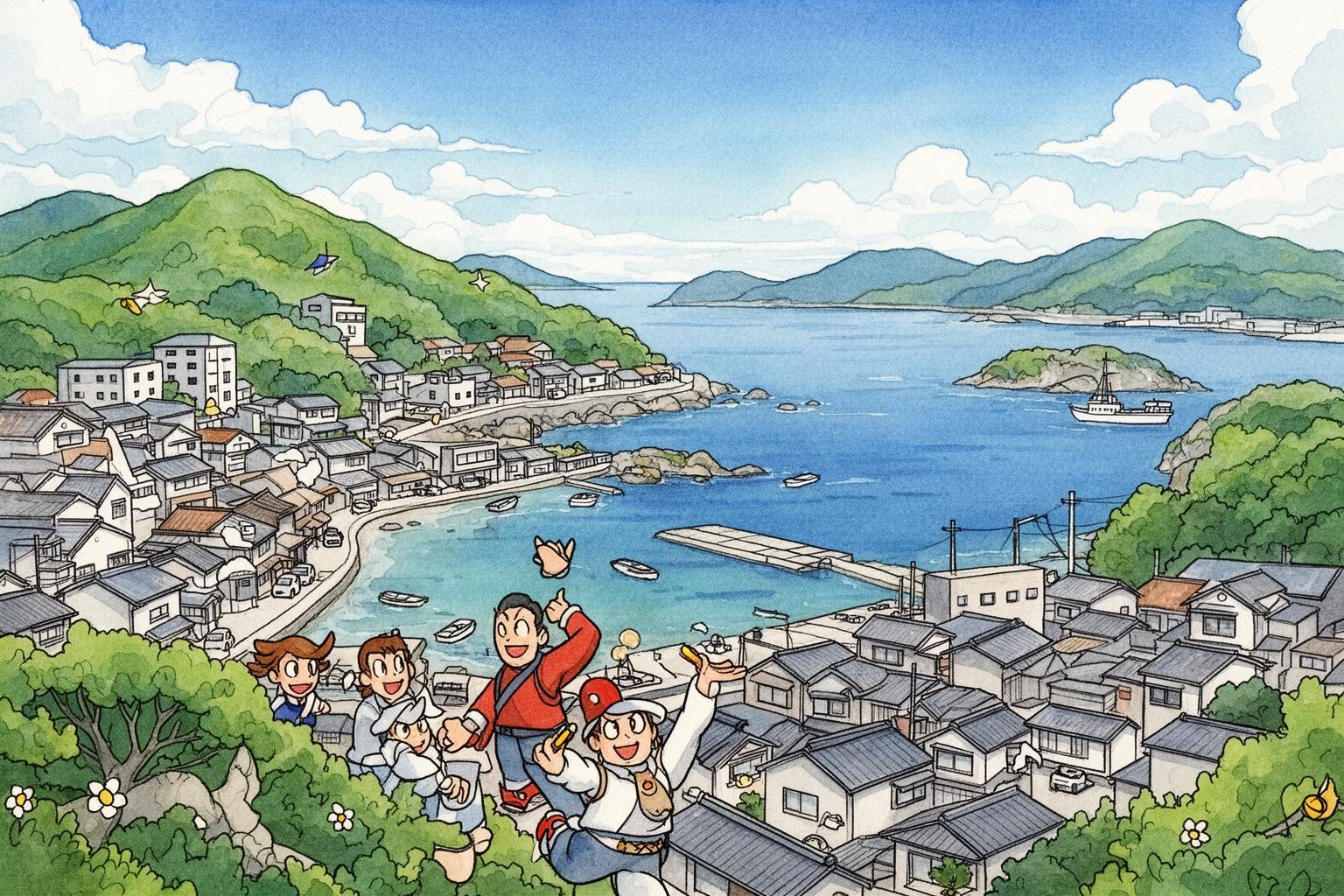
Naoshima is unquestionably the queen, the island that sparked this entire movement and put Setouchi on the global map. It’s the gateway drug to the art archipelago, and its impact hits hard. From the moment you arrive at Miyanoura Port and see Yayoi Kusama’s iconic “Red Pumpkin,” a massive, hollow, polka-dotted gourd you can actually walk inside, you realize you’re somewhere truly special. The island’s vibe is a fascinating mix of a sleepy fishing village and a high-concept art sanctuary. The southern half, dominated by the Benesse Art Site, is where the heavy hitters reside, mostly housed within the concrete fortresses designed by master architect Tadao Ando. His style emphasizes raw concrete, clean lines, and a profound, almost spiritual respect for natural light—on Naoshima, his architecture isn’t just a container for art; it is the art.
Your first pilgrimage must be to the Chichu Art Museum. The name literally means “in the earth,” and that’s exactly where it’s located. Ando buried the entire museum underground to preserve the natural coastline, a stroke of pure genius. Visiting the museum is a carefully orchestrated experience. You leave your phone, camera, and preconceptions at the door. You walk through stark concrete corridors that feel both ancient and futuristic, guided only by the ever-changing slice of sky visible through geometric openings. The museum displays works by just three artists, but the impact is enormous. You’ll stand in a cavernous room with Walter De Maria’s “Time/Timeless/No Time,” a massive granite sphere perched atop a grand staircase, its presence shifting with the daylight filtering from above. Then there’s the James Turrell collection, where you enter rooms that manipulate your perception of light and space until reality feels uncertain. His “Open Sky” installation, a room with a square hole cut into the ceiling, offers pure meditation—where you watch clouds and sky colors drift by like a living painting. But the centerpiece, the emotional heart of Chichu, is the Monet room. You slip off your shoes and step onto a floor of cool marble cubes to enter a vast, white space bathed in soft, diffused natural light. Here hang five of Claude Monet’s “Water Lilies” paintings. Seeing them here, free from glass, in a space designed specifically for them, is a transcendent experience. It feels less like viewing paintings and more like stepping into Monet’s Giverny garden itself. You observe the texture of the paint and the fluidity of the brushstrokes. It’s an emotional gut punch, in the best way possible.
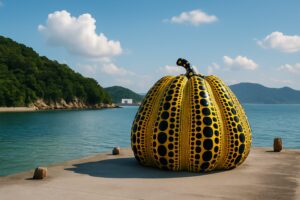
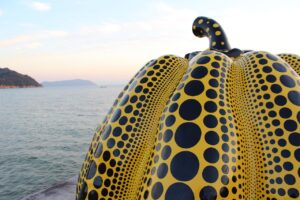
Just down the coast is Benesse House Museum, another Ando masterpiece that also functions as a luxury hotel. The concept is brilliant: you can literally sleep inside a museum. Imagine waking up, stepping out of your room, and immediately facing works by Andy Warhol, Jean-Michel Basquiat, or David Hockney. The museum’s architecture is stunning, with expansive windows and terraces that blur the boundary between the indoor galleries and the breathtaking views of the Seto Inland Sea. The art extends outside as well. The surrounding park and coastline are scattered with incredible outdoor sculptures. This is where you’ll find Yayoi Kusama’s other, even more famous creation, the “Yellow Pumpkin,” defiantly perched at the end of a pier. This pumpkin has become Naoshima’s symbol, a beacon of resilient, joyful art. It’s certainly a photo op but much more than that. It stands as a testament to the island’s spirit, especially after it was tragically swept away by a typhoon in 2021, only to be painstakingly restored and returned to its rightful place. Seeing it there, framed by the sea and sky, feels like a heartfelt homecoming.
But Naoshima’s art extends beyond these grand museums. The real magic—the true fusion of art and island life—happens in the Honmura district. This is home to the Art House Project. The initiative took a handful of empty, centuries-old houses scattered throughout this quiet village and entrusted them to artists to transform into permanent installations. It’s a brilliant way to revitalize the community while preserving its architectural heritage. You buy a combination ticket and wander the narrow, winding streets hunting for these hidden treasures. Each house is a world unto itself. At Kadoya, you sit in a darkened room, gazing into a pool of water where 125 multicolored LED counters, programmed by local residents, cycle through themes of life, death, and rebirth. It’s a collaboration between artist Tatsuo Miyajima and the islanders. Then there’s Minamidera, a new structure designed by Tadao Ando that houses another James Turrell piece, “Backside of the Moon.” You’re led into pitch darkness and must find your way to a bench. For what feels like an eternity, you see nothing. Your eyes strain, your other senses sharpen. Slowly, a faint blue rectangle begins to materialize in the dark—a profound, disorienting, and unforgettable experience that challenges your very perception. Other houses hold different wonders: a dazzling chamber of vibrant traditional paintings by Hiroshi Senju at Ishibashi or a surreal reinterpretation of a Shinto shrine at Go’o Shrine, featuring a stunning glass staircase that appears to descend into the earth. The Art House Project encourages you to slow down, walk, observe the village’s details, and engage with art on an intimately personal level. To cap it off, there’s the I♥︎湯 (I Love Yu) bathhouse, a fully functioning public sento that doubles as a wild, kaleidoscopic art installation by Shinro Ohtake. You can literally strip down and bathe surrounded by vibrant mosaics, a giant elephant statue, and kitschy pop-art decor. It’s quirky, fun, and perfectly captures Naoshima’s spirit: art isn’t just to be seen; it’s to be lived.
Teshima: The Vibe is Nature, Art, and Srsly Good Food
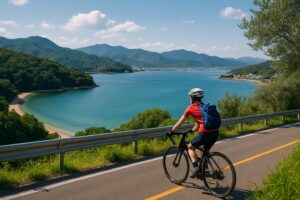
If Naoshima is the dynamic, high-profile star, Teshima is its soulful, poetic sibling. Just a short ferry ride away, this larger, hillier island offers a different, more reflective rhythm. The atmosphere here focuses less on bold architectural statements and more on a deep, harmonious collaboration between art, nature, and the community. Teshima has a darker history, once the site of a massive illegal industrial waste dump that scarred the island for decades. The art projects here are part of a healing process, aimed at regenerating not only the landscape but also the island’s spirit. The best way to explore Teshima is by renting an electric bicycle near the port. The hills are challenging, but the e-bike makes the journey easy, letting you glide through lush forests, past beautifully restored terraced rice paddies, and along stunning coastal roads with panoramic sea views. The ride itself is a significant part of the Teshima experience.
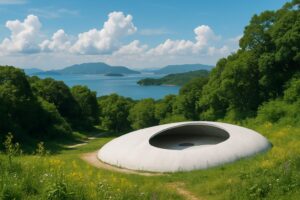
The main destination everyone heads toward is the Teshima Art Museum. To call it a “museum” feels like an understatement. It is more of a sanctuary, a temple dedicated to the elements. Designed by artist Rei Naito and architect Ryue Nishizawa, the building is a single, breathtaking concrete shell shaped like a giant drop of water, nestled seamlessly between a hill and the sea. A quiet, winding path through the trees leads to it. After removing your shoes, you step through a narrow opening into a vast, open, luminous space. There are no paintings or sculptures here; the floor is the canvas, and the art is water. From tiny, almost invisible holes in the concrete, drops of underground spring water slowly and magically seep out. They tremble, merge, and form tiny streams that wind across the floor, pooling and disappearing into other pinprick openings. It’s a living, breathing installation. Two large, oval openings in the ceiling allow the sky, light, birdsong, wind, and occasional rain to enter. You can sit or lie down on the cool concrete floor for hours, watching this delicate, endless dance of water and light. The space demands silence and introspection, heightening your awareness of the subtlest changes in your surroundings. The Teshima Art Museum is one of those rare places capable of moving you to tears. It offers an experience of pure, unfiltered beauty and peace that lingers forever.
But Teshima’s emotional impact doesn’t end there. On a remote spit of land on the island’s eastern side, you’ll find Christian Boltanski’s “Les Archives du Cœur” (The Archives of the Heart). Housed in a small, dark wooden building by the beach, this installation serves as a library of human heartbeats. Boltanski has collected recordings of heartbeats from people worldwide, and here you can search the archive and listen to the frantic, steady, or faint pulses of thousands of strangers. In a separate room, a single bare light bulb flashes in time with a randomly selected heartbeat, filling the dark space with a thumping, visceral sound. You can also record your own heartbeat to contribute to the collection—a small but profound act of leaving a piece of your life force on this remote island. It’s a powerful, slightly haunting meditation on memory, mortality, and the universal rhythm that connects us all.
For a burst of chaotic energy to contrast with the island’s serenity, visit the Teshima Yokoo House. This project transformed a traditional house in Ieura village, with artist Tadanori Yokoo—a master of psychedelic pop art—into a mind-bending, immersive space. You wander through rooms filled with vibrant, chaotic paintings, pass a garden with red-tinted glass that casts the outside world into a surreal landscape, and cross a floor of waterfalls under glass. The main tower is a cylindrical space lined with a collage of waterfalls, and looking up through the colored glass ceiling is a dizzying experience. It is playful, overwhelming, and a total sensory trip, showcasing another way art and architecture merge on these islands.
Beyond the major art sites, Teshima’s charm lies in its embrace of community and food. The revival of the island’s abandoned terraced rice fields is a story unto itself. Local residents, aided by volunteers, have restored these beautiful terraces, which now produce rice used in local restaurants. One of the best places to experience this connection is Shima Kitchen, a restaurant that doubles as an art project. Located in a renovated old house, it serves delicious, wholesome meals made with local ingredients, often prepared by the island’s grandmothers. Eating here, surrounded by art and community, feels like becoming part of the island’s regeneration story. It’s this deep-rooted bond between art, the land, and the people that makes Teshima so profoundly special.
Inujima: The Post-Industrial Phoenix Flex
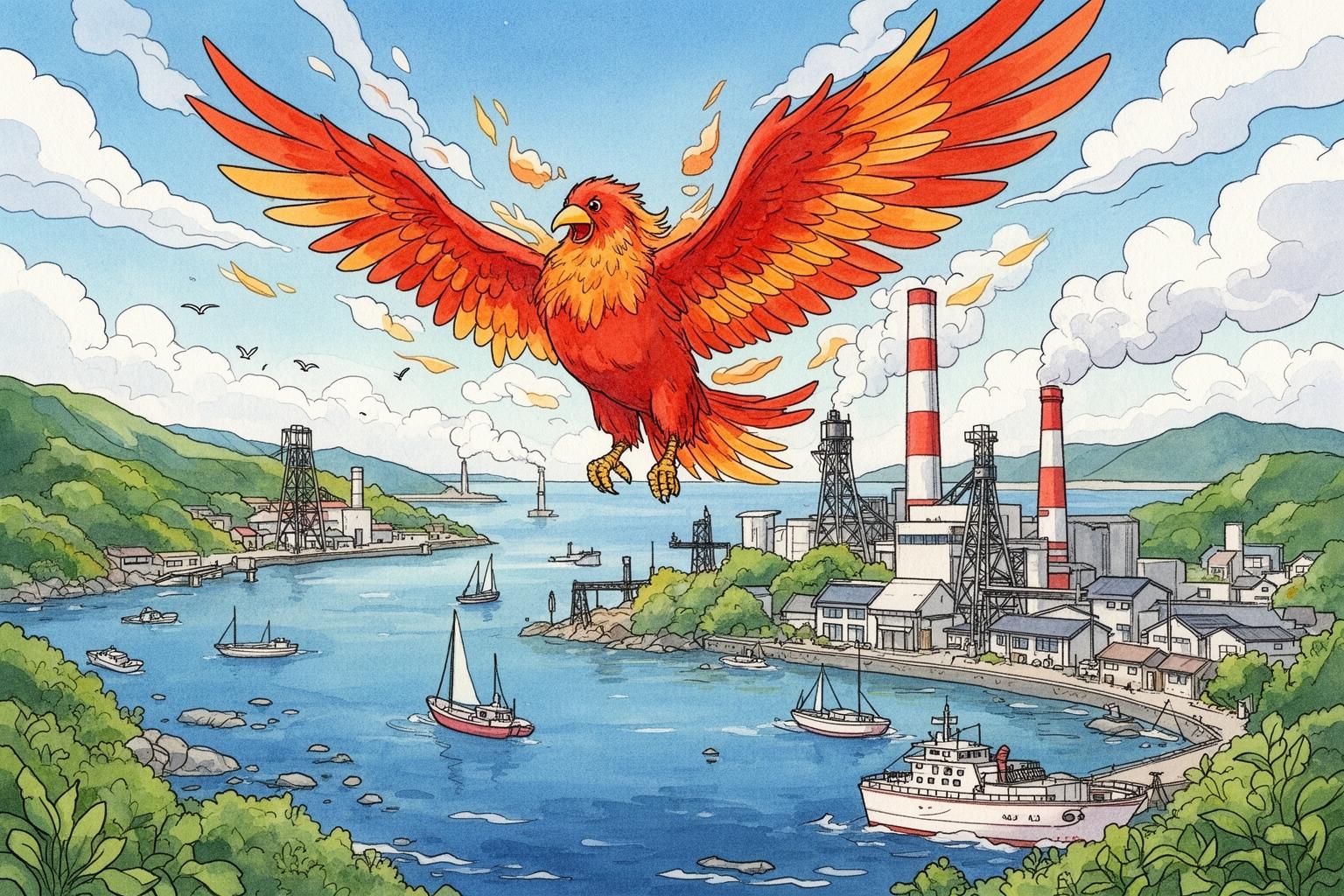
Inujima, also known as “Dog Island,” is the smallest of the main art islands, but it more than compensates for its size with immense conceptual depth. This island carries a weighty history; once home to a large copper refinery that prospered during Japan’s rapid industrialization in the early 20th century, it was abandoned just a decade later, leaving behind a landscape of deteriorating brick factories and smokestacks. For almost a century, these ruins stood as silent monuments to a past era. Today, they form the core of the Inujima Seirensho Art Museum, one of the most intellectually and environmentally ambitious art initiatives in all of Setouchi. The island exudes a quiet, contemplative, and slightly eerie atmosphere, as if you’ve wandered into a Studio Ghibli film where nature is gradually and beautifully reclaiming the industrial remnants.
The Seirensho Art Museum is a triumph of sustainable architecture and historical homage. Led by architect Hiroshi Sambuichi, the project follows the principle of “using what is already there.” Rather than demolishing the refinery ruins, Sambuichi designed the museum around and within the crumbling brick structures, preserving their decay. The entire facility runs on natural energy: sunlight is directed through mirrors and light wells, geothermal heat regulates temperature, and a plant-powered water purification system is employed. The art inside, created by Yukinori Yanagi, draws on the works of the notoriously controversial author Yukio Mishima as a motif to critique Japan’s modernization. Visitors navigate a series of dark, maze-like corridors made of karami bricks (a byproduct of the refining process), encountering surreal installations including a chaotic room where fragments of Mishima’s former house are suspended and distorted by mirrors. The journey culminates in a stunning sunlit gallery, a powerful finale symbolizing rebirth and harmonious coexistence with nature. The Seirensho Art Museum is more than a gallery in ruins; it is a profound statement on memory, industrial heritage, and the promise of a sustainable future. It invites deep reflection on humanity’s impact on the Earth.
Similar to Naoshima, Inujima also features its own Art House Project, but with a distinctly different experience. Curated by artist Kazuyo Sejima, the project comprises five small, transparent or reflective pavilions scattered across the tiny village. These “houses” are designed to blend seamlessly into the landscape, almost vanishing into it. They frame views of the village, reflect the sky, and create new communal spaces. The F-Art House is a playful environment filled with vivid artificial flowers, whereas the S-Art House, with its acrylic walls, distorts and interacts with the surrounding scenery. Walking the path connecting these pavilions feels like a gentle treasure hunt—a quiet stroll through the island’s everyday life. Along the way, visitors pass by the homes of a few elderly residents, see their gardens, and sense the slow, peaceful rhythm of life here. The Inujima Art House Project is understated, elegant, and deeply woven into its environment, perfectly capturing the island’s quiet, enduring spirit.
For most visitors, Inujima is a day trip destination, as accommodations are very limited. The island is small enough to explore entirely on foot, offering a sense of discovery and solitude. It is the least crowded of the three main islands, providing an opportunity for quiet contemplation. The stark contrast between the monumental Seirensho ruins and the delicate, nearly invisible Art Houses is striking. Inujima tells a profound story of boom, bust, and renewal, demonstrating how even a scarred landscape can serve as a canvas for innovative and hopeful art.
The Setouchi Triennale: The Ultimate Art Fest
While the permanent collections on Naoshima, Teshima, and Inujima are more than enough to amaze you, every three years the entire region bursts with creative energy for the Setouchi Triennale. This is the major event, the international art festival that places this part of Japan in the global spotlight. For several months, spanning three seasons (spring, summer, and autumn), more than a dozen islands in the Seto Inland Sea transform into stages for new art installations, performances, and events. It’s an intense, thrilling, and utterly unforgettable experience.
The Triennale offers a chance to explore beyond the main three islands and uncover the unique charms of the other participants. You might find yourself on Shodoshima, the “Olive Island,” celebrated for its Mediterranean climate, soy sauce factories, and quirky art scattered across its expansive landscape, including a massive woven bamboo dome. Alternatively, you could visit the twin islands of Ogijima and Megijima. Megijima, known as the legendary “Ogre Island,” features artworks inside vast, cool caves once rumored to be demon dwellings. Ogijima is a breathtakingly beautiful island with a village cascading down a steep hillside. Its narrow, maze-like alleys are sprinkled with art installations, and its port hosts the iconic “Ogi’s Soul” building — a welcome center with a roof crafted from shimmering, multilingual letters. During the festival, the atmosphere is electric. Ferries are packed with art enthusiasts from across the globe, clutching their Triennale passports, eager to get them stamped at each artwork. The islands hum with a spirit of shared adventure and discovery. Temporary installations appear only during the festival, ranging from enormous outdoor sculptures to intimate video pieces in old community halls. There are dance performances, workshops, and special culinary events. It’s a grand celebration of the bond between art, people, and the stunning Setouchi landscape.
Naturally, visiting during the Triennale means larger crowds and the need for more advance planning. Accommodations fill up months, if not a year, ahead, and ferries are shared with many excited travelers. But the reward is huge. You experience the islands at their liveliest, with a wealth of new and temporary art to explore. Still, it’s important to keep in mind that the core of the Setouchi experience—the permanent collections on the main islands—is accessible year-round. A visit in the off-season offers a completely different, yet equally rewarding, experience. You’ll find a quieter, more tranquil environment that allows for deeper connection with the art and the islands. Whether you visit amid the festival excitement or in the peaceful off-season, the art of Setouchi is always ready to welcome you.
How to Do the Art Islands Right: The Lowdown
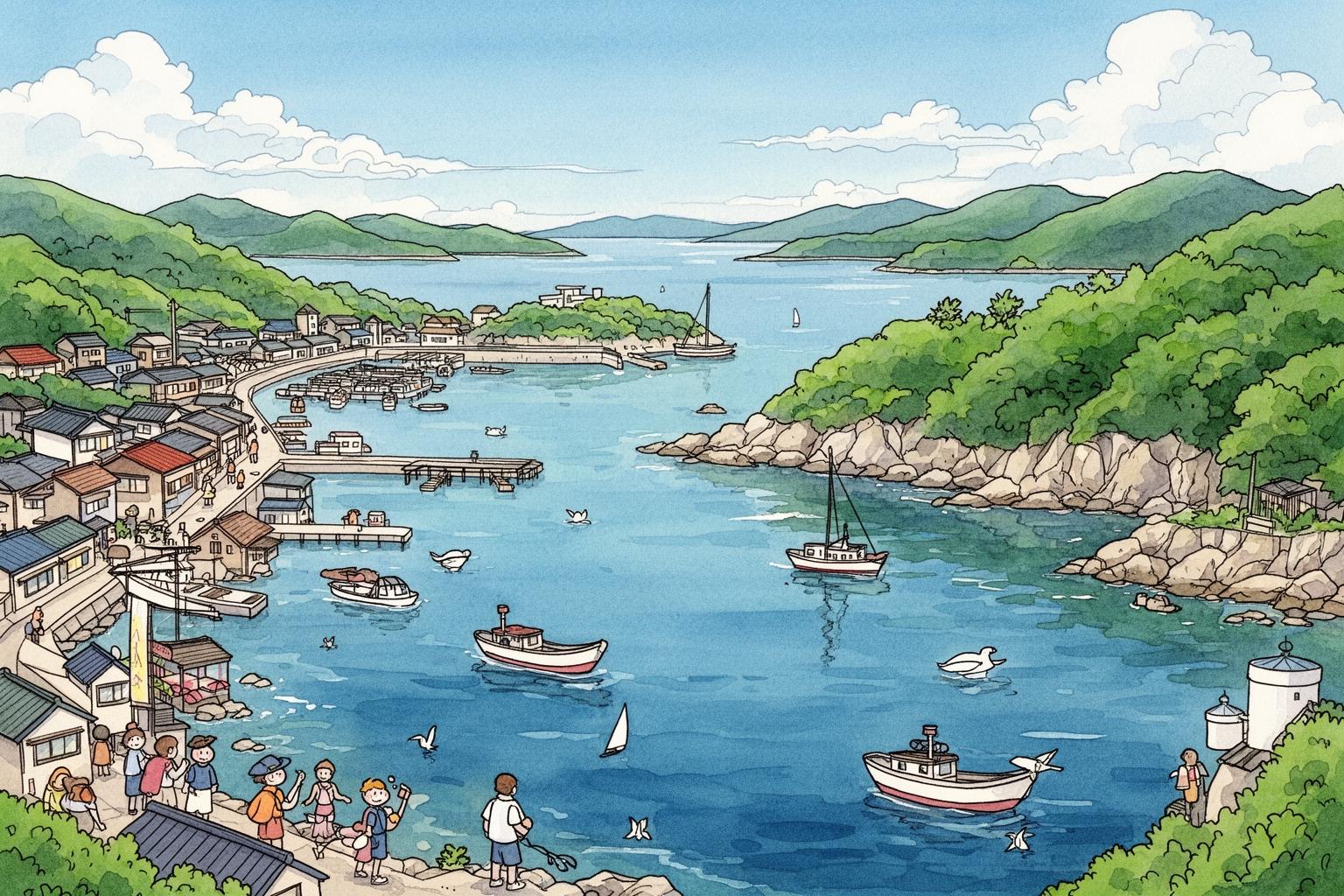
Alright, let’s get practical. Navigating the Setouchi islands isn’t difficult, but it does require some planning to ensure your trip goes smoothly. This isn’t a place where you can just wing it and expect everything to fall into place. A bit of preparation makes all the difference.
First, getting there. Your two main gateways are Uno Port in Okayama Prefecture (on Japan’s main island, Honshu) and Takamatsu Port in Kagawa Prefecture (on the island of Shikoku). Both are easily reachable. You can take the Shinkansen (bullet train) to Okayama station followed by a short local train ride to Uno. Takamatsu has its own airport and a major JR train station. From these ports, a network of ferries and high-speed boats provides the connection to the islands. Here’s Rule Number One: get very familiar with the ferry schedule. Timetables are essential. Ferries can be infrequent, especially to smaller islands like Inujima, and schedules vary between weekdays, weekends, and seasons. Check the official Benesse Art Site or ferry company websites and plan your island-hopping according to the departure times. Missing the last ferry back is definitely not ideal.
Once you’re on the islands, transport is important. Naoshima is fairly straightforward. A town bus runs between the ports, town, and the Benesse area. However, the best way to experience it is by renting an electric bicycle. This gives you the freedom to explore at your own pace and handle the island’s hills without much effort. On Teshima, an e-bike is almost essential. The island is hillier and more spread out than Naoshima, and cycling along its coastal roads is one of the trip’s highlights. Scooters are also available for rent if you have the proper license. Inujima, by contrast, is small enough to easily explore on foot within a couple of hours.
Accommodation is something you need to arrange early, especially during peak season, weekends, or the Triennale. On Naoshima, the top choice is staying at Benesse House, but there are also many charming family-run guesthouses (minshuku) and small inns in the Miyanoura and Honmura areas offering a more local and affordable experience. Teshima and the other islands have fewer options, so booking well ahead is important. Staying on an island lets you enjoy its serene atmosphere after the last day-trippers’ ferry departs.
Now, about the art itself. Many major museums require advance online reservations for a specific date and time slot. This is absolutely necessary for the Chichu Art Museum—you cannot just show up and buy a ticket. It’s also highly recommended for the Teshima Art Museum and others to ensure entry. Keep in mind closing days: most museums and art sites in Japan close on Mondays (or Tuesday if Monday is a national holiday). Always check the official calendar on the Benesse Art Site Naoshima website before planning your visit to avoid disappointment. For the Art House Project on Naoshima, you purchase a combination ticket at one of the houses, granting access to all except Kinza, which requires a separate reservation. A bit of digital prep beforehand will save you a lot of hassle when you’re there.
The Vibe Check: What It Actually Feels Like
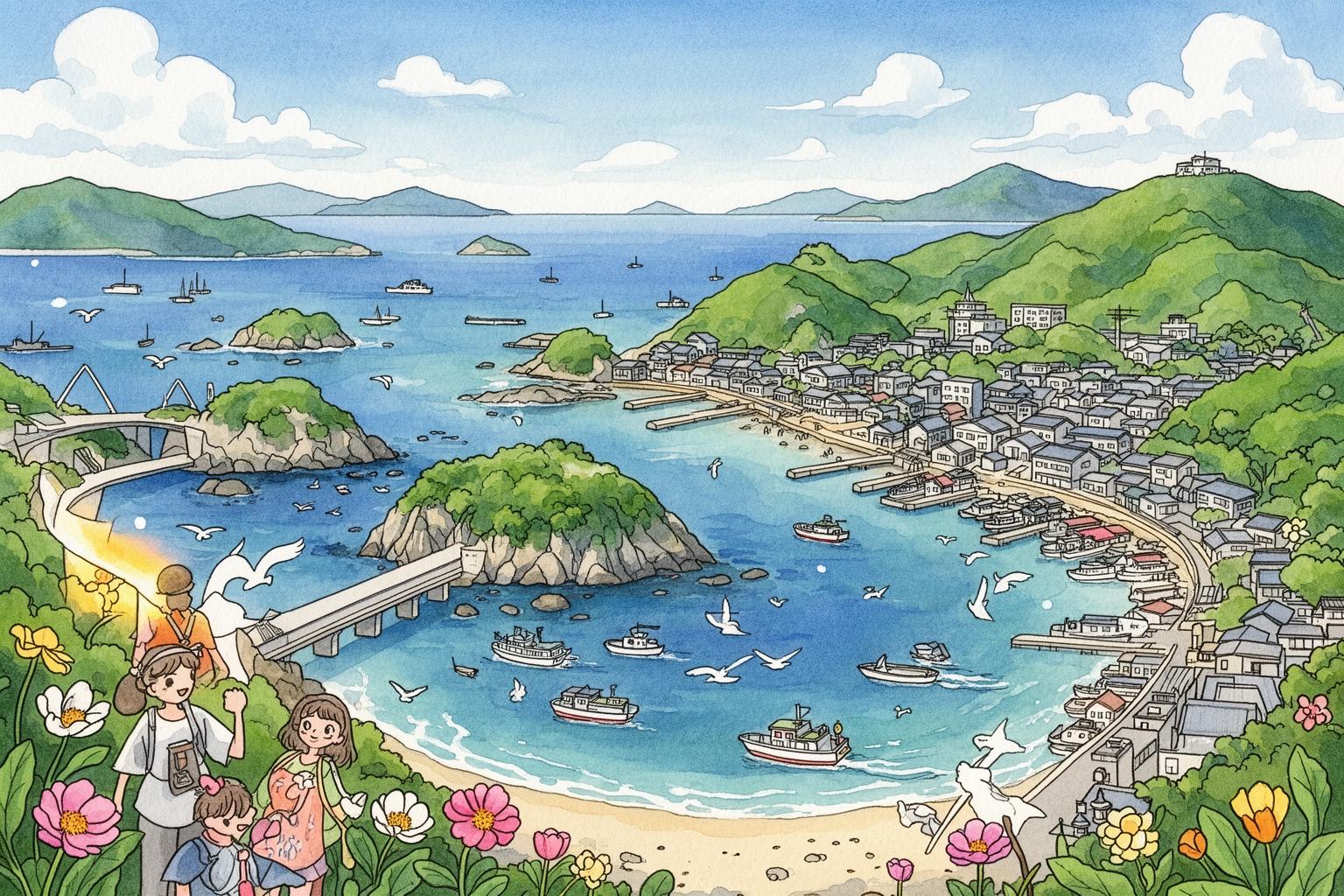
We’ve discussed the art and the logistics, but what does it actually feel like? The Setouchi experience is a full sensory immersion, where the atmosphere matters just as much as the artworks themselves. It begins with the journey. The ferry ride isn’t merely transportation; it’s a transition. Standing on deck, watching the mainland fade away and the outlines of islands emerge from the misty, shimmering sea, you sense yourself slowing down, shedding the city’s stress. The Seto Inland Sea, renowned for its calm, lake-like waters, is dotted with countless islands, oyster farms, and the occasional fishing boat. This gentle, rhythmic movement between islands becomes the heartbeat of your trip.
The islands’ atmosphere is a striking paradox. You encounter ultra-modern, sometimes imposing concrete buildings by Tadao Ando, housing priceless contemporary art, next to tranquil, traditional villages where elderly residents tend gardens and hang laundry to dry. The soundscape blends natural and human elements: the soft lapping of waves, the buzzing cicadas in summer heat, the distant ferry’s hum, and the profound, curated silence inside a museum. This contrast makes the place so captivating. You might step out of a mind-altering James Turrell installation and, moments later, buy a cold drink from a vending machine beside a Shinto shrine, while a local cat watches you lazily. This seamless fusion of the extraordinary and everyday is the true magic of Setouchi.
The islands feel extraordinarily safe, peaceful, and inviting. A strong sense of community thrives here, nurtured by the art projects. Many islanders, often elderly, have seen their homes revitalized and are happy to share a smile or give directions. You’ll also meet fellow travelers from across the globe, each on a personal pilgrimage. There’s a quiet camaraderie among visitors, a shared recognition that you’re all part of something special. Whether waiting in line for a ferry, cycling uphill, or sitting in silent awe at the Teshima Art Museum, you feel connected not just to the art, but to the place and its people. It’s a holistic experience that engages your body as you cycle and walk, your mind as you reflect on the art, and your soul as you absorb the serene, timeless beauty of the landscape.
Beyond the ‘Gram: A Deeper Connection
The Setouchi islands easily come across as an Instagrammer’s paradise—the pumpkins, the architecture, and the seascapes are all stunningly photogenic. Yet, viewing them merely as a series of photo opportunities misses the deeper significance entirely. The story behind this artistic archipelago is profound, rooted in the economic and social challenges faced by modern Japan. For much of the late 20th century, these islands, like many rural areas in Japan, confronted a grim future. The decline of traditional industries such as fishing and quarrying, coupled with an aging and shrinking population, left many communities struggling. Inujima’s refinery lay in ruins, and Teshima grappled with the toxic aftermath of industrial waste dumping. These places were being forgotten.
This is where Soichiro Fukutake, former chairman of the Benesse Corporation (best known for its education and publishing enterprises), enters the narrative. Inspired by a vision passed down from his father, Fukutake believed that art and culture could serve as a powerful catalyst for renewal. He imagined creating a space where people could experience extraordinary contemporary art and architecture amid stunning natural surroundings—a place encouraging reflection on the concept of “Benesse,” meaning “well-being.” Partnering with the brilliant, self-taught architect Tadao Ando, the project began on Naoshima in the late 1980s. It was a bold idea: rather than building a museum in a city, they aimed to bring the world’s finest art to a remote, depopulating island. Their goal was not only to attract tourists but to regenerate the region from within, creating jobs, restoring pride, and shaping a new identity for the islands.
What you see today is the outcome of over thirty years of sustained, thoughtful investment. The project has consistently prioritized collaboration with local communities. For instance, the Art House Project didn’t simply renovate old houses; it worked closely with residents to create something integral to the village’s life. Similarly, Shima Kitchen on Teshima is more than just a restaurant—it serves as both an employment source and a social hub for the island’s women. This deep respect for the islands’ history, culture, and people distinguishes the Benesse Art Site. It stands as a living example of how capitalism and culture can unite to foster positive change. It is a story of hope, demonstrating that creativity and long-term vision can transform decline into a vibrant, sustainable future. So when you find yourself before the Yellow Pumpkin, remember it is not just a sculpture; it is a symbol of this remarkable transformation—a bright, cheerful beacon of regeneration.
Final Take: Why You Gotta Go
A trip to the Setouchi Art Islands is far more than a typical vacation. It’s an experience that truly transforms how you perceive art, nature, and community. It’s an adventure that stimulates all your senses and leaves a deep impression on your soul. It’s a journey that encourages you to slow down, be present, and discover beauty in the most unexpected places—in the way light filters through a narrow concrete slit, in the flavor of a meal prepared by local grandmothers, in the sound of your own heartbeat within a dark room by the sea. You arrive expecting to see some intriguing art, but you leave with an entirely new outlook.
The blend of world-class, cutting-edge creativity with the unhurried, genuine pace of island life is unlike anywhere else in the world. It’s where history and innovation collide, where industrial ruins transform into sanctuaries of art, and where small villages evolve into global destinations. It stands as a testament to the power of a daring idea and the quiet strength of a community. Whether you’re a passionate art lover, a nature enthusiast, or simply someone seeking a truly meaningful trip, the islands of Naoshima, Teshima, and Inujima are calling you. So start checking ferry schedules, book that e-bike, and prepare to have your mind expanded and your spirit refreshed. The Setouchi vibe is authentic, and it’s waiting for you. Seriously, just go.