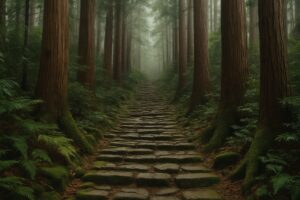
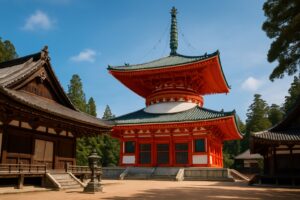
Yo, what’s up, my global-trotting crew! Sofia here, coming at you straight from a place that literally feels like it’s floating on a cloud. So, we’ve all done the big city thing, right? The neon glow of Tokyo, the foodie paradise of Osaka—absolute goals, for sure. But sometimes, your soul craves something… more. Something that quiets the noise and makes you feel like you’ve stepped into a Studio Ghibli movie. That’s when you pack your bags and head for the mountains. I’m talking about Mount Koya, or Koyasan, a sacred, misty wonderland in the heart of Wakayama Prefecture. This isn’t just a travel destination; it’s a full-blown spiritual experience, and the ultimate way to dive in is through a temple stay, known as shukubo. Forget your standard hotel room; we’re talking about sleeping in a real, functioning Buddhist temple, eating soul-fuelling vegetarian cuisine, and waking up to the sound of monks chanting. It’s a vibe that will rearrange your brain cells in the best way possible. Koyasan is the center of Shingon Buddhism, a sect founded over 1,200 years ago by the legendary monk Kobo Daishi. The entire mountaintop is a sprawling complex of temples, shrines, and a cemetery so magical it will live in your head rent-free forever. Getting here feels like a pilgrimage in itself, a journey away from the chaos and into a realm of profound tranquility. So, if you’re ready to trade skyscrapers for ancient cedar trees and traffic noise for the gentle echo of temple bells, stick with me. We’re about to unlock the secrets of Koyasan and its incredible shukubo culture. Let’s get this spiritual glow-up started!
For a deeper exploration of the region’s spiritual heritage, consider extending your journey to include the ancient pilgrimage routes of the Kumano Kodo.
The Vibe Check: Arriving in a Different World
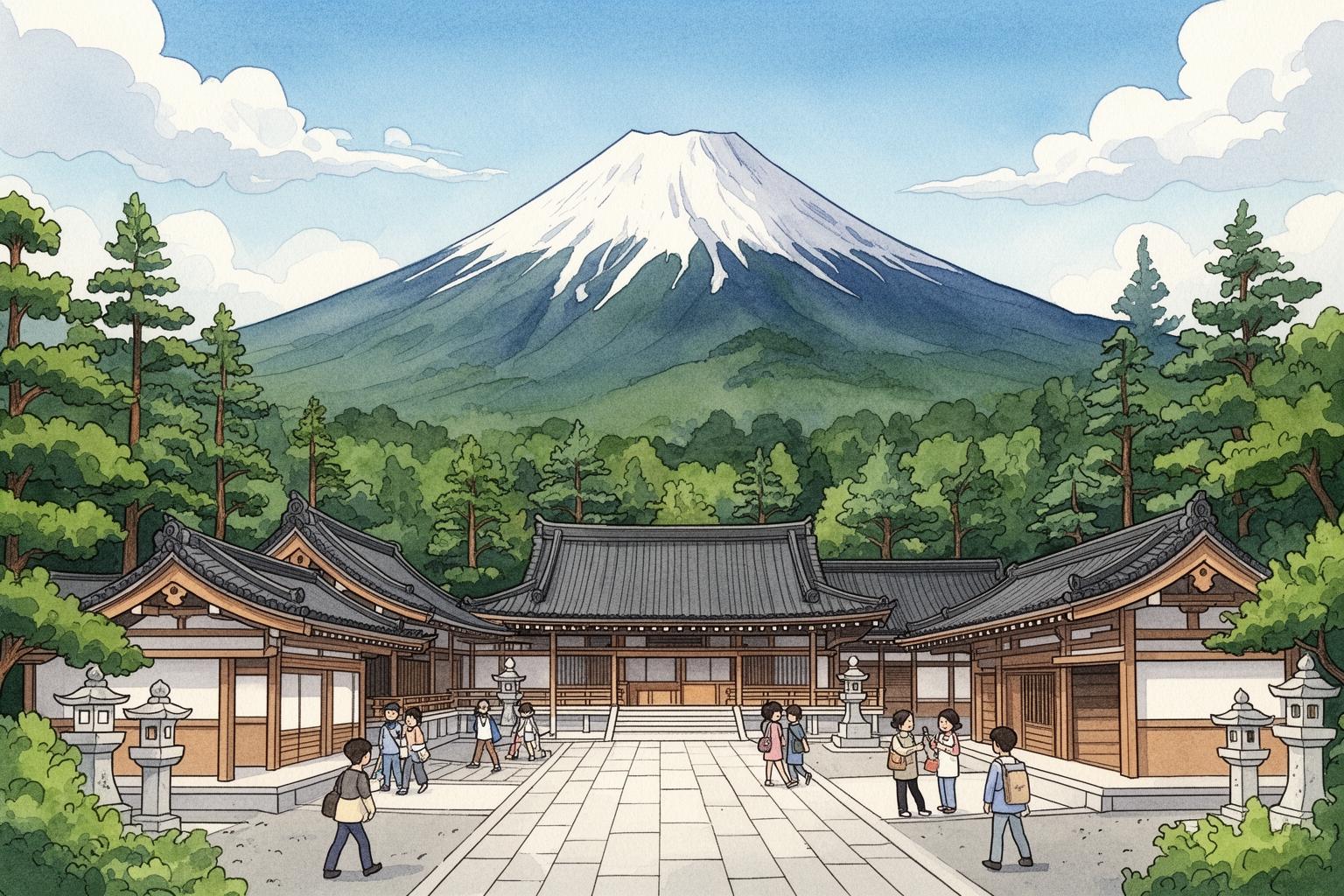
The journey to Mount Koya is where the magic truly begins. It’s not a quick trip; rather, it’s a gradual ascent, a mindful transition from the bustling pace of modern Japan to a timeless, sacred realm. The primary route—and honestly the most remarkable one—starts from Osaka’s Namba Station. You board the Nankai Koya Line, and as the train moves away from the urban landscape, you can almost feel the energy shift. The buildings shrink, giving way to lush green countryside and quaint little towns. The final segment of the train ride is where the real spectacle occurs. The train weaves through steep, forested valleys, clinging to the mountainside with breathtaking views at every curve. It’s the kind of scenery that makes you put your phone down and gaze out the window, completely captivated. The journey ends at Gokurakubashi Station, which means “Paradise Bridge Station”—and truly, no name could be more fitting. From there, you transfer to the Koyasan Cable Car. This five-minute ride is almost vertical, pulling you straight up the mountainside beneath a dense canopy of trees. The incline is so steep it feels as if you’re being lifted to the sky. Upon stepping off at the top, the air feels different—crisp, cool, and carrying the faint, sweet fragrance of cedar and incense. You’ve officially arrived. From the cable car station, you board a local bus that winds its way into the small, tranquil town perched atop the mountain. The first impression is surreal. There are no towering skyscrapers here, no flashy advertisements. Instead, the streets are lined with magnificent wooden temple gates, stone walls, and serene gardens. You’ll spot monks in traditional robes walking purposefully along the streets, their presence a familiar, everyday sight. The entire town is a designated UNESCO World Heritage site, and you can feel its history in the very stones beneath your feet. The atmosphere exudes profound peace. Even with other visitors around, a prevailing sense of quiet reverence remains. The sounds that fill the air include birdsong, the crunch of gravel underfoot, the distant, resonant toll of a temple bell, and the rustling of leaves in the ancient forests surrounding the town. It’s a sensory reset. The color palette is earthy and natural—the dark, weathered wood of the temples, the vibrant green of moss-covered statues, and the deep vermilion of a pagoda set against a bright blue sky. It’s a place that invites you to slow down, breathe deeply, and simply be present. The feeling is one of stepping not just into a different place, but into a different time. Here, spirituality isn’t confined to a single building but flows throughout the entire environment, encouraging you to connect with something ancient and profound.
Shukubo Life: More Than Just a Place to Crash
Alright, let’s dive into the essence of the Koyasan experience: the shukubo. Staying in a temple lodging offers the ultimate immersion—a chance to live, if only for a night or two, according to the gentle rhythms of Buddhist monastic life. This is far from a typical hotel stay. There’s no room service menu or lively lobby bar. Instead, you receive something far more valuable: authenticity, tranquility, and a true connection to the culture. With over fifty temples in Koyasan offering lodging, each has its own unique character and history. Some, like Eko-in or Muryoko-in, are grand and historic, while others are smaller and more intimate. No matter which you pick, the core experience remains beautifully consistent. Upon arrival, you’ll slide open a heavy wooden gate and step into a carefully maintained courtyard, perhaps featuring a calming rock garden or a pond where koi fish swim lazily. Instead of a concierge, a monk will greet you with a gentle bow. After leaving your shoes at the entrance, you’ll be guided through polished wooden corridors, the air cool and scented with aged wood and incense. The silence is profound, interrupted only by the soft padding of your slippers on the floor. Your room will probably be a traditional Japanese washitsu, with tatami mat flooring that feels cool and smooth beneath your feet, and sliding paper screens called fusuma replacing solid doors. The décor is minimalist and elegant: a low table at the center, some floor cushions (zabuton), and an alcove (tokonoma) adorned with a simple flower arrangement or calligraphy. Your bed will be a futon, laid out by the monks in the evening while you’re at dinner or bathing. Sleeping on a futon on tatami flooring is surprisingly comfortable and deepens the feeling of living a simpler, more grounded life. Most shukubo have shared facilities, which enhance the communal atmosphere. Bathrooms are separated, and the bathing area is usually a traditional Japanese ofuro, a large communal bath. Don’t hesitate to join in! This is an important part of Japanese culture. You wash and rinse yourself thoroughly at individual shower stations before stepping into the steaming hot bath to soak. It’s incredibly relaxing after a day of exploring and a wonderful way to unwind before sleep. Just keep in mind the etiquette: the bath is for soaking, not washing. The true magic of the shukubo, however, is found in its daily rituals. Life in the temple follows a schedule, and you are gently invited to participate. In the early evening, once you’ve settled in, you might have time to wander the temple grounds. Many shukubo boast stunning private gardens, intricate screen paintings, and historic artifacts worth admiring. But the highlight is the morning. You’ll be awakened before sunrise, usually around 6 a.m., by a soft chime or a gentle knock on your door. This is the call for Otsutome, the morning prayer service. You’ll gather with other guests in the temple’s main hall (hondo), lit only by the warm, flickering glow of candles and lanterns. Seated on the tatami floor, you’ll hear the monks begin their chanting. The sound is mesmerizing—a deep, resonant, rhythmic chorus of sutras that seems to vibrate through your entire body. Even if you don’t understand the words, the energy is incredibly powerful and meditative. You can sense the devotion and centuries of prayer within those walls. Some temples, like the renowned Eko-in, also perform a Goma fire ritual. This is a truly unforgettable experience. Monks chant as they feed wooden prayer sticks into a roaring ceremonial fire, sending sparks flying towards the ceiling. The rhythmic beating of a taiko drum builds in intensity, creating a dramatic and powerful atmosphere. It’s a purification ritual, meant to burn away negative energies and obstacles. Taking part in these morning ceremonies, even as a silent observer, sets a tone of mindfulness and peace that stays with you throughout the day. It offers a rare and beautiful glimpse into a spiritual world and is what makes a shukubo stay so much more than just a place to sleep.
Soul Food, Literally: The Magic of Shojin Ryori
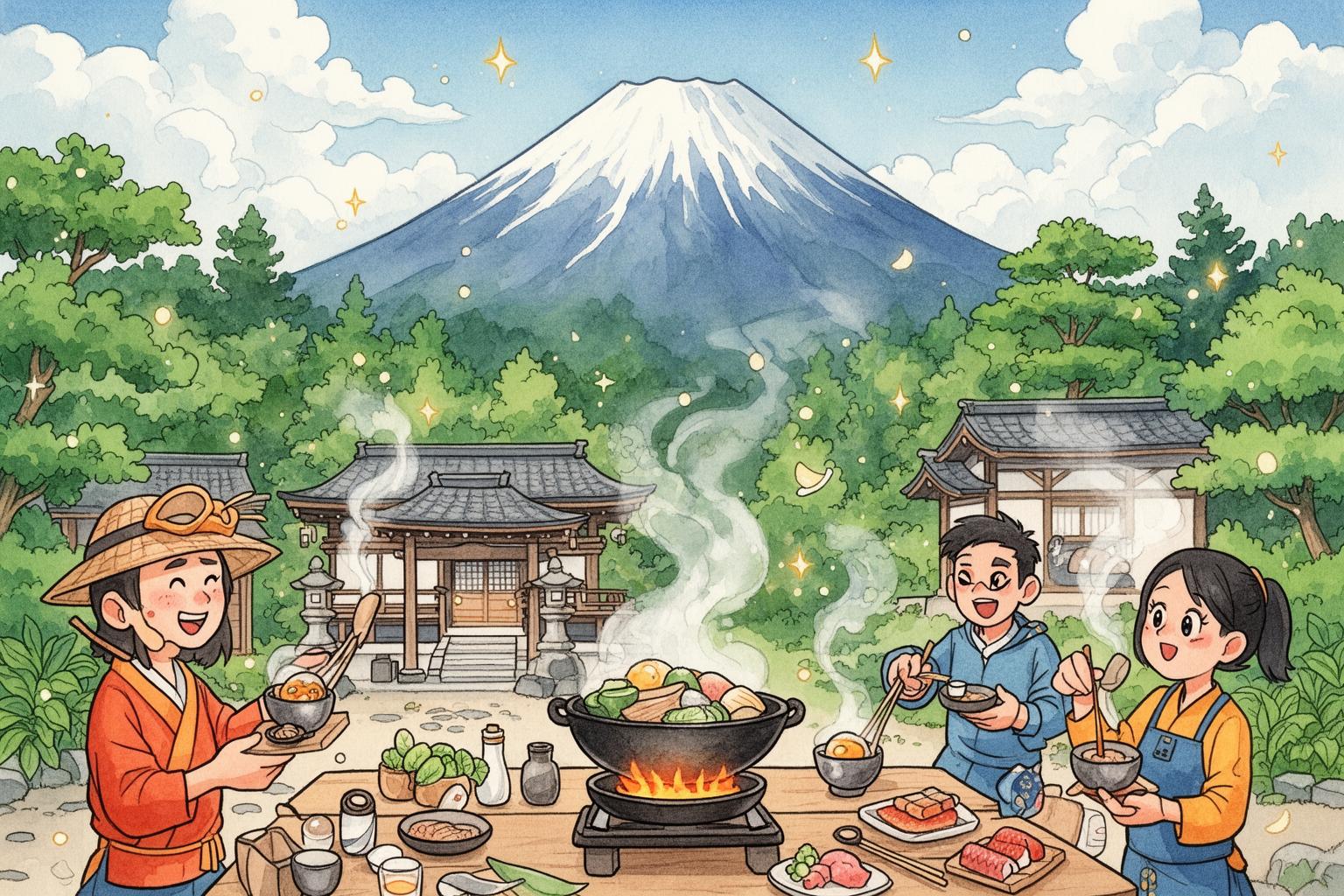
One of the absolute highlights of any shukubo stay, and a fundamental aspect of the Koyasan experience, is the food. This isn’t just any meal; it’s shojin ryori, traditional Japanese Buddhist vegetarian cuisine. And believe me, even if you’re a committed meat lover, you’re about to be amazed. Shojin ryori is more than a diet; it’s a spiritual practice. Developed over centuries in Buddhist monasteries, it aims to purify the mind and body, foster compassion, and diminish worldly desires. The cuisine strictly excludes meat, fish, and seafood, as well as pungent ingredients like garlic, onion, and leeks, which are thought to stimulate the senses and distract from meditation. Instead, it focuses on highlighting the natural, subtle flavors of seasonal vegetables, tofu, legumes, and wild mountain plants. The philosophy behind shojin ryori is centered on balance and harmony, often adhering to the “rule of five.” This means each meal seeks to include five colors (green, yellow, red, black, and white), five flavors (sweet, sour, salty, bitter, and umami), and five cooking techniques (raw, steamed, boiled, grilled, and fried). This approach is not just for visual appeal; it ensures a nutritionally complete and energetically balanced meal. The experience of eating shojin ryori is itself a ritual. Dinner and breakfast are usually served in your private room, where a monk brings your meal on a series of small, elegant lacquered trays, arranging them beautifully on your low table. The presentation is stunning—a mosaic of tiny, colorful dishes, each a miniature work of art. It’s so beautiful you nearly hesitate to eat it. Nearly. You’ll be offered an array of bowls and plates, each featuring a different preparation. Two dishes are quintessentially Koyasan and are absolute must-tries. The first is goma-dofu, or sesame tofu. Unlike typical soy-based tofu, this is made from ground sesame paste, water, and a starch like arrowroot. The texture is incredibly creamy, akin to panna cotta, with a rich, nutty flavor that’s both subtle and deeply satisfying. It’s often served chilled with a small dab of wasabi and a splash of soy sauce. Simply put, it’s heavenly. The second specialty is koya-dofu, or freeze-dried tofu. This variety is said to have been invented on Mount Koya, where the harsh winters naturally froze tofu for the monks. The process creates a unique, spongy texture that soaks up savory broths and sauces like a flavor sponge. It’s typically simmered in a light, sweet dashi broth and served with seasonal vegetables. Beyond these highlights, you’ll encounter a delightful assortment of other dishes. There might be a clear, delicate soup (suimono), a small serving of tempura with light, crispy batter encasing vegetables like sweet potato or shiso leaf, various simmered and pickled vegetables (nimono and tsukemono), and a bowl of perfectly cooked rice. Every bite is deliberate. You can taste the freshness of the ingredients and the meticulous care in their preparation. Eating shojin ryori encourages mindfulness. Because the flavors are so delicate, you’re invited to eat slowly, savor each element, and reflect on the nourishment the earth provides. It’s a meal that nourishes not only your body but also your spirit, leaving you feeling light, refreshed, and deeply satisfied. It completely redefines what vegetarian food can be, transforming it from a limitation into a beautiful, complex, and delicious art form.
Beyond the Temple Walls: Exploring Sacred Koyasan
Although the shukubo experience is a world unto itself, it is the sacred sites scattered throughout Mount Koya that attract pilgrims and travelers from around the globe. Waking up in your temple, feeling refreshed and centered after morning prayers and a nourishing shojin ryori breakfast, offers the perfect start to a day of exploration. The entire mountaintop is compact and very walkable, but there’s a convenient bus system that circles the main sites if your feet need a rest. The undisputed spiritual heart of Koyasan is Okunoin, Japan’s largest and most sacred cemetery. This is not a somber or eerie place; rather, it’s an enchanting, otherworldly forest. A two-kilometer path winds through a grove of magnificent, ancient cedar trees, some over a thousand years old. Lining the path are more than 200,000 tombstones, stupas, and memorials dedicated to figures ranging from feudal lords and famous samurai to contemporary corporate employees (yes, there are monuments honoring coffee companies and aerospace firms!). Everything is cloaked in a thick, velvety moss, casting a surreal, emerald glow over the entire landscape. Sunlight filters through the towering trees, creating a dappled, ethereal light. Walking this path is profoundly peaceful and humbling, evoking the weight of centuries of history and devotion. The trail culminates at the mausoleum of Kobo Daishi, the founder of Shingon Buddhism, who is believed not to be dead but in a state of eternal meditation, awaiting the arrival of the Future Buddha. The atmosphere here, especially at the Torodo Hall (Hall of Lanterns) in front of the mausoleum, is electric. The hall holds thousands of donated lanterns, kept eternally lit, creating a breathtaking sea of golden light. Experiencing Okunoin during the day is magical, but returning for a night tour is an absolute must. Led by a local monk from a temple like Eko-in, you’ll walk the same path illuminated by stone lanterns. The forest transforms into a mystical, silent world. The monk shares stories, legends, and Buddhist teachings, bringing the cemetery’s history to life in a way no guidebook ever could. It’s an incredibly moving and unforgettable experience. Another major sacred area is the Garan temple complex, where Kobo Daishi is said to have first established his monastic community. The complex houses several important buildings, the most striking of which is the Konpon Daito Pagoda. This massive, two-tiered pagoda, painted a brilliant vermilion and white, stands nearly 50 meters tall and dominates the skyline. It’s a stunning piece of architecture and considered the central point of a mandala that encompasses all of Japan. Nearby is the Kondo Hall, the main hall for ceremonies, which contains important religious statues. Just a short walk from Garan is Kongobuji Temple, the head temple of Shingon Buddhism. Here, you can stroll through spacious halls with tatami floors and admire exquisite painted screen doors (fusuma-e) depicting cranes, plum blossoms, and willows. The true highlight, however, is the Banryutei Rock Garden. It’s the largest rock garden in Japan—a vast expanse of white sand raked into intricate patterns, with massive granite stones arranged to depict a pair of dragons emerging from a sea of clouds. This powerful and contemplative space is designed to inspire meditation and awe. Spending your days wandering among these sacred sites, with the serene atmosphere of the shukubo to return to each evening, creates a perfect rhythm for a visit to Koyasan. It’s a journey through art, history, nature, and spirituality, all interwoven on one sacred mountain.
Getting Real: Practical Tips for Your Shukubo Stay
So, you’re convinced about taking a spiritual retreat on Mount Koya—great choice! But before booking your ticket, let’s go over some logistics, because a bit of planning will ensure your shukubo stay is smooth and stress-free. First up: reserving your temple lodging. You can’t just show up expecting a room; booking well in advance is crucial, especially during peak seasons like cherry blossom time in spring or autumn foliage. The easiest way to explore options and book is through the official Koyasan Shukubo Association website, which lists many temples. Alternatively, major booking platforms like Booking.com, Agoda, and Japanican offer a good range of shukubo, often featuring helpful reviews from previous guests. Pay close attention to the descriptions, as each temple offers a unique experience. Some are celebrated for their exceptional cuisine, others for their stunning gardens, and some, such as Eko-in, are known for their monk-led Okunoin night tours. When packing, think layers and comfort. Koyasan is mountainous, so the weather can be unpredictable and cooler than in the cities below, even in summer. Bring a warm jacket or sweater, especially for mornings and evenings. The most important item is comfortable walking shoes, since you’ll be navigating stone paths, gravel, and numerous temple steps. Inside the temple, you’ll be removing your shoes frequently, so slip-on footwear is highly recommended. The temple provides indoor slippers and a yukata, a light cotton robe you can wear around the temple, to dinner, and to the bath. It’s very comfortable and part of the experience—embrace it! Now, about money. Although Japan is increasingly credit card-friendly, it’s wise to carry a good amount of Japanese yen in cash, especially in traditional places like Koyasan. While your lodging is usually prepaid, cash is needed for buses, temple entrance fees, snacks, and souvenirs from local shops. Next, the essentials of shukubo etiquette. Remember that you are a guest in a working monastery. The key rule is to be respectful: speak softly, move calmly through corridors, and be considerate of monks and fellow guests. Punctuality is vital. The temple follows a strict timetable: dinner is served at a set hour, baths have specific operating times, and the main gates close around 9 p.m. This isn’t a place for late-night partying; it’s for rest and reflection. Follow the communal bath (ofuro) rules carefully. Signs will likely guide you, but the basics are to wash and rinse your body thoroughly at the shower stations before entering the hot bath, keep your hair out of the water, and don’t bring soap or shampoo into the tub. It’s meant to be a quiet, relaxing soak. Finally, how to get there: the most scenic and easiest route is from Osaka’s Namba Station via the Nankai Koya Line. For the best value, consider purchasing the Koyasan World Heritage Ticket, a discounted pass covering round-trip train fare from Osaka, the cable car, and unlimited bus rides on Mount Koya over two consecutive days. It streamlines travel and saves money. The journey takes about two hours and is a beautiful part of the pilgrimage up the sacred mountain. Being prepared with these practical tips will let you relax and fully embrace the incredible spiritual atmosphere awaiting you.
The Takeaway: Why Koyasan Will Live in Your Head Rent-Free
Leaving Mount Koya feels like awakening from a beautiful dream. As the cable car descends the mountain and the train carries you back to the familiar hum of the city, you’ll notice a change within yourself. The world appears a little brighter, the noise a bit less intrusive. The profound peace of the mountain seeps into your soul, lingering long after you’ve left its misty forests behind. A trip to Koyasan is far more than just checking another destination off your bucket list. It’s a deep, immersive cultural and spiritual journey. It’s the experience of shedding the non-essentials and connecting with something ancient, timeless, and profoundly human. It’s about finding beauty in simplicity—in the elegant presentation of a vegetarian meal, the texture of a tatami mat beneath your feet, the sound of a single bell echoing through the crisp morning air. The memories you bring home aren’t just photos of stunning temples, though you’ll have plenty of those. The memories that truly stay are the feelings. You’ll recall the awe of standing beneath the giant cedar trees in Okunoin, humbled by their age and grandeur. You’ll remember the mesmerizing rhythm of the monks’ morning chants, a sound as ancient as the mountains themselves. You’ll recall the subtle, delicate flavors of shojin ryori and the gratitude felt with each bite. You’ll remember the stillness of a rock garden, the flicker of a thousand lanterns in the dark, and the genuine warmth and kindness of the monks who welcome you into their sacred space. Koyasan offers a rare chance in today’s hyper-connected world: the opportunity to truly disconnect. To put away your phone, quiet your mind, and simply be present in a place of incredible power and serenity. It’s a reset button for the soul. So if you’re planning a trip to Japan and seek an experience that will challenge, inspire, and stay with you forever, be sure to include this sacred mountain in your itinerary. It’s a journey that resonates differently, a vibe that exists on another level. I promise, the quiet magic of Mount Koya is something you will never forget.