Yo, what’s the deal? If you’re scrolling for a Japan trip that’s less about the basic tourist traps and more about a legit, soul-shaking adventure, then you gotta listen up. We’re talking about a place so deep, so ancient, it makes most temples look like they were built yesterday. Welcome to Dewa Sanzan, the three sacred mountains of Yamagata Prefecture. This isn’t just a hike, fam. It’s a full-on spiritual pilgrimage, a journey into the heart of a wild, mystical belief system called Shugendo. For centuries, legendary mountain monks known as Yamabushi have been coming here to train, meditate, and connect with the universe on a whole other level. It’s a place where you walk through the past, confront the present, and get reborn into your future. No cap, a trip here is a total vibe shift. You’ll leave a different person, feeling more connected to nature and yourself than ever before. It’s the ultimate spiritual glow-up, a chance to see a side of Japan that’s raw, powerful, and absolutely unforgettable. Get ready to ditch the city noise and tune into the frequency of the mountains. This is Dewa Sanzan, and it’s about to change your life. For real.
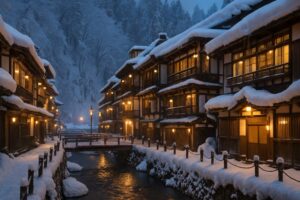
After your soul-shaking pilgrimage, you can continue your journey into Yamagata’s magic by unwinding at a nearby historic hot spring town like Ginzan Onsen.
The Vibe Check: What is Shugendo, For Real?
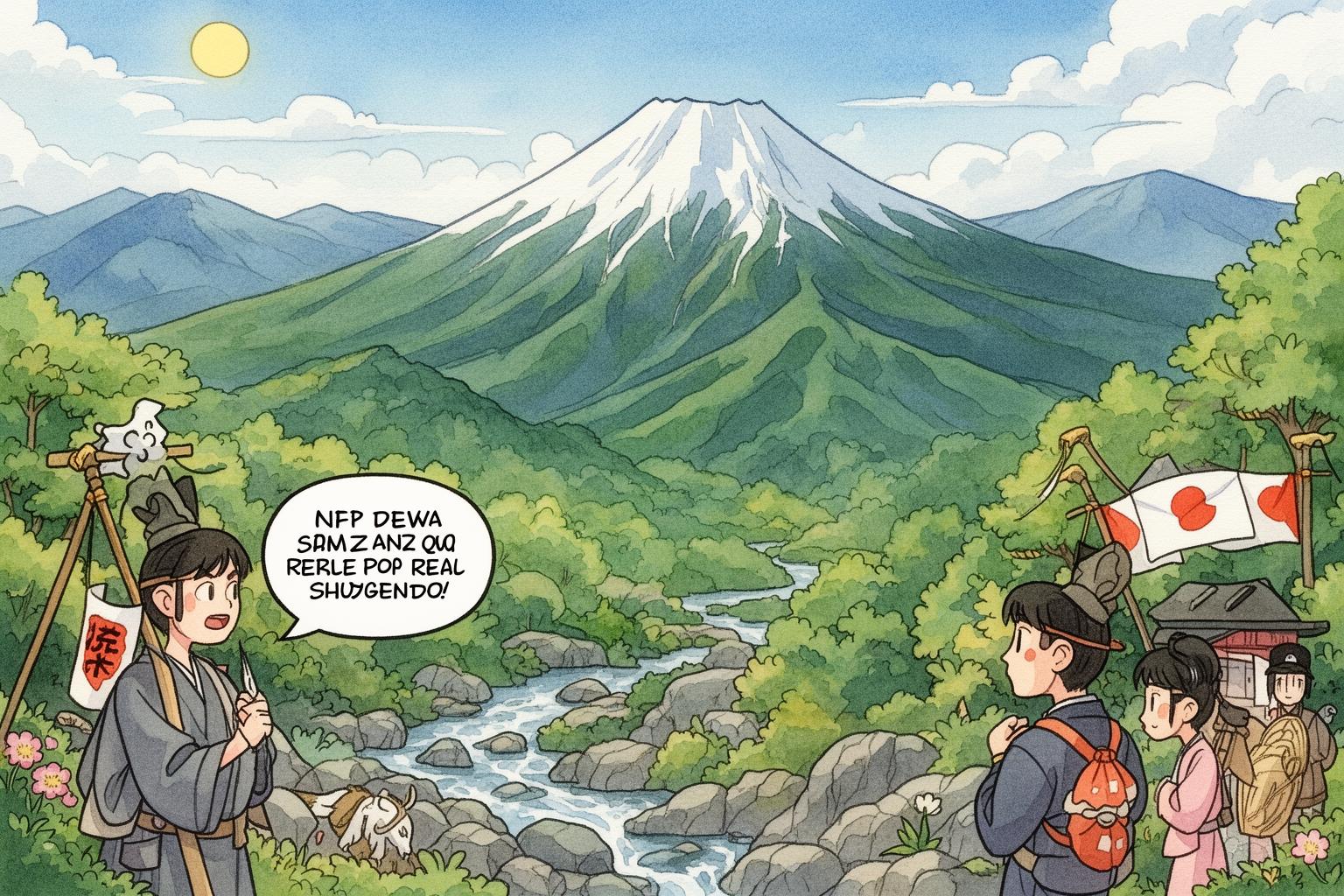
Alright, let’s break it down. Before you even think about lacing up your hiking boots, you need to get the lowdown on Shugendo. This isn’t your typical sit-down-and-chant religion. Shugendo is the real deal—a hardcore, ancient Japanese spiritual path focused on achieving enlightenment by immersing yourself in nature. The name itself, 修験道 (Shugendō), literally means “the path of training and testing to attain spiritual powers.” It’s a unique spiritual fusion, blending ancient Shinto nature worship—the belief that gods, or kami, reside in mountains, trees, and waterfalls—with the profound teachings of esoteric Buddhism, a touch of Taoist elements, and a hint of old-school folk shamanism. It’s the ultimate spiritual hybrid, born in a time when rigid boundaries between beliefs didn’t exist. People simply understood one thing: mountains hold tremendous power, and by immersing yourself in that power, you can unlock significant spiritual potential.
The whole movement was started by a legendary mystic named En no Gyoja in the 7th century. This figure was the original Yamabushi, a mountain wizard said to fly, command spirits, and perform miracles. He believed the path to enlightenment wasn’t found in stuffy temples or complex texts, but out in the wild. He taught that by pushing your body and mind to their limits through intense physical and spiritual training in the mountains, you could shed worldly attachments, purify your soul, and unify with the universe. It’s a philosophy of action; enlightenment isn’t just contemplated—you hike, climb, and meditate your way there. You endure nature’s harshness—the freezing waterfalls, treacherous cliffs, and biting winds—and by doing so, confront your inner weaknesses. Shugendo teaches that mountains aren’t just rocks and trees; they are living, breathing deities and the ultimate dojo for spiritual growth. It’s a path of raw, unfiltered experience, with the Dewa Sanzan as its most sacred arena.
Meet the Yamabushi: The OG Mountain G.O.A.T.s
So who exactly are the people walking this path? They’re known as the Yamabushi, which means “those who lie down in the mountains.” But don’t be mistaken—they’re not just relaxing. These are spiritual athletes, the elite forces of Japanese monasticism. For over a thousand years, these monks have used the Dewa Sanzan as their personal training ground to forge an unbreakable spirit. They aren’t merely priests; they serve as guides, healers, and masters of the natural world. Spotting a Yamabushi on the trail, dressed in their distinctive attire with the sound of their conch shell ringing through the cedars, is like witnessing a living piece of history.
Their appearance is iconic, with every item of their gear rich in symbolism. First, there’s the tokin, a small, black, pillbox-shaped cap worn on the forehead. It’s said to symbolize a lotus flower or the crown of a Buddhist deity, and it also functions as a drinking cup. Then there’s the suzukake, their robes, typically white or saffron, which symbolize purity and the womb from which they will be reborn. Around their waist, they might wear animal pelts, reflecting their bond with the wild and their pre-Buddhist, shamanistic origins. The standout tools include the shakujo, a long wooden staff topped with metal rings. When shaken, the rings jingle—a sound believed to repel evil spirits and dangerous animals. It also serves as their third leg, an essential aid for navigating rugged mountain terrain. And then there is the sound of Dewa Sanzan: the horagai. This large conch shell trumpet produces deep, resonant calls that Yamabushi use to communicate over long distances in the mountains, but it carries a deeper significance. The sound is said to embody the voice of the Buddha, calling listeners to awaken from the ignorance of everyday life. Hearing it resonate through the ancient forest is a haunting and powerful experience that is sure to give you goosebumps.
Their training, or shugyo, is incredibly intense—making a marathon seem easy by comparison. They practice taki-gyo, meditating beneath the crushing force of icy waterfalls to purify their spirit. They endure long fasts, pushing their bodies to survival’s edge. They chant sutras for hours, and most famously, they undertake lengthy pilgrimages through the mountains called mineiri, symbolically dying and being reborn. This isn’t about self-punishment; it’s a disciplined process of breaking down the ego, severing attachments to the physical world, and awakening to a higher state of awareness. The Yamabushi stand as living proof that the human spirit can endure tremendous hardship to attain deep wisdom. They are the guardians of Shugendo and the very soul of Dewa Sanzan.
The Dewa Sanzan Trio: A Spiritual Journey Through Time
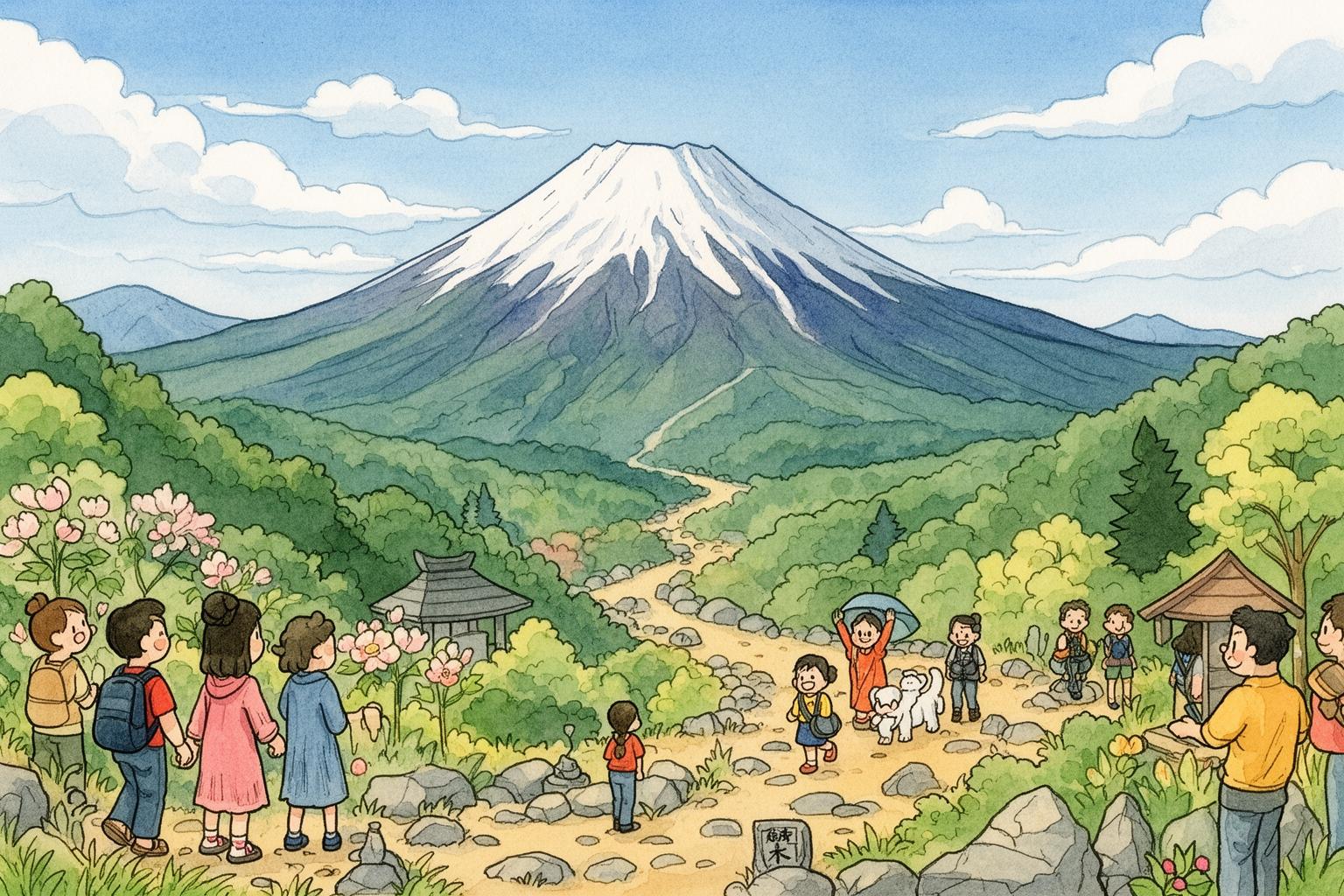
Now for the main event: the Dewa Sanzan is not just a single mountain but a sacred trinity—a three-part pilgrimage that guides you through the cycle of life. Each mountain has its own unique character, lessons to impart, and distinctive atmosphere. The pilgrimage is meant to be undertaken in a specific order, symbolizing a passage through time. You begin at Mount Haguro, the mountain of the present, then proceed to Mount Gassan, the mountain of the past and the afterlife, and finally conclude at Mount Yudono, the mountain of the future and rebirth. Walking this path is like journeying through your spiritual existence—shedding the old, embracing the new, and emerging purified. The depth and beauty of this concept are genuinely awe-inspiring.
Mount Haguro (羽黒山): Embracing the Now
Your journey starts on Mount Haguro. At a modest 414 meters, it’s the most accessible of the three and the only one open all year round. Don’t let its size deceive you; this mountain is pure magic. Haguro represents the present moment, the here and now, and the task of living and overcoming worldly desires. It serves as the spiritual center of Dewa Sanzan, housing the main shrine that honors the deities of all three mountains.
Your pilgrimage officially begins at the Zuishinmon Gate, a striking red gate marking the entrance to the sacred realm. Passing through it feels like stepping into another world. The air grows cooler, the noise of modern life fades, replaced by the rustling leaves and birdsong. From here, the legendary trail ascends: 2,446 stone steps winding down into a valley and back up to the summit. This is more than a staircase; it’s a walking meditation. The path is flanked by a breathtaking forest of ancient Japanese cedars, or sugi. These towering giants, some over 1,000 years old, have tops that disappear into the sky. Designated a Special Natural Monument, walking among them feels like being inside nature’s cathedral. Sunlight filters through the dense canopy, casting a dappled, ethereal glow. Moss blankets stones, tree roots, and lanterns in a vibrant, velvety green. As you climb, you find a rhythm—the steady sound of your feet on stone, the cadence of your breath. Though physically demanding, each step seems to dissolve the stress and noise of daily life. It’s just you, the steps, and the ancient forest.
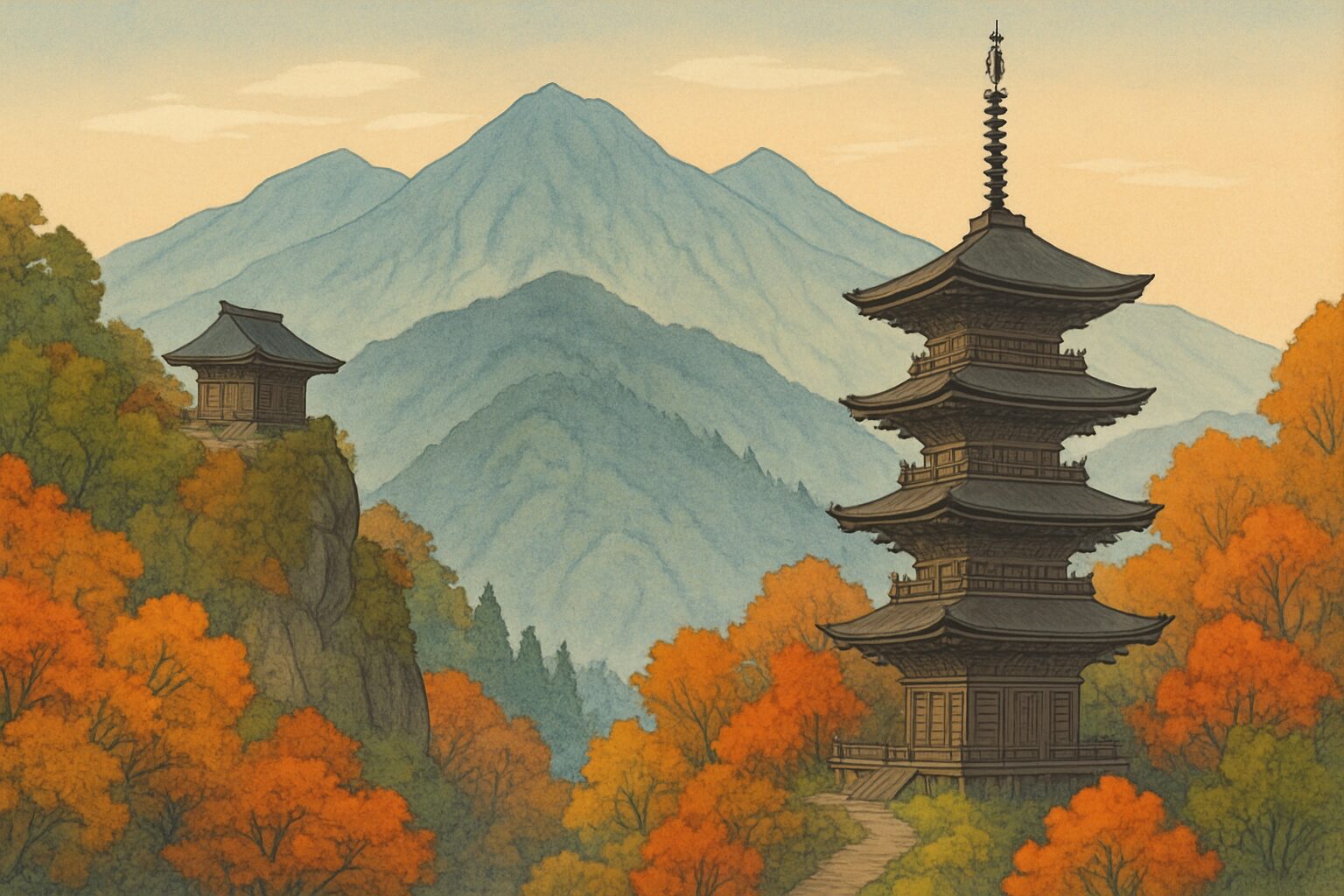
A short way along, you’ll encounter one of Japan’s most stunning architectural treasures hidden among the trees: the Gojunoto, a five-storied pagoda. This masterpiece, built over 600 years ago entirely from wood without a single nail, rises gracefully from the forest floor. It stands serene and silent, embodying perfect harmony between human craftsmanship and natural beauty. Seeing it emerge from the mist is an unforgettable moment. It’s a National Treasure for good reason and arguably the most photogenic spot on the entire pilgrimage. Further along, you’ll cross a vivid red bridge over a river said to originate from Mount Yudono, offering a subtle hint of the journey’s end.
After a demanding climb, you reach the summit, where the Sanjin Gosaiden—the main shrine of the Dewa Sanzan—stands. The first thing you’ll notice is its roof, the thickest thatched roof in all of Japan, sloping more than two meters thick. This traditional architectural style is both rustic and highly refined. Here, the spirits of all three mountains are enshrined together, allowing worshippers to honor the trinity in one place—especially during winter when Mount Gassan and Mount Yudono lie buried under deep snow. The summit’s atmosphere is one of profound peace and sanctity. Having confronted the present, you are now ready to advance to the next phase of your spiritual journey.
Mount Gassan (月山): Journey to the Past
From Mount Haguro’s present world, your pilgrimage ascends to Mount Gassan. Meaning “Moon Mountain,” it stands at 1,984 meters, the highest of the three. This leg is a journey into the past, into the realm of the afterlife and ancestors. In Shugendo belief, souls ascend Mount Gassan after death. Climbing it allows you to commune with ancestral spirits, contemplate mortality, and seek guidance from the otherworld. It is a somber, exquisite, and deeply reflective experience.
Unlike Haguro’s dense forests, Gassan’s landscape is open and dramatically different. The hike climbs above the treeline into a breathtaking alpine environment. Trails wind through vast meadows carpeted with rare summer wildflowers, past serene ponds that mirror the sky, and over patches of snow that can linger into August. The air is thin and crisp, and the views are spectacular. On a clear day, you can see miles across the Shonai Plain to the Sea of Japan. The atmosphere here is ethereal and otherworldly. You feel humbled by the vast scale and raw beauty. It’s quiet—an intense silence that invites deep reflection. The hike is strenuous, requiring fitness and preparation, but the reward is a peace and clarity that’s difficult to put into words.
At the summit, the Gassan Shrine awaits—a humble, unobtrusive structure perfectly harmonizing with the wild surroundings. Before approaching the main shrine, you undergo a purification ritual. A priest waves a paper wand, called an onusa, over you to cleanse impurities. You receive a small paper doll, a katashiro, onto which you breathe and rub your body, transferring your sins and impurities before dissolving it in water. Only then may you enter the most sacred area. This ceremony reflects the shrine’s profound sanctity. Standing at Gassan’s summit, surrounded by clouds and ancestral spirits, you feel a powerful link to life’s endless cycle. It’s a place to release past regrets and find peace before continuing to the final stage: rebirth.
It’s important to note Mount Gassan is only accessible during a brief window, typically early July to mid-September. For the rest of the year, it’s buried under some of the heaviest snowfalls in the world, making this pilgrimage truly seasonal. This limited access adds to its mystery and makes climbing it feel all the more special.
Mount Yudono (湯殿山): The Secret of Rebirth
Your pilgrimage concludes at Mount Yudono, the mountain of the future and the site of symbolic rebirth. Without question, this is the most sacred, mysterious, and powerful place in Dewa Sanzan. It serves as the inner sanctum, the spiritual heart of the entire complex. Shugendo teachings say your pilgrimage is incomplete without visiting Yudono. The sanctity here is so profound that strict rules apply: photography is completely forbidden, and visitors may not speak of what they see or experience. This ancient mandate, summed up as kataru nakare, kiku nakare—“speak not, ask not”—is not a mere formality but preserves the mystery, ensuring each person’s experience remains personal, direct, and unmediated.
What can be shared is that the experience at Yudono is unlike any other shrine visit in Japan. Upon arrival, you must remove your shoes and socks. The final approach to the sacred object is barefoot. Walking on bare earth and stone grounds you, linking you physically and spiritually to the mountain’s power. The sacred object, or goshintai, is not a man-made structure but a natural feature—a large rust-colored rock from which steaming, mineral-rich hot water flows. This water is believed to have purifying and healing qualities. Worshippers walk on the warm rock, feeling the life-giving water flow over their feet. The warm water, the vibrant hues of the rock, the sulfurous scent in the air, and the deep silence of the surrounding nature combine to create an intensely sensory and primal experience. It symbolizes a return to the womb. By bathing your feet in these sacred waters, you are ritually cleansed and reborn, ready to reenter the world with renewed spirit and clarity.
Visiting Mount Yudono is the emotional and powerful climax of the Dewa Sanzan pilgrimage, where purification and rebirth become tangible realities. The secrecy surrounding it only heightens its impact, demanding full presence in the moment. It is a place beyond intellect, speaking directly to the soul. You depart feeling lighter, renewed, and quietly grateful. Having completed the cycle, you are ready to face the future.
Living the Yamabushi Life: Shukubo Stays & Shojin Ryori
To fully embrace the Dewa Sanzan experience, a mere day trip won’t suffice. You need to fully immerse yourself, and the best way to do this is by staying in a shukubo, or temple lodging, at the foot of Mount Haguro. This isn’t just an ordinary hotel; it’s an opportunity to live, eat, and breathe the spiritual essence of the mountains. The village at Haguro’s base is dotted with these traditional lodgings, many managed by families of priests for generations. Staying in a shukubo provides a rare and authentic insight into the monastic way of life.
Your room will probably be a simple, elegant space featuring tatami mats, sliding paper doors, and a futon for sleeping. It’s minimalist and serene, designed to soothe the mind. The true charm of the shukubo, however, lies in the experiences it provides. You’ll have the chance to join morning prayers and ceremonies with the resident priests, a meaningful way to begin your day. You can stroll around the temple grounds during the peaceful hours of dawn and dusk, and share communal baths—a quintessential Japanese tradition. The priests and staff are often very knowledgeable and eager to share stories and insights about the mountains’ history and the philosophy of Shugendo. It’s an opportunity to engage with the culture on a far deeper level than typical tourism allows.
Perhaps the most unforgettable aspect of a shukubo stay is the food. You’ll be served shojin ryori, the traditional vegetarian cuisine of Japanese Buddhist monks. This is far more than just a meal; it’s a spiritual practice in itself. The cuisine follows the Buddhist principle of ahimsa, or non-harming, and is entirely vegan. But it’s not dull or bland health food—shojin ryori is a highly refined and delicious culinary art form. The dishes are made from locally sourced and foraged ingredients, mainly mountain vegetables (sansai), mushrooms, tofu, and sesame. A typical meal includes many small, beautifully arranged dishes, each crafted to highlight the natural flavors and textures of the ingredients. You might enjoy creamy, rich goma-dofu (sesame tofu), crispy tempura made from wild mountain plants, hearty broths, and perfectly cooked rice. The flavors are subtle, clean, and deeply satisfying. Eating shojin ryori is said to purify the body and balance the mind, making it ideal nourishment for a spiritual pilgrimage. It’s a culinary experience that will not only delight your palate but also leave you feeling nourished from within.
The Practical Playbook: How to Get Your Zen On
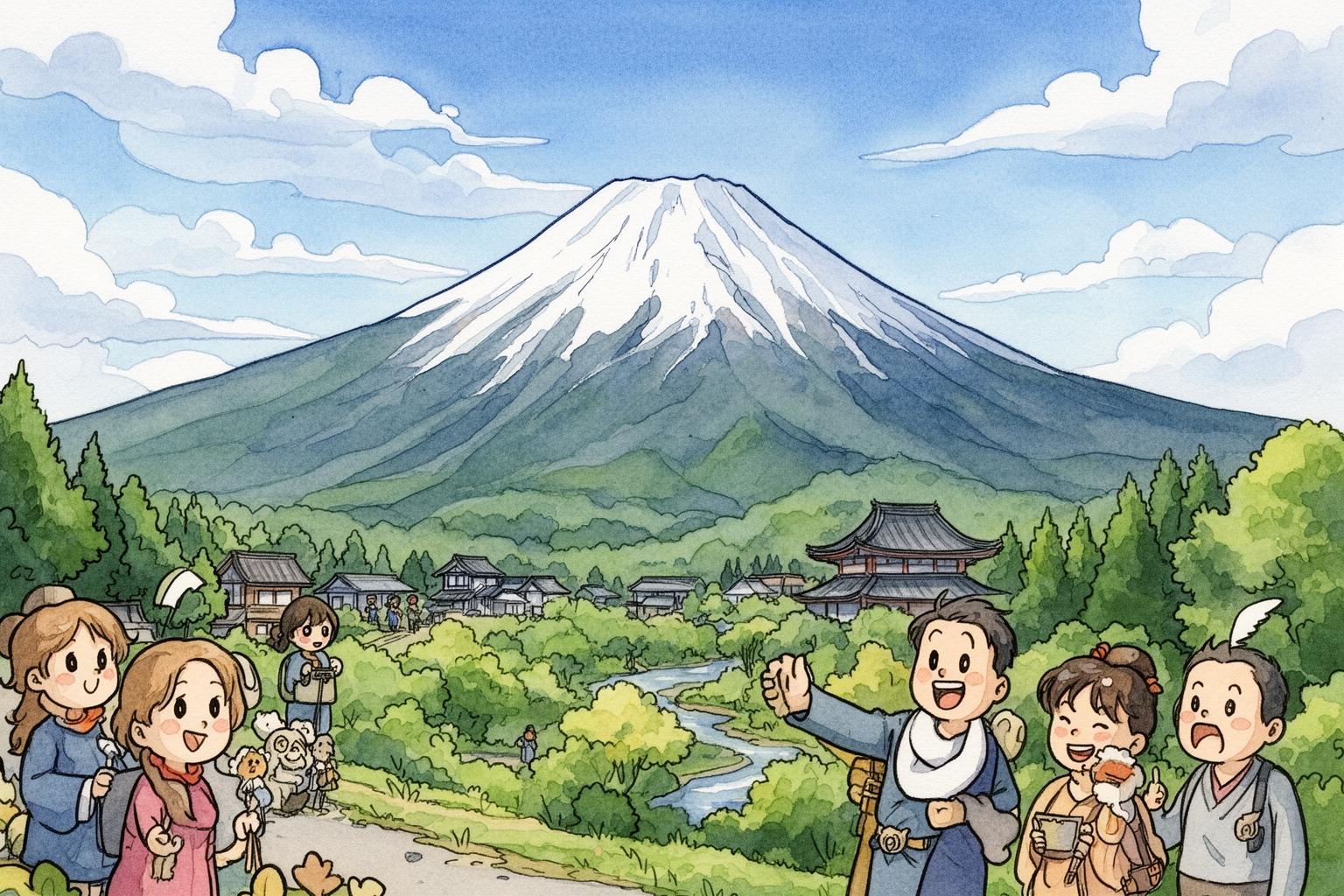
Alright, so you’re convinced and ready to start this epic journey. Let’s dive into the practical details of how to make it happen. Dewa Sanzan is situated in a rural area of Yamagata Prefecture, so reaching it requires some planning, but it’s well worth the effort.
Getting There in Detail
Your main entry point is Tsuruoka. If you’re traveling from Tokyo, the most efficient route is to take the Joetsu Shinkansen (bullet train) to Niigata, then transfer to the Inaho Limited Express train, which goes straight to Tsuruoka. The whole trip takes about four hours and offers scenic views. For those on a tighter budget, an overnight bus from Tokyo to Tsuruoka is an excellent choice. You can sleep along the way and arrive refreshed and ready to start your adventure.
After arriving in Tsuruoka, the mountains are your next stop. The local bus system, run by Shonai Kotsu, links Tsuruoka Station with the base of Mount Haguro (Haguro-sancho bus stop for the summit or Zuishinmon for the trailhead). Buses run regularly, but it’s crucial to check the schedule beforehand, as services may be infrequent, especially outside peak summer months. Traveling between the three mountains requires planning. There are buses connecting Mount Haguro with the 8th station of Mount Gassan (trailhead) and Mount Yudono, but these buses run only seasonally (generally July to September) and are not very frequent. Renting a car in Tsuruoka is an excellent way to explore the region at your own pace, giving you the freedom to easily travel between mountains and visit nearby attractions.
Best Time to Visit: Seasonal Highlights
Choosing when to visit Dewa Sanzan is key, as the seasons greatly affect the scenery and activities available.
Summer (July to early September): This is peak season for good reason. It’s the only time all three mountains are open and accessible. The weather is warm, the forests of Haguro shine vibrant green, and the alpine meadows of Gassan bloom with colorful flowers. This period offers the classic pilgrimage experience. The drawback is that it can get crowded, especially on weekends, and you should be prepared for rain and humidity.
Autumn (late September to early November): If you love fall foliage, this is your time. Mount Haguro’s slopes burst into brilliant reds, oranges, and yellows. The air is cool and crisp, ideal for hiking. However, Mount Gassan and Mount Yudono typically close for winter around mid-September to early October due to early snowfall, so only Haguro will be accessible. It’s a quieter, more reflective time to visit.
Winter (December to March): Winter turns Dewa Sanzan into a peaceful, white wonderland. Mount Haguro is blanketed by deep snow, creating a stunning and mystical view, especially around the five-storied pagoda. While the main pilgrimage is impossible during this season, it’s when some of the most intense Yamabushi rituals, like the Fuyu-no-Mineiri (Winter Peak Ritual), occur. It’s not suitable for casual hiking but offers a glimpse of the mountains’ raw and quiet power in winter’s harsh conditions.
Spring (April to June): Spring signals renewal. The snow melts, and the mountains gradually reawaken. Mount Haguro looks beautiful with new green leaves emerging, while Gassan and Yudono remain closed until late spring or early summer. It’s a peaceful time to visit Haguro before the summer crowds arrive.
Packing and Clothing Tips
This is a mountain pilgrimage, not a city stroll, so pack accordingly.
Footwear: Essential. You’ll need sturdy hiking shoes with good grip and ankle support. The stone steps on Haguro can be slippery when wet, and Gassan’s trails are rocky and uneven. Sneakers are not suitable.
Clothing: Layering is key. Mountain weather can shift quickly. Bring a base layer, a fleece or mid-layer, and a waterproof, windproof outer shell. Even during summer, it can be cold and windy near Gassan’s summit.
Essentials: Carry a small backpack with water, snacks, sunscreen, a hat, and insect repellent. A small towel can come in handy. Don’t forget your camera, but remember that photography is strictly prohibited at Mount Yudono. Also, bring enough cash, as while larger establishments may accept cards, many smaller shops, bus ticket counters, and offering boxes only take cash.
First-Timer FAQ: The Need-to-Knows
A few final tips to ensure your spiritual journey goes smoothly.
Am I Fit Enough? Be honest about your physical condition. The 2,446 steps of Mount Haguro provide a challenging workout that will tire your legs, but most people with moderate fitness can manage if they take it slowly. The hike up Mount Gassan is a proper mountain trek lasting several hours at altitude, requiring good stamina. Mount Yudono involves less intense walking but asks you to be comfortable walking barefoot on uneven, wet rock surfaces. Know your limits and avoid pushing yourself too hard.
Spiritual Etiquette 101: You’ll be visiting active places of worship, so show respect. When passing through a shrine’s torii gate or a temple’s main gate, it’s customary to bow once. At the purification trough near the entrance, use the ladle to rinse both hands and then your mouth (spit the water onto the ground, don’t swallow it). At the altar, if you wish to pray, you can offer a coin, bow twice, clap twice, and bow once more (the Shinto tradition). Above all, remain quiet, observant, and mindful of others there to worship.
Language: Don’t worry too much about the language barrier. Although English isn’t commonly spoken, locals are very kind and will do their best to assist you. Learning a few basic Japanese phrases like “Konnichiwa” (Hello), “Arigato” (Thank you), and “Sumimasen” (Excuse me) can be very helpful. Carrying a translation app on your phone is also a smart idea.
Digital Detox: Cell service may be unreliable or unavailable on the trails, especially on Gassan and Yudono. Embrace this. It’s a great chance to unplug from the digital world and connect with nature. Inform your friends and family that you might be off the grid for a while and enjoy the tranquility.
Your Rebirth Awaits
A pilgrimage to the Dewa Sanzan is far more than just a journey. It’s a challenge, a learning experience, and a transformation. It offers the opportunity to follow in the footsteps of ancient mystics, to feel the overwhelming power of nature, and to connect with a spiritual tradition that is raw, genuine, and deeply Japanese. You will test your body, calm your mind, and perhaps, just perhaps, encounter something eternal. You may arrive as a tourist, but you will leave as a pilgrim, carrying the peace and strength of the three sacred mountains within you. So, what are you waiting for? The mountains are calling. It’s time to respond. Embark on that spiritual journey—you won’t regret it.