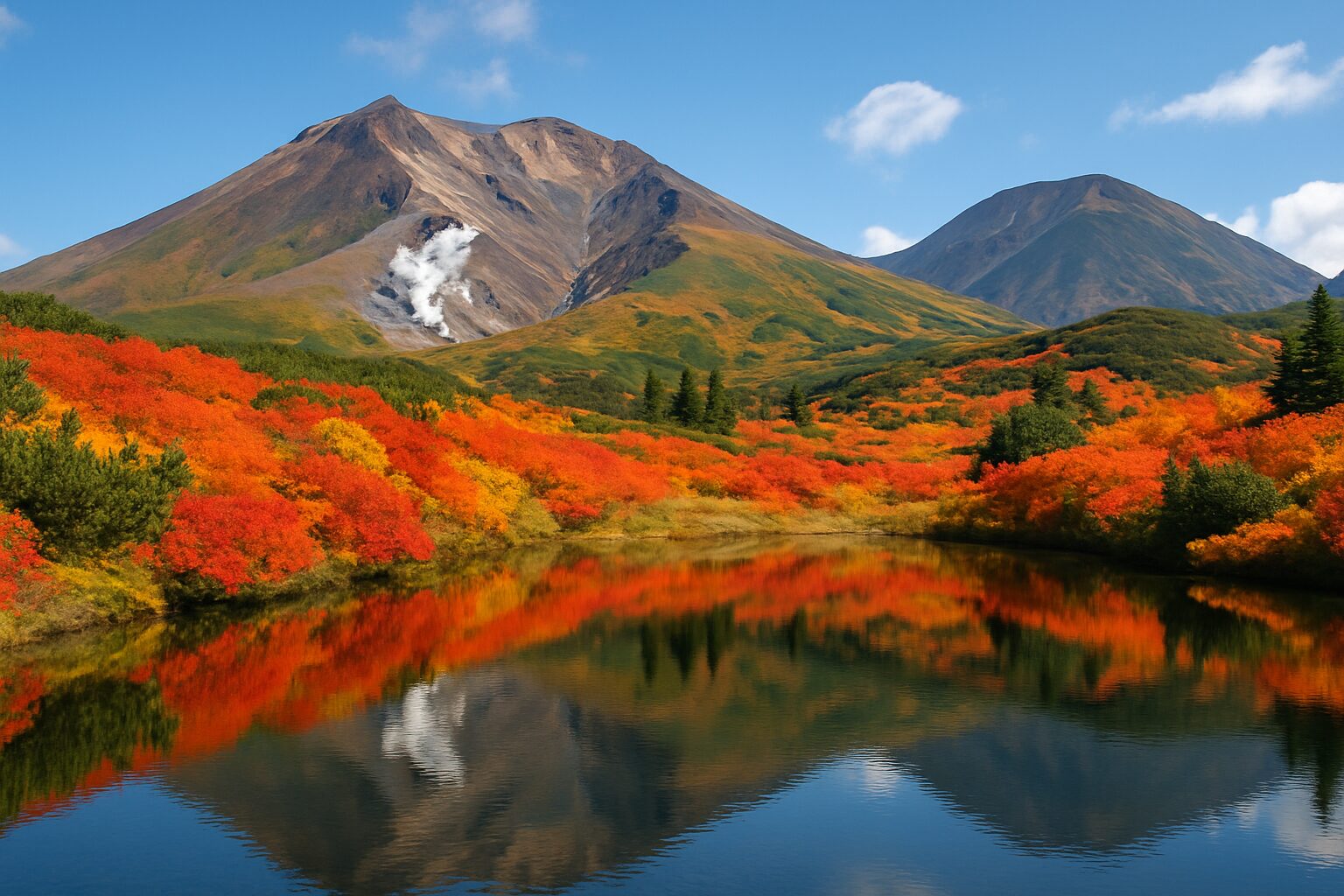
Yo, what’s good? Ryo here. Picture this: a place so massive, so wild, it’s literally called ‘Great Snowy Mountains.’ A place where actual gods are said to hang out. We’re talking about Daisetsuzan National Park in Hokkaido, the absolute unit that holds the title for Japan’s largest national park. This isn’t your average city park with a cute little pond. Nah, this is the real deal. It’s a sprawling kingdom of active volcanoes, alpine meadows that look like they’ve been painted, and a silence so deep you can hear your own heartbeat. Forget what you think you know about Japan with its buzzing cities and packed trains. This is the other side of the coin, the raw, untamed heart of the country’s northernmost island. It’s where nature is the main character, and we’re just lucky enough to be guest-starring in its epic story. For real, the vibe here is straight-up legendary. It’s where you go to get lost (in a good way) and find a piece of yourself you didn’t know was missing. It’s the roof of Hokkaido, and the views are, no cap, life-changing. If you’re looking to experience a Japan that’s rugged, breathtakingly beautiful, and feels a million miles from anywhere, you’ve found your spot. Get ready to explore the playground of the gods.
Ready to start your own adventure? Learn more about how to conquer the roof of Hokkaido.
The Core Vibe: What It Feels Like to Be Here
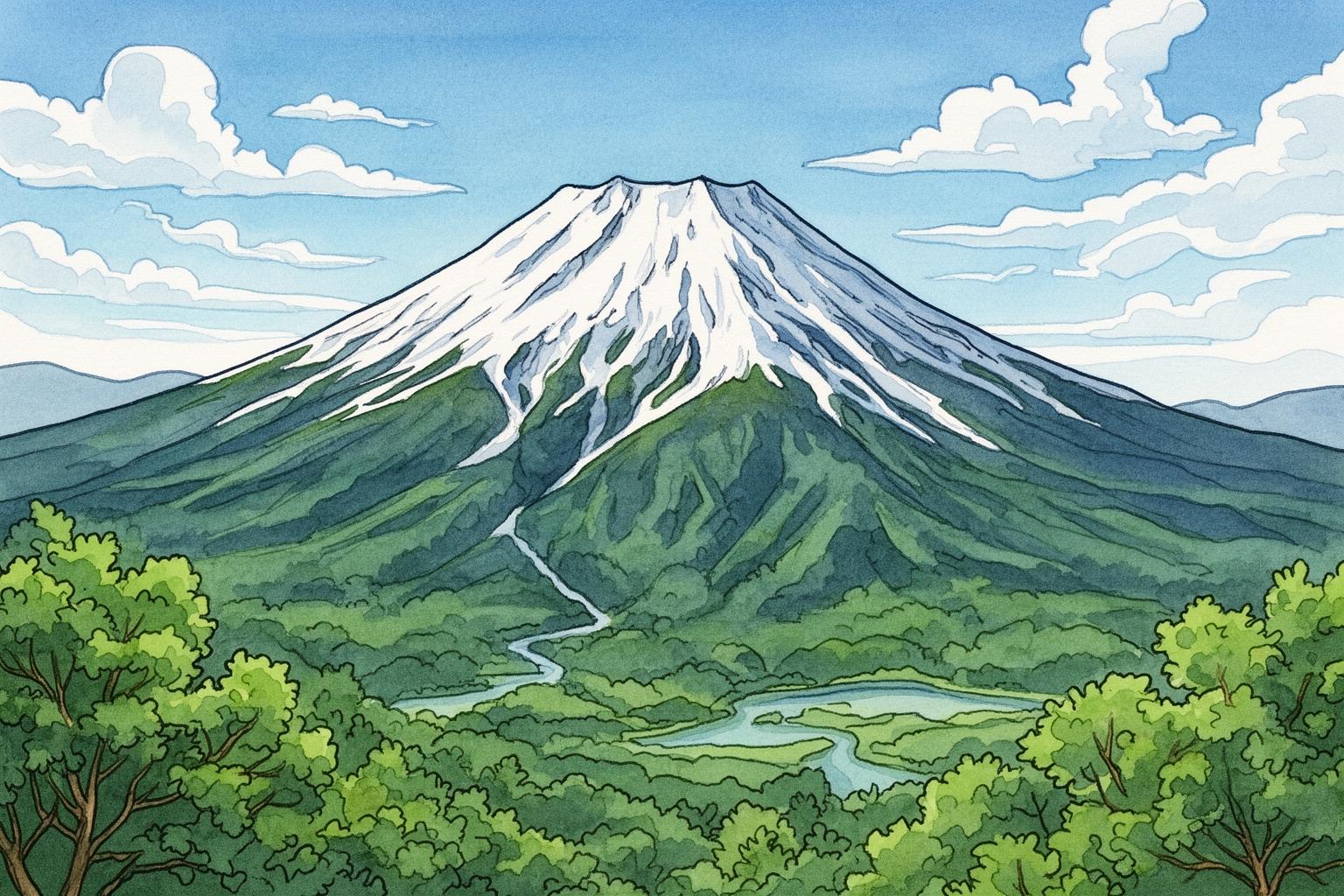
Before we get into the details of trails and towns, let’s take a moment to talk about the atmosphere. Stepping into Daisetsuzan feels like turning down the volume of the world. The air is different—crisp, clean, and carrying a subtle scent of volcanic earth, damp soil, and pine. There’s a profound sense of scale here that plays tricks on your mind in the best way possible. Standing on a ridge, gazing out over a sea of peaks stretching to the horizon, you feel both incredibly small and deeply connected to something ancient and powerful. The indigenous Ainu people, Hokkaido’s original inhabitants, call this place ‘Kamui Mintara,’ meaning ‘The Playground of the Gods.’ And honestly? It fits perfectly. There’s a palpable spiritual energy here—a presence in the swirling mists, the steaming fumaroles, and the stoic silence of the mountains. This is a place that demands respect. You don’t conquer these mountains; you’re granted passage. The experience is less about adrenaline-fueled conquest and more about quiet, humbling immersion. It’s about the rhythm of your footsteps on the trail, the burn in your legs during a steep climb, and the pure bliss of a summit view earned by your own effort. It’s a feeling both deeply personal and universally awe-inspiring. Low-key, it’s a spiritual tune-up for the soul.
The Asahidake Area: Gateway to the Gods
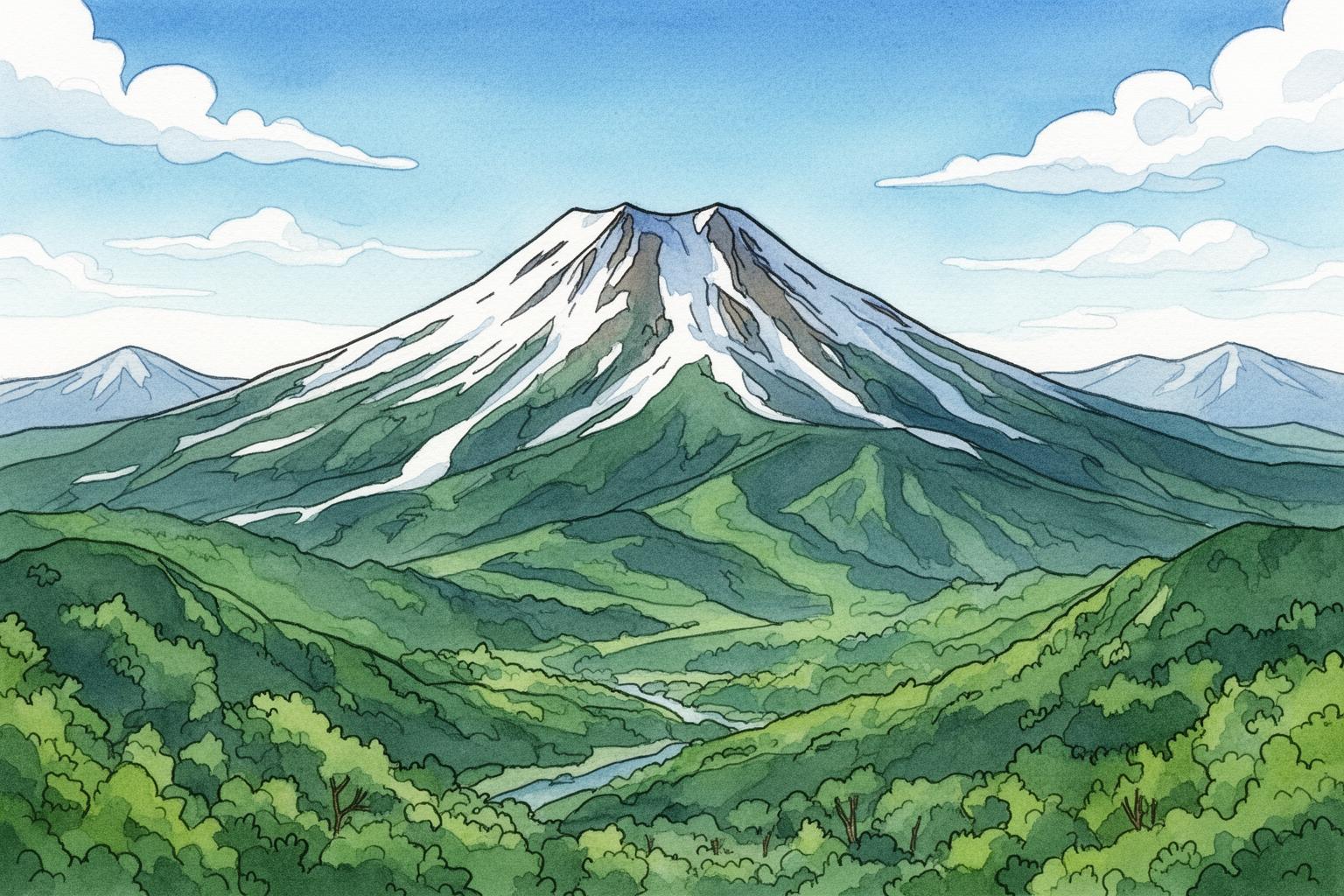
Let’s begin with the main attraction, the king of the park: Mount Asahidake. Standing at 2,291 meters, it’s the tallest peak in all of Hokkaido and an absolutely breathtaking sight. This isn’t a gentle, green-sloped mountain—Asahidake is a raw, living volcano. The whole scene is pure drama. The easiest way up is the Asahidake Ropeway, which, honestly, feels like a major cheat. This cable car swiftly transports you from the quiet onsen village at its base into a completely different world. As you rise, the dense forest fades into a rugged, otherworldly landscape. When you step off at the top station, you’re met with a view that is simply stunning. Ahead lies a panoramic vista of the Daisetsuzan range, while behind you, the scarred, steaming face of Asahidake itself looms.
The Sugatami Pond Loop: Your First Encounter with the Alpine
From the ropeway station, most people start with the Sugatami Pond Loop. It’s a relatively easy, one-hour walk along a well-maintained trail, but the rewards are huge. This trail serves as your official introduction to the park’s alpine zone. You’ll stroll past bubbling volcanic vents, called fumaroles, that release steam and color the rocks in vivid yellows and oranges from sulfur deposits. The smell constantly reminds you that you’re walking on a living mountain. The loop leads you to a series of pristine ponds, with Sugatami Pond being the most famous, perfectly reflecting Mount Asahidake on a clear day. It’s almost a sacred spot. In summer, this area blooms with an astonishing variety of rare alpine flowers, creating a surreal contrast between delicate beauty and rugged geology. It’s the kind of view that makes you pause and just stare, trying to imprint the scene on your mind. This loop is more than just a stroll; it’s an introduction to the raw power and fragile beauty of Daisetsuzan. It’s a must-do, whether you’re a serious hiker or just here for the views.
The Summit Push: Hiking Above the Clouds
For those with more determination, the ultimate prize is the summit of Asahidake. From the end of the Sugatami Pond loop, the trail continues upward, and this is where the real challenge begins. The path becomes a steep, gravelly climb. There are no trees here, only you, the rocks, and the sky. It’s a relentless ascent, but every time you pause to catch your breath and look back, the view becomes increasingly spectacular. You’re literally climbing above the clouds. The landscape is lunar, almost barren, yet stunning in its stark beauty. The final stretch to the summit involves a rocky scramble, and then you’re standing on the roof of Hokkaido. The 360-degree panorama is simply epic. You can see the entire volcanic plateau of Daisetsuzan spread out before you—a chain of craters, peaks, and distant valleys. It’s a humbling, soul-stirring experience. The round trip from the ropeway station takes about four to five hours, but preparation is essential. The weather here can change in an instant. One moment it’s sunny; the next, you’re caught in a whiteout with gale-force winds. Proper hiking gear—sturdy boots, waterproof layers, extra food, and water—is essential. This is no walk in the park; it’s a serious mountain adventure, and the memory you take away will last a lifetime.
The Sounkyo Gorge Area: Water, Rock, and Onsen Bliss
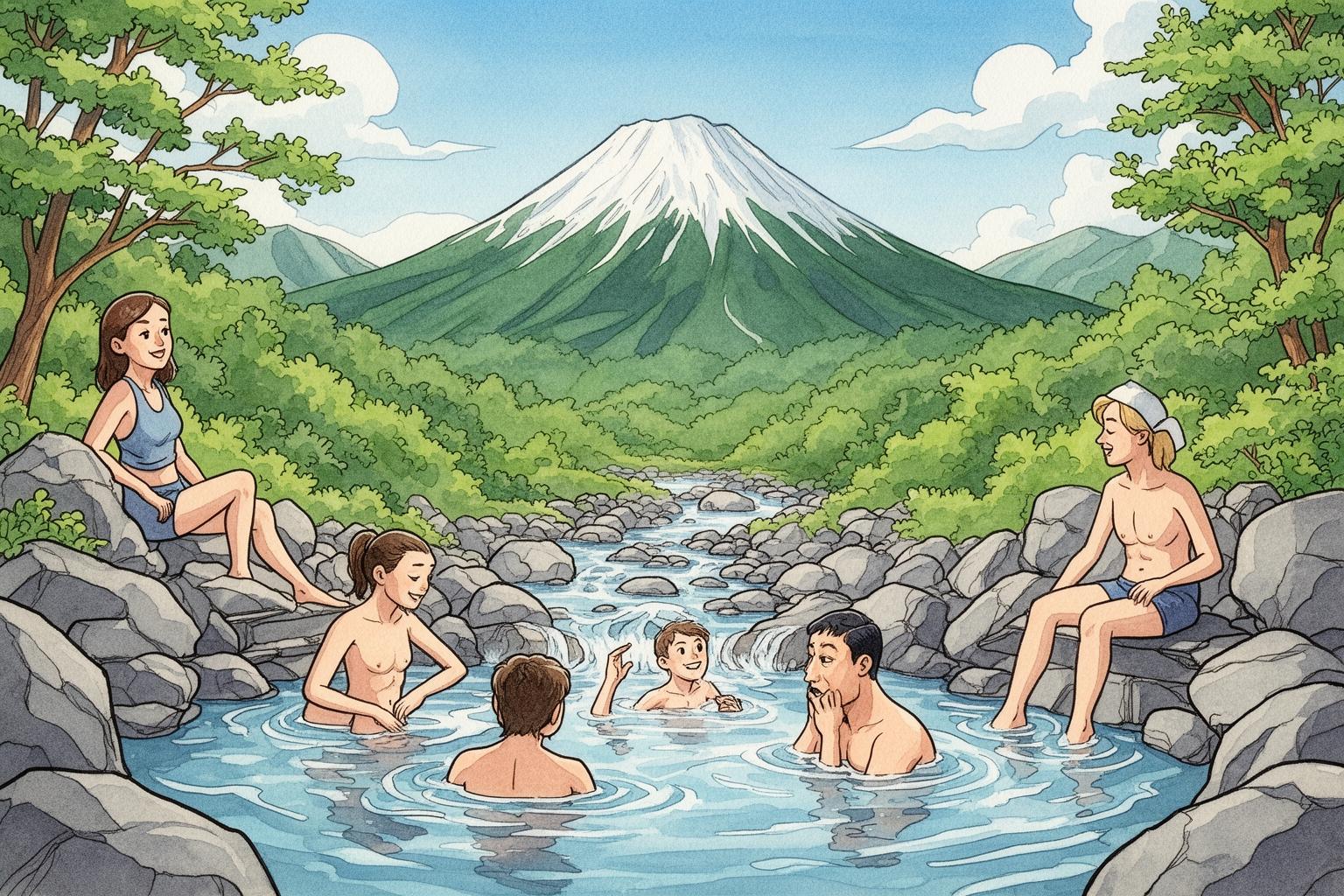
If Asahidake represents the raw, volcanic core of the park, then Sounkyo Gorge embodies its dramatic, sculpted spirit. Shaped by the Ishikari River over thousands of years, this 24-kilometer-long gorge is bordered by sheer cliffs of columnar basalt rising 100 meters high. The rock formations appear as if carved by a giant’s chisel, creating a landscape both imposing and stunningly beautiful. The central hub here is Sounkyo Onsen, a resort town nestled deep within the gorge. Although somewhat touristy, it serves as a very convenient base for exploring this part of the park. The atmosphere here differs greatly from Asahidake; it’s less about high-altitude trekking and more about appreciating the breathtaking scenery from the valley floor, with plenty of onsen to unwind at after a day’s adventure.
The Twin Waterfalls: Ginga and Ryusei no Taki
Sounkyo’s most famous attraction is a pair of waterfalls cascading down the cliff face, known as Ginga no Taki (Milky Way Falls) and Ryusei no Taki (Shooting Star Falls). Often referred to as the ‘husband and wife’ falls, Ginga is the more delicate, with graceful streams like fine threads, while Ryusei is a powerful, singular torrent that crashes forcefully. You can view them from the parking lot at their base, but the expert tip is to hike a short, steep trail up to the Sobakudai viewpoint. From there, you get the iconic shot: both waterfalls appearing side by side, perfectly framed by the gorge. It’s a postcard-perfect scene for a reason. Standing there, hearing the thunder of the water and feeling the mist on your skin, is an incredibly refreshing experience. It’s nature’s own form of therapy.
Kurodake: The Other Summit
Sounkyo also features the Kurodake Ropeway, which lifts you high up the slopes of Mount Kurodake, another major peak in the park. This is the starting point for some of the best multi-day treks in Daisetsuzan, ideal for serious adventurers. But even for day-trippers, it’s absolutely worthwhile. The ropeway reaches the 5th station, followed by a chairlift that ascends to the 7th station. From there, it’s about a 90-minute hike to Kurodake’s summit. The trail is steep and demanding in places, but the reward is huge. The summit offers a completely different perspective of the Daisetsuzan range, gazing across the volcanic plateau towards Asahidake. It feels like standing at the very heart of this mountainous realm. In autumn, the view from the ropeway is legendary. The whole mountainside transforms into a fiery mosaic of reds, oranges, and yellows. It’s one of the earliest spots in Japan to experience autumn colors, attracting visitors from afar. The beauty is so vivid, it almost seems unreal.
The Tokachidake Range: The Volcanic Frontier
Head south, and you’ll come across the Tokachidake Range, the park’s southern volcanic group. This area feels even wilder and more untamed compared to the others. The centerpiece here is Mount Tokachidake, a highly active volcano that constantly emits plumes of steam. The landscape is marked by vast, barren lava fields, rugged peaks, and a deep sense of isolation. This is ideal terrain for serious hikers and backcountry enthusiasts looking to venture off the beaten path. The main access point for many trails is the Tokachidake Onsen area, a small cluster of mountain lodges featuring some of the most rustic and scenic hot springs you’ll find.
Hiking the Active Volcano
Hiking Tokachidake offers a surreal experience. The trails wind across desolate gravel plains and ascend steep slopes where you can literally feel heat radiating from the ground. The colors are otherworldly—deep reds, bright yellows, and volcanic blacks. It feels like trekking on Mars. From the summit, spectacular views stretch out over the surrounding peaks and the Biei and Furano valleys far below. However, this hike should not be taken lightly. As an active volcano, trails may close without notice, and you must heed volcanic gas warnings. Always check the latest updates before setting out. This area truly embodies the raw, untamed power that defines Daisetsuzan, a place that reminds you nature is in command.
Connecting to Biei’s Blue Pond
Just outside the national park boundary, at the base of the Tokachidake Range, is one of Hokkaido’s most famous sights: the Shirogane Blue Pond (Aoiike). Though not technically within the park, its existence is a direct result of volcanic activity. The pond’s otherworldly blue color comes from natural minerals, like colloidal aluminium hydroxide, seeping into the water from the mountain. The sight of stark, withered larch trees standing in the unnaturally blue water is hauntingly beautiful. It’s a very popular spot and can get crowded, but it’s well worth a visit—especially as part of a trip exploring the Tokachidake area. It perfectly illustrates how the park’s geology shapes the surrounding region.
The Seasons of the Gods: When to Vibe with Daisetsuzan
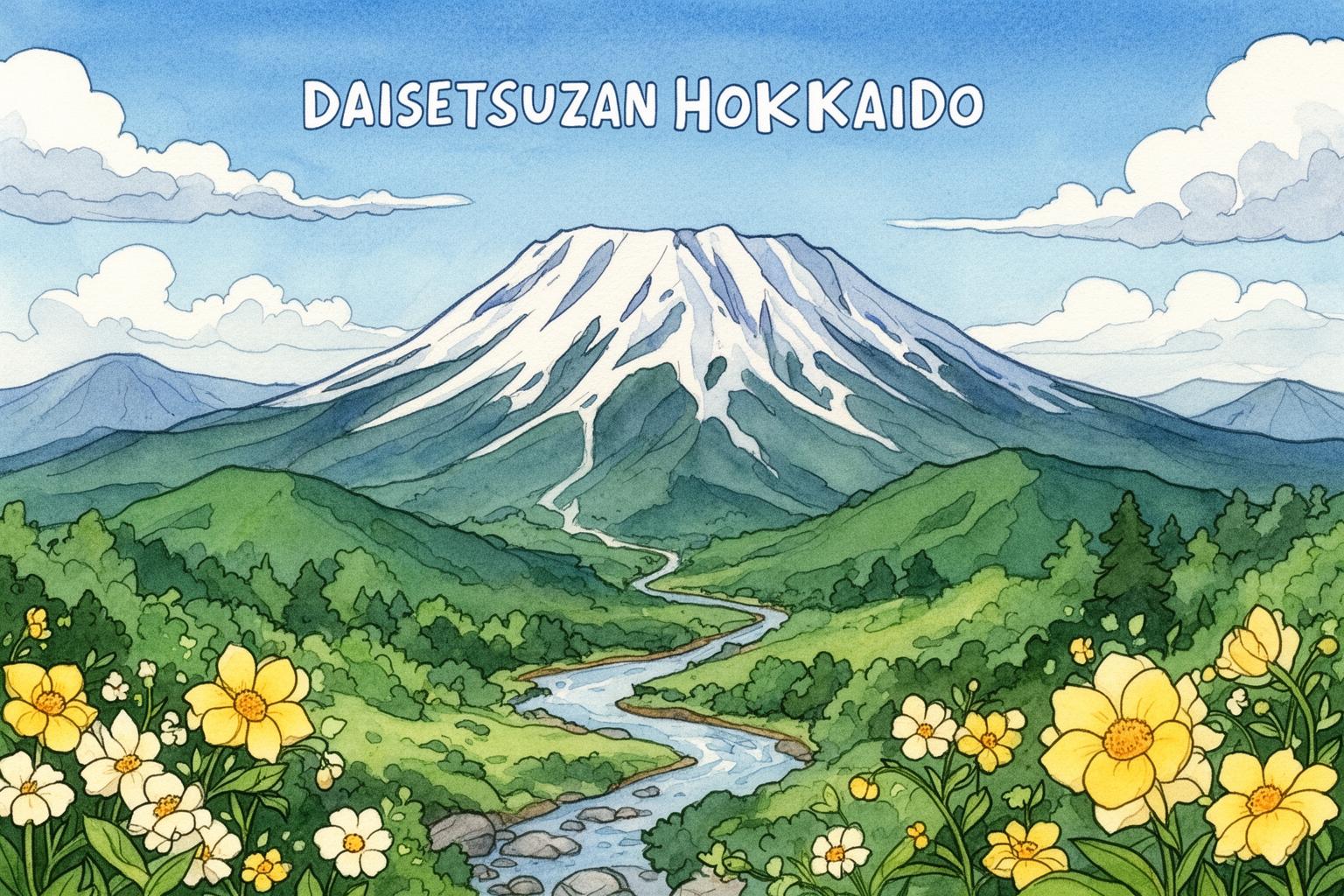
Daisetsuzan isn’t just a one-season attraction. Its character shifts dramatically throughout the year, with each season providing a completely unique experience. The best time to visit really depends on what you want to see. Honestly, every season holds its own charm, and true enthusiasts make it a point to explore the park in all four.
Summer (July – August): The Alpine Bloom
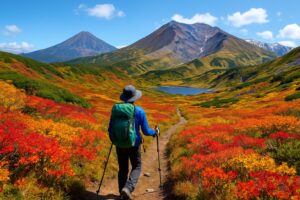
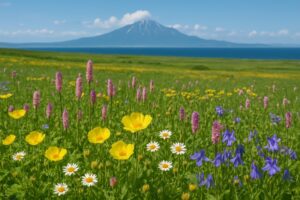
Summer is peak season for good reason. This is when the highlands finally lose their snow cover, and the alpine meadows explode with vibrant color. Hundreds of rare alpine flower species, known as ‘hanabatake,’ blanket the slopes around Asahidake and Kurodake. It’s an incredibly stunning sight. The weather is most stable, making it the ideal time to tackle the high peaks and long-distance hikes. Trails are lively with hikers from across Japan, fostering a strong sense of community on the mountain. The days are long, the air warm (though still cool at higher altitudes), and the atmosphere energetic. This is the quintessential Daisetsuzan experience, perfect for first-time visitors eager to see the park in its lush, colorful prime. Just keep in mind, this is also the busiest season, so booking accommodations early is essential.
Autumn (September – October): A Mountain on Fire
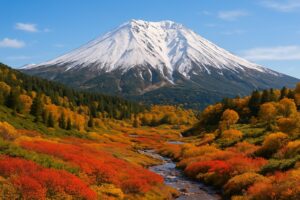
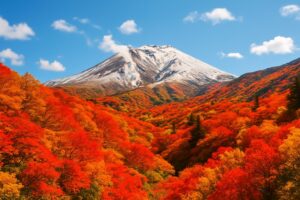
Ask locals, and many will say autumn is the most spectacular time in Daisetsuzan—and they’re right. This park boasts Japan’s earliest autumn foliage. As early as late August, the nanakamado, or Japanese Rowan trees, at higher elevations begin turning a fiery, almost fluorescent red. By mid-September, the whole mountainside becomes a breathtaking patchwork of reds, oranges, and yellows, contrasting beautifully with the dark green pines. The sight of the first snow dusting these brilliant peaks creates a uniquely Japanese aesthetic called ‘sanshoku,’ or ‘three colors’ (red leaves, green pines, white snow). It is, without exaggeration, one of the most stunning natural displays on Earth. The Asahidake and Kurodake ropeways provide prime viewing spots for this spectacle. The crisp autumn air is perfect for hiking, and the onsen are especially soothing after a day in the cool weather. It’s pure magic.
Winter (December – March): The Deep White
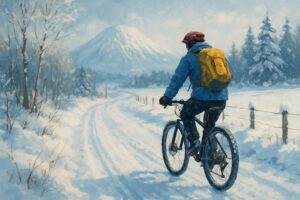
Winter turns Daisetsuzan into a completely different realm—a realm of deep, profound silence, blanketed by meters of the lightest, finest powder snow on Earth. This is ‘Japow,’ and Daisetsuzan is one of its sanctuaries. For backcountry skiers and snowboarders, it’s paradise. The Asahidake Ropeway offers easy access to vast, ungroomed powder fields. For non-skiers, winter invites snowshoeing through quiet, snow-laden forests. Sounkyo Onsen hosts an ice festival featuring massive, illuminated ice sculptures, creating a magical ambiance on cold winter nights. The experience is stark, demanding, and breathtakingly beautiful. It requires proper gear and avalanche awareness, but for those ready to embrace the cold, the payoff is unsurpassed solitude and pristine beauty not found during the busy summer months. The sight of Asahidake’s steaming vents against a pure white snowy backdrop is unforgettable.
Spring (April – June): The Great Thaw
Spring arrives late in Daisetsuzan’s high country. While much of Japan celebrates cherry blossoms, these peaks remain under snow. But as the thaw sets in, the park gradually awakens. This season is one of transition and immense power. Water is everywhere as melting snow swells rivers and waterfalls into roaring torrents. It’s an excellent time for spring skiing at high altitudes while the lower elevations begin to show signs of life. Trails at lower levels, such as in Sounkyo Gorge, start to open up. You can witness ‘yukidoke,’ or snowmelt, as the first green shoots emerge through the remaining snow patches. It’s a quieter season, a time to observe nature’s raw rebirth. For those who cherish the subtle drama of a landscape coming back to life, spring in Daisetsuzan offers a deeply rewarding experience.
The Locals: Wildlife in the Park
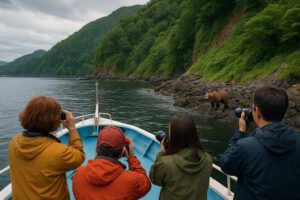
You’re never truly alone in Daisetsuzan. The park serves as a vital refuge for a wide variety of wildlife. The most famous and respected inhabitant is the Ussuri brown bear, or ‘higuma.’ These majestic, powerful creatures make seeing one in the wild (from a safe distance) an unforgettable experience. However, they remain wild, and encounters can be dangerous. Being ‘bear aware’ is absolutely essential. This means making noise while hiking (bear bells are a must), carrying bear spray and knowing how to use it, and never leaving food or garbage behind. Respecting the bears is part of the unspoken agreement when entering their territory.
Beyond the bears, watch closely for the charming pika, a small, rabbit-like mammal living among the rocky scree slopes of the high alpine. They emit a distinctive high-pitched squeak, and spotting one darting between the rocks is a real delight. You’re also likely to encounter sika deer, especially in the lower forested areas, and the playful Hokkaido red fox. The park is a haven for birdwatchers as well, offering opportunities to see the massive Blakiston’s fish owl or the striking Siberian rubythroat. The wildlife is an essential part of the Daisetsuzan experience, a vivid reminder that this is a living, breathing ecosystem.
Practical Intel: How to Do Daisetsuzan Right
Alright, let’s cut to the chase. Exploring a park this large requires some planning. Here’s the essential info to make your trip smooth and unforgettable.
Getting There and Getting Around
Daisetsuzan is located in central Hokkaido, so there’s no single ‘entrance.’ You access it depending on which area you want to visit. The main gateway city is Asahikawa, Hokkaido’s second-largest city, which boasts an airport with flights from Tokyo and a major train station.
- For the Asahidake Area: From Asahikawa, you can catch a bus directly to Asahidake Onsen (the base of the ropeway). The journey takes about 90 minutes, though buses are somewhat infrequent.
- For the Sounkyo Area: Likewise, buses run from Asahikawa Station to Sounkyo Onsen, taking roughly two hours.
- The Pro Tip – Rent a Car: Honestly, the best way to explore Daisetsuzan and its surroundings is by renting a car. While public transport reaches the main hubs, having a car lets you access various trailheads, visit spots like the Blue Pond, and stop whenever the views captivate you — which is often. Driving in Hokkaido is fairly easy, with wide roads and lighter traffic compared to the rest of Japan. Just be sure to obtain an International Driving Permit before your trip.
Where to Stay
Accommodation choices vary widely depending on your location and budget.
- Onsen Hotels: Both Asahidake Onsen and Sounkyo Onsen feature a variety of lodging options, from simple guesthouses (‘minshuku’) to luxurious ‘ryokan’ offering incredible hot spring baths and multi-course ‘kaiseki’ meals. Staying in one of these provides a classic Japanese experience and is an excellent way to unwind after a long hike.
- Mountain Huts: For multi-day trekkers, several mountain huts (‘sanso’) are scattered throughout the park. These basic shelters typically offer sleeping spaces (often dormitory style) and sometimes simple meals. Reservations are required, and they operate only during the summer hiking season. They play an important role in the alpine culture here.
- Camping: A few designated campgrounds exist at the mountain bases, such as in Sounkyo. These provide a more rustic, budget-friendly choice for those equipped with the right gear.
Tips for First-Timers and Pro Advice
- Respect the Weather: This cannot be overstated. The weather in Daisetsuzan is famously unpredictable and can be severe. Even in summer, it can be cold and windy at the summit. Pack layers, including a warm mid-layer (like fleece or down) and a waterproof, windproof outer. A hat and gloves are wise, even in August.
- Check Information Centers: Before you hike, stop by the visitor centers (excellent ones are in Asahidake and Sounkyo). They offer the latest trail updates, weather forecasts, and bear sighting reports. The staff are highly knowledgeable and can provide valuable advice.
- Start Early: The mountains are best appreciated in the morning when the weather tends to be more stable. Getting an early start gives you more daylight and helps you avoid the heaviest crowds.
- Onsen Etiquette: Soaking in an onsen is the ideal post-hike ritual. Remember the basics: thoroughly wash at the washing stations before entering the bath. Keep towels out of the water. And yes, you bathe nude. It may feel unusual at first, but you’ll adjust quickly. It’s all about relaxation and respect.
- Pack In, Pack Out: This is pristine wilderness with no trash bins on the trails. Whatever you bring, take it back with you. Leave no trace.
The Final Word
Daisetsuzan National Park is more than just a hiking destination. It’s an experience that stays with you. It’s a place that pushes you physically and rewards you with a sense of wonder rarely found in the modern world. It’s the rumble of an active volcano beneath your feet, the extraordinary color of an alpine flower, the soul-soothing warmth of a natural hot spring. It’s the Playground of the Gods, and they’re inviting you to discover what makes it so special. Whether you’re standing on the wind-swept summit of Asahidake or hearing the roar of a waterfall in Sounkyo, you’ll sense it—that connection to something greater, wilder, and more ancient than all of us. So pack your bags, lace up your boots, and get ready. The roof of Hokkaido is calling.