Yo, let’s get real for a second. If you’re chasing that next-level, soul-shaking adventure, the kind of trip that totally rewires your brain and floods your feed with jaw-dropping content, then you need to put Daisetsuzan National Park on your radar. Stat. Forget what you think you know about Japan—we’re not talking neon-soaked cities or serene temples here. We’re talking about the raw, untamed crown jewel of Hokkaido, a place so massive and wild it’s literally called ‘Kamui Mintara’ by the indigenous Ainu people, which translates to the ‘Playground of the Gods.’ And trust me, once you’re standing on a volcanic peak, staring out at an endless sea of mountains under a vast sky, you’ll get it. This isn’t just a park; it’s an entire universe of smoldering volcanoes, technicolor alpine meadows, and some of the most epic hiking trails on the planet. Daisetsuzan is where Japan’s wilderness gets turned up to eleven. It’s the rooftop of Hokkaido, a sprawling expanse that holds the title for being Japan’s largest national park. We’re talking about a territory bigger than some small countries, packed with active volcanoes, pristine forests, and wildlife that roams free. It’s a place that commands respect, a landscape that feels ancient and powerful. This is where you come to feel small in the best way possible, to challenge yourself against the elements, and to witness seasons change with a drama you just don’t see anywhere else. It’s the first place in Japan to see autumn colors and the first to be blanketed in snow. Stepping into Daisetsuzan is like stepping onto a different planet, one that’s still being forged by fire and ice. It’s the ultimate escape, the real deal, and it’s waiting for you to come and play. Let’s dive deep into this incredible Playground of the Gods.
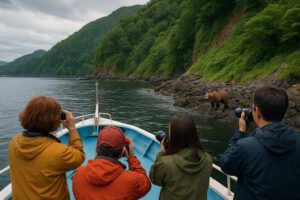
For another epic Hokkaido wilderness adventure, consider exploring the rugged coastline and bear watching in Shiretoko National Park.
The Vibe: Why Daisetsuzan is a Whole Mood
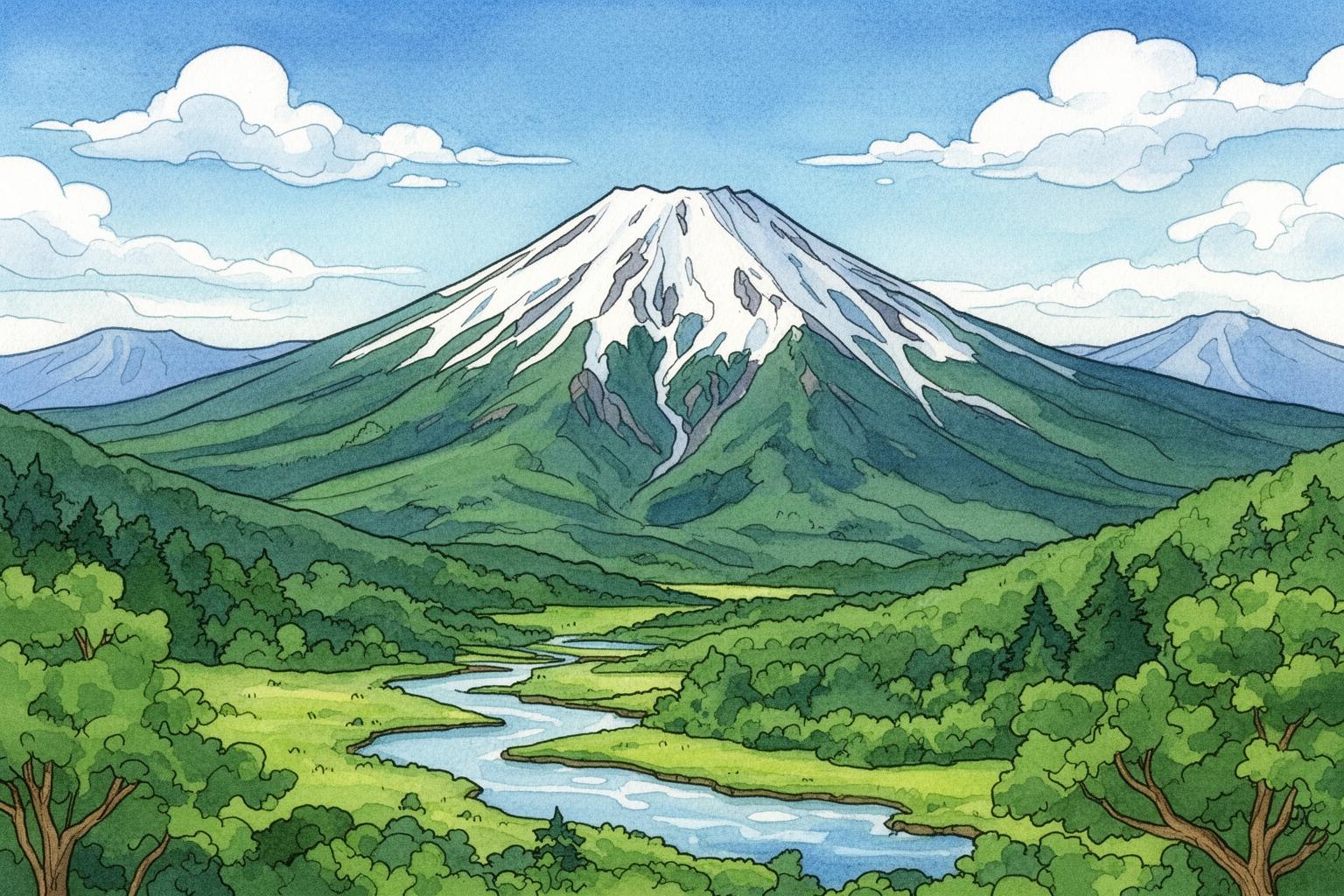
Before we even start on the trails, you need to grasp the vibe here. Daisetsuzan isn’t a neatly maintained park with paved walkways and ice cream stands at every viewpoint. No, this place is beautifully and unapologetically wild. The air feels different—crisper, cleaner, charged with a raw, electric energy. It’s the essence of true wilderness. You’ll be hiking over volcanic scree, crossing snowfields even in late July, and following trails that are little more than narrow paths carved into the mountainside. The silence is deep, interrupted only by the whistle of the wind, the chirp of a Siberian rubythroat, or the high-pitched squeak of the charming pika, a small rabbit-like creature nestled among the rocks. The scale of everything here is immense. Looking across a valley, you’ll see a chain of peaks stretching to the horizon, with not a trace of civilization anywhere. It’s humbling. The Ainu people were right on—this feels like a place where gods gather, shaping the land with every volcanic rumble and glacial carve. There’s a profound spiritual resonance here. This isn’t just about ticking off peaks; it’s about connecting with a landscape that is overwhelmingly powerful and pure. It’s about the journey, the effort, and the incredible reward of witnessing a world few ever get to see. It’s an experience that engages your whole body and soul, staying with you long after the muscle soreness fades.
First to Blush, First to Freeze: The Seasons on Hyperdrive
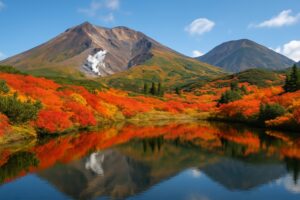
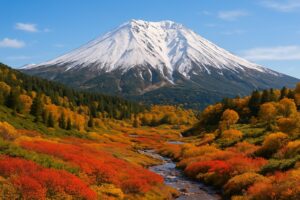
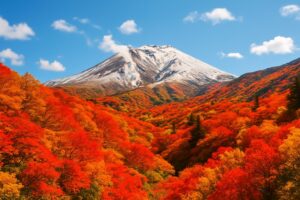
One of Daisetsuzan’s greatest attractions is its dramatic, accelerated seasonal cycle. This park leads the way for all of Japan. While Tokyo still swelters in mid-September humidity, the peaks of Daisetsuzan are already ablaze with some of the most insanely vibrant autumn colors you’ll ever witness. We’re talking about a surreal mosaic of crimson nanakamado bushes, brilliant yellow birch trees, and deep green stone pines, all woven together across whole mountainsides. This spectacle, known as ‘koyo,’ is a national obsession in Japan, and Daisetsuzan is its opening act. The colors cascade from the summits down to the valleys like a slow-motion wave of fire, making it a pilgrimage destination for photographers and nature lovers alike. At the same time, the park often gets the earliest snowfall in the country, sometimes as early as late September on the highest peaks. This means the ideal hiking window is relatively brief, adding to the area’s mystique and value. Experiencing Daisetsuzan is all about timing your visit to catch one of these spectacular, fleeting displays of natural artistry.
Playground of the Gods: The Ainu Connection
To truly appreciate Daisetsuzan, you must understand its cultural heritage. The name ‘Daisetsuzan’ means ‘Great Snowy Mountains’ in Japanese—a fitting but purely descriptive term. The original name, given by the indigenous Ainu people, is ‘Kamui Mintara,’ the ‘Playground of the Gods.’ This name embodies the spirit of the park. For the Ainu, these mountains were not just landforms; they were living entities inhabited by powerful spirits, or ‘kamuy.’ The tallest peak, Asahidake, was known as ‘Nutap-ka-ush-pe,’ and the bears here, the Ussuri brown bears, are ‘kimun kamuy,’ the god of the mountains. This worldview alters your perception of everything. The steam rising from a volcanic fumarole isn’t merely a geological process; it’s the mountain’s breath. A sudden storm isn’t just bad weather; it’s the gods’ mood. Hiking here with this understanding transforms the experience from a physical feat into a spiritual journey. You’re not merely a tourist on a path; you’re a guest in a sacred, powerful land. This deep reverence for nature is woven into Hokkaido’s culture, and you can feel it in the quiet respect people have for these mountains.
Getting Your Boots on the Ground: Access & Logistics
Alright, so you’re convinced of the epicness. Now, how do you actually get there? Daisetsuzan is huge, so there isn’t just one entrance. Instead, there are several key access points, each offering a unique way to experience the park. The most popular gateway city is Asahikawa, Hokkaido’s second-largest city. It has an airport and is a major train hub, making it an ideal basecamp to gather supplies and plan your adventure.
The Main Gateways
Asahidake Onsen
This is the primary and most accessible entry point to the park’s highest peak, Mount Asahidake. It’s a small, rustic hot spring village situated at the mountain’s base. From Asahikawa, you can take a bus (a few times daily) or drive, which takes about an hour and a half. The highlight here is the Asahidake Ropeway, a cable car that carries you up into the alpine zone in about ten minutes. It’s a game-changer, saving a lot of elevation gain and dropping you straight into a surreal landscape of steaming vents and alpine tundra. This is the starting point for the classic Asahidake summit hike and the legendary Grand Traverse.
Sounkyo Onsen
Located on the park’s northeastern side, Sounkyo is a more developed and tourist-friendly resort town nestled in a dramatic gorge. It’s renowned for its breathtaking waterfalls and towering cliffs. Sounkyo also features its own ropeway, the Kurodake Ropeway, followed by a chairlift that takes you to the 7th station of Mount Kurodake. This is another major trailhead, providing access to the park’s interior from a different perspective. It’s an excellent base if you want more creature comforts like a wider range of hotels, restaurants, and souvenir shops.
Tokachidake Onsen & Tenninkyo Onsen
If you’re looking to venture off the beaten path, these are your spots. Tokachidake Onsen serves as a gateway to the wild, volcanic landscapes of Mount Tokachi, an active volcano featuring rugged, less-traveled trails. Tenninkyo is a quieter, almost forgotten onsen village tucked in a beautiful gorge, offering a more peaceful, old-fashioned experience. Access is more limited at these locations, and having a rental car is practically essential.
When to Hit the Trails: A Seasonal Breakdown
Timing is crucial in Daisetsuzan. Arriving at the wrong time could mean impassable snowfields or harsh, stormy conditions. Here’s the overview:
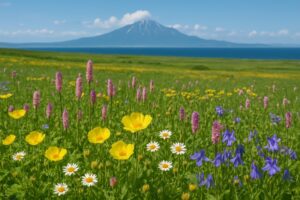
- July to August (High Summer): This is peak season for alpine flowers. Trails above the treeline burst into vibrant color, with vast carpets of wildflowers creating a scene straight out of a fantasy film. The weather is most stable, though that’s relative—expect sun, rain, and wind all within a single afternoon. This is the busiest time of year, so book your accommodations and mountain huts well ahead.
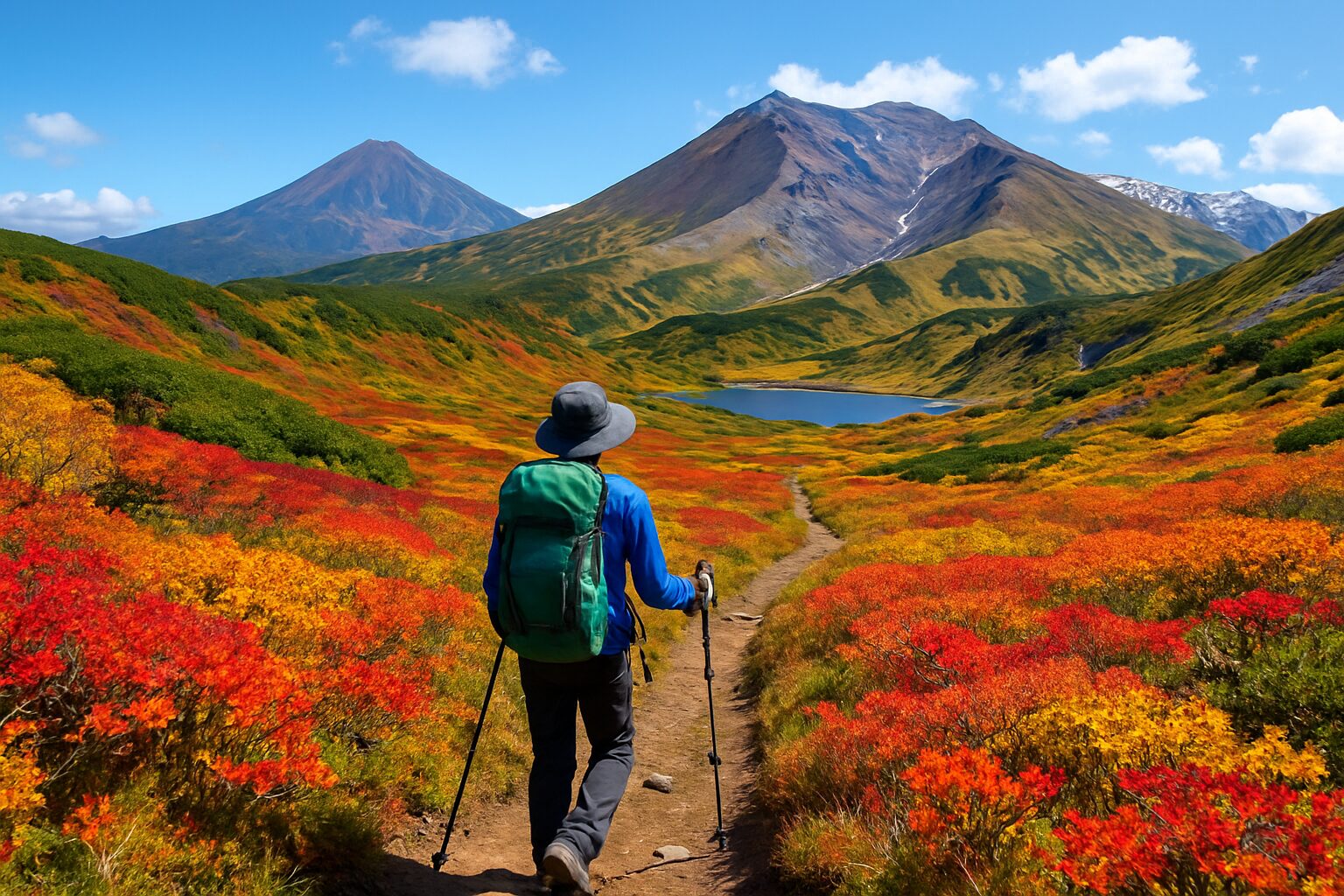
- September (Autumn Glory): This is the magical month. Autumn foliage begins in early September at the highest elevations and gradually descends. The first two to three weeks of September are generally the peak for the famous ‘koyo’ on the high-altitude trails. The air is crisp, the crowds excited, and the scenery absolutely breathtaking. It can get chilly, and the first dusting of snow on the peaks is quite possible.
- October (Late Autumn): The fall colors have moved into the valleys and onsen towns. The high country is often already blanketed in snow, with most trails inaccessible. This is a perfect time to enjoy lower elevation hikes and soak in the onsen culture.
- Late June (The Thaw): This is a challenging shoulder season. Significant snow remains on trails, especially in shaded areas and at higher elevations. Proper gear like microspikes and gaiters is necessary, along with experience navigating snow patches. The payoff is solitude and stunning contrasts of fresh green growth against white snow.
- November to May (Deep Winter): Unless you’re a highly skilled and fully equipped backcountry skier or mountaineer, this period is off-limits for hiking. The park is covered in meters of snow, and conditions are extreme and unforgiving.
The Hiking Itinerary: From Day Trips to a Life-Changing Traverse
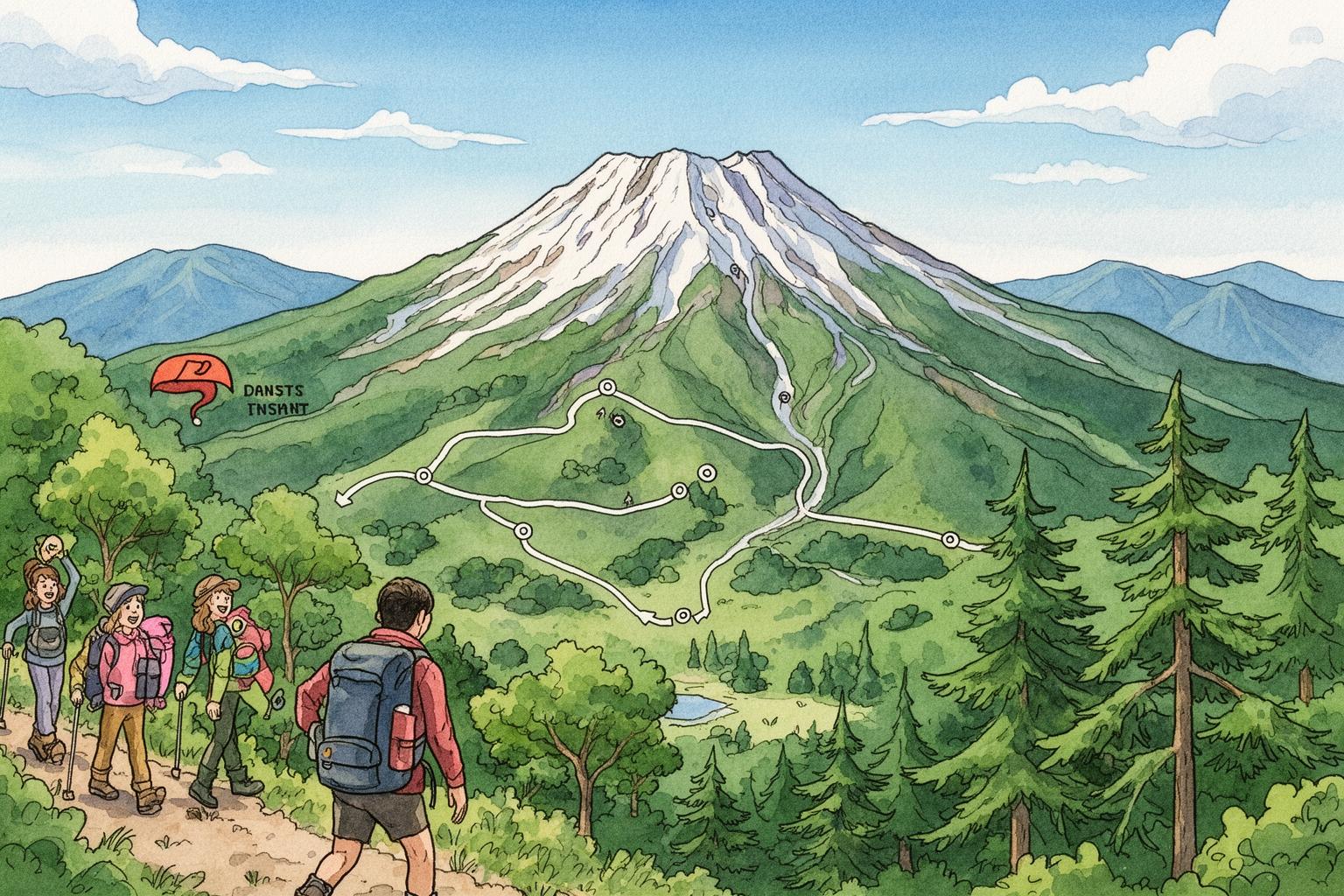
Alright, let’s dive into the main attraction: the trails. Daisetsuzan has something for everyone, ranging from easy nature strolls to challenging multi-day adventures that push your limits. Here are some of the most iconic routes.
The Asahidake Experience: Hiking on an Active Volcano
This is the quintessential Daisetsuzan hike and the ideal introduction to the park’s volcanic core. The journey starts at the Asahidake Ropeway top station.
Sugatami Pond Loop (Easy / 1 hour)
As you step off the ropeway, you’re immediately welcomed by a landscape that feels otherworldly. A well-kept boardwalk trail leads you on a one-hour loop around several volcanic ponds and steaming fumaroles. The hissing sounds and sulfurous aroma constantly remind you that you’re on an active volcano. Sugatami-no-ike, the main pond, perfectly mirrors the majestic peak of Asahidake on a clear day, creating an unforgettable photo opportunity. Even if you’re not a serious hiker, this loop is a must. It offers a full sensory experience of Daisetsuzan’s power with minimal effort.
Summiting Mount Asahidake (Challenging / 4-5 hours round trip from ropeway)
From the Sugatami Pond area, the true climb begins. The trail to the summit of Hokkaido’s tallest peak (2,291 meters) is a steep, relentless ascent over loose volcanic rock and scree. While there’s no technical climbing involved, it’s a physically demanding hike requiring sturdy boots and strong legs. The higher you go, the more breathtaking the views become. You’ll gaze down on steaming vents and jewel-like ponds, while overlooking the vast expanse of the national park. The final stretch is often cold and windy, even in summer. But reaching the summit marker and taking in the 360-degree panorama is a rush of pure exhilaration. You’re literally standing on Hokkaido’s rooftop. Be sure to bring layers, as summit weather can be harsh and very different from the base.
The Kurodake Climb: A Lush Perspective
Hiking Mount Kurodake (1,984 meters) from the Sounkyo side offers a different yet equally spectacular experience. After riding the ropeway and chairlift, the hike to the summit is a steep, rocky path taking about 90 minutes to two hours. Unlike the barren volcanic slopes of Asahidake, the Kurodake trail feels greener, with hardy alpine vegetation gripping the mountainside. From the top, you get an incredible view down into the dramatic Sounkyo Gorge and directly across to the central Daisetsuzan massif, including Asahidake. It’s a fantastic vantage point to appreciate the sheer scale of the range. Many hikers use Kurodake as the start or end point for the Grand Traverse.
The Grand Traverse: The Ultimate Challenge
This is the pinnacle trek—the legendary multi-day journey through the heart of the Daisetsuzan range, usually from Asahidake to Kurodake. This is no casual hike; it’s a serious backcountry expedition that demands planning, experience, and grit. The reward is an almost spiritual experience. You’ll spend days following high-alpine ridges, surrounded by mountains, sky, and the occasional fellow trekker. A typical itinerary goes like this:
- Day 1: Asahidake Ropeway to Hakuun-dake Hut. Summit Mount Asahidake first, then continue along the ridge, crossing several other peaks. The trail passes through vast alpine meadows and lingering snowfields. After a long day, you reach the Hakuun-dake emergency hut, a simple shelter in the middle of nowhere. The profound sense of isolation and peace here is unforgettable.
- Day 2: Hakuun-dake Hut to Kurodake Ishimuro. This is the core of the traverse, often called the ‘hike across the roof of Hokkaido.’ You’ll pass through the park’s most remote and stunning areas, including the alpine gardens around Hokkaidake. Views are nonstop, revealing wild, pristine nature. Spend the night at Kurodake Ishimuro, a mountain hut just below Kurodake’s summit.
- Day 3: Kurodake Summit to Sounkyo. A relatively easy final day. You’ll ascend to Kurodake’s summit one last time before descending to the ropeway and returning to civilization at Sounkyo Onsen. Soaking in an onsen after this trek is probably one of the most satisfying experiences imaginable.
A note on mountain huts: These are simple shelters. You need to bring your own food, cooking equipment, and sleeping bag. Some huts have caretakers during peak season, but many are unmanned. Reservations are usually required. They’re not hotels—think of them as a roof over your head and a flat spot to sleep, and you’ll have the right mindset.
Autumn Color Pilgrimages: Ginsendai and Kogen Onsen
If you visit in September, these two spots are must-sees. They’re ground zero for the autumn foliage explosion.
Ginsendai Trailhead
Located on the park’s eastern side, the drive to the Ginsendai trailhead is an experience itself. During peak season, the road becomes a one-way scenic route to manage traffic. The trail is famous for vast slopes blanketed in nanakamado (Japanese Rowan) bushes, which turn a fiery, electric red that almost seems unreal. It looks like the entire mountain is blushing. The view from the trailhead alone is worth the trip, providing a breathtaking panorama of this crimson sea.
Kogen Onsen Numa Meguri Trail
This trail is special. Known as the ‘Swamp Tour,’ it takes you along boardwalks through a pristine highland marsh dotted with dozens of small ponds, or ‘numa.’ In autumn, the foliage around these ponds bursts into vibrant colors, and the reflections in the calm water create a perfect mirrored world of reds, yellows, and oranges. It’s incredibly picturesque. What makes this trail unique is the mandatory bear safety briefing you must attend before starting. Due to the high density of brown bears in the area, park rangers provide a safety lecture. It’s a humbling reminder that you are a guest in their home.
Life Beyond the Trails: Onsen, Food, and Good Vibes
Hiking is the main attraction in Daisetsuzan, but the accompanying experiences are pretty incredible too. Taking time to recharge and refuel is an essential part of the journey.
The Onsen Experience
You simply can’t visit a volcanic area in Japan without enjoying the onsen (hot springs). Immersing your tired muscles in geothermally heated, mineral-rich waters after a long day of hiking is a true ritual. It’s absolute bliss. Each onsen village offers its own unique charm.
- Asahidake Onsen: These onsen are rustic and unpretentious. The waters are often cloudy with minerals and carry a distinct volcanic scent, creating a deep connection to the mountain.
- Sounkyo Onsen: A larger resort town featuring big hotels with elaborate bathhouses, some boasting multiple pools and outdoor rotenburo with views of the gorge.
- Tokachidake Onsen: Famous for some of Hokkaido’s most wild and natural onsen. Spots like Fukiage Onsen are free, open-air, mixed-gender pools set deep in the forest—an authentically wild experience.
Fueling the Adventure: Hokkaido’s Culinary Delights
As a foodie, I can say Hokkaido is a true culinary paradise. The region is Japan’s food basket—especially for rice, produce, dairy, and seafood. After burning thousands of calories on the trails, you have the perfect excuse to indulge.
- Asahikawa Ramen: Before or after your trek, a visit to Asahikawa to slurp their famous shoyu (soy sauce) ramen is a must. Its rich pork and seafood broth, topped with a layer of oil, keeps it piping hot during Hokkaido’s cold winters. It’s the ultimate comfort food.
- Jingisukan (Genghis Khan): A classic Hokkaido dish where you grill lamb or mutton and vegetables on a special domed skillet at your table. It’s a fun, interactive, and delicious meal, best paired with a cold Sapporo Classic beer.
- Soft Cream: Hokkaido’s dairy is legendary, and its soft-serve ice cream—known as “soft cream”—is on another level of richness and creaminess. Enjoying one is the unofficial reward after every successful hike.
- Local Produce: Visit any ‘michi-no-eki’ (roadside station) and you’ll discover amazing local vegetables, from sweet corn to potatoes and melons. The freshness is incredible.
Real Talk: Staying Safe in the Playground of the Gods
Daisetsuzan is wild, and that’s exactly what makes it incredible. However, it also means you need to be smart and prepared—the mountains are not to be taken lightly.
The Bear Necessities
Yes, there are bears. Ussuri brown bears (Higuma), native to Hokkaido, are powerful creatures that command respect and caution. While encounters are uncommon, they can occur. The best practice is to make noise as you hike—whether by talking, clapping, or using a bear bell—to alert bears of your presence and avoid surprising them. Never leave food unattended, and be sure to carry out all your trash. If you spot a bear, do not run; instead, back away slowly and calmly. The bear safety briefing at Kogen Onsen is an excellent resource for understanding proper behavior.
Weather or Not, Here I Come
Weather is the most unpredictable and potentially dangerous factor in Daisetsuzan. A clear morning can quickly change to fog, rain, and strong winds. Temperatures may drop suddenly, and snow is even possible in August. The key is layering: bring a waterproof and windproof outer shell, a warm middle layer like fleece or down, and a moisture-wicking base layer. A hat and gloves are important, even in summer. Always check the forecast before heading out, but be ready for it to change unexpectedly. Most importantly, know when to turn back—the summit will be there another time.
Leave No Trace, Take Only Memories
This pristine environment is fragile. Stay on the trails to protect the delicate alpine plants that take decades to recover. Pack out everything you bring in, including food scraps. The philosophy of ‘leave it better than you found it’ is deeply valued here. Let’s preserve the Playground of the Gods for generations ahead.
First-Timer’s Cheat Sheet
- Rent a Car: Seriously, while buses serve the main trailheads, having a car offers the freedom to explore the expansive park, visit various access points, and stop at scenic viewpoints. Public transport schedules can be quite restrictive.
- Book Ahead: For any visit from July to September, make sure to book your accommodation, rental car, and especially mountain huts well in advance. Availability disappears quickly.
- Cash is King: Although cities accept cards easily, cash is essential once you’re in the mountains and small onsen towns. Don’t count on finding ATMs everywhere.
- Stay Connected (or Not): Mobile phone reception is almost non-existent in much of the park’s interior. Download offline maps or carry a dedicated GPS device for longer hikes. Always inform someone of your hiking plan and expected return time.
- Gear Up: Well-broken-in waterproof hiking boots are indispensable. Trekking poles can be a lifesaver on steep climbs and descents. Don’t compromise on quality rain gear.
The Final Send: More Than a Mountain
Daisetsuzan is one of those places that stays with you. It’s more than just a collection of stunning peaks; it’s an experience. It’s the exhilaration of standing on an active volcano, the serenity of watching clouds drift across a vast valley, and the delight of soaking in a natural hot spring after pushing your body to its limits. It serves as a reminder of the raw power and awe-inspiring beauty of the natural world. Hiking in the Playground of the Gods is as much a journey inward as it is a climb upward. It challenges you, humbles you, and ultimately transforms you. So pack your bags, lace up your boots, and prepare to answer the call of Hokkaido’s wild heart. The gods are waiting to play.