Yo, let’s talk real for a second. In the world of travel, we’re all chasing that authentic vibe, right? That one spot that hasn’t been totally blown up on the ‘gram, a place with a story that hits different and food that makes you rethink your whole life. If that’s the quest, then let me put you on to Fudai Village in Iwate Prefecture. Tucked away on the northern stretch of Japan’s ruggedly beautiful Sanriku Coast, Fudai is a low-key legend. This isn’t your typical tourist town; it’s a living, breathing fishing community where the rhythm of life is dictated by the tides of the Pacific Ocean. The realness here is next level. We’re talking about a place that stares down one of the world’s most powerful oceans every single day and responds by harvesting some of the most insane seafood you’ll ever taste. This is the heartland of what’s known as the Sanriku brand—a seal of quality that’s legit famous across Japan but is best experienced right here at the source. It’s a story of resilience, deep respect for the sea, and a culinary scene that’s so hyper-local, the menu basically changes with every boat that comes into the harbor. Forget farm-to-table; this is ocean-to-chopsticks, and trust me, it’s a trip worth making.
For a completely different, yet equally authentic, taste of Iwate’s inland culture, explore the story of how grilled lamb became Tono’s soul food.
The Vibe Check: What Fudai Village Feels Like
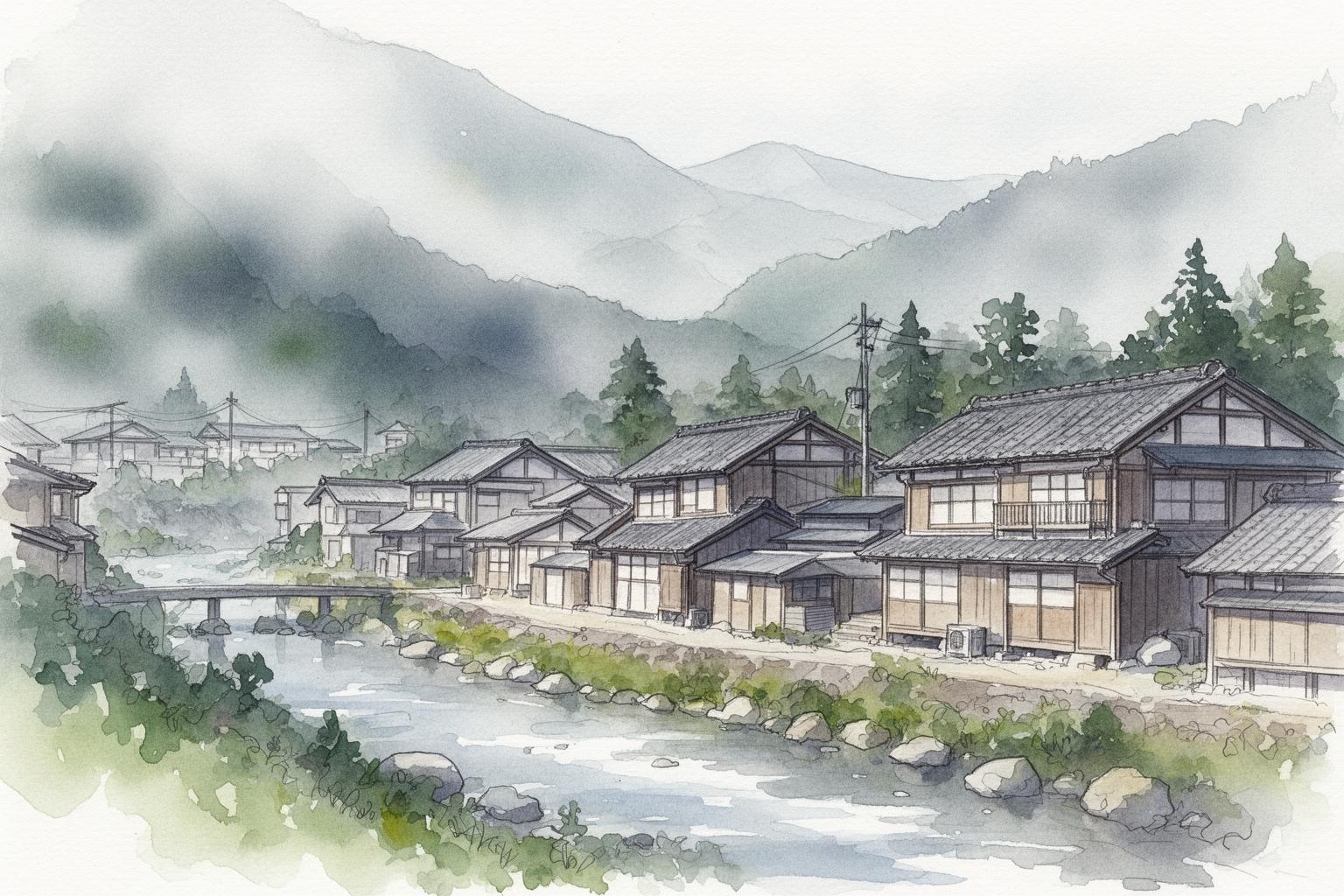
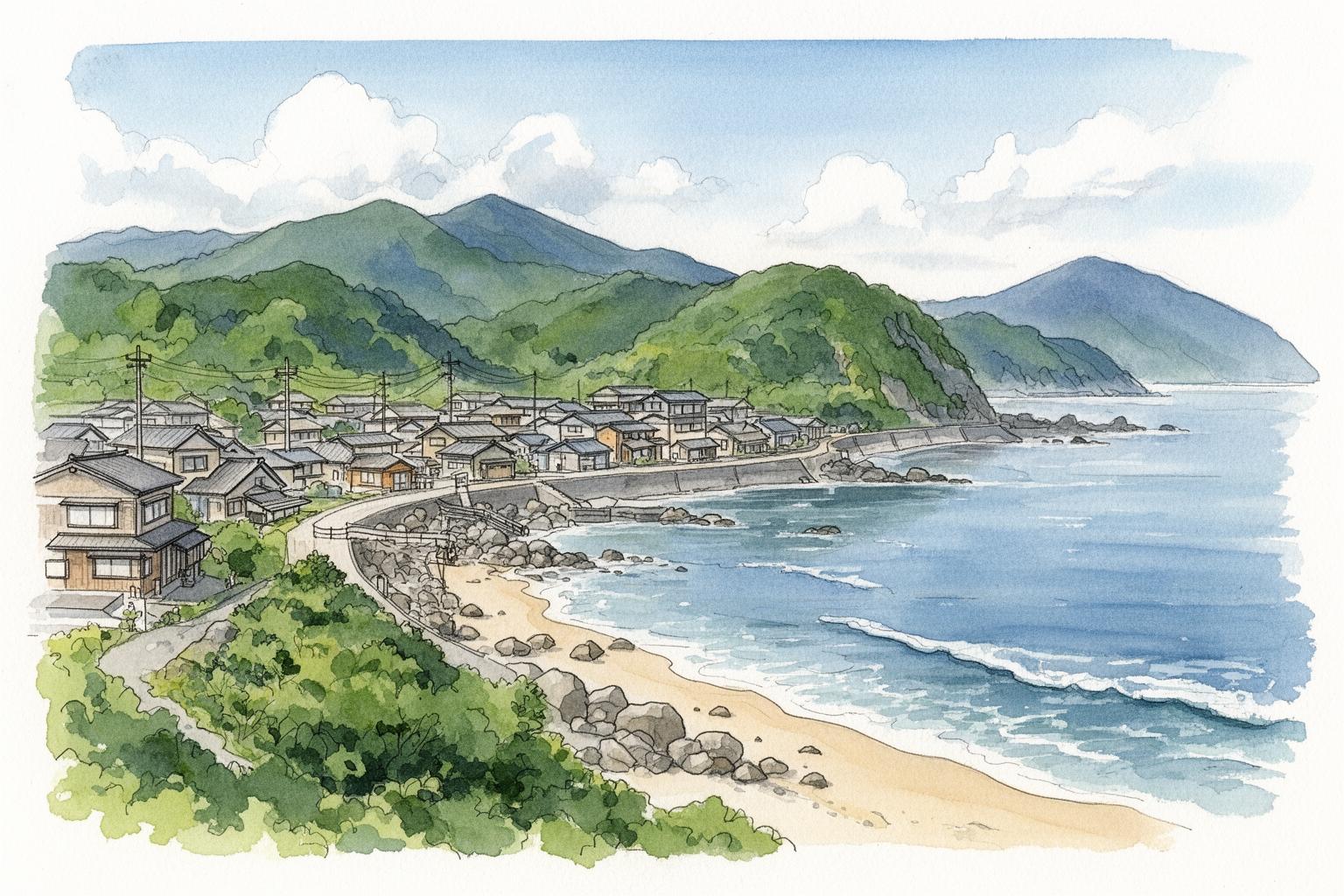
Arriving in Fudai feels like shifting into an entirely different gear. The air changes noticeably. You can almost taste the salt on your lips, carried by a breeze that feels ancient and untamed. This place isn’t noisy or flashy. The soundtrack isn’t J-pop blaring from shops; instead, it’s the cry of umineko (black-tailed gulls), the distant hum of a fishing boat’s engine, and the steady, rhythmic crashing of waves against the cliffs. The atmosphere embodies pure, unfiltered coastal life. The village itself is compact—a cluster of sturdy houses and businesses nestled in a small valley, shielded from the ocean’s full force by a truly impressive floodgate—more on that later, as it’s a story in itself. The streets are quiet, clean, and safe. You’ll spot fishing nets spread out to dry, piles of oyster baskets, and locals who offer curious yet friendly nods. This is a community defined by hard work and mutual respect, something you sense in the very air. It’s a place where time slows down, inviting you to sync with its natural rhythm. You begin to notice the small details: the color of the water as the sun arcs across the sky, the way the pine trees twist and grow, shaped by the wind, the mingling scent of woodsmoke and sea. The dramatic coastline steals the spotlight here, no joke. The Sanriku coast is renowned for its ‘rias’ coastline—a drowned river valley that creates a stunningly jagged series of cliffs, coves, and peninsulas. In Fudai, epic views are just a short walk or drive away. The feeling is one of beautiful isolation. You’re not completely cut off, but it feels like you’ve discovered a pocket of the world that has preserved its soul. Standing on a cliff here, looking out over the endless Pacific, it’s humbling to realize how small you are and how mighty nature is. It’s a meditative, grounding experience, worlds apart from Tokyo’s neon frenzy. This isn’t a spot for crammed schedules or rushing around. It’s a place to breathe, observe, listen, and most importantly, savor.
Sanriku’s Seafood Scene: It Hits Different
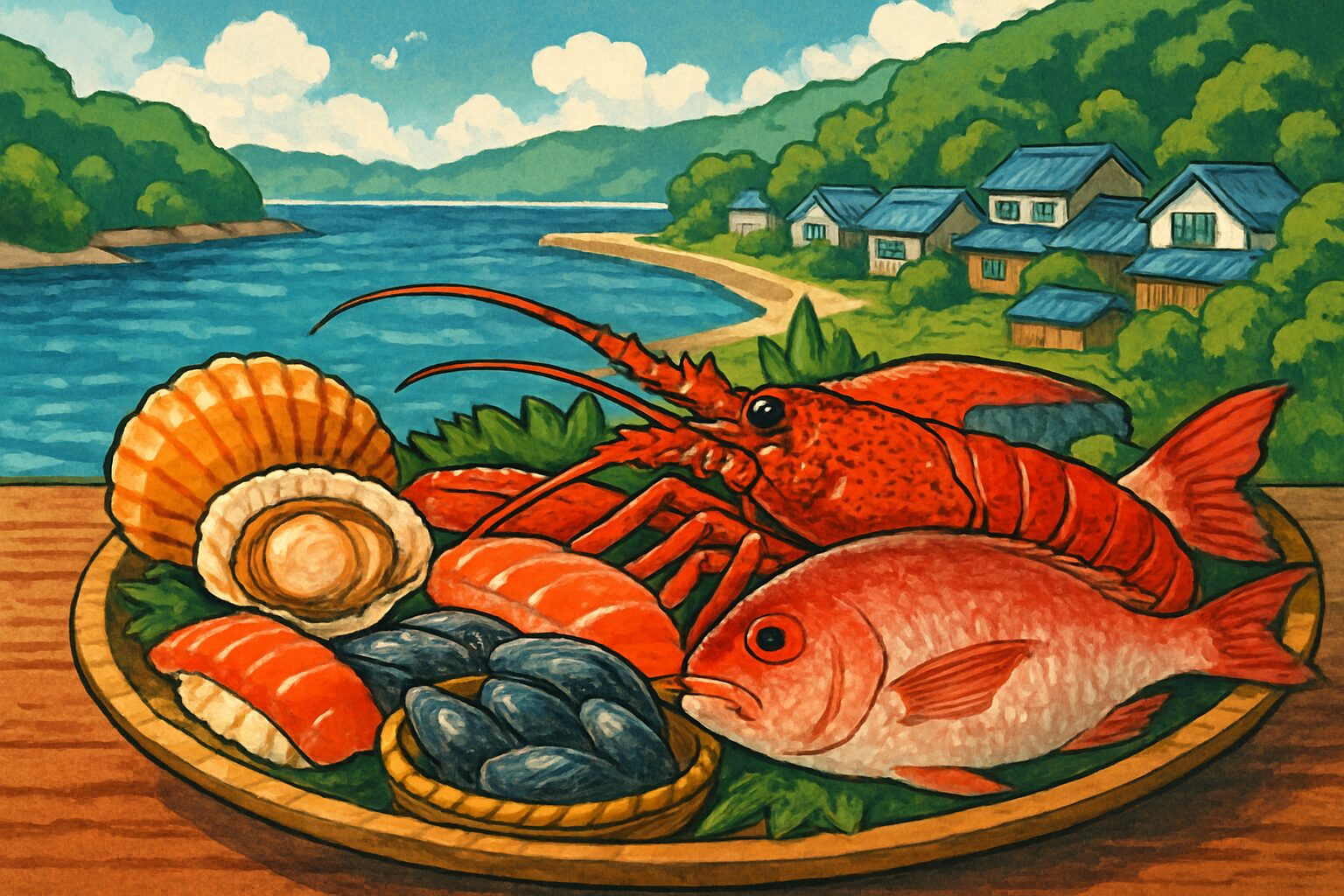
Alright, let’s dive into the main attraction, the very reason you venture all the way to this remote part of Japan: the food. Calling the seafood in Fudai merely ‘fresh’ is a huge understatement—it exists on an entirely different level. The secret lies in the Sanriku coastline’s distinctive oceanography, where the cold, nutrient-rich Oyashio Current from the north collides with the warm Kuroshio Current from the south. This dramatic meeting creates one of the world’s most fertile fishing grounds. The cold water slows the growth of marine life, resulting in deeper, more complex flavors and a firmer texture. The abundant plankton ensures the sea creatures are well-nourished and thriving. This scientific background explains the legendary taste, but what you experience on your palate is pure magic. The commitment to quality here is profound. Fudai’s fishermen and women aren’t just gatherers; they are curators. They possess a deep, generational knowledge of the ocean and treat its bounty with reverence bordering on sacred. When you eat here, you savor that respect, history, and pristine environment in every bite.
Uni (Sea Urchin): The Pinnacle
If Sanriku seafood has a crown jewel, it’s the uni. Forget any mediocre sea urchin you’ve tried elsewhere—this uni is a revelation, a culinary experience that lingers in your memory for years. From late spring to peak summer, the waters around Fudai produce uni that is undeniably world-class. Harvesting remains a hands-on process. Local divers, some continuing family traditions, head out in small boats to rocky shores, using a long pole with a mirror to peer into the clear, cold water in search of these spiny treasures. It’s meticulous and physically demanding work. A fresh uni is nothing short of astonishing—often served in its spiny black shell, just cracked open, revealing vibrant golden-orange gonads arranged like perfect petals. Its texture is luxuriously creamy, resembling decadent sea butter that melts instantly on your tongue. The flavor is a complex symphony: a clean, briny kiss of the ocean followed by intense sweetness and a wave of pure umami. There’s no funk or unpleasant fishiness—just a pure, concentrated essence of the sea. The best way to enjoy it is simply: scooped straight from the shell or heaped atop warm, perfectly cooked local rice in uni donburi. This is not just a meal, but a moment—you taste the sunshine, the deep-sea minerals, the pristine water, and the diver’s hard work. It’s a hyper-local luxury that feels decadent yet deeply connected to the earth.
Wakame and Kombu: Seaweed as a Star
You might think seaweed plays a supporting role in Japanese cuisine, but in Fudai, it’s a true star. The wakame and kombu (kelp) from the Sanriku coast rank among the best in Japan—a very high standard indeed. The cold, tumultuous Pacific waters encourage the seaweed to grow thick, strong, and bursting with flavor. Wakame here features a satisfyingly crisp texture and a profound oceanic taste far beyond the thin, reconstituted variety found in most miso soups. The early spring harvest is a major event. If you’re lucky to visit then, you might enjoy a sublime local specialty: wakame shabu-shabu. Freshly picked wakame starts as a dull brown. A few seconds swirled in hot dashi broth transforms it into a vibrant emerald green before your eyes. Dipped in ponzu sauce, a bite offers a fantastic texture—a slight crunch that gives way to silky smoothness—and a fresh, clean, deeply savory flavor. This experience perfectly captures Fudai’s essence: simple, beautiful, and utterly delicious. Kombu is equally treasured. This thick, dark kelp is central to Japanese cooking, predominantly used to make dashi, the umami-rich broth foundation. Fudai kombu is famed for producing clear, fragrant, and richly flavorful dashi, highly sought after by upscale restaurants nationwide. Watching kombu being harvested and sun-dried on the beaches is a classic Fudai scene, symbolizing how this small village underpins Japan’s culinary identity.
Hotate & Kaki (Scallops & Oysters): Coastal Gems
Fudai’s sheltered coves are ideal for aquaculture, with hotate (scallops) and kaki (oysters) stealing the spotlight. Raised in nutrient-rich waters, these bivalves grow plump, sweet, and succulent. Sanriku scallops are impressive—you’ll see them grilled in their shells, the meat as large as a child’s fist, sizzling in butter and soy sauce. Their flavor is sweet, with a firm yet tender texture that pure bliss. Eating one fresh off the grill, surrounded by the scent of the sea, becomes an unforgettable memory. Then there are the oysters. Especially in winter, Sanriku oysters are a delicacy—deep-cupped, meaty, and perfectly balanced between briny and creamyMineral tones. Locals recommend eating them raw with just a squeeze of lemon to savor the unadulterated ocean flavor. They’re equally fantastic fried—kaki fry—with a crispy panko crust encasing a molten, savory center. Many family-run inns feature these local heroes in various dishes, highlighting their versatility and exceptional quality. It’s a delicious exploration of Fudai’s unique terroir, one shell at a time.
The Local Catch: Today’s Special
Beyond the stars, the true charm of dining in Fudai is the surprise element. Fixed menus take a back seat to the question: “What did the boats bring in this morning?” Here, “hyper-local” truly means something. Depending on the season and catch, you might encounter many other treasures. Awabi (abalone) is a prized luxury, valued for its unique, slightly crunchy texture and subtle sweetness—often served as sashimi or grilled steak. Then there’s hoya, or sea pineapple—a local specialty and acquired taste, treasured by insiders. It resembles a strange, orange, lumpy gourd with a flavor combining all five tastes: sweet, sour, salty, bitter, and umami. Eaten raw sashimi-style, it’s an adventurous flavor journey. In autumn, the coast highlights sanma (Pacific saury), a seasonal icon best served shioyaki—salted and grilled whole over charcoal. Its crispy skin, fatty meat, and slightly bitter guts provide a perfect autumn taste of Japan. You might also find donko, a deep-sea fish with a fierce appearance but a rich liver often called the “foie gras of the sea.” The point is, you trust local chefs and fishermen, eating what the sea offers that day. This approach ensures every bite is at its freshest and most flavorful, connecting you intimately with the environment and community you’re visiting.
Beyond the Plate: Exploring Fudai’s Coastline
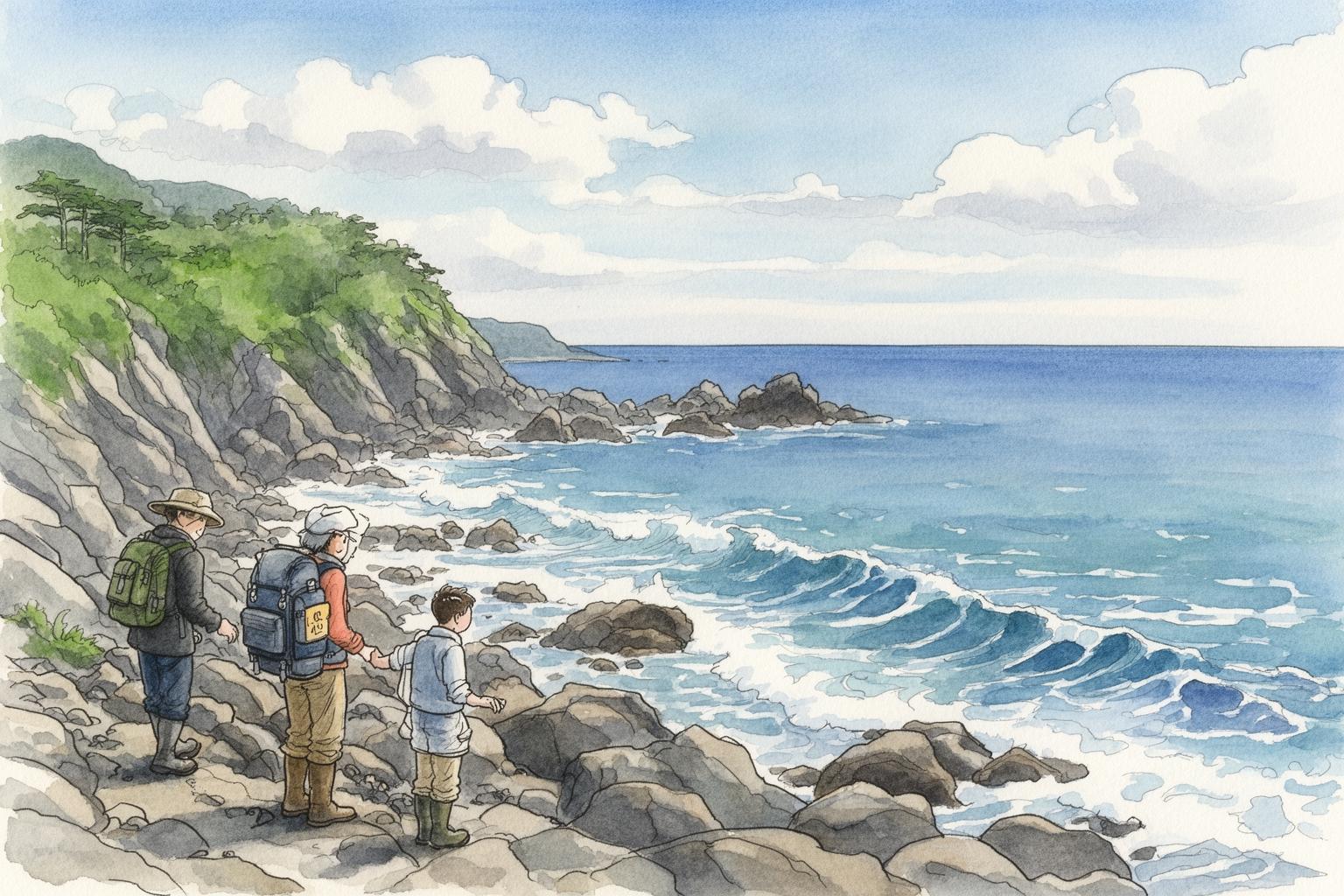
While it’s tempting to simply indulge in the food of Fudai, you absolutely must venture out to explore its breathtaking natural and man-made landscapes. The scenery here tells a story as profound as the flavors on your plate—a tale of nature’s raw power and humanity’s remarkable determination to coexist with it.
The Fudai Floodgate: A Story of Survival
Undoubtedly one of the most significant and moving sites in Fudai, the Fudai Floodgate is more than just infrastructure; it stands as a monument to foresight, perseverance, and the protection of a village. The story begins with Kotoku Wamura, a ten-term village mayor who, during his tenure from 1947 to 1987, was deeply haunted by the tsunamis that struck the Sanriku coast in 1896 and 1933. Aware that another disaster was inevitable, he championed building a massive 15.5-meter (51-foot) high floodgate at the mouth of the Fudai River. Although met with skepticism and criticism—many dismissing it as an expensive and needless expense for a disaster that might never come—Wamura was unyielding. He famously declared, “Even if you face opposition a second time, you must build what is necessary to protect the lives of the villagers.” The floodgate was completed in 1972. Decades later, on March 11, 2011, the Great East Japan Earthquake triggered a devastating tsunami. Waves that leveled many other coastal towns advanced toward Fudai. The wave that struck the village was recorded at over 20 meters high, but when it collided with the floodgate, its force was broken. The gate stood firm. Though some coastal homes sustained damage, the central area of Fudai and the vast majority of its residents were spared. Visiting the Fudai Floodgate is a quietly powerful experience: you can walk atop it, gaze out at the Pacific, then look back at the tranquil village it shields. It’s a profound reminder of nature’s destructive power and the incredible impact of human foresight and resolve. This story of survival is deeply woven into modern Fudai’s identity.
Hiking the Michinoku Coastal Trail
For those eager to immerse themselves in the dramatic scenery, Fudai is an essential stop on the Michinoku Coastal Trail. This long-distance hiking path extends over 1,000 kilometers along the Sanriku coast, from Aomori to Fukushima, with the area around Fudai being especially breathtaking. The trail climbs onto cliffs offering unrivaled views of the Pacific, winds through lush, dense pine forests, leads to stunning scenic viewpoints, and descends into hidden fishing coves. A highlight along the route is the Kurosaki Observatory, which provides panoramic views of the coastline, including Todogasaki Cape—the easternmost point of Japan’s main island, Honshu. The vastness of the landscape is awe-inspiring: cliffs plunge sharply into the deep blue sea below, and on clear days, the horizon seems endless. Hiking part of this trail is a wonderful way to build an appetite while forging a direct connection with the environment that produces Fudai’s incredible food. Feel the sea spray on your skin, hear the wind rustle through the pines, and understand viscerally why this coastline is so special. It’s not an easy walk—there are many ups and downs—but the rewards more than justify the effort.
Sanriku Railway: The Cutest Ride Along the Coast
Traveling through the Sanriku region is an adventure itself, and the best way to experience it is aboard the Sanriku Railway, affectionately called “San-tetsu.” This local train line serves as the vital link between small coastal towns and was famously restored with remarkable speed after the severe damage caused by the 2011 tsunami. Riding the San-tetsu is like stepping back in time. The small, often single-carriage trains follow a route hugging the coastline, passing through tunnels carved into mountains and crossing bridges over scenic river valleys. The ever-changing views from the windows are stunning—tiny picturesque fishing harbors, terraced rice paddies, and endless expanses of the Pacific Ocean. Each train station has its own unique charm and local character. The San-tetsu journey is not just transportation; it’s an integral part of the Sanriku experience, allowing travelers to see the communities that make up this unique region and appreciate the resilience that unites them. There are even themed trains, such as ones equipped with heated ‘kotatsu’ tables in winter, making the ride especially cozy and unforgettable.
The Practical Sesh: How to Actually Do Fudai
Alright, so you’re hooked by the vibe and the food. Bet. But how do you actually make it happen? Fudai is off the beaten path, which is a big part of its charm, but it means you’ll need to plan your logistics more carefully than you would for a trip to Kyoto or Osaka.
Getting There: The Journey is Part of the Experience
Your main entry point to the region is probably Morioka, the capital of Iwate Prefecture. You can reach Morioka from Tokyo easily via the Tohoku Shinkansen (bullet train), which takes just over two hours. From Morioka, you have a couple of choices. You can take a bus directly to the coastal areas, or you can go by train. The classic route involves taking the JR Yamada Line to Miyako, a larger coastal city, then transferring to the beloved Sanriku Railway to head north to Fudai. The entire trip from Morioka to Fudai will take a few hours, but as mentioned, the scenery is stunning, so it’s not a hassle—it’s part of the journey. Alternatively, you can rent a car in Morioka. This option provides the most freedom to explore the hidden gems of the Sanriku coast at your own pace, stopping at scenic viewpoints and tiny villages along the way. The roads are well-maintained but can be winding, so just take your time and enjoy the drive.
Where to Stay & Eat: Authentic and Local
Don’t expect large chain hotels in Fudai. Accommodation here is all about local hospitality. The best way to experience the village is by staying at a minshuku or a small ryokan—traditional Japanese inns often run by families over generations. Your stay will likely include breakfast and dinner (known as ippaku-nishoku), where you’ll enjoy some of the best meals of your life. The owners are often fishermen themselves or closely connected to the local fishing industry, so the food they serve is as fresh as it gets. Imagine a dinner spread featuring sashimi from that morning’s catch, grilled scallops, simmered local fish, and a bowl of rice with freshly harvested wakame. It’s an intimate, authentic culinary experience you won’t find in a big city. For lunch or a casual meal, there are a few small restaurants and shokudo (local diners) in the village. Look for spots with hand-written menus and a crowd of locals—that’s always a great sign. Don’t hesitate; a simple point and a smile will get you far, and the food will be genuinely fantastic.
When to Visit: Seasonal Highlights
Fudai is a year-round destination, but what you experience—and eat—varies greatly with the seasons. When you go depends on what you’re after. Spring (March to May) is all about seaweed. This is peak season for fresh wakame, and the landscape is coming back to life after winter. The weather is cool and pleasant for hiking. Summer (June to August) is prime time for uni. The sea is calmer, the days are long, and the village buzzes with the energy of peak fishing season. It’s the best time for that iconic uni donburi experience. Autumn (September to November) brings cooler air, stunning fall colors in the mountains, and a new lineup of seafood like the rich, delicious sanma. Hiking during this season is fantastic, with crisp air and clear skies. Winter (December to February) is for serious seafood lovers. This is the prime season for oysters, which are plump and flavorful. The village is quiet and peaceful, and there’s a stark, beautiful quality to the coastline. Snuggling inside a cozy minshuku and enjoying a hot pot with fresh winter seafood is a vibe. Plus, riding the San-tetsu’s kotatsu train is an unforgettable winter treat.
Pro Tips for Your Fudai Trip
To ensure your trip goes smoothly and respectfully, keep a few things in mind. First, bring cash. While larger cities in Japan are becoming more card-friendly, in small rural villages like Fudai, cash remains essential. Many small inns and restaurants may not accept credit cards. Second, learn some basic Japanese phrases. Simple greetings like “Konnichiwa” (hello) and expressions of gratitude such as “Arigatou gozaimasu” (thank you) and “Gochisousama deshita” (thank you for the meal) are greatly appreciated. Third, be considerate when taking photos. This is a living community, not a theme park. Always respect people’s privacy and property by asking permission before photographing individuals or their homes up close. Also, check transportation schedules ahead of time. The Sanriku Railway and local buses operate far less frequently than trains in Tokyo, so careful planning is essential for a stress-free trip. Finally, embrace the slower pace of life here. Don’t rush; instead, let the village’s rhythm guide your days. Sit by the harbor and watch the boats, take a long walk, and enjoy a leisurely meal. This is the best way to truly connect with the spirit of the place.
A Final Word: The Real Taste of Resilience
Visiting Fudai is about much more than just a vacation. It’s a chance to connect with a part of Japan that is strikingly beautiful, incredibly flavorful, and deeply resilient. This community has endured the unimaginable, not only surviving but also preserving its traditions and sharing its remarkable bounty with the world. The taste of the seafood here is inseparable from the story of the people who harvest it and the mighty ocean it comes from. It’s a flavor that reflects clean water, hard work, and a profound respect for nature. You come to Fudai for the uni, but you leave with a much greater appreciation for the bond between land, sea, and people. It’s a quiet, powerful place that lingers in your mind long after you’ve gone. So if you’re seeking a journey that’s as meaningful as it is delicious, add Fudai, Iwate to your list. It’s the real deal, no cap.