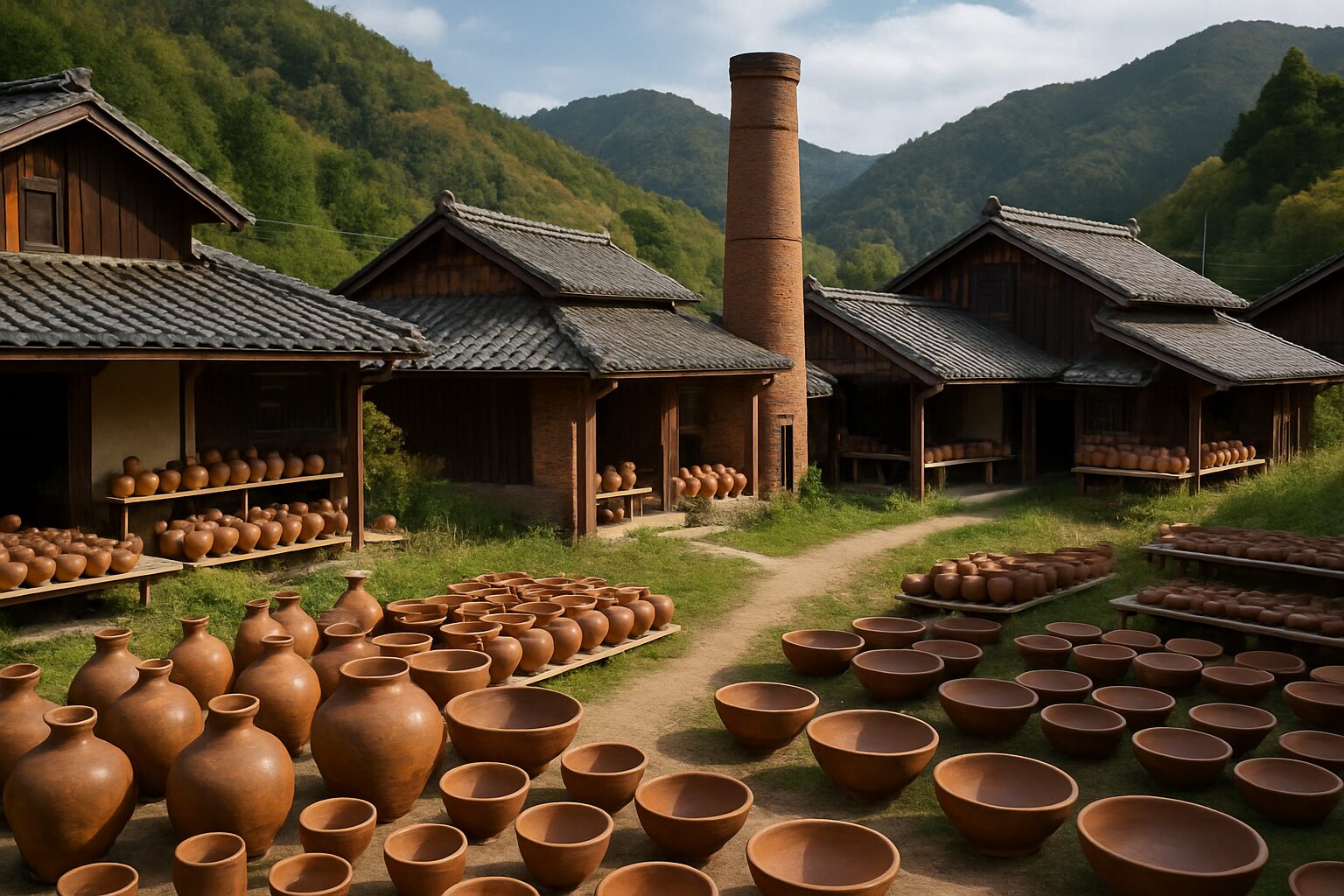
Yo, what’s the move? If you’re tired of the same old tourist traps and looking for a trip that’s low-key profound but high-key fire, I got you. We’re talking about a place where time kinda just… slows down. A spot where you can literally feel history in your hands. Get ready to teleport to the heart of Hyogo Prefecture, to a place called Tachikui, the epicenter of Tamba-yaki. This ain’t just some pottery class you can find in the city. Nah, this is one of Japan’s Six Ancient Kilns, a tradition that’s been going strong for over 800 years. It’s the real deal, no cap. Tamba-yaki isn’t about flashy, perfect porcelain; it’s about that wabi-sabi vibe, the beauty in imperfection, the raw, earthy goodness that comes straight from the mountains. It’s a full-on sensory experience—the smell of woodsmoke in the air, the feel of cool clay on your skin, the sight of kilns that have been breathing fire for centuries. This is your chance to disconnect from the digital noise and connect with something ancient, something real. It’s a journey into the soul of Japanese craftsmanship, and trust me, it’s an absolute vibe. Before we dive deep into this world of clay and fire, let’s get you grounded. Here’s a map to the heart of it all, the Tamba Traditional Art Craft Park, or Sue no Sato, which is gonna be your ground zero for this epic adventure.
After immersing yourself in the earthy craft of Tamba-yaki, you can continue your journey through Hyogo Prefecture by unwinding at the nearby Kinosaki Onsen.
The Vibe Check: What’s Tamba-Yaki Even About?
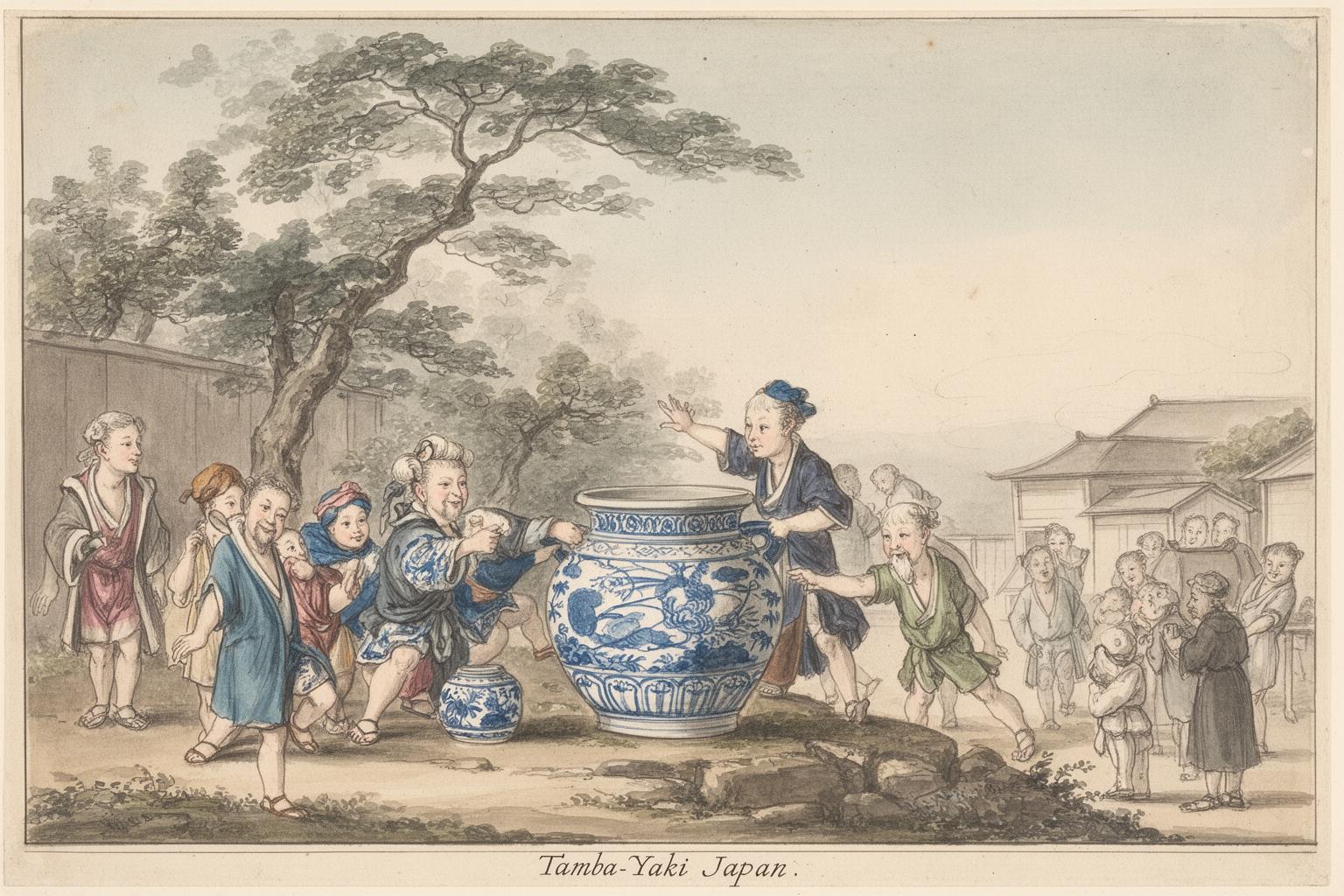
Alright, let’s break it down. Before you even set foot in Tamba, you need to grasp the aesthetic. Forget your assumptions about delicate, shiny Japanese pottery. Tamba-yaki is the cool, older sibling that doesn’t need to try. Its beauty is rugged, understated, and profoundly connected to the earth it springs from. The core philosophy centers on naturalness. The potters don’t force the clay into submission; they work with it. They let the fire and ash tell the story, creating pieces that are truly one-of-a-kind, each with its own personality and history.
That Natural Ash Glaze, Though
The hallmark of Tamba-yaki is the shizen-yu, or natural ash glaze. This isn’t a chemical coat you brush on. During the firing, which can last days in a huge wood-fired kiln, ash from burning pine drifts through the chambers and settles on the pottery. At extremely high temperatures—around 1300°C (2372°F for those in the U.S.)—the ash melts and bonds with the clay, forming a glossy, organic glaze. The colors are stunning and totally unpredictable. You’ll see deep earthy greens, mustardy yellows, rich browns, and sometimes moody bluish-purple shades. Where the ash lands depends on the piece’s spot in the kiln, so one side might be glossy and smooth, the other rough and matte. Potters call these patterns keshiki, or “scenery,” because they resemble miniature landscapes painted by fire. It’s this randomness, this beautiful accident, that turns every piece into a masterpiece. It’s the ultimate act of surrender in art, and the results are simply spectacular.
The Feel is Everything
More than just appearance, Tamba-yaki is about the tactile experience. Pick up a Tamba cup. It feels solid, balanced, and warm in your hand. It’s not fragile; it’s meant to be used and cherished daily. The textures take you on a journey. You might notice the slight grain of the iron-rich clay, the smooth, glassy path where the ash glaze pooled, or the rough, unglazed areas that feel like a warm stone. The clay itself, sourced from the local Tamba mountains, is rich in iron, giving the pottery its signature reddish-brown or deep purplish-black tones after firing. This link to the local terrain is vital. You’re literally holding a piece of the Tamba landscape. This isn’t just crafting objects; it’s channeling the spirit of the land into a tangible form. The vibe is humble, honest, and deeply grounded. It’s pottery that doesn’t shout—it quietly tells stories of the mountain, the fire, and the hands that shaped it.
A Legit History Trip: 800 Years of Firing It Up
To truly understand Tamba, you need to respect its history. This legacy dates back to the late Heian or early Kamakura period, around the 12th century. That makes it one of Japan’s oldest operational pottery centers, standing alongside legends like Seto, Tokoname, Shigaraki, Bizen, and Echizen. These are the GOATs—the Six Ancient Kilns—and Tamba has rightfully earned its place among them.
Originally, it wasn’t about art but survival and everyday needs. Early Tamba potters focused on producing practical, unglazed items for common use—storage jars for grain and water, grinding mortars, and other household necessities. They employed a method called anagama, a single-chamber tunnel kiln built into a hillside. This straightforward yet efficient technique produced remarkably durable stoneware. These early works are now invaluable museum pieces, admired for their raw, powerful shapes and the beautiful, accidental ash deposits. It’s a perfect example of function giving rise to its own kind of beauty.
The Tea Ceremony Transformation
The scene shifted dramatically during the Momoyama period (late 16th century). This era brought tea masters like Sen no Rikyū, who embraced the wabi-cha aesthetic—a tea ceremony style celebrating simplicity, rusticity, and imperfection. Suddenly, the earthy, unpretentious character of Tamba-yaki became highly fashionable. Tea masters recognized a deep beauty in its natural glazes and humble shapes. This fresh demand led Tamba potters to craft more refined items for tea ceremonies, such as tea caddies (cha-ire), water jars (mizusashi), and tea bowls (chawan). While maintaining their rustic spirit, potters began consciously designing pieces admired for their artistry. During this time, the legendary noborigama (climbing kiln) was introduced from Korea. This innovation provided better heat control and enabled larger-scale production, cementing Tamba’s cultural significance.
Edo Period and After
Throughout the Edo period, Tamba remained a major production hub, crafting everything from sake bottles (tokkuri) to roof tiles. The kilns played a crucial role in the local economy. Yet, with the Meiji period’s modernization in the late 19th century, many traditional crafts faced hardships. The rise of industrial manufacturing and Western influences led to a decline in demand for handmade pottery. It was a challenging era for Tamba’s artisans. Still, the tradition endured. An early 20th-century folk art movement, inspired by thinkers like Yanagi Sōetsu, revived appreciation for simple, beautiful crafts made by anonymous artisans. They praised Tamba-yaki for its genuine beauty and deep ties to Japanese identity. This renewed respect helped sustain the tradition into the 20th century and beyond, where today’s potters carry the legacy forward by blending time-honored techniques with contemporary sensibilities. Walking through Tachikui village now means traversing these rich layers of history—it’s a living museum, and that’s what makes it so extraordinary.
The Heart of the Action: The Climbing Kiln (Noborigama)
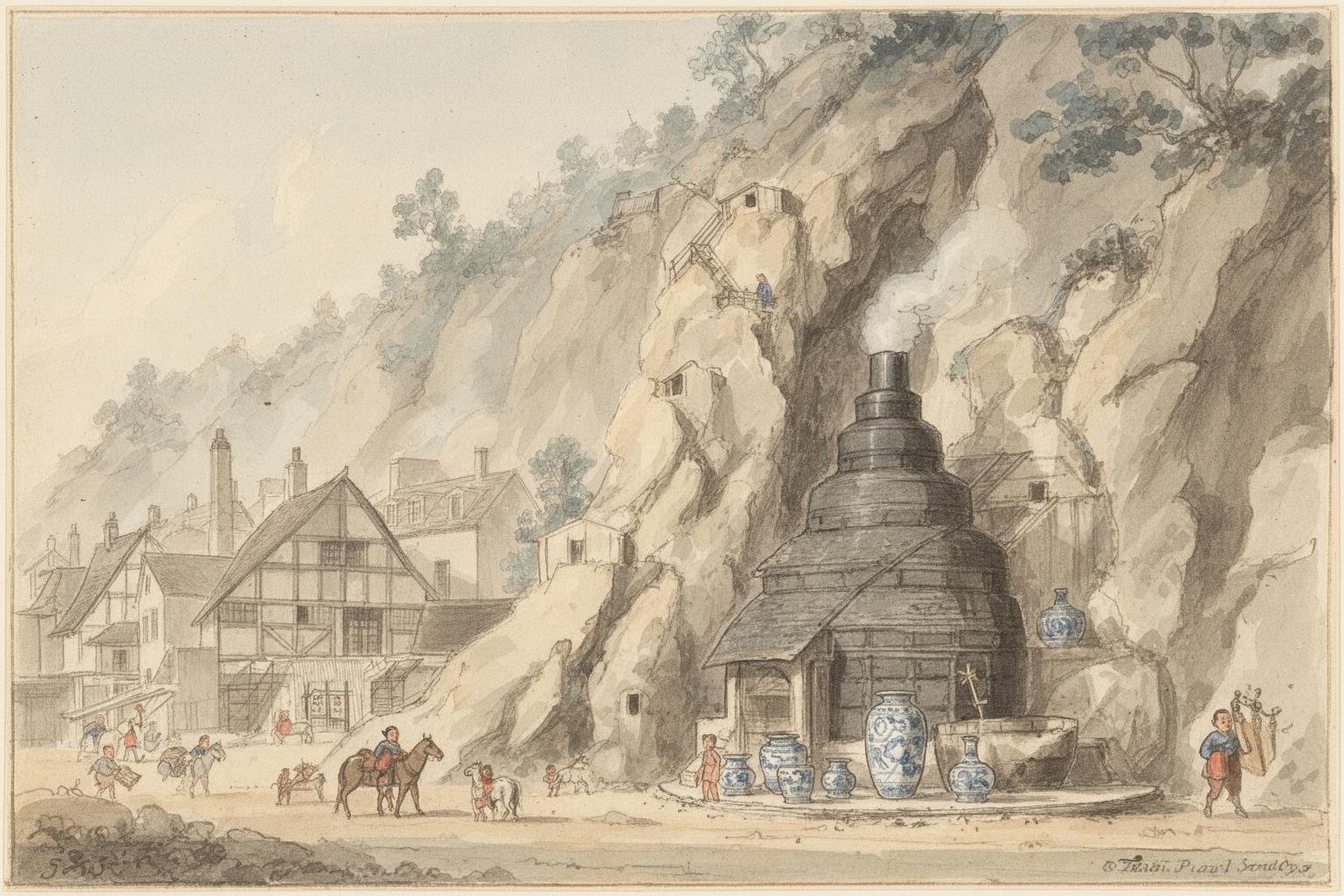
You can’t discuss Tamba without getting excited about the noborigama, the climbing kiln. This kiln is truly the heart and soul of the village. Forget your electric, gas-powered, digitally controlled modern kilns— the noborigama is a magnificent creature, a multi-chambered dragon built into the hillside, powered solely by wood and human determination. Seeing one, even when cold and silent, is awe-inspiring. The most famous example in Tachikui is the Tōsen-gama, the oldest functioning climbing kiln in Japan. It’s a designated cultural property with an unmistakable presence. This snake-like structure of clay and brick has multiple chambers ascending the slope, each connected by small openings that allow flames and heat to rise from the firebox at the base to the chimney above.
Firing a noborigama is a communal event—a fiery festival lasting about 60 hours nonstop. It’s a marathon, not a sprint. Potters work in shifts around the clock, continuously feeding red pine wood into the kiln’s openings, or stoking ports. They engage in a delicate dance with the flames, reading the color of the fire and smoke to gauge temperature and making precise adjustments to control the kiln’s atmosphere. The first chamber reaches the highest temperature, which gradually decreases as heat travels upward through the following chambers. This temperature gradient allows different types of pieces to be fired in various parts of the kiln. It’s a masterful combination of science, experience, and pure intuition. The sound is intense—a steady roar of fire, crackling wood, and the shouts of potters coordinating their work. The scent of pine smoke fills the valley. It’s a primal, powerful spectacle that connects you directly to centuries of potters who have performed this very ritual. Although live firings occur only a few times a year and witnessing one can be rare, simply standing before a silent noborigama and imagining the raging inferno within is a profoundly moving experience.
Exploring the Pottery Village: A Walking Guide for the Real Ones
The main pottery district, Konda-cho Tachikui, is where all the magic unfolds. It’s a compact area, ideal for exploring on foot. The entire village feels as if it has sprung up naturally from the earth. The main street features about 60 different potteries, each showcasing its own distinctive style and showroom. The best way to enjoy it is simply to wander without a fixed route; the joy lies in the discoveries you make along the way.
Sue no Sato: The Heart of Pottery Cool
A fantastic place to begin your journey is the Tamba Traditional Art Craft Park, locally known as Sue no Sato. This serves as your orientation center. Here, you’ll find an information desk where you can pick up a map detailing the locations of the various kilns throughout the village. Even more importantly, the site houses an excellent museum that offers an introduction to Tamba-yaki’s 800-year history. You can view pottery spanning every era—from the rugged Kamakura jars to the elegant tea ceremony pieces of the Momoyama and Edo periods. This background enriches your understanding of the craft and provides valuable context for what you’ll encounter in individual studios. There’s also a large shop selling works from many of the local artisans, making it a perfect spot to get an overview of the different styles before meeting the makers. Additionally, the park includes a restaurant and a pottery workshop space, where you can try your hand at crafting—making it an ideal first stop.
Kiln Hopping: Connecting with the Makers
Once you’ve got your bearings, it’s time to wander the streets—this is the highlight. Pottery is everywhere, embedded in walls, decorating fences, and stacked high in studio yards. The air is alive with a quiet, creative energy. Many studios have small galleries or shops open to visitors. Don’t hesitate to gently open a door and step inside. The potters are usually welcoming, though they may be busy working in the back. This is your chance to appreciate the remarkable diversity within the Tamba-yaki tradition. One studio might focus on sleek, modern designs with clean lines, while a neighboring one creates rustic, wood-fired pieces that look freshly unearthed. You’ll find everything from tiny sake cups and chopstick rests to large, sculptural vases. Take your time to pick up the pieces, feel their weight and texture. If the potter is around, you might even have the opportunity to chat with them. Even with a language barrier, a smile and a gesture of appreciation go a long way. This direct connection with the artist is something you won’t get in a big city department store. You’re not just buying a cup; you’re taking home a piece of someone’s passion and lifelong devotion.
Hidden Gems and Secret Spots
While wandering, keep an eye out for subtle details. Look for old climbing kiln sites marked by their towering brick chimneys; some still operate, while others stand as beautiful, moss-covered relics. These quiet corners carry a palpable sense of history. You might come across a small, unattended shrine nestled between two potteries or a café run by a potter’s family where you can enjoy coffee from a handmade mug while gazing at the mountains. The village itself is nestled in a stunning valley, surrounded by lush green hills and terraced rice paddies. Take a short detour off the main road to stroll along the river or through the fields. This tranquil setting offers insight into the natural environment that has inspired these artisans for centuries. The beauty of Tamba lies not only in the pottery but in the atmosphere of the whole place. It’s a slow, reflective experience that rewards those who take the time to look closely.
Get Your Hands Dirty: The Ultimate Tamba-Yaki Experience
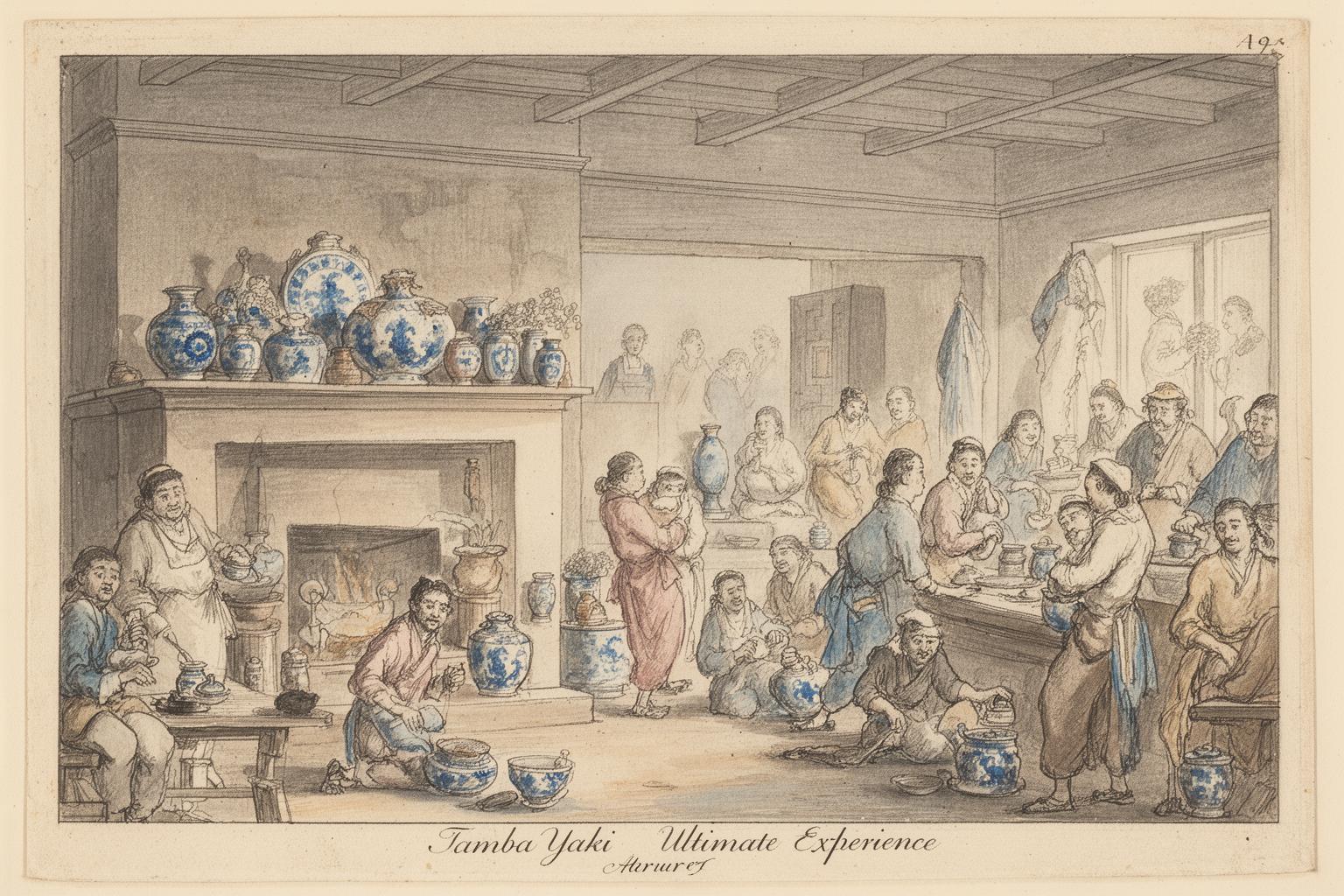
Admiring all this incredible pottery is one thing, but creating it yourself? That takes connection to an entirely new level. And you absolutely must try it. Nearly every visitor to Tamba participates in a pottery workshop, and for good reason. It’s incredibly fun, unexpectedly meditative, and gives you a fresh appreciation for the artisans’ skill. No experience is necessary. Seriously, even if your artistic ability is nonexistent, you’ll still leave with something you’re proud to have made.
Your Pottery Debut: From Clay Lump to Masterpiece
Most studios, including Sue no Sato, offer workshops. You can usually choose between hand-building (tebineri), shaping the clay by hand, or working on the potter’s wheel (rokuro). The wheel is the classic ‘Ghost’ movie fantasy, and it’s definitely worth trying. A local potter, a true sensei, will guide you. They’ll start by handing you a lump of the famous iron-rich Tamba clay. Your first task is to knead it to release any air bubbles. Then, it’s time for the wheel. The sensei will demonstrate how to center the clay—a vital first step that looks much easier than it actually is. Then it’s your turn. The sensation of the spinning, wet clay in your hands is amazing. Your first attempts might be shaky, misshapen messes, and that’s part of the enjoyment. The instructor will be right beside you, gently guiding your hands to help pull up the walls and shape your piece. Whether you’re making a cup, a small bowl, or just a quirky blob, the process is completely absorbing. For an hour or so, everything else fades away. It’s just you, the clay, and the rhythm of the wheel. It’s a kind of mindfulness you never realized you needed.
The Long Game: Firing and Shipping
Here’s the catch: your masterpiece won’t be ready to take home that same day. Pottery demands patience. After shaping your piece, you pick a glaze color and leave it to the studio’s care. They will let it dry slowly, trim it, apply the glaze, and then fire it in their kiln. The entire process can take one to two months. But don’t worry, you won’t miss out. Almost every studio offers international shipping. They’ll carefully package your finished piece and send it wherever you are in the world. A couple of months after your trip, a package will arrive at your door. Unboxing the cup or bowl you made with your own hands, now transformed by the fire of a Tamba kiln, is truly magical. It’s the best kind of souvenir—one filled with memories and a tangible link to your journey.
The Lowdown: Practical Deets for Your Trip
Alright, you’re convinced and ready to go. Let’s dive into the details of planning your pilgrimage to pottery paradise. Tamba is a rural area, but it’s perfectly accessible for a day trip or an overnight visit from major cities like Osaka, Kyoto, or Kobe.
How to Get There: The Journey to Clay Country
The main transportation hub is Aino Station on the JR Fukuchiyama Line. From major cities like Osaka or Kobe, you can take a JR train to reach it. For instance, from JR Osaka Station, hop on the JR Takarazuka Line Rapid Service straight to Aino Station. The trip takes about an hour and fifteen minutes. Once you arrive at Aino Station, you’re nearly there, but the pottery village itself is a few kilometers away. Your next step is to catch the Shinki Green Bus heading to ‘Tachikui Sue no Sato’, with the bus stop located right outside the station. The bus ride takes roughly 15 minutes and drops you off right in the heart of the village. Buses aren’t very frequent—maybe one or two per hour—so it’s smart to check the bus timetable ahead of time to coordinate with your train arrival. You can find the schedule online or at the station. It might feel like a bit of a trek, but the scenic train ride through the Japanese countryside is part of the charm.
When to Roll Through: Seasonal Swag
Tamba is beautiful throughout the year, with the surrounding mountains changing hues with the seasons. Spring brings cherry blossoms and a vibrant fresh green to the scenery. Summer is lush and humid, filled with the sound of cicadas. Autumn is arguably the best time to visit: the weather is cool and pleasant, and the hills burst into fiery reds, oranges, and yellows—peak picturesque. For the ultimate Tamba-yaki experience, plan your trip around one of the two major pottery festivals. The Tamba-yaki Pottery Festival (Tamba-yaki Tōki Matsuri) takes place every year on the third weekend of October. The whole village comes alive with people, potters selling their wares outdoors at discounts, food vendors, live music, and special events. It’s a vibrant celebration of local craft. There’s also a smaller spring festival, usually held in early May, which is equally charming. Visiting during a festival is a fantastic way to experience the community in full swing, but be ready for crowds. If you want a quieter, more contemplative visit, a regular weekday is your best bet.
Pro-Tips for a Flawless Visit
A few last tips to keep your trip running smoothly. First, wear comfortable shoes, as you’ll be doing plenty of walking and some paths can be uneven. Second, bring cash. While some larger shops and Sue no Sato accept credit cards, many small family-run studios only take cash. It’s best to be prepared. Third, show respect when visiting studios—they are people’s homes and workplaces. Move quietly, handle pottery carefully, and always ask permission before taking photos, especially of the potters. Finally, don’t rush. The essence of Tamba is to slow down. Give yourself a full day to explore. Enjoy a long lunch, sip coffee, sit by the river. Let the peaceful, creative vibe soak in. This isn’t a place to just check off a list; it’s a place to truly be present.
Taking a Piece of Tamba Home

There’s a very good chance you’ll fall in love with a piece of pottery and want to take it home. Buying Tamba-yaki in its birthplace is a unique experience. You’re not simply purchasing an object; you’re supporting an 800-year-old tradition and the livelihood of the artisans who sustain it today. But with so many options, how do you choose?
How to Choose Your Perfect Piece
There’s no right or wrong choice here. It’s all about a personal connection. Stroll through the galleries and let your eyes roam. Something will catch your attention. When it does, ask if you can hold it. The feel is just as important as the appearance. How does it rest in your hands? Does it have a satisfying weight? Flip it over and examine the bottom, where the potter’s signature is stamped. Run your fingers over the glaze. Notice the subtle differences in color and texture. Imagine how you would use it. Can you see yourself sipping your morning coffee from that mug or serving a special meal on that plate? A good piece of pottery should bring you joy every time you use it. Don’t worry about trends or what you think you should like. Trust your instincts. The piece that speaks to you is the perfect one for you.
It’s More Than a Souvenir
When you purchase a piece of Tamba-yaki, you’re bringing home a story. It’s the story of mountain clay, pine wood from the forest, the roaring fire of the climbing kiln, and the skilled hands of the potter. It’s a story of resilience, of a craft that has endured for centuries against all odds. Every time you use it, you’ll be reminded of your visit to this peaceful, beautiful valley in the heart of Japan. You’ll recall the smell of woodsmoke, the sound of the potter’s wheel, and the experience of stepping into a world where time-honored traditions thrive. It’s a connection to a rich, authentic part of Japanese culture that most tourists never get to experience.
Tamba-yaki is more than just a day trip; it’s an immersion. It’s an opportunity to slow down, create with your hands, and connect with a lineage of craftsmanship that is both ancient and vibrantly alive. It’s a place that seeps into your soul and stays with you long after you’ve left. So, if you’re seeking an experience that’s genuine, raw, and full of heart, bet on Tamba. It’s a journey that will transform how you view not just pottery, but the beauty of a life lived with intention, creativity, and deep respect for the past. Go ahead, get your hands dirty. You won’t regret it.