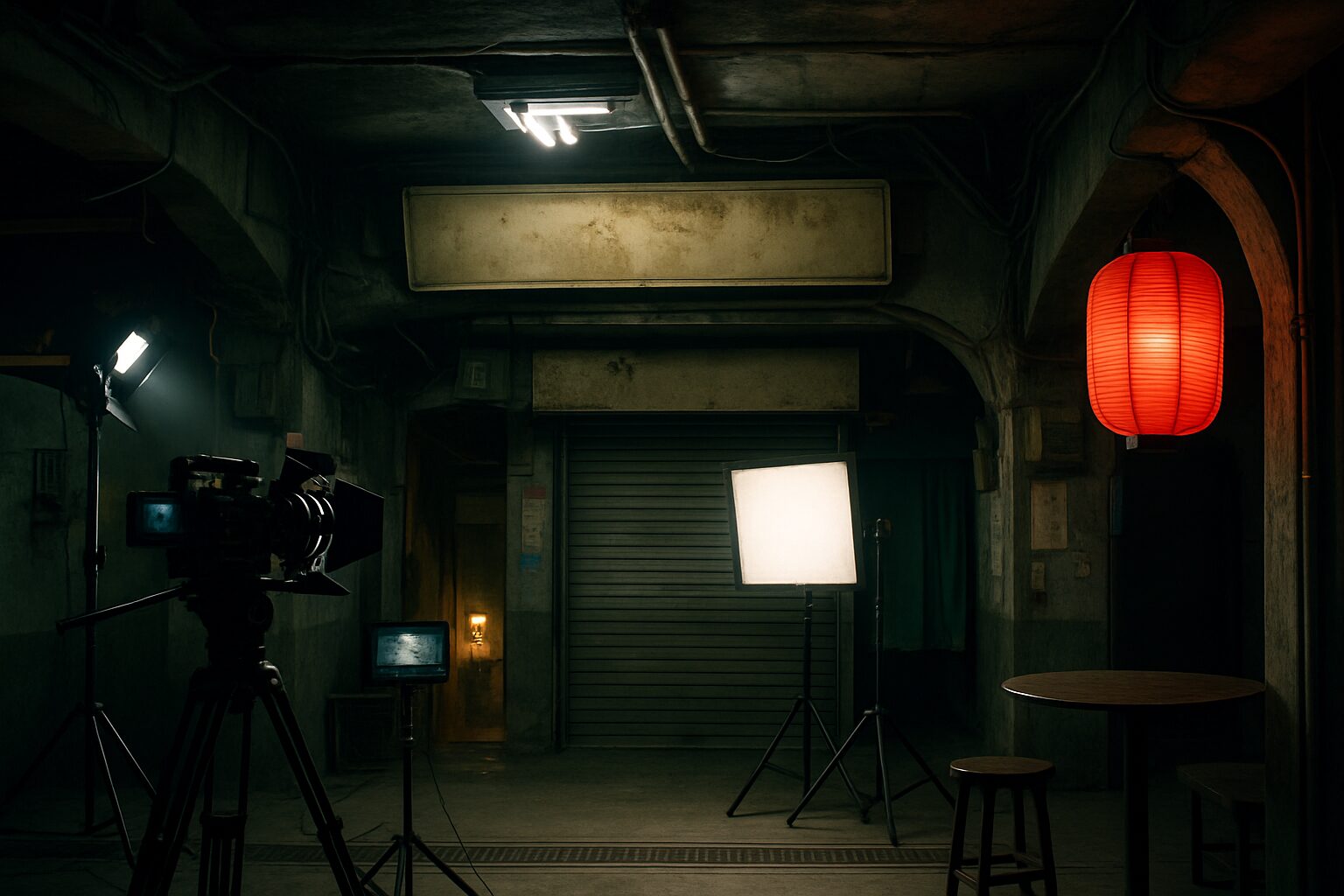
Yo, what’s up, world travelers and culture seekers? Ryo here, coming at you from a spot so deep underground, it’s basically another dimension. We’re talking about a place that’s low-key one of Japan’s most epic secrets, a location that has more star power than half of Hollywood, yet most people have never heard its name. Get ready to dive into the Oya History Museum. But hold up—forget everything you think you know about museums. This ain’t your grandma’s quiet gallery with dusty artifacts behind glass. This is a colossal subterranean quarry in Utsunomiya, Tochigi Prefecture, a straight-up underground empire carved out of the earth by generations of grinders over centuries. It’s dark, it’s massive, and its vibe is so unreal that it’s become the go-to backdrop for some of the sickest movies, mind-bending music videos, and legendary superhero showdowns ever put to screen. If you’ve ever watched a Kamen Rider deliver a final kick to a monster, sending it exploding against a dramatic stone wall, or seen your favorite J-pop artist looking moody and mysterious in a cavernous space, chances are it all went down right here. This place isn’t just a museum; it’s a legit movie star, a canvas for insane art, and a portal to another world. Today, we’re ditching the sunlight and taking a backstage tour of this subterranean celebrity. Ready to explore a world of stone, shadows, and cinematic history? Let’s get it.
Before you plan your own epic underground adventure, consider how services like nationwide luggage delivery in Japan can make exploring such remote and unique locations completely hassle-free.
The Descent: Your First Steps into Another World
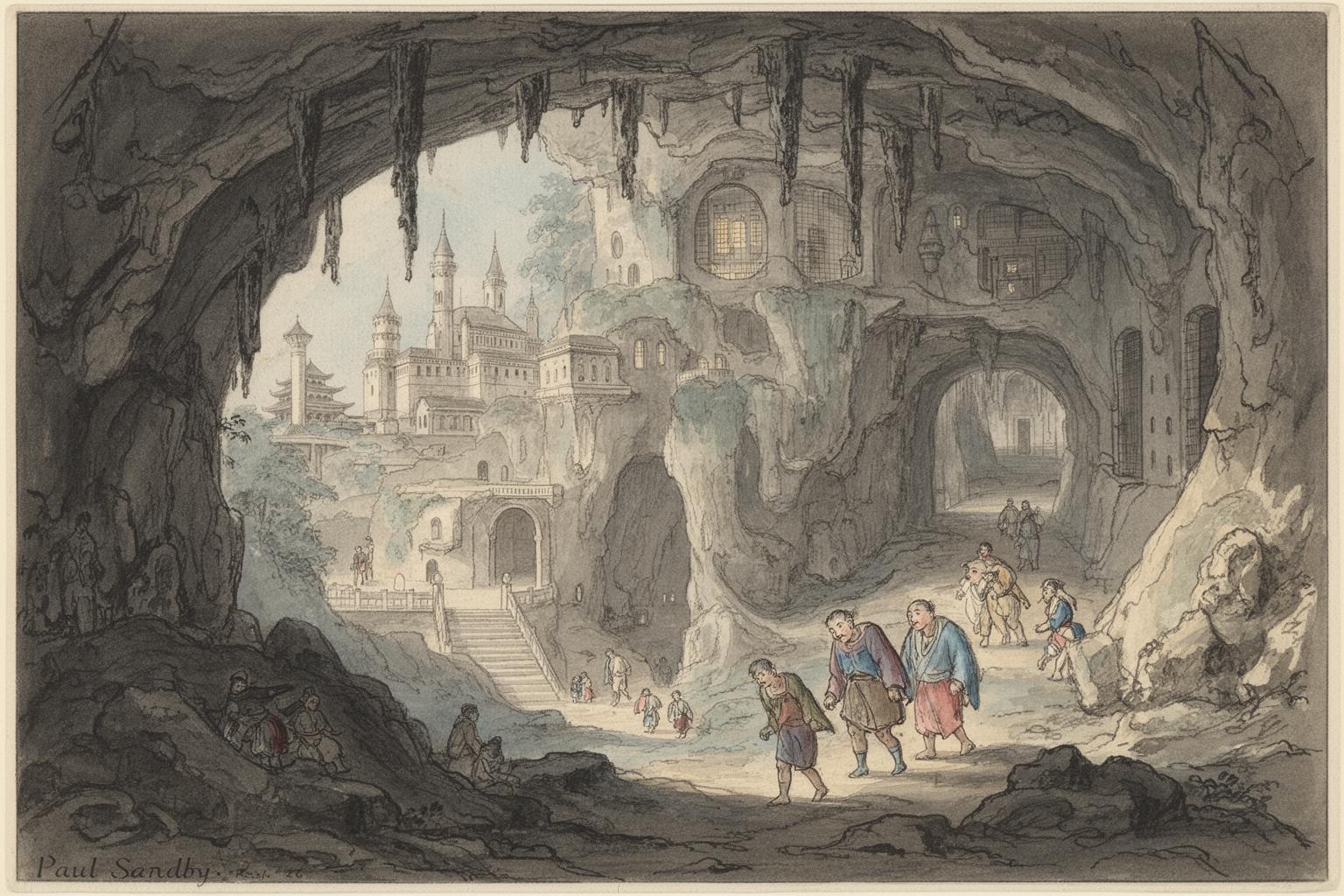
Approaching the entrance of the Oya History Museum seems deceptively ordinary. It’s a modest structure nestled in a quiet, rocky town. You pay the entry fee, walk through a hallway displaying some historical photos, and think, ‘Alright, a local museum.’ But then you notice the staircase—a long, steep flight of stone steps descending deeper and deeper, into what appears to be the yawning mouth of the earth itself. This is where the experience transforms from a casual visit into a full-fledged expedition into the unknown. The air shifts, the light dims, and the world you just left behind feels like it’s a million miles away. You’re not just entering a building; you’re crossing a threshold into an entirely different realm.
The Temperature Drop That Strikes Profoundly
The moment you cross that threshold and begin your descent, it hits you. It’s not just the gathering darkness but the air itself. It’s a physical shift, a tangible presence that envelops you and instantly commands your attention. The sticky, humid Japanese summer heat you were just grumbling about? Gone. Poof. Vanished without a trace. It’s replaced by a deep, profound, almost ancient chill that seeps right through your t-shirt and into your bones. We’re talking an average temperature of around a crisp 8 degrees Celsius, or about 46 degrees Fahrenheit, year-round. No exaggeration, it’s like stepping into a nature-made, perfectly calibrated refrigerator. Your breath immediately fogs in the air before your face, a ghostly plume in the dim light, even on a scorching August afternoon outside. You’ll find yourself instinctively zipping up the hoodie or jacket you wisely brought, your skin prickling with goosebumps—less from fear, more from the sheer environmental shift. This isn’t just ‘cool’ or ‘refreshing’—it’s a primal, earthy cold carrying the scent of damp stone, minerals that haven’t seen sunlight in eons, and centuries of absolute stillness. It’s an all-encompassing chill that silences you briefly, forcing you to be fully present, to simply stand and feel the sheer, undeniable otherworldliness of the space you’ve just entered. It’s the first and most powerful sign that you’ve left the ordinary world behind.
An Atmosphere You Can Literally Sense
As your eyes gradually adjust to the dim light, the immense scale of the Oya quarry begins to emerge, and the word ‘massive’ seems an enormous understatement. This isn’t a cave; it’s a cathedral. A subterranean city of geometric precision and raw, natural power. The ceiling soars high above—perhaps 30 meters or more in places—supported by colossal square stone pillars left behind by the quarrymen. These pillars, each the size of a small house, stand in regimented rows stretching into the distance, creating a mesmerizing, almost hypnotic perspective that plays tricks on your mind. The sheer volume of the space is difficult to grasp. It’s a space not simply discovered, but created. Every surface bears the marks of human hands and machinery—long, parallel striations from cutting tools that lend a unique, corduroy-like texture to the walls. Running your hand over these cool, slightly damp surfaces is like shaking hands with history. You can feel the echo of immense labor that carved this void from solid rock. The lighting is deliberately dramatic—a masterpiece of artful illumination. Uplights placed at the base of the pillars cast monumental, dancing shadows against the towering ceiling, highlighting rugged textures and creating an atmosphere equally eerie, awe-inspiring, and profoundly beautiful. Your footsteps, barely audible outside, now echo through the vast emptiness, each crunch against the gravel floor resonating into a significant sound. Every whisper, cough, or quiet gasp of wonder from other visitors reverberates off the stone walls and lingers in the cold air, forming a soundscape that is both immense and intimate. The vibe is heavy, weighted with the history of toil and the immense geological age of the rock itself. It feels ancient, sacred, and slightly dangerous, all at once. It’s a place that makes you feel incredibly small, a tiny spectator in a grand, silent theater built for giants.
Level Up Your Pop Culture IQ: Oya’s Starring Role
If the Oya quarry feels like a movie set, that’s because it literally is one—a legendary one at that. For decades, this underground maze has been a secret weapon for Japanese filmmakers, television producers, and music video directors seeking a location that’s instantly epic, otherworldly, and entirely controllable. Sunlight never interferes. Weather is never an issue. The acoustics are extraordinary. And the visual backdrop? Pure, unfiltered drama. This is where fantasy worlds are born, final battles unfold, and artists craft their visual masterpieces. For anyone with even a passing interest in Japanese pop culture, visiting here is like walking through a hall of fame packed with iconic scenes. You’ll find yourself constantly pointing and saying, “Wait, this is where…!”
The Go-To Spot for Tokusatsu Heroes
For fans of tokusatsu—the genre of live-action Japanese shows rich in special effects like Kamen Rider, Super Sentai (the inspiration for Power Rangers), and Ultraman—the Oya quarry is sacred ground. It is, without exaggeration, the most recognizable non-urban location in the entire genre. Why? Because its rugged, alien-like terrain is the perfect, budget-friendly stand-in for a hostile planet, a villain’s secret fortress, a post-apocalyptic wasteland, or a mystical training ground. The vast, open chambers allow for dynamic, large-scale fight scenes complete with explosions, high-flying wirework, and giant monster battles. Natural stone pillars provide dramatic cover for heroes and villains alike, while the flat, gravelly floor is ideal for choreographing complex action sequences. It’s, quite literally, a real-life playground for cinematic combat.
Kamen Rider’s Secret Lair
If you’re a Kamen Rider fan, you’re practically at home here. The quarry is almost like a second character in the series’ long and storied history. Countless riders—from classic Showa-era heroes to the more recent Heisei and Reiwa generations—have struck their iconic transformation poses, or ‘henshin,’ within these storied stone walls. The quarry’s dramatic lighting and shadowy corners are perfect for a hero’s grand entrance. One of the most classic shots in the Kamen Rider playbook features the hero standing defiantly in a pool of light in the center of a vast chamber, surrounded by an army of grunt-level monsters before the epic battle begins. This is that chamber. The quarry has served as the final battleground for numerous season finales, the site of shocking plot twists, and the secret base for many evil organizations like Shocker. Walking through the space, you can almost hear the familiar whir of a Rider’s belt and the battle cries echoing off these walls for fifty years. It’s an essential pilgrimage site for anyone who grew up watching these masked heroes protect the world.
Super Sentai’s Epic Battlegrounds
What holds true for Kamen Rider holds even more weight for Super Sentai. When you have a team of five or more color-coded heroes ready to strike dramatic poses together before facing the monster of the week, you need a sufficiently spacious “stage.” The Oya quarry delivers flawlessly every time. Its sense of scale makes the Sentai teams appear even more impressive and their battles feel more consequential. The quarry often represents the villain’s pocket dimension or their subterranean stronghold. The raw, rocky surroundings also offer the perfect setting for the series’ trademark massive pyrotechnic explosions. Every time a monster is defeated by the team’s finishing move, erupting in a fiery blast, chances are it’s happening against Oya’s textured stone walls. Its versatility allows it to become a different alien world or evil lair week after week, making it one of the hardest-working “actors” in the industry.
J-Pop and Rock’s Moody Masterpiece
It’s not only superheroes who are drawn to the Oya quarry’s dramatic flair. The Japanese music industry has long been fascinated by this location. For artists seeking to create music videos with powerful, atmospheric, high-production-value visuals, Oya is the ultimate cheat code. The quarry’s natural aesthetic adds raw emotion and epic scale that are difficult to replicate in a studio setting. The cool, monochromatic gray stone makes colors pop—whether it’s a flowing red dress or the vibrant hair of a J-rock star. The immense space allows for sweeping crane shots, intricate dance sequences, and unforgettable visuals.
Iconic Music Videos Shot in the Depths
Many of Japan’s top artists have made pilgrimages to Oya for filming. Legendary rock bands like B’z and GLAY have harnessed the quarry’s rugged, masculine energy to amplify their powerful anthems. Pop groups such as EXILE TRIBE have staged high-energy dance battles in the vast chambers, their sharp choreography contrasting beautifully with the organic chaos of the rock formations. Solo artists like JUJU have used the melancholic, cathedral-like atmosphere to craft hauntingly beautiful ballad visuals, her powerful voice seeming to fill the entire underground realm. It’s become a rite of passage for many musicians. The quarry serves as a blank canvas that can be transformed with lighting and props—one day a gothic, candle-lit sanctuary for a visual-kei band, the next a futuristic, laser-filled underground club for an EDM track. Fans visiting often spend time searching for the exact spot their favorite artist stood, recreating album covers and music video scenes for the perfect Instagram shot.
When Hollywood Comes Knocking: Cinema’s Hidden Gem
The quarry’s reputation extends beyond Japan. Its unique visual appeal has attracted international filmmakers as well. While it may not be as famous as other global filming locations, it has provided the backdrop for several high-profile features needing a setting that feels both real and fantastical. The practical advantages—a massive, ready-made set with controllable conditions just a couple of hours from Tokyo—make it an appealing choice for productions of all sizes.
The Rurouni Kenshin Connection
One of the most notable recent cinematic uses of the Oya quarry was in the blockbuster live-action Rurouni Kenshin film series. This beloved franchise, known for its incredible sword-fighting choreography and historical settings, utilized the quarry brilliantly. The subterranean space was transformed into the hidden stronghold of the villain Shishio Makoto. The quarry’s dark, oppressive atmosphere perfectly embodied the antagonist’s twisted ideology and hellish ambitions. The climactic duel between Kenshin Himura and his nemesis, set against imposing stone pillars and shadowy depths, is among the most visually stunning and memorable fight scenes in modern Japanese cinema. The raw texture of the walls and the chamber’s immense scale added a visceral, primal intensity to the battle that a purpose-built set could never replicate. Seeing it on the big screen is one thing, but standing in the exact spot where that iconic sword fight took place is a whole other level of awe for any fan of the series.
The OG Story: How This Underground Empire Was Built
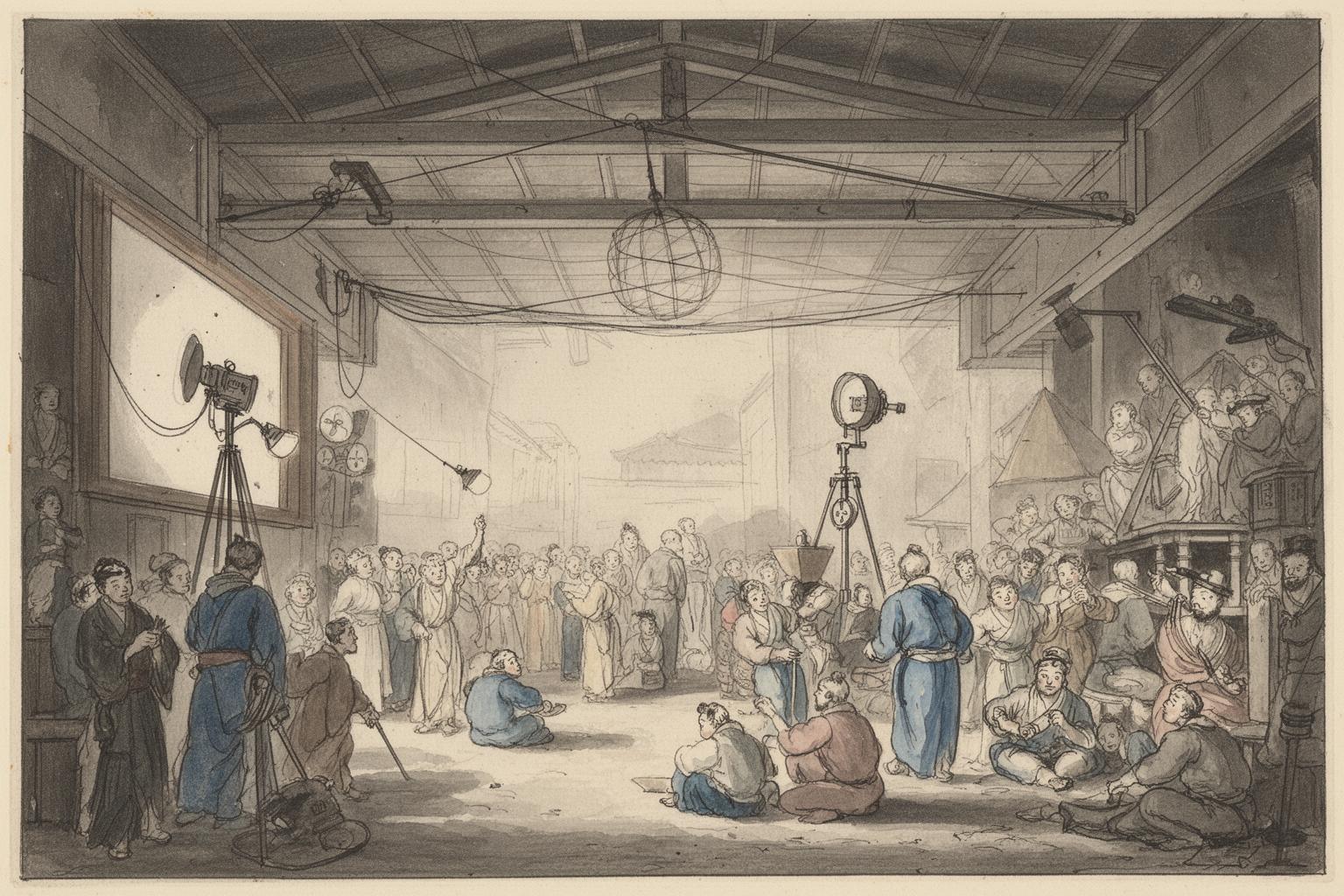
Long before it became a star on the screen, the Oya quarry was a hub of pure industry, a powerhouse of production that literally helped shape modern Japan. The history of this place is etched into its very walls, telling a story of geological fortune, remarkable human effort, and technological progress. Understanding its past offers a deeper appreciation for the monumental space you are standing in. It wasn’t created for art or entertainment but through sweat, determination, and the relentless pursuit of a valuable natural resource.
The Birth of Oya Stone: A Volcanic Legacy
The story of Oya stone, or ‘Oya-ishi,’ begins millions of years ago. This distinctive greenish-grey rock is a type of tuff, which is essentially compressed volcanic ash. It was formed by massive pyroclastic flows during a period of intense volcanic activity. What makes Oya stone unique is its composition. It is relatively soft and easy to carve, making it an ideal building material, yet it is also highly porous and lightweight, giving it excellent fire-resistant and insulating qualities. Filled with tiny fossilized fragments of ancient plants and minerals, the stone has a characteristic speckled appearance known as ‘misso.’ For centuries, local people recognized the value of this stone. It was used for everything from castle foundations and storehouse walls to simple garden lanterns and paving stones. It became the signature architectural material of the region, and its reputation for quality and versatility gradually spread throughout Japan.
The Grind of the Quarrymen: Hand-Carved History
For most of its history, the Oya quarry was worked entirely by hand. This fact is almost unimaginable when you stand in the main chamber. Consider the sheer, back-breaking labor involved. Men known as quarrymen or ‘ishikiri’ descended into the darkness armed with nothing more than pickaxes, saws, and wedges. They painstakingly carved out massive blocks of stone, a process both physically demanding and extremely dangerous. The marks visible on the walls are a testament to this era. The long, uniform grooves were left by their tools as they chiseled away at the rock face day after day, year after year. Working by the dim light of lanterns, their lives were ruled by the rhythm of hammering and cutting. The museum features a section displaying the tools they used, which look almost primitive compared to the monumental task they accomplished. The immense human effort required to hollow out this underground world makes standing in this space feel like being inside a monument to human perseverance itself.
From Manpower to Machine Power
The 20th century brought a revolutionary change to the quarrying industry. The introduction of heavy machinery drastically increased the speed and scale of excavation. Enormous, powerful cutting machines were introduced, capable of slicing through stone with a speed and precision previously unimaginable. This is when the quarry truly expanded into the vast labyrinth we see today. The transition from hand tools to machinery is evident in the rock itself. In some areas, you can observe the rough, uneven texture of hand-carving, while in others, the walls are marked by perfectly straight, almost surgical lines created by giant mechanical saws. This shift marked the peak of Oya’s production, when thousands of tons of stone were shipped out to build iconic structures like the Imperial Hotel in Tokyo, designed by the legendary architect Frank Lloyd Wright. However, the rise of concrete and other modern building materials eventually led to a decline in demand for Oya stone. The quarry ceased operations in the late 1980s, falling silent for the first time in centuries. Yet, this closure was also the start of a new chapter, paving the way for its remarkable second life as a cultural and cinematic icon.
Beyond the Silver Screen: A Canvas for Creativity
The very qualities that make the Oya quarry an ideal film set—its dramatic scale, otherworldly ambiance, and distinctive acoustics—also render it an extraordinary venue for various forms of art and expression. The quarry has undergone a transformation into a vibrant cultural space, hosting everything from avant-garde art installations to classical music performances and unforgettable wedding ceremonies. It has demonstrated itself as an endlessly versatile canvas, inspiring artists and creators to think creatively and explore the subterranean environment in innovative and exciting ways.
Art Installations That’ll Blow Your Mind
Strolling through the quarry feels like moving through a living gallery. The management regularly partners with contemporary artists to install works that engage directly with the unique surroundings. These aren’t merely sculptures placed in a cave; they are site-specific creations that incorporate the darkness, light, stone texture, and vast scale of the space as essential elements of the art itself. You might round a corner and encounter a mesmerizing light installation projecting shifting patterns onto the 30-meter-high rock face, transforming the wall into a dynamic, moving mural. Or you could discover a series of abstract sculptures whose jagged shapes seem to mimic the raw, angular cuts of the quarry itself. These installations add another dimension to the experience, turning the historic industrial site into a hub of contemporary artistic dialogue. The striking contrast between the ancient geological backdrop and cutting-edge modern art is simply breathtaking, resulting in some truly unforgettable visuals.
Subterranean Soundscapes: Concerts and Events
Picture listening to a string quartet, rock band, or traditional Japanese taiko drum group within a vast underground stone chamber. The acoustics in the Oya quarry are, quite simply, extraordinary. The stone walls produce a natural reverb that is both powerful and remarkably clear. Sound doesn’t just move through the space; it seems to inhabit it, enveloping you from all directions. This has made the quarry a highly sought-after, albeit unconventional, concert venue. The live music experience here is completely immersive. The blend of dramatic visual surroundings and unique sonic qualities creates a performance you not only hear but feel deep in your chest. Beyond concerts, the quarry also hosts corporate events, fashion shows, and promotional parties—each aiming to provide guests with a truly unique and unforgettable experience unlike any other on Earth.
Say “I Do” in the Depths: The Ultimate Wedding Venue
For couples seeking a wedding venue that’s truly exceptional, the Oya quarry offers an option that is nothing short of epic. Yes, you can actually tie the knot here. The main chamber is often transformed into a stunning subterranean chapel. Imagine walking down an aisle lit by hundreds of candles, their flickering flames shimmering on towering stone pillars, toward a floral altar set against the backdrop of ancient rock. It’s dramatic, romantic, and sure to be a wedding no guest will ever forget. The quarry’s natural coolness offers a refreshing retreat for summer weddings, and the sheer uniqueness of the setting guarantees wedding photos that will be legendary. This showcases the quarry’s incredible versatility, proving that a place of such raw industrial power can also be converted into one of the most intimate and magical venues imaginable.
Exploring the Oya History Museum: A Pro Gamer’s Guide
Navigating the Oya History Museum feels like playing through a level in a video game. There are distinct zones, hidden secrets, and a main ‘boss’ chamber that will leave you awestruck. To make the most of your visit, it’s helpful to get a sense of the layout. While you’re free to explore at your own pace, having a mental map of what to look for can enrich the experience and ensure you don’t miss any of the fascinating details tucked away in the shadows.
The Main Chamber: Prepare to Be Amazed
All paths ultimately lead to the main attraction: the enormous central chamber where the machines once did their heaviest work. This space truly takes your breath away. It’s vast beyond imagination, a cavern of epic scale that seems as if it were built by a lost civilization of giants. This area is frequently used for filming, concerts, and events. Take your time here. Walk to the center and slowly spin around, absorbing the 360-degree view of towering stone walls and colossal pillars. Look up and notice the perfectly straight lines left by the cutting tools. Look down at the floor, a mix of gravel and original stone base. Find one of the many benches and sit for a while, letting the immense scale and the silence (or the ambient music often played) wash over you. This is the quarry’s heart, a space that demands respect and awe.
The Historical Exhibit: A Window into the Past
Off to one side of the main path, you’ll find a thoughtfully curated exhibition that tells the story of the quarry and its workers. This is an essential stop to add context to what you’re seeing. Displays include the various hand tools used in the early days, from simple pickaxes to long, two-man saws. Old photographs show quarrymen at work, their faces dust-covered, and dioramas illustrate the painstaking process of hand-carving massive stone blocks. You’ll also find examples of machinery that transformed the industry in the 20th century. This exhibit connects the incredible space around you with the human story behind it, turning it from just an impressive site into a powerful tribute to labor and history.
The Hidden Nooks and Crannies
Don’t limit yourself to the main, well-lit paths. The real charm of the Oya quarry lies in its many side passages, dark corners, and smaller chambers. Some end in dead-ends, while others loop back to other routes. Exploring these lesser-traveled paths is where the true adventure begins. You might discover an old piece of rusted equipment left behind or find a section of the wall with a completely different texture, revealing a different era of excavation. These quiet corners are often the most atmospheric, allowing you to fully appreciate the silence and the sensation of being deep underground. It’s in these moments—away from other visitors—that the quarry feels most mysterious and personal. Just be cautious of uneven ground in these less-maintained areas.
The Adventure Continues: Exploring Oya Town
The underground quarry is the main attraction, but the adventure continues even after you return to the sunlight. The town of Oya itself is a charming and essential part of the overall experience. The whole community is built around the stone that gave it both its name and livelihood. Spending an hour or two wandering through the town offers a wonderful contrast to the subterranean world you just left and completes the story of Oya-ishi.
Oya Stone All Day, Every Day: The Town’s Aesthetic
As you stroll through Oya, you’ll begin to notice the stone everywhere. The very fabric of the town is crafted from the local stone. You’ll find retaining walls, building foundations, elegant gateposts, and entire storehouses made of the distinctive greenish-grey tuff. The soft, porous nature of the stone allows it to weather beautifully, developing a rustic, moss-covered patina over time that lends the town a timeless, earthy atmosphere. Many buildings possess a unique, almost Hobbit-like charm. It’s fascinating to see the raw material you observed in its quarried form being used in such practical and artistic ways throughout the town. The town itself serves as a living museum showcasing Oya stone’s architectural applications.
The G.O.A.T. Statue: The Towering Heiwa Kannon
A short walk from the museum lies another must-see landmark: the Heiwa Kannon, or Goddess of Mercy. This is far from a small temple statue. It is a colossal, 27-meter-tall (nearly 90 feet) figure carved directly into the face of a massive Oya stone cliff. Sculpted by hand after World War II as a memorial to the war dead and a prayer for world peace, its scale is truly staggering. Visitors can climb stairs to an observation deck near the statue’s chest, offering breathtaking panoramic views of the surrounding town and rocky landscape. The serene expression on the Kannon’s face, coupled with the raw power of the stone, creates a deeply moving and peaceful atmosphere. It’s another stunning example of the artistic potential locked within this special stone.
Cafe-Hopping, Oya Style
After all that exploration, both below and above ground, you’ll need to refuel. Oya town meets this need with numerous stylish and cozy cafes, many of which creatively incorporate Oya stone into their design. You can enjoy delicious coffee and pastries in buildings featuring beautiful stone walls and floors. These cafes provide the perfect place to relax, reflect on the incredible sights you’ve just seen, and warm up after the chill of the quarry. Many have outdoor terraces overlooking the unique rocky scenery of the area. Sipping a latte in a cafe constructed from the very stone beneath your feet offers a truly cool, full-circle experience.
The Practical Deets: How to Actually Get There
Alright, you’re convinced and ready to explore Japan’s underground kingdom. But how do you actually make it happen? Visiting the Oya History Museum is a relatively easy day trip from Tokyo, though it does require some planning. Here’s everything you need to know to make your trip as smooth as possible.
Your Mission Brief: Getting There from Tokyo
Your main destination is Utsunomiya, the capital of Tochigi Prefecture. The quickest and most convenient way to get there from Tokyo is by Shinkansen, the bullet train. You can board the Tohoku Shinkansen at either Tokyo Station or Ueno Station. The trip takes about 50 minutes and is fully covered by the Japan Rail Pass, if you have one. If you prefer a cheaper option, take a local train on the JR Utsunomiya Line, but be ready for a longer ride of approximately 1 hour and 45 minutes. Once you arrive at Utsunomiya Station, you’re halfway through your journey.
The Local Quest: From Utsunomiya Station to Oya
From JR Utsunomiya Station, catch a local bus to reach the Oya area. Exit from the west side of the station and head to the bus terminal. Look for bus stop number 6, where you’ll find buses going to ‘Oya’ or ‘Tateiwa’ (大谷・立岩). The ride takes around 30 minutes, traveling from the city center into the rural, rocky landscape. Your stop is ‘Oya Shiryokan Iriguchi’ (大谷資料館入口), which means ‘Oya History Museum Entrance.’ Buses run fairly regularly, but it’s wise to check the schedule in advance, especially for your return trip, to avoid waiting too long. The ride itself is scenic and builds excitement as you spot the distinctive Oya stone cliffs emerging in the distance.
What to Wear: A Simple Style Guide
Here’s an important tip: no matter how hot it is outside, bring layers. The temperature inside the quarry remains a steady 8°C (46°F), and it can feel quite chilly. Even if it’s scorching at 35°C (95°F) outside, you’ll be cold in just a t-shirt and shorts. Pack a hoodie, fleece, or light jacket to stay comfortable and fully enjoy your visit. Also, wear sturdy, comfortable shoes since the ground is mostly gravel, uneven, and sometimes damp. Sneakers or other closed-toe shoes are ideal—definitely not flip-flops or high heels.
Pro Tips for Your Photos
If photography is part of your plan, be ready for low-light conditions. While the quarry is dramatically lit, it’s still quite dark overall. A phone camera will work, but if you have one with better low-light performance, bring it along. Keep your camera steady to avoid blurry shots—using stone pillars or railings as support can help. Flash is generally allowed, but be considerate of other visitors. The best shots often come from playing with the light and shadows. Frame your photos with the massive pillars or take advantage of uplighting for dramatic silhouettes. To capture the sheer scale, include a person in your frame to highlight just how immense the space truly is.
Refuel Your HP: Don’t Sleep on Utsunomiya Gyoza
After a day spent exploring the cool depths of the earth, you’ll have worked up a serious appetite. And when you’re in Utsunomiya, there’s only one answer to the question of what to eat: gyoza. Utsunomiya is the undisputed gyoza capital of Japan. The city is absolutely passionate about these delicious pan-fried dumplings, and missing out on them would be a true tragedy. It’s the perfect, hearty, and satisfying way to end your Oya adventure.
Why Gyoza is Such a Big Deal Here
Utsunomiya’s passion for gyoza dates back to the post-war era, when soldiers returning from Manchuria brought the recipe home. The local climate was ideal for growing key ingredients like garlic chives and cabbage, and gyoza quickly became an affordable, delicious, and popular food among the locals. Today, there are literally hundreds of gyoza restaurants across the city, each offering its own unique recipe and style. Utsunomiya consistently vies for the title of the city with the highest gyoza consumption per household in Japan. Here, it’s not just food; it’s a significant source of civic pride.
My Favorite Spots
Near Utsunomiya Station, you’ll find plenty of fantastic gyoza options. One of the most famous and a great place to start is Utsunomiya Minmin. It’s a classic, no-frills spot that serves perfectly crispy yet juicy dumplings. You can typically choose between pan-fried (yaki), boiled (sui), or deep-fried (age) gyoza. Another legendary spot is Masashi, which has a very simple menu—basically just gyoza and rice—but they have honed their craft over decades. What makes Utsunomiya gyoza special is often the filling, which tends to be heavy on vegetables like cabbage, giving it a lighter, sweeter flavor compared to gyoza from other regions. A standard order is a plate of six, but no one will mind if you order two or three plates. Trust me, you’ll want to. Pairing it with a cold beer is, in my opinion, the ultimate victory meal.
Final Boss Thoughts: The Unforgettable Vibe of Oya
Leaving the Oya History Museum feels just as surreal as entering it. You ascend the long stone staircase toward the light, sensing the air growing warmer and denser with each step. When you finally step into the daylight, squinting against the sudden brightness, the ordinary world feels subtly altered. Colors appear more vivid, the air feels heavier, and the sounds of the outside world flood back in. It’s a reverse culture shock, like returning from a journey to a completely different planet concealed just beneath your feet. Oya is much more than a large hole in the ground. It’s a place where geology, history, industry, and art converge in the most spectacular fashion. It stands as a testament to both the immense power of nature and humanity’s incredible, persistent spirit. It’s a place that feels both ancient and futuristic simultaneously. Whether you’re a film enthusiast, a history buff, an art lover, or simply someone seeking a genuinely unique experience, the underground world of Oya delivers on every front. It’s a place that humbles you in the best possible way, reminding you of the vast, hidden realms that lie just beneath the surface. The vibe lingers long after you leave, a cool, quiet echo in the back of your mind. Truly, it’s one of the most epic and unforgettable spots in all of Japan.