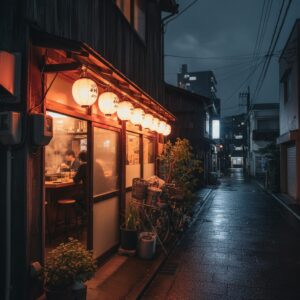
Yo, food fam! Emily here, and I’m about to spill the tea on a trip that literally changed my life. Forget what you think you know about sushi. We’re going on a pilgrimage, a legit quest for the holy grail of winter seafood. Our destination? The moody, magnificent coast of Toyama Prefecture in Japan. Tucked between the epic Tateyama Mountain Range and the deep, mysterious waters of the Sea of Japan lies Toyama Bay, a place so rich with marine life they call it a “natural fish tank.” And in the dead of winter, when the air is crisp and the sea is churning, a king awakens. I’m talking about Himi Kan-buri, the winter yellowtail, a fish so legendary, so mind-blowingly delicious, that chefs and foodies from all over the world make the journey just for a taste. This isn’t just about eating fish; it’s about understanding a culture that revolves around the seasons, the sea, and the relentless pursuit of perfection. It’s about chasing a flavor that’s as wild and dramatic as the landscape it comes from. So bundle up, get hyped, and let’s dive deep into the world of Toyama’s glistening, fatty, umami-packed treasure. This is the story of a seafood lover’s ultimate adventure.
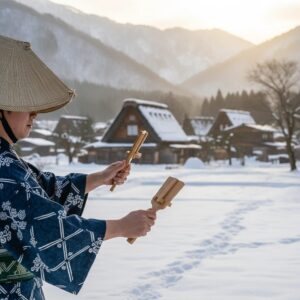
To fully appreciate the seasonal culture of Toyama, you should also explore the ancient folk traditions of Gokayama.
The Vibe of Toyama: Where Mountains Kiss the Sea
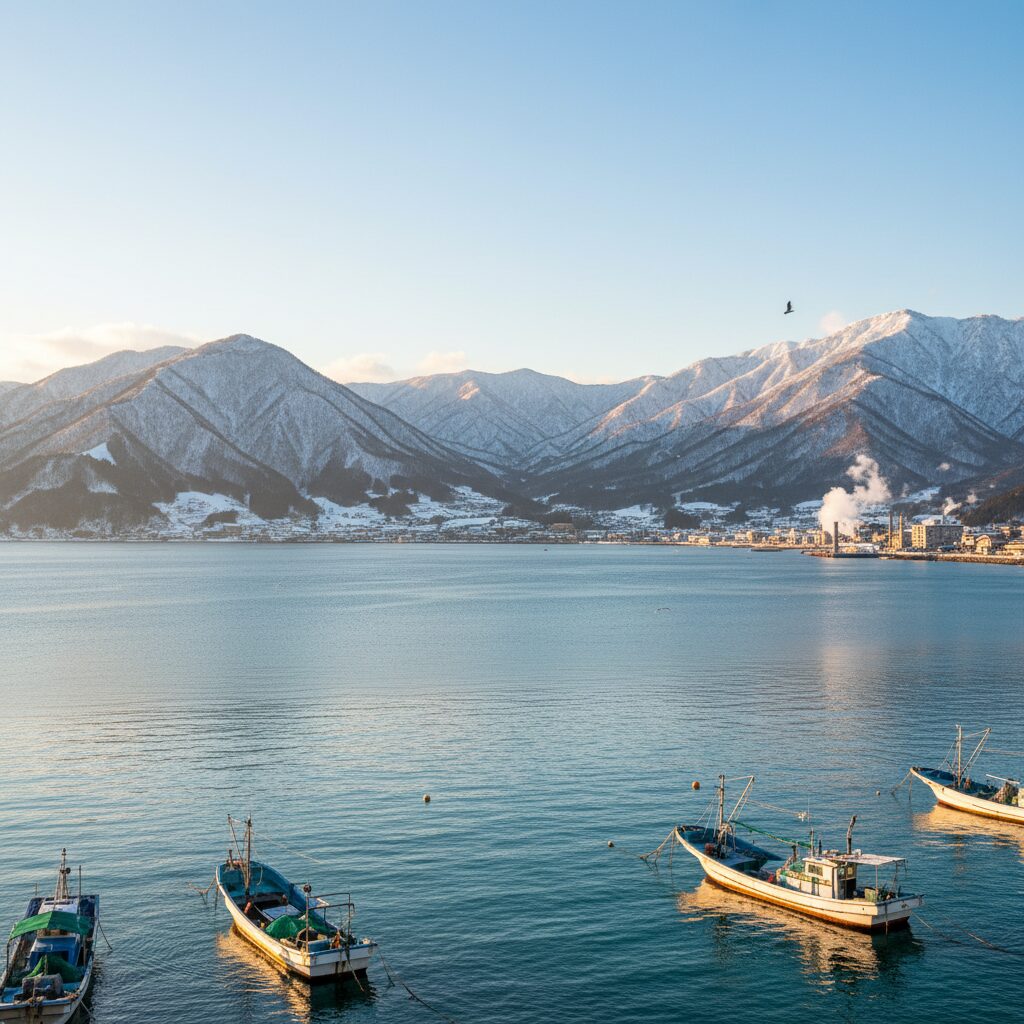
Before we even talk about the food, you need to grasp the vibe of this place. Toyama is truly majestic. On a clear winter day, you’re treated to an incredible panorama of the 3,000-meter-high Tateyama Mountains, all snow-capped, appearing to rise straight out of the ocean. The striking contrast between the brilliant white peaks and the deep, dark blue of the Sea of Japan is something you have to witness to believe. It’s dramatic, slightly moody, and feels ancient. The air here is different—sharp, clean, and carrying the scent of salt and snow. There’s a quiet power in the landscape that humbles you in the best way. This isn’t a flashy, neon-lit part of Japan. It’s raw, real, and deeply connected to nature. The towns dotting the coastline, especially Himi and Shinminato, aren’t tourist traps; they’re living fishing communities where life has centered on the bay’s bounty for centuries. You can feel the history in the narrow streets, the weathered wood of old buildings, and the faces of fishermen who brave the cold, unforgiving sea before dawn. The atmosphere is one of humble pride and profound respect for the ocean. It’s a place that makes you slow down, breathe in the cold air, and appreciate the simple, powerful rhythm of nature. You begin to realize that the incredible food here isn’t just a product; it’s a direct reflection of this unique and powerful environment.
So, What’s the Big Deal with Himi Kan-buri?
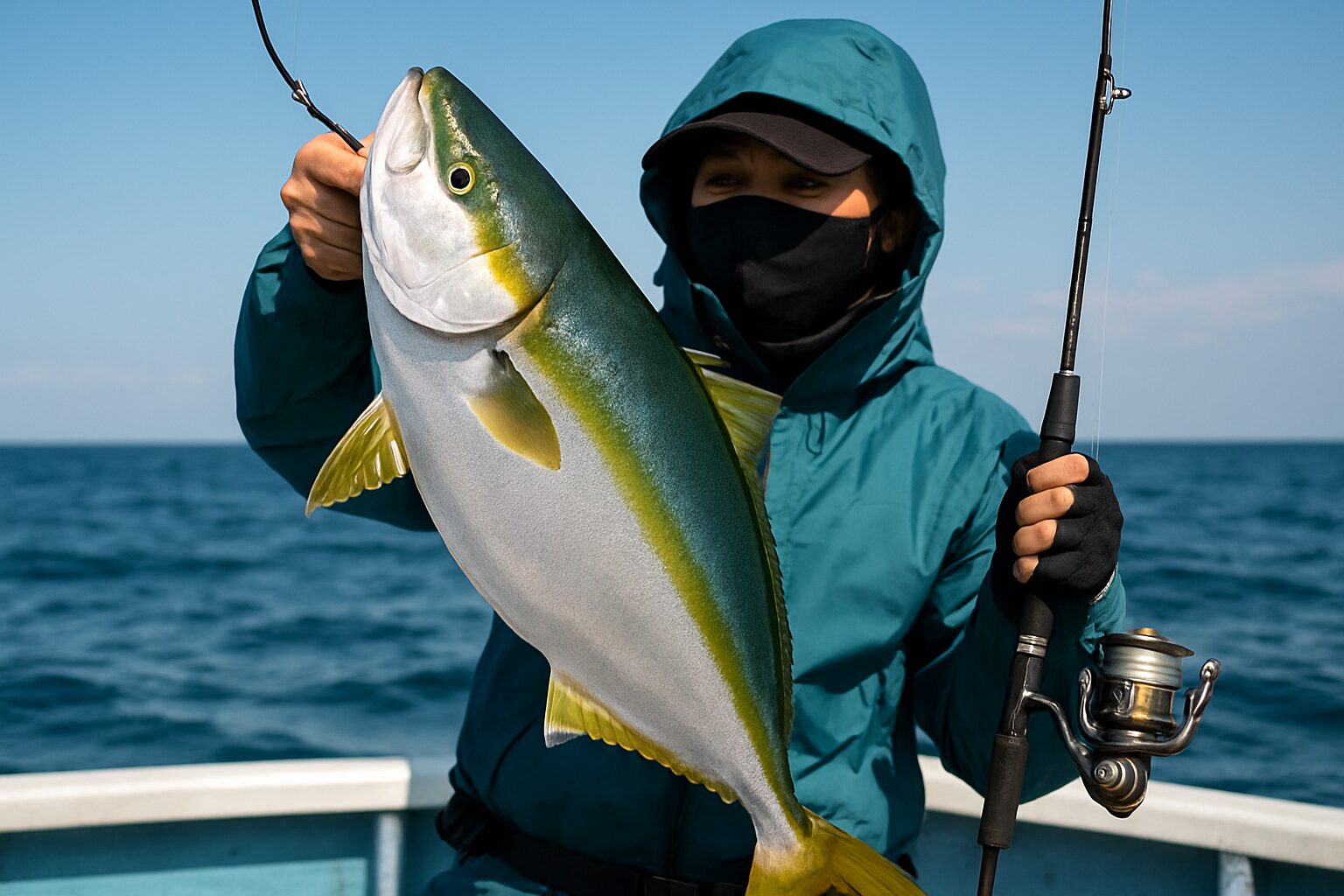
Alright, let’s dive in. Why travel across the globe for a fish? Because Himi Kan-buri isn’t just any yellowtail. It’s the pinnacle, the ultimate champion of buri. In Japan, yellowtail is called buri, and its name evolves as it grows, much like a Pokémon. But Kan-buri specifically refers to cold-season buri, caught in winter when the fish is at its absolute prime. And the buri from Himi is hailed as the very best. Here’s the scoop on why it’s so exceptional. These yellowtail migrate south from the chilly waters near Hokkaido to spawn in warmer seas. Along the way through the Sea of Japan, they gorge themselves to build up fat to endure the cold and the long journey. The unique geography of Toyama Bay, with the Noto Peninsula acting like a giant arm, creates a natural channel that funnels these migrating fish into the bay. By the time they reach the waters near Himi, they are absolute monsters—plump, strong, and packed with fat. We’re talking about a level of marbling that would put wagyu steak to shame. But this isn’t just any fat; it’s a pure, sweet, omega-3-rich fat that melts perfectly at body temperature. The flavor is incredibly layered—rich and buttery, yet clean and refined, with a lingering deep umami that isn’t at all fishy. It is the essence of perfection.
The VIP Treatment: Only the Finest Earn the Tag
They don’t just slap the “Himi Kan-buri” label on any fish. The standards are very strict. To receive the coveted blue tag that certifies it as authentic Himi Kan-buri, each fish must be caught in a fixed net in Toyama Bay, brought to Himi Port, and weigh at least 6 kilograms (about 13 pounds). Fishermen handle them with utmost care to maintain quality, using methods that minimize stress on the fish. This branding is a symbol of excellence, assuring you that you’re enjoying the very best. It’s a system grounded in pride, tradition, and a profound respect for the ocean’s bounty. When you see that tag, you know you’re about to experience a world-class culinary delight. It’s the genuine article, no exaggeration.
The Hunt Begins: A Dawn Ritual at Himi Fishing Port
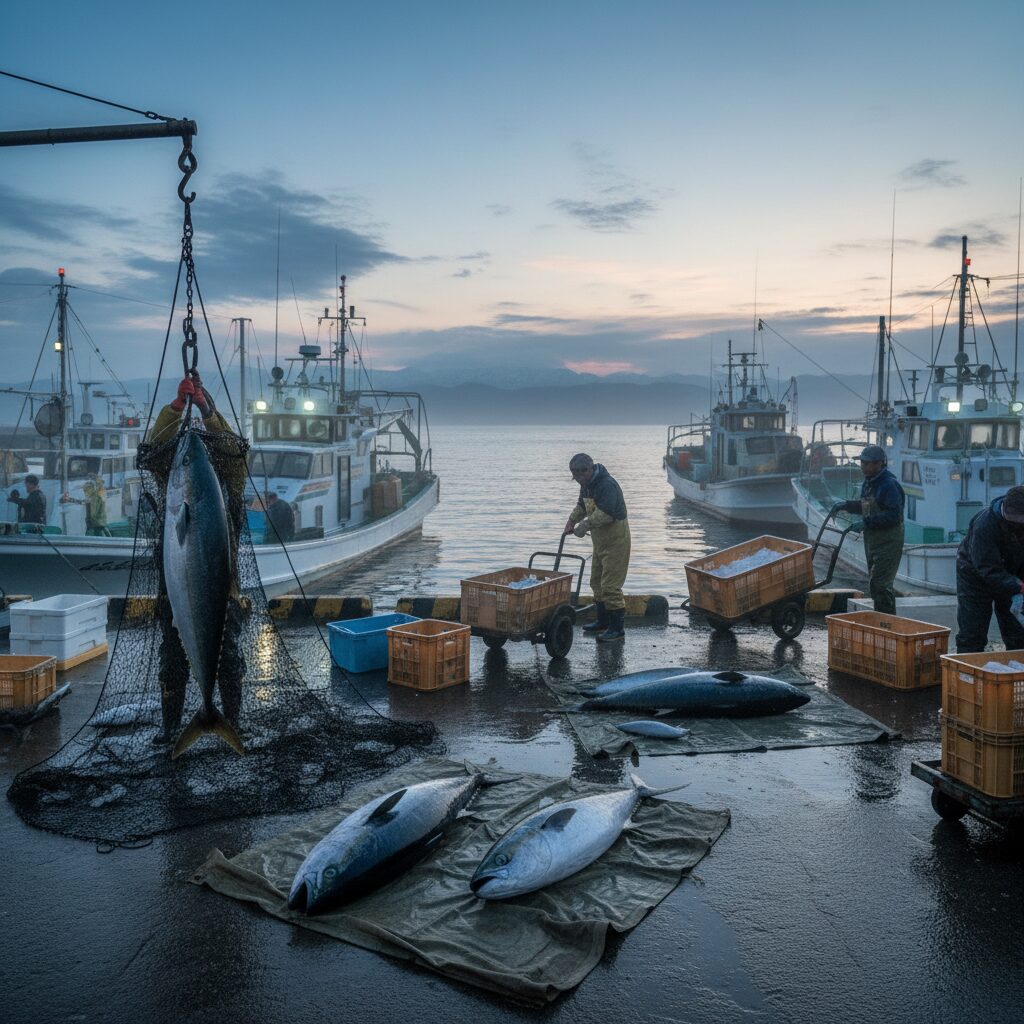
To truly grasp the legend, you need to witness its origin story firsthand. That means rising early in the pitch-black cold of a winter morning and making your way to Himi Fishing Port. The experience is electric. Even before dawn, the area hums with activity. The air is alive with the roar of truck engines, the calls of fishermen, and the salty scent of the sea. It feels as though you’ve stepped onto the set of a documentary. The highlight is the auction, or seri. It’s a captivating display of organized chaos that is hypnotic to watch. Visitors can observe from a designated second-floor walkway, offering a perfect bird’s-eye view of the entire scene. Below, on the wet concrete floor, hundreds of crates of fish are arranged in neat rows, their scales gleaming under the bright industrial lights. The variety is staggering—squid, crab, flounder, shrimp, and dozens of other species that many have likely never seen before. But everyone awaits the main event.
Then, they arrive. The Himi Kan-buri are brought out and lined up, each a magnificent, torpedo-shaped giant. Fishermen and buyers, clad in rubber boots and caps, gather around, examining their quality with expert eyes. The auctioneer, standing on a small stool, begins his rhythmic, melodic chant. It’s a language unto itself— a rapid-fire series of sounds and numbers that’s impossible for outsiders to follow. Buyers signal their bids with subtle hand gestures, a flick of a finger or a slight nod of the head. Within seconds, a fish worth hundreds, sometimes thousands, of dollars is sold. The energy is intense, focused, and deeply traditional. Witnessing this daily ritual, you gain profound respect for the hard work, skill, and heritage involved in bringing this remarkable fish from the cold, dark sea to the pristine plates of restaurants. It’s a powerful reminder that behind every exquisite meal, there’s a community and culture working in harmony with nature.
After the auction, you absolutely must visit the Himi Banya-gai, a lively market and food complex located right next to the port. It’s the perfect spot to see the morning’s catch up close, buy some incredibly fresh seafood, and enjoy a meal. The entire area is a celebration of Toyama’s marine bounty, and the energy is truly infectious.
The Ultimate Taste Test: How to Slay the Kan-buri Feast
Alright, the moment of truth has arrived. You’ve seen the port, you’ve grasped the hype, and now it’s time to EAT. Enjoying Himi Kan-buri isn’t just a single experience; it’s a journey through various preparations, each showcasing a distinct facet of its magnificent flavor and texture. You can’t limit yourself to one style—you have to dive in fully. Many local restaurants and ryokan (traditional inns) in Himi and nearby areas serve full-course buri meals, and I wholeheartedly recommend this. It’s the best way to appreciate the fish’s remarkable versatility.
Raw Perfection: Sashimi & Sushi
This is the purest test of quality, the most direct way to connect with the essence of the fish. When a plate of Kan-buri sashimi arrives, it’s like receiving a work of art. The slices are thick, glossy, and beautifully marbled with veins of pearly white fat. Often, you’ll be served different cuts to compare. There’s the otoro, the belly, the fattiest and most coveted part. It’s so rich and tender that it literally melts on your tongue, releasing a wave of sweet, creamy flavor that envelops your palate. It’s an utterly mind-blowing experience. Then there’s the akami, the leaner back meat, which has a deeper red color, a firmer texture, and a more concentrated, savory seafood flavor. It’s less about richness and more about the pure, clean taste of the yellowtail itself. Enjoyed as sushi, atop a small bed of perfectly seasoned vinegar rice, the fat of the buri and acidity of the rice strike a flawless balance. All you need is a tiny dab of wasabi and a light brush of soy sauce—anything more would be sacrilege. This is seafood at its most honest and sublime.
The Hot Pot Hot Take: Buri-shabu
If sashimi is the purest form, buri-shabu is the most playful and interactive. Picture a simmering pot of delicate dashi (a classic Japanese broth made from kelp and bonito flakes) set in the center of your table. Beside it, a platter of thinly sliced Kan-buri, so translucent they nearly disappear. You lift a slice with your chopsticks, swish it briefly in the hot broth—shabu-shabu is the onomatopoeia for this sound—and watch as it changes instantly from pink to opaque white. The heat gently firms the fish’s texture while melting its fat and releasing incredible sweetness. You then dip it into tangy ponzu or creamy sesame sauce before savoring it. The result is unreal. The fish is incredibly tender and juicy, with the warm broth heightening its natural umami. It’s a lighter, more delicate way to enjoy the buri’s richness, perfect for a cold winter evening. Cozy, communal, and addictively delicious—you’ll find yourself reaching for slice after slice.
The Comfort Classic: Buri-daikon
This dish is pure Japanese soul food. It’s the comforting, heartwarming meal your imaginary Japanese grandmother would prepare. Buri-daikon features large, bone-in pieces of yellowtail—often the head and collar (kama), rich with gelatin and flavor—slowly simmered with thick chunks of daikon radish. The cooking liquid is a classic mix of soy sauce, sake, mirin, and sugar, which reduces to a thick, glossy, sweet-and-savory glaze. The slow simmer allows the daikon to become tender and soak up all the rich, fatty flavor from the fish. The buri meat itself becomes fall-off-the-bone tender, infused with the salty-sweet sauce. This dish embodies the Japanese philosophy of mottainai, or avoiding waste; parts of the fish that might be discarded elsewhere are celebrated here for their intense flavor and unique texture. Eating the succulent meat from around the collar, together with broth-soaked daikon and a bowl of steaming white rice, is one of the most comforting and deeply satisfying food experiences you can have. It’s a taste of home, even if you’re thousands of miles away.
Fired Up: Shioyaki (Salt-Grilled) Buri
Sometimes, the simplest techniques yield the best results. Shioyaki means salt-grilled, and that’s precisely what this is. A thick Kan-buri steak is simply seasoned with high-quality sea salt and grilled over blazing-hot charcoal. The intense heat crisps the skin perfectly, creating a crunchy, salty contrast to the juicy flesh inside. Flames licking the dripping fat produce fragrant smoke that infuses the fish with an irresistible aroma. The interior remains moist and flaky, its natural flavor intensified by salt and smoke. Served with a wedge of lemon or a mound of grated daikon to cut through the richness, this dish is a masterclass in simplicity. It proves that when you start with an ingredient this exceptional, you don’t need much to make it shine. The crispy skin, juicy meat, and smoky hint combine into a simple trifecta of perfection.
Beyond the Buri: Toyama’s Culinary Universe
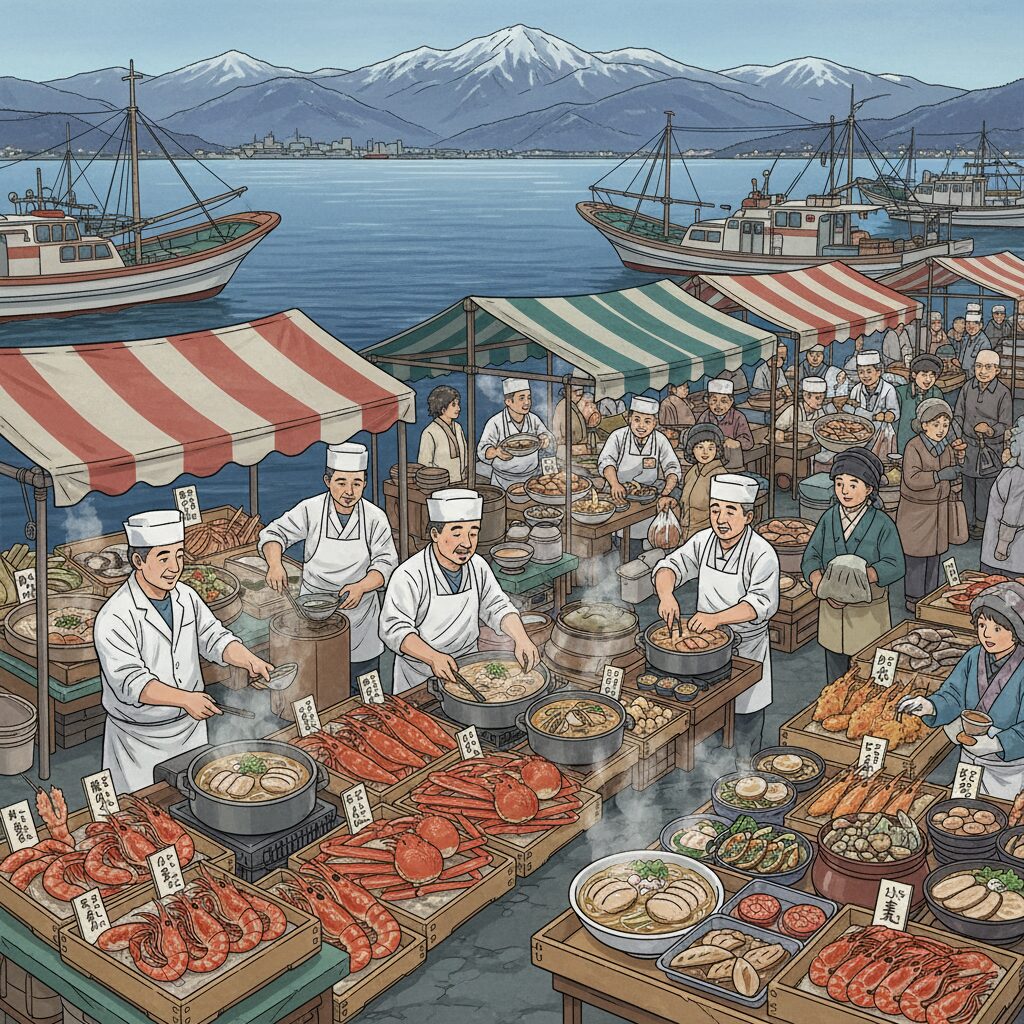
While Himi Kan-buri may be the undisputed winter king, Toyama Bay’s treasure trove holds a variety of other gems throughout the year. Visiting without sampling the rest of the offerings would be a missed opportunity. This bay is an incredibly fertile ground for a wide range of extraordinary seafood, each with its own season and devoted fans. Think of your journey as a seafood safari, with Kan-buri as the majestic lion you came to see, but featuring many other remarkable creatures to discover.
The Bay’s Gems: Shiro-ebi (White Shrimp)
If Kan-buri is the king, Shiro-ebi are the dazzling crown jewels of Toyama Bay. These tiny, translucent white shrimp are uniquely abundant here, and they are truly exquisite. They feature a delicate, sweet flavor and a melt-in-your-mouth texture unlike any other shrimp. A genuine delicacy, they are most commonly enjoyed raw, as sashimi or atop sushi gunkan-maki. A small mound of these shimmering shrimp on rice resembles a pile of glistening gems. The flavor is pure, sweet, and incredibly fresh. Another must-try is shiro-ebi kakiage, a tempura fritter made by lightly battering and frying a handful of shrimp together into a crispy, airy patty. It offers the perfect balance of crisp texture and tender sweet shrimp. Available from spring through autumn, they’re a perfect reason to revisit Toyama in a different season.
The Luminous Sea: Hotaru-ika (Firefly Squid)
Visiting Toyama in spring (typically March to May) means witnessing one of nature’s most enchanting displays. Millions of Hotaru-ika, or firefly squid, rise to the bay’s surface to spawn, emitting bioluminescent light. On dark nights, the shoreline sparkles with an ethereal blue glow as the waves wash these tiny squid ashore. It’s a breathtaking spectacle. Naturally, they’re also delicious. These small squid are remarkably tender with a rich, deep flavor thanks to their liver. A classic preparation involves boiling them fresh and serving with a sumiso dressing (a mix of miso, vinegar, and sugar). The combination of hearty, savory squid and tangy sweet miso is a quintessential taste of Japanese spring. They’re also delightful as tempura or simmered in soy-based sauce. This seasonal treat perfectly captures Toyama Bay’s magic.
The Ideal Package: Masuzushi
More than just a dish, Masuzushi is a symbol of Toyama. This pressed sushi is among the most famous ekiben (train station bento) in all of Japan. It features a layer of cured trout sashimi pressed over vinegared rice, carefully wrapped in bamboo leaves and placed inside a round cedar box. Wrapping it in bamboo infuses the fish and rice with a subtle, fragrant aroma. To enjoy it, you unwrap the package and slice it into wedges like a pizza. The trout is rich and flavorful, its saltiness perfectly balanced by the sweet, tangy sushi rice. It’s a beautifully crafted, delicious meal ideal for a picnic or a long train journey. Picking up a box of masuzushi at Toyama Station before departing is an essential part of the experience and makes the perfect edible souvenir.
Practical Slay: Your Toyama Trip Planner
Convinced you need to go? I thought so. While planning a trip to a more rural part of Japan might feel intimidating, Toyama is surprisingly easy to reach and definitely worth the effort. Here’s the lowdown on how to turn your seafood pilgrimage into reality.
When to Go: Timing is Everything
Let’s be perfectly clear: if your main goal is to savor Himi Kan-buri, you absolutely must visit during its peak season. The official season runs from late November to early February. This is when the fish is at its fattiest and most flavorful, and when the port and restaurants are celebrating it to the fullest. The weather will be cold, and snow is a possibility, but that only adds to the experience. The striking winter scenery provides the perfect backdrop for this rich, hearty fare. If you go during other seasons, you’ll miss the Kan-buri, but discover other delights. Spring brings the magical firefly squid, while summer and autumn feature amazing white shrimp and a wide variety of other fish. Essentially, there’s no bad time to visit for a seafood lover, but for the king of fish, winter is the only season.
Getting There: Ride the Shinkansen
Japan’s train network is a boon to travelers, making access to Toyama simple. The easiest route is the Hokuriku Shinkansen, which runs directly from Tokyo Station to Toyama Station. The trip is smooth and comfortable, taking just over two hours. You’ll speed through picturesque Japanese countryside and enjoy stunning coastal views as you approach your destination. Once in Toyama City, reaching other parts of the prefecture is easy. To get to the vibrant center of Himi, hop on the charming JR Himi Line from Takaoka Station (just a short ride from Toyama Station). The Himi Line runs along the coast, offering beautiful bay views.
Getting Around: Car or Train?
For the greatest freedom, renting a car is an excellent choice. It lets you explore the scenic coastline at your own pace, from Himi to the picturesque Amaharashi Coast, and venture into the mountains if you like. Driving here is relatively straightforward, especially outside the city center. However, if driving isn’t comfortable for you, public transport is a perfectly viable option. Trains connect major towns, and local buses cover the remaining routes. Combining trains with occasional taxis can get you almost anywhere you want to go, especially if your focus is on culinary hotspots like Himi and Toyama City.
Where to Stay: Ryokan or City Hotel?
Your choice depends on the kind of experience you want. For the ultimate foodie immersion, I highly recommend staying at a ryokan (traditional Japanese inn) in Himi or another coastal area like Unazuki Onsen. Many ryokan specialize in seafood kaiseki, elaborate multi-course meals showcasing the absolute best of the local, seasonal catch. Waking up in a tatami-matted room, soaking in a hot spring bath (onsen), then sitting down to an unforgettable Kan-buri feast is an experience you will always cherish. If you prefer a more central base with a wider range of dining and shopping options, a hotel in Toyama City is a great choice. The city offers a fantastic array of restaurants, from upscale sushi counters to casual izakayas, all serving exceptional seafood. From here, you can easily take day trips to Himi and other parts of the prefecture.
First-Timer Tips: The Pro Moves
- Book Early: During peak Kan-buri season, top restaurants and ryokan fill up well in advance. Do your research and make reservations, especially if you’re set on a particular place.
- Carry Cash: Although Japan is becoming more card-friendly, many small, family-run restaurants and market stalls, especially in rural areas, still operate on a cash-only basis. Always have enough yen with you.
- Learn Basic Phrases: You don’t need fluency, but picking up a few key expressions will enhance your trip. “Oishii!” (Delicious!), “Gochisousama deshita” (Thank you for the meal), and “Arigato gozaimasu” (Thank you very much) go a long way.
- Dress Warmly: Winter in Toyama can be genuinely cold. The wind from the Sea of Japan is strong. Pack layers, a warm coat, a hat, gloves, and waterproof shoes. Staying warm and comfortable makes all the difference.
An Unforgettable Taste of Place
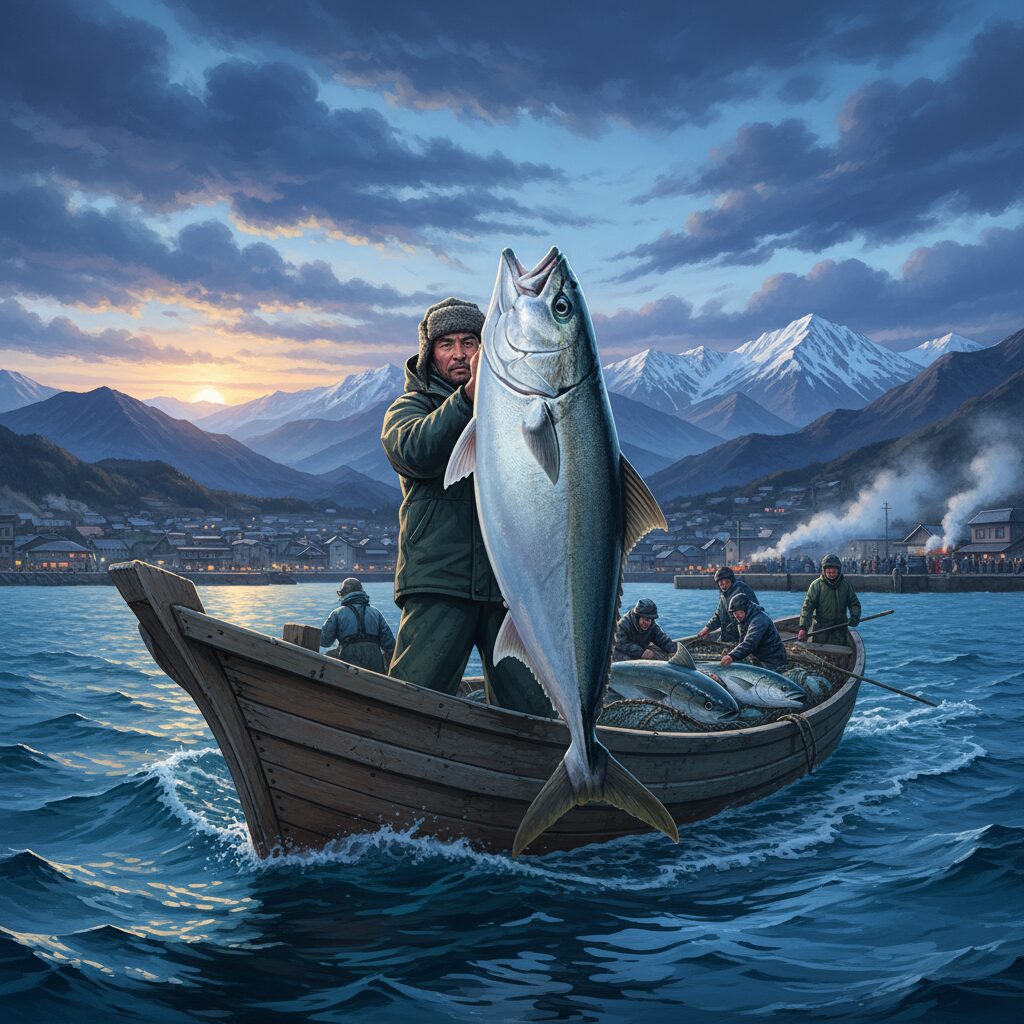
My journey to Toyama Bay was far more than just a culinary excursion. It was an immersive experience into a place where nature’s power and beauty are vividly showcased, and where the culture directly mirrors that environment. Sampling Himi Kan-buri in its native home, just hours after being caught from the icy depths of the sea, offers a connection to the seasons, the fishermen’s hard work, and a culinary heritage refined over generations. It’s a flavor that tells a tale—a story of migration, survival, and the striking convergence of mountain and sea. You leave not only with a satisfied appetite but with a full heart and deep respect for the food you’ve enjoyed and the people who brought it to your table. So, if you’re seeking an adventure that will excite your palate and move your soul, add Toyama Bay to your list. Go chase the king. I promise, it’s a taste you’ll never forget.