There are meals that you eat, and then there are meals that you experience. They are less about simple sustenance and more about performance, history, and a deep connection to the place they come from. On the rugged, windswept coastline of the Oga Peninsula in Akita Prefecture, a shard of land jutting defiantly into the Sea of Japan, you’ll find one of the most dramatic culinary rituals in the country: Ishiyaki Ryori. This isn’t your typical, delicately arranged Japanese cuisine. This is something far more primal, a tradition born from the ingenuity of fishermen and the volcanic fury of the earth itself. It’s a dish cooked not over a flame, but with searing hot stones dropped into a wooden bucket, creating a miniature volcano of steam and flavour that tells the story of this wild and beautiful corner of Japan. To taste Ishiyaki Ryori is to taste the crashing waves, the salt-laced air, and the resilient spirit of the people who have called this dramatic landscape home for centuries. It’s an unforgettable sensory journey that connects you directly to the raw, untamed heart of northern Japan, a place where myths are still whispered on the wind and traditions are served steaming hot.
This culinary adventure is just one of the many unique food experiences Akita has to offer, including the quintessential comfort of a steaming bowl of Kiritanpo hot pot.
The Soul of the Oga Peninsula: Where Land and Legend Meet
To truly grasp Ishiyaki Ryori, you must first appreciate the Oga Peninsula. This is no gentle, manicured landscape—it is a land of raw power and stunning beauty, forged by the relentless force of the Sea of Japan. The coastline is a dramatic mosaic of jagged cliffs, hidden coves, and uniquely shaped rock formations that have been sculpted into legendary figures over thousands of years. Driving along the winding coastal roads is an experience in itself, with each bend revealing a new panoramic view of the turquoise sea meeting the deep green forested hills. The air here feels distinct—cleaner, saltier, and charged with an ancient vitality. This is a land that demands respect, where nature remains firmly in control.
A Landscape Shaped by the Sea of Japan
Oga’s geography is fundamental to its character. The peninsula’s western coast is especially striking, facing the full force of weather systems coming from the continent. In winter, harsh Siberian winds whip the sea into a frenzy, sending enormous waves crashing against the rocks. The landscape is often cloaked in a pristine layer of snow, turning it into a stark, monochromatic scene of profound beauty. In contrast, summer brings lush, vibrant greens to the hillsides, while the sea calms into a sparkling blue expanse. Sunsets here are renowned, particularly from vantage points like Cape Nyudozaki, the peninsula’s northernmost point. As the sun dips below the horizon, it paints the sky in fiery shades of orange, pink, and purple, casting long shadows from the iconic black-and-white lighthouse and creating a moment of pure, contemplative magic. It is in these very waters, beneath these cliffs, that the fresh ingredients for Oga’s signature cuisine are gathered. The fish and shellfish harvested from the Sea of Japan carry the essence of their environment—clean, robust, and bursting with flavor.
The Voices of the Namahage
To talk about Oga is to talk about the Namahage. These are not adorable mascots but fierce, ogre-like deities central to the peninsula’s folklore and cultural identity. On New Year’s Eve, men from local villages don terrifying masks and straw capes to transform into Namahage. They storm through the community, bursting into homes with booming voices, asking, “Are there any crybabies here? Are the children obeying their parents?” Armed with a mock knife and wooden pail, they symbolically ward off misfortune and ensure a bountiful harvest for the year ahead. Though the ritual may sound frightening, it is a deeply meaningful cultural tradition meant to discipline children and purify the community of evil spirits. In 2018, this powerful custom was recognized as a UNESCO Intangible Cultural Heritage of Humanity. The Namahage embody the fierce, untamed spirit of Oga’s natural world—its harsh winters and mighty sea. This same primal energy and respect for raw nature’s power is reflected in the explosive, elemental cooking of Ishiyaki Ryori. The dish and the deity are two sides of the same coin, both born from the wild soul of the peninsula.
Ishiyaki Ryori: A Culinary Volcano in a Wooden Tub
At its core, Ishiyaki Ryori is a deceptively simple concept that blossoms into a spectacular culinary experience. It is a type of hot pot, or nabe, but one that does away with the usual stovetop or open flame. Instead, cooking happens tableside using volcanic stones heated to nearly unbelievable temperatures. The result is a meal that is as much about the show and anticipation as it is about the flavor. Watching the preparation is a genuinely thrilling experience, resembling an ancient ritual—a direct, visceral connection to both land and sea.
What Exactly is Stone-Grilled Cuisine?
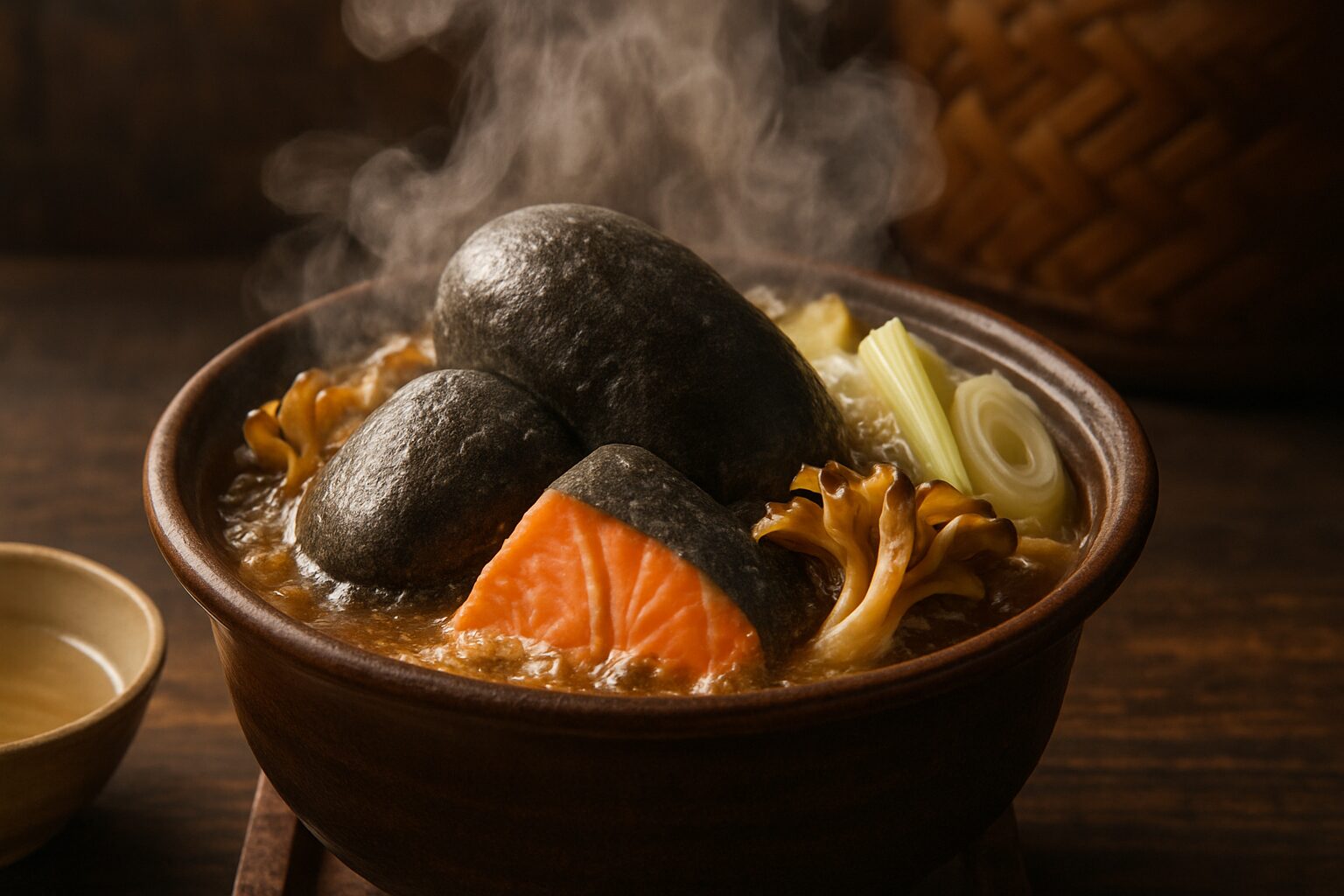
The process starts with a beautiful wooden tub, typically crafted from local sugi, or cedar wood. This tub, called a sugi-oke, is filled with a simple broth, usually water combined with savory miso paste and occasionally a piece of kombu seaweed to add an umami foundation. Then come the stars of the dish: a selection of stunningly fresh, local seafood. Depending on the season, this may include glistening fillets of tai (sea bream), succulent chunks of suzuki (sea bass), plump shrimp, scallops, and various types of local seaweed. Regional vegetables, such as leeks and mushrooms, are also included. At this stage, it is a colorful but uncooked assortment of ingredients floating in a cool broth. The magic has yet to begin.
Next, the chef brings in the heat—and it’s no gentle warmth. The stones used are a special local volcanic rock called kanpuseki. These stones are heated in a furnace for hours until they glow a fierce, menacing red, reaching temperatures between 800 and 1000 degrees Celsius. Thanks to their unique mineral makeup, the stones can endure this intense heat without cracking or exploding. Using long metal tongs, the chef carefully retrieves the glowing stones from the fire and, with skillful precision, drops them directly into the cedar tub. The effect is immediate and dramatic. The moment the stones contact the liquid, the tub erupts into a violent, hissing boil. A massive cloud of fragrant steam rises, enveloping the table. The sound is a roar, the scene is a spectacle, and the scent that fills the air is an intoxicating blend of salty sea, savory miso, and the fresh, clean aroma of cedar. The intense, instant heat cooks the delicate seafood within seconds, sealing in moisture and flavor in a way that slow simmering could never achieve.
The Fisherman’s Feast: The Origins of a Primal Dish
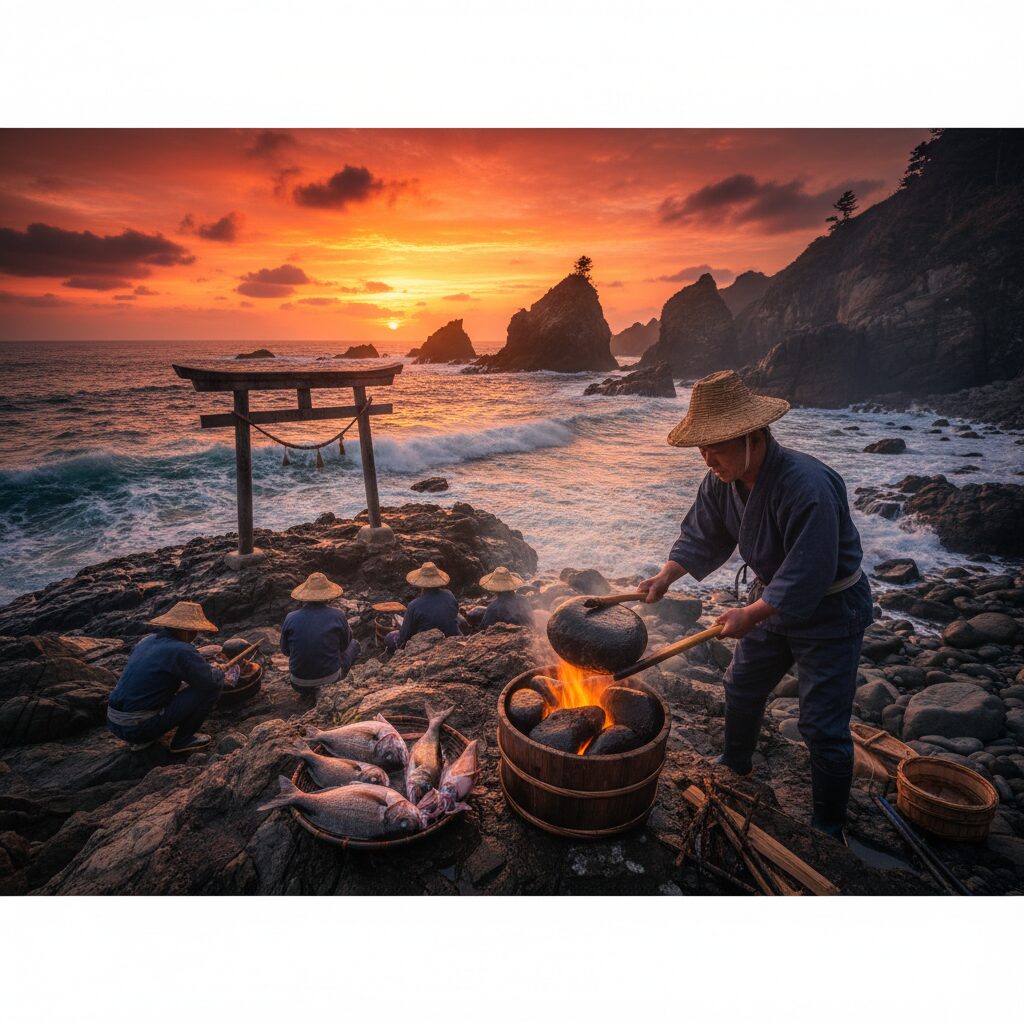
Ishiyaki Ryori’s history is grounded in the practicality and ingenuity of local fishermen. The tale goes that fishermen on their boats or resting on rocky shores needed a method to cook fresh catches without carrying heavy pots and pans. They had three essentials in abundance: fresh seafood straight from the sea, volcanic stones from nearby coastlines, and wood to kindle a fire. They would heat the stones in a bonfire until white-hot, then drop them into a bucket or hollowed-out rock filled with seawater and their catch of the day. This simple, effective method provided a hot, nourishing meal under the toughest conditions. It was survival food born of necessity.
Over time, this rustic, shoreline practice was refined and elevated by the local inns, or ryokan, around Oga Onsen. They replaced plain seawater with a carefully balanced miso broth and swapped the bucket for an elegant cedar tub. The presentation became more theatrical—a performance for guests to enjoy. Yet, despite these enhancements, Ishiyaki Ryori has never lost its wild spirit. It remains a powerful homage to its humble beginnings—a culinary link to the hardy fishermen who first harnessed earth’s power to cook the sea’s bounty. Every steaming, erupting tub of Ishiyaki echoes that first fisherman’s meal on a desolate, rocky shore.
Tasting the Depths: A Symphony of Flavors and Aromas
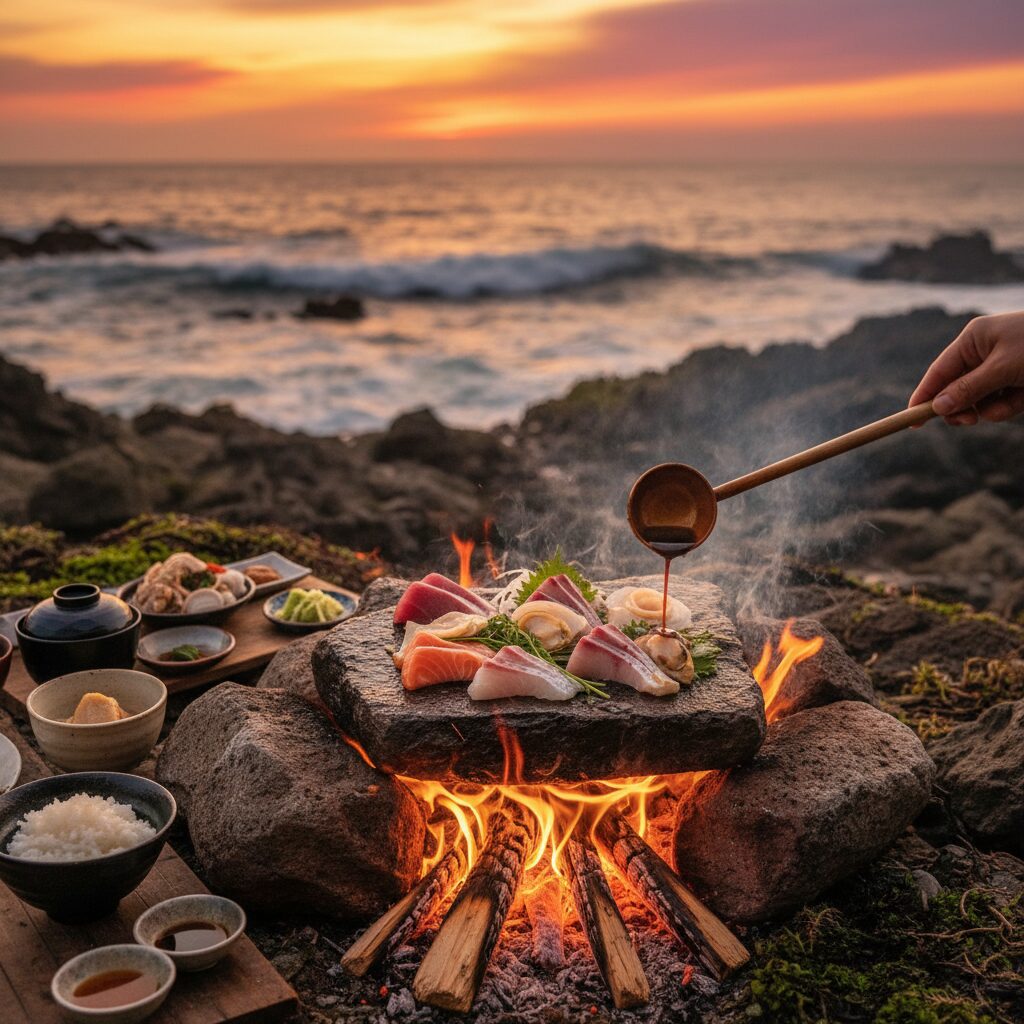
Once the steam dissipates and the bubbling settles, what remains is a dish that is deeply flavorful and texturally distinctive. The initial excitement gives way to a profoundly comforting and satisfying meal that warms you from within. The taste is a pure, unfiltered expression of the Oga Peninsula, embodying a flawless balance of land and sea.
The Flavor Profile: More Than Just ‘Cooked Fish’
At the core of the dish is the broth, which undergoes an extraordinary transformation. Beginning as a simple miso-flavored liquid, it becomes enriched with the essence of the sea. The quick cooking process—a flash-sear from the inside out—stimulates the seafood to release its most intense umami, creating a soup that is remarkably rich, complex, and savory. This depth of flavor surpasses what is found in a slowly simmered hot pot. The seafood itself is another revelation; fish like sea bream remains incredibly moist and flaky, while shellfish turn plump and tender. The rapid cooking prevents the proteins from tightening and becoming tough, producing a melt-in-your-mouth texture that is truly sublime. However, the experience goes beyond taste and texture. Aroma plays a vital role. You can detect the briny ocean scent, earthy miso notes, the clean, almost sweet aroma of cedar wood, and a subtle, intriguing minerality from the stones. It’s a multisensory indulgence that is both thrilling and deeply nourishing.
The Perfect Pairing: Akita’s Finest Sake
A meal as exceptional and regionally rooted as this calls for the perfect drink to complement it. Fortunately, Akita Prefecture is famed across Japan as a ‘Sake Kingdom.’ The area benefits from two essential ingredients for crafting world-class sake: exceptionally pure, soft water sourced from the Ou Mountains and some of the nation’s finest sake-brewing rice, including the renowned Akita Sake Komachi. The cold, snowy winters provide ideal, stable low temperatures for the slow fermentation process that yields smooth, nuanced, and aromatic sake. For Ishiyaki Ryori, a crisp and dry junmai sake is an excellent match. Its clean profile and sharp finish can cut through the richness of the miso broth and refresh the palate, enhancing the delicate seafood flavors without overwhelming them. Savoring a glass of locally brewed sake alongside the hot, savory Ishiyaki is the ultimate Akita experience—a perfect union of the prefecture’s most treasured culinary traditions.
Beyond the Cedar Tub: Exploring the Oga Peninsula
While the appeal of Ishiyaki Ryori is a compelling reason to visit, the Oga Peninsula boasts a rich array of natural and cultural attractions that make it a genuinely captivating destination. To fully savor the meal, it’s worth spending time exploring the environment that inspired it. The peninsula is compact enough to explore in a day or two, especially with a car, and every corner reveals a new discovery.
Cape Nyudozaki: The Edge of the World
Situated at the very northern tip of the peninsula, Cape Nyudozaki feels like the journey’s end in the most wonderful way. Expansive, gently sloping green lawns meet the cliff’s edge, offering an uninterrupted 180-degree view of the Sea of Japan. The iconic black-and-white striped lighthouse stands as a solitary sentinel, guiding ships navigating these waters. On a clear day, you can glimpse the coastline of southern Hokkaido in the distance. It’s a place for deep breaths and quiet reflection, where you can feel the sheer scale and power of the ocean. Several restaurants and souvenir shops cluster near the lighthouse, many serving incredibly fresh seafood bowls, giving you another chance to indulge in the local bounty.
The Menacing Beauty of Godzilla Rock
Just a short drive down the western coast, you’ll find one of Oga’s most famous and photogenic landmarks: Gojira Iwa, or Godzilla Rock. This natural rock formation, sculpted by wind and waves, remarkably resembles the silhouette of the legendary movie monster. The best time to visit is at sunset. As the sun dips toward the horizon, finding the perfect spot allows you to capture a photograph where it seems Godzilla is breathing fire, with the glowing sun perfectly positioned in its ‘mouth.’ It’s a whimsical and dramatic sight that captures the mythical, larger-than-life spirit of the Oga coastline.
Diving into Demon Lore at the Namahage Museum
A visit to Oga wouldn’t be complete without delving into the legend of the Namahage. The Namahage Museum, located in the tranquil, wooded Shinzan area, is the ideal place for this. The museum showcases an impressive collection of over 150 unique Namahage masks gathered from various villages across the peninsula. Seeing them all together reveals the remarkable diversity and artistry of the tradition; no two masks are alike, with each village boasting its own distinct style. Adjacent to the museum is the Oga Shinzan Folklore Museum, a traditional thatched-roof farmhouse where you can experience a dramatic re-enactment of the Namahage’s New Year’s Eve visit. Sitting inside the cozy home, costumed actors burst through the doors, stomping and roaring, engaging with the ‘head of the household.’ It’s a thrilling, immersive, and slightly terrifying experience that offers genuine insight into the power and cultural significance of this ancient ritual.
The Oga Aquarium GAO
For an underwater glimpse of the Sea of Japan, the Oga Aquarium GAO is an excellent destination, popular with both families and marine life enthusiasts. The aquarium’s highlight is a massive panoramic tank housing a wide variety of fish species native to the Akita region. Its unique design places the tank against the backdrop of the actual Sea of Japan, creating a striking visual effect. The aquarium also features a popular polar bear exhibit and is home to the region’s native Hatahata fish, an important element of Akita’s culinary heritage. It’s a thoughtfully designed, engaging facility that offers a fresh perspective on the marine environment so central to life on the peninsula.
Oga Onsenkyo: A Hot Spring Haven
After a day exploring windswept capes and communing with demons, there is no better way to relax than soaking in a natural hot spring, or onsen. Oga Onsenkyo is a small, peaceful hot spring village nestled in a valley on the peninsula’s northern coast. The spring water here is salty and rich in minerals, reputed to warm the body and beautify the skin. Many of the area’s best ryokan, or traditional Japanese inns, are found here. This is also the heartland of Ishiyaki Ryori, and many inns offer accommodation packages that include an elaborate multi-course kaiseki dinner featuring stone-grilled seafood as the spectacular centerpiece. Staying overnight in a ryokan, soaking in the onsen, and enjoying Ishiyaki is the quintessential Oga experience.
Practical Guide for Your Oga Adventure

Exploring a more rural area of Japan such as the Oga Peninsula takes some planning, but the rewards make it well worth the effort. With the right information, your trip to this rugged coastline will be smooth, enjoyable, and filled with memorable experiences.
Getting to the Oga Peninsula
Akita City serves as the main gateway to this region. From there, you have several options.
By Air: Akita Airport (AXT) is served by multiple domestic flights daily from major hubs like Tokyo’s Haneda Airport, Osaka’s Itami Airport, and Sapporo. Renting a car from the airport is by far the most convenient choice, providing freedom and flexibility to explore the peninsula at your own pace.
By Train: If you hold a Japan Rail Pass, the Akita Shinkansen ‘Komachi’ offers a direct and comfortable ride from Tokyo to Akita Station in about four hours. From Akita Station, you can transfer to the local JR Oga Line, which ends at Oga Station, about an hour away. Note, however, that Oga Station is located at the base of the peninsula, so you will still need to rely on infrequent local buses or taxis to reach main attractions like Cape Nyudozaki or the Oga Onsen area. For this reason, renting a car in Akita City is highly recommended.
Where to Experience Ishiyaki Ryori
The best place to enjoy an authentic Ishiyaki Ryori meal is at traditional inns (ryokan) in the Oga Onsenkyo area. Establishments like the Oga Kanko Hotel and Hotel Moritake are renowned for their stunning presentations. The dish is often served as the grand finale of a larger kaiseki dinner. Some seaside restaurants and minshuku (family-run guesthouses) also offer Ishiyaki Ryori. It is essential to book well in advance specifically requesting this meal, as the preparation—especially heating the stones—is elaborate and not usually available for last-minute orders.
When to Visit: Oga Across the Seasons
The Oga Peninsula offers unique attractions in every season.
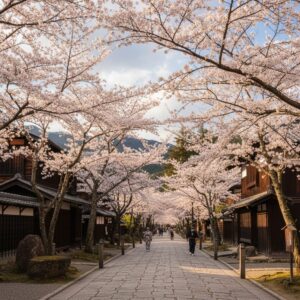
Spring (April to May) brings the land to life after a long winter. The mild and pleasant weather is perfect for hiking and coastal drives, with cherry blossoms adding splashes of pink to the scenery.
Summer (June to August) is warm and lush. The sea is calm and inviting, and the peninsula is covered in deep, vibrant greenery. It is a popular season for outdoor activities.
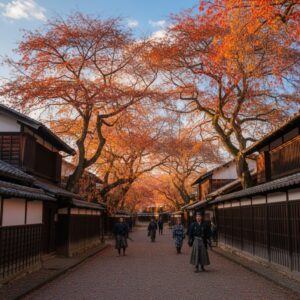
Autumn (September to November) features cooler, crisp air and stunning fall colors across forested hills. It is also harvest season, making it a delightful time for food enthusiasts.
Winter (December to February) reveals Oga’s most dramatic and powerful side. The Sea of Japan is wild and imposing, and snow often blankets the landscape. This season hosts the Namahage, with the spectacular Namahage Sedo Festival held at Shinzan Shrine in early February. Although driving can be difficult, the stark beauty of the winter scenery is unforgettable.
Tips for First-Time Visitors
Rent a Car: Worth repeating—the freedom to stop at scenic viewpoints, explore small fishing villages, or travel independently between spread-out attractions is invaluable here.
Bring Cash: While hotels and larger businesses accept credit cards, many smaller local restaurants, souvenir shops, and attraction entry fees may only accept cash. Having a good amount of Japanese yen on hand is always wise.
Pack for the Weather: Coastal weather can change suddenly. Even in summer, bringing a light jacket or windbreaker is advisable as it can get breezy, particularly at the capes.
Embrace the Pace: Oga moves at a different rhythm than Japan’s busy cities. It’s a place to slow down, disconnect from the hustle, and immerse yourself in its natural beauty and rich local culture. Avoid rushing from sight to sight; take time to simply sit and watch the waves.
A Taste of Tradition, A Memory Forged in Fire and Steam
Traveling to the Oga Peninsula means entering a realm where the boundary between myth and reality beautifully blurs. It is a journey to a land shaped by elemental forces, where the earth, sea, and people are deeply and enduringly connected. Ishiyaki Ryori perfectly embodies this connection. More than just a meal, it is a story served in a wooden tub, a ritual that channels the volcanic heart of the earth and the cold, rich depths of the sea.
The memory of the explosive hiss, the steam scented with sea and cedar, and the profound, comforting warmth of the first sip of broth will linger long after you have left Akita’s shores. It serves as a reminder that some of the world’s most remarkable travel experiences are not found in grand monuments but in simple, powerful traditions that reveal the true story of a place. In Oga, that story is one of resilience, reverence for nature, and a fiery spirit that continues to burn brightly, one hot stone at a time.