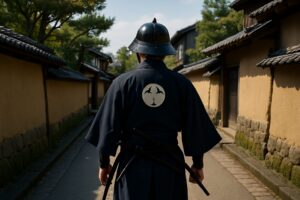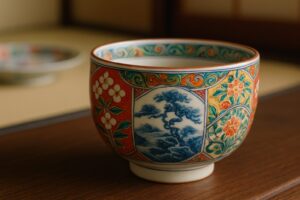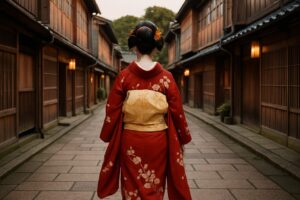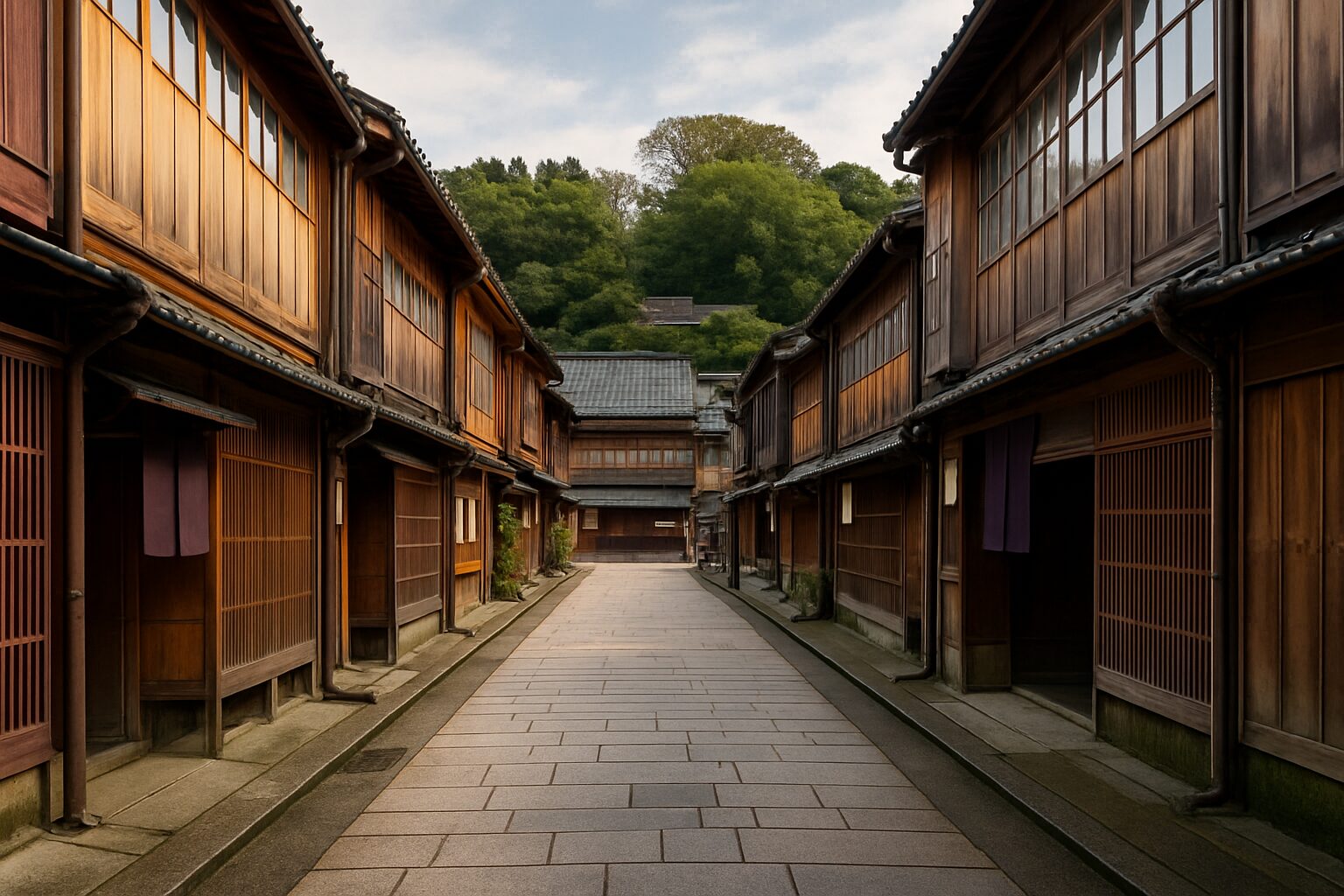
Yo, what’s up, world travelers! Ryo Kimura here, comin’ at you live from the heart of Japan. Today, we’re ditching the neon chaos of Tokyo for something with a whole different kind of electricity. We’re talking about a place where the past isn’t just in a museum; it’s alive, walking down lantern-lit streets, its silhouette a fleeting whisper of silk and secrets. I’m talking about the Chaya districts of Kanazawa, the city that’s basically a living, breathing art piece. Forget what you think you know about Japan. This is the deep cut, the B-side track that’s better than the hit single. A chaya, or teahouse district, is where, for centuries, the elite came to be entertained by geisha—masters of traditional arts, conversation, and creating an atmosphere of pure elegance. In Kanazawa, these districts weren’t just preserved; they’re thriving, offering a portal to the Edo period that feels so real, you’ll swear you’ve time-traveled. It’s a city that dodged the bombs of WWII, keeping its historical soul intact, making it one of the most legit places to experience old-school Japan. We’re about to explore the three main chaya districts: the iconic Higashi Chaya, the serene Kazuemachi, and the charming Nishi Chaya. Each has its own unique flavor, its own rhythm. This isn’t just a sightseeing trip; it’s a full-blown sensory experience. It’s the soft clack of wooden sandals on stone, the faint sound of a shamisen drifting from a latticed window, the glint of gold on a lacquerware box. This is where you connect with the deep, artistic heart of Japan. So, grab your camera and an open mind, because we’re about to dive into a world that’s equal parts beautiful, mysterious, and absolutely unforgettable. The vibe is straight-up immaculate, and you gotta see it to believe it.
After soaking in the timeless elegance of the chaya districts, you can continue your journey into Kanazawa’s vibrant culture by exploring the bustling Omicho Market for its legendary fresh seafood.
The Vibe Check: What Are Chaya Districts Anyway?
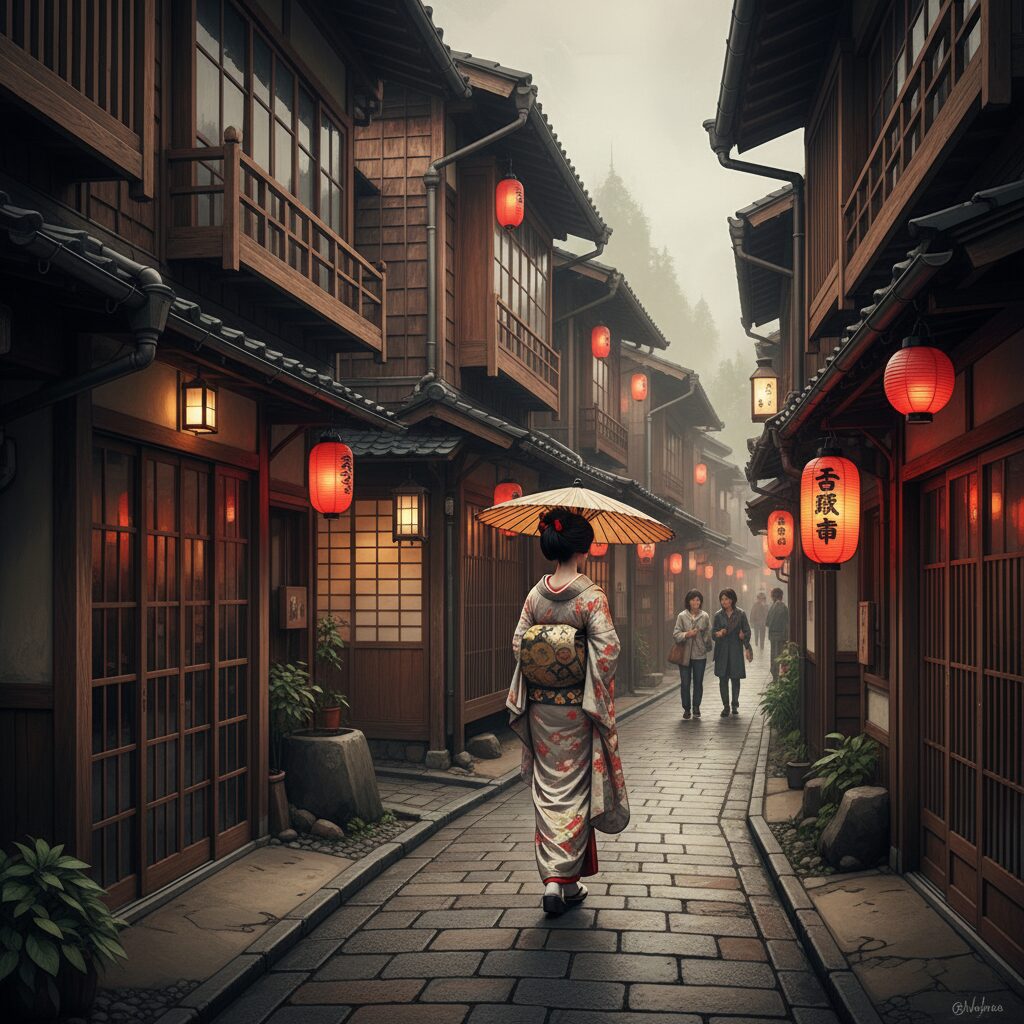
Before we hit the streets, let’s get the scoop. What exactly is a chaya district? The word “chaya” (茶屋) literally means teahouse, but these weren’t your typical spots for a quick matcha latte. During the Edo Period (1603-1868), they were exclusive, upscale entertainment venues—think of them as hubs of culture and refined nightlife. Samurai, wealthy merchants, and influential figures gathered here for lavish banquets called “ozashiki.” The main attraction? The geisha. In Kanazawa, they are more precisely known as “geigi” (芸妓), meaning “woman of art.” This distinction is important. Geigi are not courtesans; they are highly skilled artists devoted to mastering traditional Japanese arts. Their rigorous training begins at a young age, including classical music on instruments like the three-stringed shamisen, flute, and drums. They perfect traditional dances called “buyo,” which tell stories through elegant, precise movements. They are also adept conversationalists, experts in hospitality, and masters of the tea ceremony. Their role was to create an atmosphere of beauty and elegance for guests, offering a temporary escape from everyday life. Chaya districts were the only places where such teahouses were officially allowed to operate. The architecture itself sets the tone: two-storied wooden buildings, a feature generally forbidden to merchants’ houses during the Edo period, highlighting the districts’ special status. The most distinctive element is the intricate latticework on the front, called “kimusuko” (木虫籠), which provides privacy—allowing those inside to see out while preventing passersby from peeking in—creating an air of mystery and exclusivity that still lingers today. Strolling through these districts is like walking through a masterpiece of urban design, a designated cultural asset where every wooden beam and stone paver tells a story. It’s a legacy of artistry, sophistication, and a uniquely Japanese social culture, carefully preserved for us to experience. This history is the heart of Kanazawa, and you feel it with every step you take.
Higashi Chaya District: The Main Event
Alright, let’s begin with the highlight, the one you’ve probably seen all over Instagram: Higashi Chaya District (ひがし茶屋街). This is the largest and most renowned of Kanazawa’s chaya districts, and it certainly lives up to the reputation. The moment you step onto its main street, the modern world seems to fade away. Rows of perfectly preserved two-story chaya houses with dark wood and amber-colored lattices line the stone-paved streets, creating a breathtaking panorama. During the day, this area is vibrant and lively. Tourists and locals wander through the streets, the air filled with excited chatter and the enticing aroma of roasting tea and sweet dango. Shops and cafes housed inside the old machiya open their doors, inviting exploration. But as dusk approaches, a different kind of magic emerges. The crowds thin, paper lanterns flicker on, casting a warm, golden light on the wooden facades. The atmosphere turns quiet, intimate, and deeply romantic. You might hear the faint, melancholic notes of a shamisen drifting from an upstairs window—a sound that sends chills down your spine. This is when the district truly feels like a Ghibli film come to life. It’s a place of dual personalities: a lively cultural hub by day and a mysterious, evocative dreamscape by night. To fully experience it, you absolutely need to see both sides.
Must-Do’s in Higashi Chaya
This district offers plenty to see and do, but a few spots are essential. First is the Shima Teahouse (志摩). Founded in 1820, this chaya is now a museum and has been designated a National Important Cultural Asset. What makes it unique is its near-perfect preservation from the Edo period, with hardly any renovations. Stepping inside feels like time travel. You can explore the performance rooms where geigi danced and played music, check out the waiting rooms for guests, and marvel at the tiny, steep staircases. The kitchen maintains its original layout, and you’ll see the collection of beautiful lacquerware and instruments used by the geigi. The highlight is the main tatami room overlooking a small inner courtyard garden. Sitting there, you can almost hear echoes of laughter and music from centuries ago. There is also a small tearoom where you can enjoy a bowl of matcha and a traditional sweet, the perfect way to soak in the atmosphere. It offers an intimate glimpse into the world of geisha. Another treasure is Kaikaro Teahouse (懐華樓). While Shima functions as a museum, Kaikaro is still an active chaya and the largest in Kanazawa. Private geisha entertainment still happens here in the evenings, but during the day it welcomes the public. The interior is stunning, featuring brilliant red walls, exquisite painted screens, and a famous tearoom with tatami mats woven with threads of pure gold—it’s flamboyant in the best way. They often exhibit geigi hair ornaments (kanzashi) and other artifacts, and sometimes host special events or daytime performances for visitors, offering a fantastic chance to see geigi artistry without the exclusive and costly evening reservations. And, of course, no discussion of Higashi Chaya is complete without mentioning gold leaf. Kanazawa produces over 99% of Japan’s gold leaf, a craft honed here for more than 400 years. In Higashi Chaya, they apply it to everything. The must-try food experience is the gold leaf soft-serve ice cream—a regular vanilla cone wrapped in a shimmering sheet of edible gold leaf. It’s indulgent, slightly extravagant, and absolutely perfect for Instagram. Beyond ice cream, shops like Hakuza (箔座) sell gold leaf cosmetics, crafts, and edible gold flakes for coffee. You can even participate in a gold leaf crafting workshop and create your own souvenir—a fun, shiny tribute to one of Kanazawa’s key industries. Finally, don’t hesitate to explore the side streets. The main street is fantastic, but the quieter alleys hide tiny artisan shops, peaceful cafes inside restored machiya, and beautiful architectural details you might otherwise miss. This district is a maze of charm, and every corner holds a new discovery.
Pro Tips for Higashi Chaya
To get the most out of Higashi Chaya, timing is crucial. It gets very crowded, especially from mid-morning to late afternoon. For those clean, atmospheric photos of the streets with few people in sight, you need to get there early. Arriving around 7 or 8 AM means you’ll have the streets almost to yourself. The morning light is soft and lovely, and the experience is incredibly peaceful. Another magic time is after 5 PM. Most day-trippers have gone, shops start closing, and lanterns come alive. This is when the district’s romantic, mysterious side shines. It’s the best time for a quiet stroll to feel the authentic historic vibe. Another savvy move is to fully embrace the aesthetic by renting a kimono. Several rental shops near the district offer this popular activity. Walking the old streets dressed in a beautiful kimono or yukata makes you feel part of the scenery. It completely changes your perspective, and, not gonna lie, the photo opportunities are amazing. You’ll capture some of the best pictures of your entire Japan trip. Just be ready for plenty of walking and perhaps choose the more comfortable zori sandals they provide. It’s an excellent way to immerse yourself in the culture and create unforgettable memories.
Kazuemachi Chaya District: The Low-Key Legend
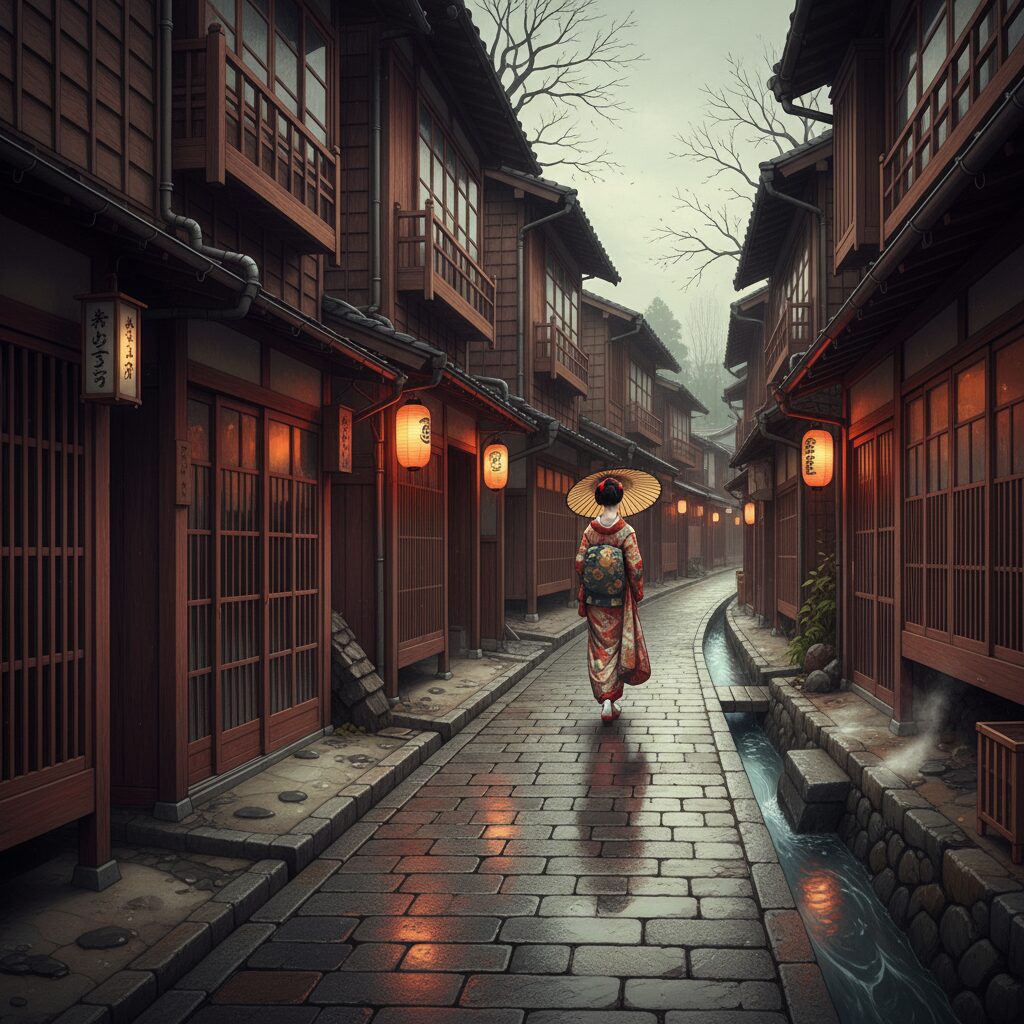
If Higashi Chaya is the popular, charismatic star, then Kazuemachi Chaya District (主計町茶屋街) is its cool, enigmatic sibling. Nestled along the banks of the Asano River, this district is smaller, quieter, and offers a more intimate, residential atmosphere. It’s quietly the best place for those looking to escape the crowds and simply absorb the ambiance. The entire area is a maze of narrow, winding alleys and stone staircases, lined with dark wooden machiya that seem to lean in and whisper tales from the past. Designated as a National Important Cultural Asset, Kazuemachi exudes an authenticity that is deeply captivating. Unlike the more commercialized Higashi Chaya, Kazuemachi feels more like a living neighborhood. Many of the buildings remain exclusive, high-end restaurants (ryotei) and active chaya that only welcome regulars and those with introductions, enhancing the district’s mysterious charm. The true highlight here is the setting. The Asano River flows gently beside the main street, with weeping willows along its banks creating a picturesque, almost poetic scene. A slow stroll along the river is the main pastime here. During the day, it is peaceful and serene; in the evening, when lanterns glow and their light dances on the water’s surface, the atmosphere turns magical. The gentle murmur of the river provides a centuries-old soundtrack to the district. Among the most photogenic spots in Kazuemachi are its two famous slopes. Kuragarizaka, or the “Dark Slope,” is a narrow, unlit staircase that feels like a secret passage into another era. Meanwhile, Akari-zaka, or the “Light Slope,” is said to be named by a writer who loved the view of the illuminated teahouses from its summit. Exploring these small passageways feels like uncovering a hidden part of the city. While you won’t find many shops or cafes here, that’s exactly the point. Kazuemachi is not about doing; it’s about being. It’s about finding a quiet bench by the river, watching the world go by, and letting the impeccably preserved atmosphere wash over you. It’s the perfect counterpoint to the vibrant energy of Higashi Chaya—a place to slow down, breathe, and simply appreciate the subtle, enduring beauty of old Japan.
Nishi Chaya District: The Sweet Escape
Completing our trio is Nishi Chaya District (にし茶屋街), the smallest and perhaps the most understated of the three. Situated on the opposite side of the city near the Sai River, Nishi Chaya exudes a compact, charming atmosphere that feels both quaint and inviting. It’s somewhat of a journey from the other two districts, resulting in far fewer tourists, which makes it a delightful little escape. The district essentially centers around one main street, yet it is rich with history and character. While it was once renowned for its vibrant geisha entertainment, today it is better known for its ties to traditional Japanese sweets and its relaxed, local vibe. The main highlight here is the Nishi Chaya Shiryokan Museum. Housed in a beautifully restored chaya, this museum provides an excellent glimpse into the district’s past. It includes a detailed recreation of an Edo period chaya interior, complete with wax figures of a geigi entertaining a guest. This makes for a great, quick visual introduction to the culture of the area, especially if you’re short on time. Admission to the museum is free, which is a big plus. The building itself is a stunning example of chaya architecture, and visitors are welcome to explore its various rooms and appreciate the intricate details up close. Beyond the museum, Nishi Chaya is a fantastic spot to satisfy your sweet tooth. The district is home to several long-established confectionery shops that specialize in wagashi, traditional Japanese sweets that are as visually appealing as they are delicious. One of the most famous is Ame-no-Tawaraya, a candy store that has been crafting its signature millet gluten candy, jiro-ame, for more than 180 years. This candy is simple, subtly sweet, and carries a comforting, nostalgic flavor—perfect for picking up authentic, edible souvenirs. Another advantage of visiting Nishi Chaya is its close proximity to other interesting locations. It’s just a short walk from the famed Myoryuji Temple, better known as the Ninja Temple. This temple is an architectural marvel designed for defense, filled with secret passages, hidden traps, and trick doors. Combining a visit to the peaceful Nishi Chaya with the thrilling exploration of the Ninja Temple creates a perfectly balanced and memorable afternoon. While Nishi Chaya may lack the grandeur of Higashi or the riverside romance of Kazuemachi, its quiet charm, delicious sweets, and uncrowded streets make it a truly delightful and worthwhile part of the Kanazawa experience.
Geisha Etiquette & How to Actually See One
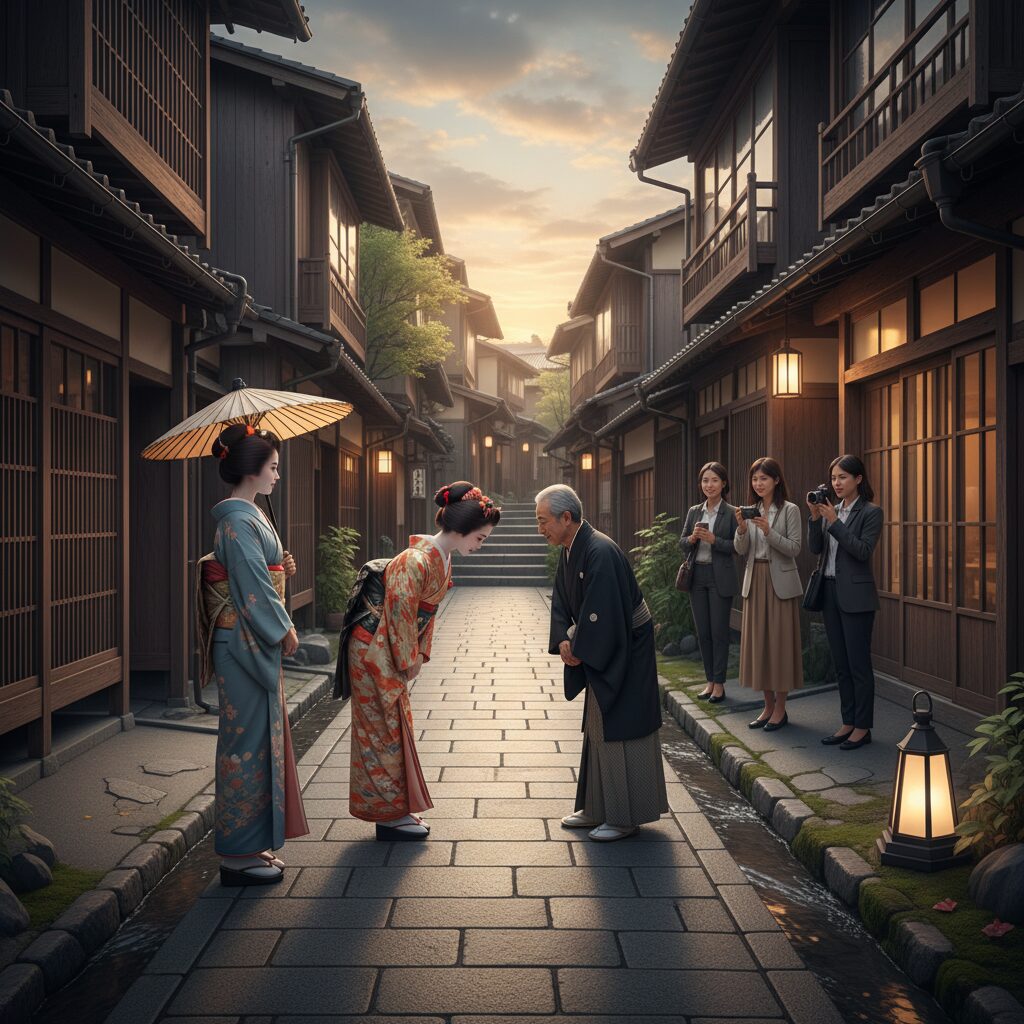
Alright, let’s address the elephant in the room: spotting a geisha. For many visitors, catching sight of a geigi in full makeup and kimono is a top priority. However, it’s crucial to manage your expectations and, above all, show respect. First of all, seeing a geigi on the street is quite rare—it’s purely a matter of luck. They aren’t out for display; they’re professionals heading to or from appointments, usually in the early evening, often moving quickly and discreetly. If you’re fortunate enough to see one, etiquette becomes essential. Remember, they are individuals, not tourist attractions. The most important rule is to be respectful. Never block their path, chase after them, or attempt to grab them for a selfie. This is a big no-no and extremely disrespectful. Imagine being on your way to an important meeting and having a crowd chase you with cameras—it’s not acceptable. Maintain a polite distance. A quiet nod or smile is perfectly appropriate, but let them pass. Regarding photos, exercise caution. Never use flash, as it can startle them and disrupt their night vision. The best approach is to take a quick, discreet photo from afar without disturbing them. The golden rule is to observe without obstructing. The most respectful way to experience their art is by attending a public performance. Some chaya, like Kaikaro, or local theaters occasionally hold special events for tourists. This is your opportunity to see them perform dances and music in the proper setting, gaining a much deeper appreciation for their extraordinary skill. These events are authentic, so check local tourist information centers for schedules when you arrive. By being a respectful observer, you help preserve their culture and allow the geigi to continue their work and art peacefully. It’s all about appreciating the magic without breaking the spell.
Practical Deets: Your Kanazawa Chaya Playbook
Getting your logistics right is crucial for a smooth trip. Here’s the essential guide to exploring Kanazawa’s chaya districts. Getting to Kanazawa is easy thanks to Japan’s excellent train system. The Hokuriku Shinkansen bullet train will whisk you directly from Tokyo in about 2.5 to 3 hours. From Kyoto or Osaka, you can take the Thunderbird limited express train, a scenic ride that takes just over 2 hours. Upon arriving at the beautiful Kanazawa Station, famous for its giant wooden Tsuzumi-mon gate and glass Motenashi Dome, you’re all set to explore. Navigating the city is also simple. The Kanazawa Loop Bus is extremely helpful, running two loops (right and left) and stopping at nearly all major tourist spots, including the chaya districts. A one-day pass offers great value, allowing unlimited hop-on and hop-off access. Higashi Chaya and Kazuemachi are located fairly close to each other, making a 10-15 minute walk between them easy. They are also within walking distance of Kenrokuen Garden and Kanazawa Castle, so you can conveniently visit them together. Nishi Chaya is a bit farther away, so taking the bus from the other districts is usually best. When it comes to timing your visit, Kanazawa shines in every season, each offering a unique atmosphere. Spring is peak season, with cherry blossoms framing the old teahouses in stunning pink and white, though it can be very crowded. Autumn is equally beautiful, with vibrant fall foliage creating a fiery backdrop against the wooden buildings. Winter brings heavy snow, covering the districts in a thick white blanket. It’s peaceful and magical, resembling traditional woodblock prints — just be sure to bring warm clothes and waterproof boots. Summer is warm and sometimes humid, but also lively with lush greenery and local festivals. For accommodation, there are plenty of choices. To fully experience the culture, consider staying in a traditional ryokan (Japanese inn) or a renovated machiya. Many charming options in and near the chaya districts offer an authentic taste of Japanese hospitality. For more convenience and a wider range of budgets, the area around Kanazawa Station has numerous modern hotels. Staying there simplifies arrivals and departures and provides easy access to the bus loop.
Beyond the Chaya: Level Up Your Kanazawa Trip
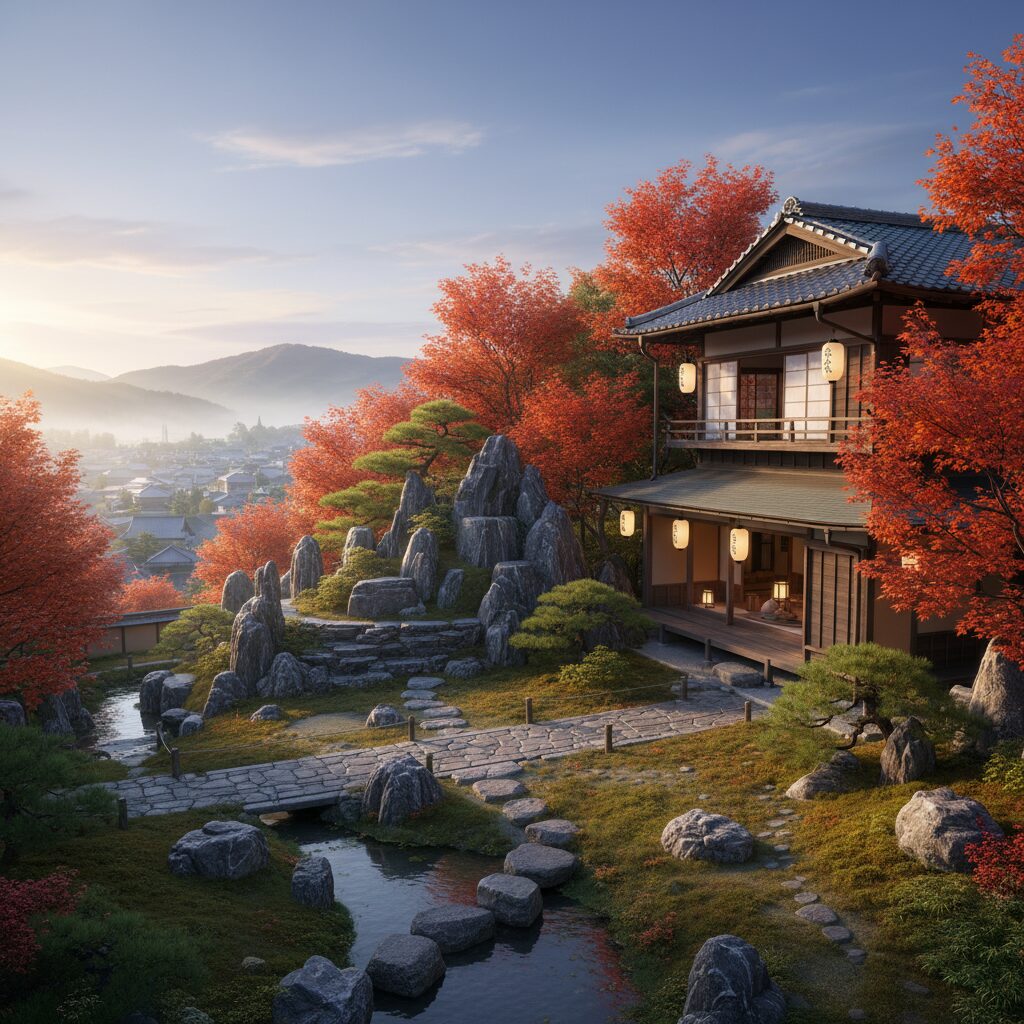
While the chaya districts are undoubtedly the heart of Kanazawa, the city is packed with other world-class attractions you shouldn’t miss. These places offer a wider perspective on the city’s rich history and lively modern culture. First and foremost is Kenrokuen Garden, consistently ranked among Japan’s top three landscape gardens and a true masterpiece of garden design. Each season brings a fresh look to the garden, from the plum and cherry blossoms in spring to the snow-covered pines supported by ropes (yukitsuri) in winter. It’s a vast, stunning space where you can easily spend hours exploring. Adjacent to the garden is Kanazawa Castle Park. Although the original keep no longer stands, many turrets, gates, and storehouses have been carefully reconstructed using traditional techniques. It offers a fascinating glimpse into Japanese castle architecture and some excellent views of the city. For a completely different experience, visit the 21st Century Museum of Contemporary Art. Its eye-catching circular glass building and mind-bending installations, such as Leandro Erlich’s “Swimming Pool,” make it one of Japan’s most thrilling art museums, providing a striking contrast to the city’s historic sites. To delve deeper into the samurai era, take a stroll through the Nagamachi Samurai District. Here, you can walk along narrow lanes lined with mud walls and visit a restored samurai residence, the Nomura-ke, to see how these warriors lived. Finally, no trip to Kanazawa is complete without stopping by Omicho Market. This bustling covered market has been Kanazawa’s kitchen for over 300 years, offering a vibrant, lively, and tasty atmosphere where you can find the freshest seafood from the Sea of Japan, local produce, and a variety of snacks. Try a kaisendon (seafood rice bowl) for lunch here—it’s an unforgettable experience. Including these sites in your itinerary will provide a full, rich understanding of what makes Kanazawa so special. It is a city where art, history, and food come together in the most remarkable way.
The Final Word
So there you have it—a deep exploration of the enchanting chaya districts of Kanazawa. This city is more than just old buildings; it proudly wears its history, where the spirit of Japanese artistry is intricately woven into the streets. Strolling through Higashi Chaya as lanterns begin to glow, finding a peaceful moment by the river in Kazuemachi, or uncovering the quiet charm of Nishi Chaya—these experiences linger with you. It’s a connection to a Japan that is elegant, refined, and profoundly soulful. Kanazawa reveals how the past and present can dance together in perfect harmony. It’s a city that invites you to slow down, look closer, and appreciate the beauty in the details. So, when planning your Japan adventure, be sure Kanazawa ranks high on your list. Come lose yourself in its alleys, listen for the shamisen’s sound, and let the magic of the chaya districts captivate you. It’s a journey back in time, waiting for you to press play.