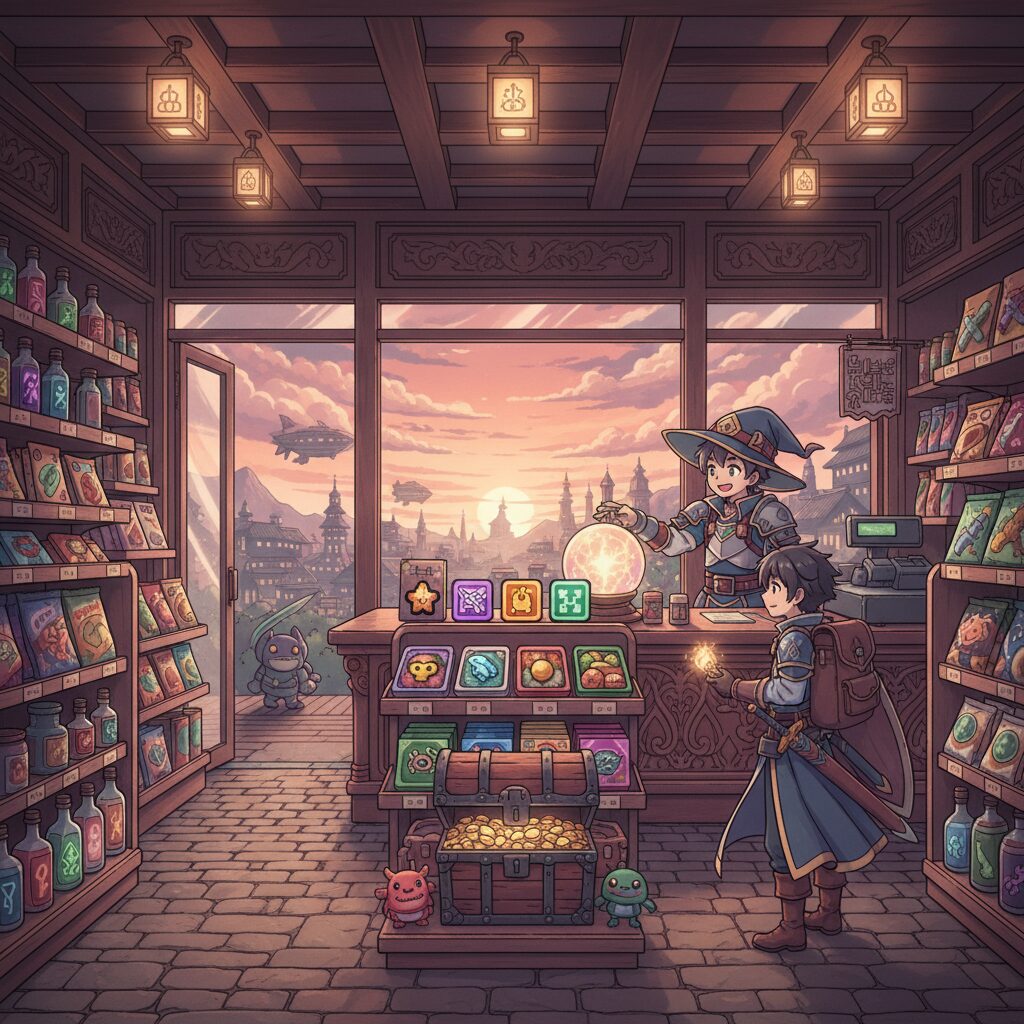
Yo, what’s the deal? Mia Kim here. So, you’ve scrolled through the ‘gram, you’ve seen the TikToks. Endless aisles of weirdly wonderful snacks, perfectly triangular sandwiches, and that one friend who just got back from Tokyo absolutely losing their mind over… fried chicken from a convenience store? You see it, you’re intrigued, but you’re also kinda sus. A convenience store is a convenience store, right? A place for a questionable hot dog on a lonely highway, a dusty bag of chips, and a lukewarm soda. It’s a place of last resort, not a destination. But in Japan, that logic gets completely flipped. The Japanese convenience store, the konbini, isn’t just a store. It’s the relentlessly reliable, brightly lit save point in the sprawling, often overwhelming JRPG of modern Japanese life. It’s where you stock up on potions (energy drinks), replenish your HP (with a life-changing egg salad sandwich), and maybe even pick up a side quest (like paying your electricity bill or buying tickets to a Ghibli exhibit). The konbini is a cultural phenomenon, a masterclass in logistics, and arguably the most misunderstood and underappreciated pillar of Japanese society. It’s an institution that’s so deeply woven into the fabric of daily existence that to understand the konbini is to understand Japan itself. We’re not just talking about snacks here; we’re talking about a system, a philosophy, a vibe that perfectly encapsulates the nation’s obsession with quality, efficiency, and, yes, ultimate convenience. Forget the temples and tourist traps for a second. If you really want to get the download on what makes Japan tick, your first and most important stop is under the fluorescent glow of a 7-Eleven, FamilyMart, or Lawson. Let’s get into it. It’s time to decode the matrix.
Just as the konbini serves as your save point, navigating the sprawling JRPG dungeons of Japan’s train stations requires its own strategy guide.
The Konbini Isn’t Just a Store, It’s an Ecosystem
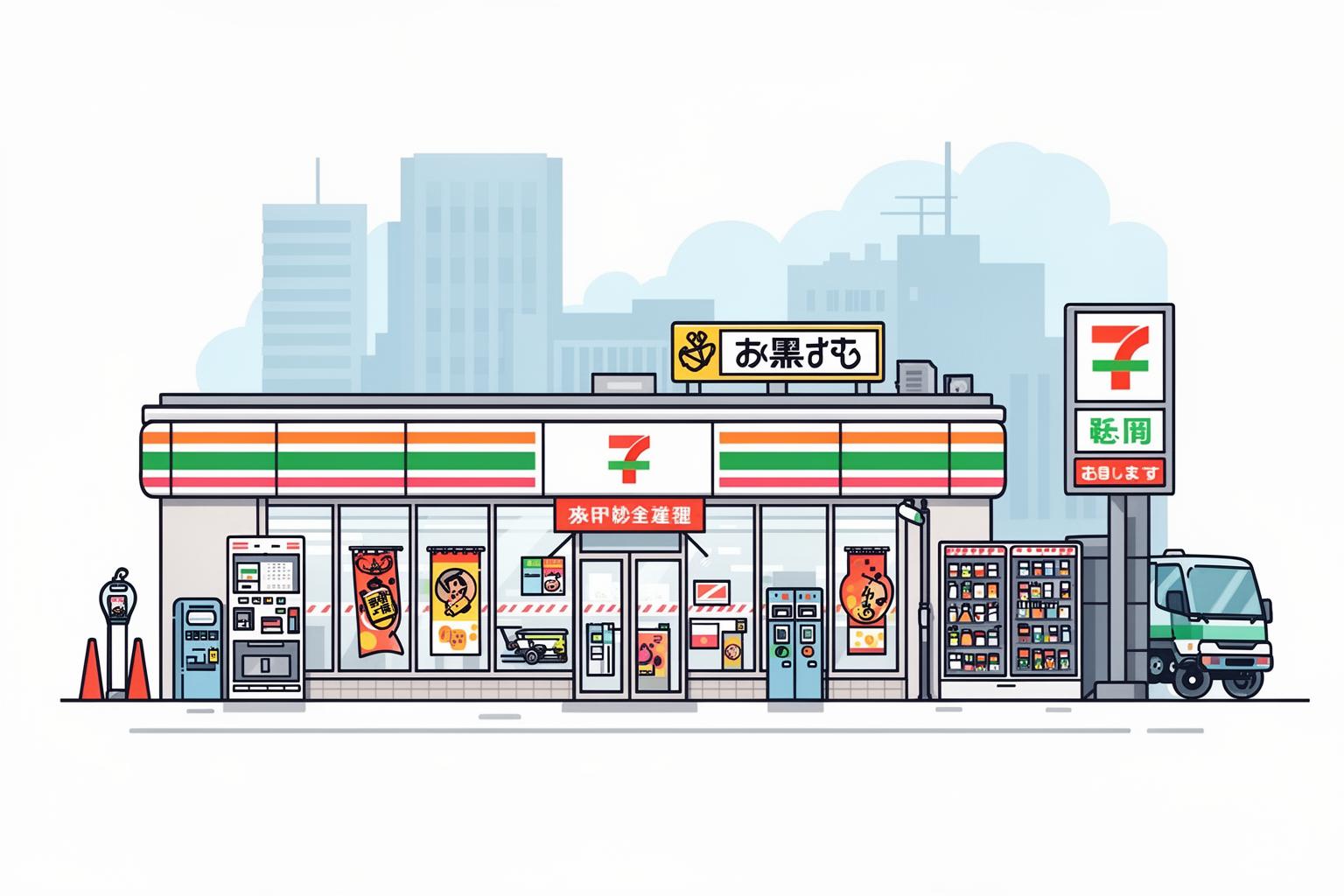
The first thing to understand is that the konbini is not a passive environment. It’s not a dusty retail box waiting for you to wander in. It’s a living, breathing entity, a finely tuned ecosystem designed with a single purpose: to seamlessly integrate into your life. The entire operation exemplifies Japan’s talent for taking a simple idea and sharpening it to an edge of perfection. The density alone is a clear indicator. In major cities, you can often stand on a street corner and spot three different konbini brands without turning your head. This isn’t just random urban sprawl; it’s a deliberate strategy of total saturation. They’re found in train stations, office buildings, quiet residential areas, and even hospitals. This omnipresence elevates them from mere stores to essential public infrastructure—just as vital and expected as a mailbox or bus stop. They form the foundational layer of daily urban life, the bedrock on which schedules are based and last-minute needs are fulfilled. This network didn’t arise by chance; it was built on fierce competition and an almost fanatical dedication to data and logistics. The companies behind these stores aren’t merely selling milk and magazines; they’re engaged in a high-stakes, ongoing battle for the loyalty of every passerby, wielding weapons like fresh bento boxes, exclusive anime collaborations, and the smoothest supply chain you’ve ever seen.
The Holy Trinity: 7-Eleven, FamilyMart, Lawson
When discussing konbini, you’re mainly referring to the big three: 7-Eleven, FamilyMart, and Lawson. Think of them as the starter Pokémon of your journey through Japan. They all share the same basic DNA—cleanliness, well-stocked shelves, 24/7 availability, and a core set of goods and services. However, locals will tell you they have their loyalties, and understandably so. Each brand has developed a unique identity and specialties, fostering a subtle but intense rivalry that benefits all customers. It’s this competition that elevates the entire industry.
7-Eleven is the undisputed king, the Charizard of the trio. It’s the largest, most numerous, and widely regarded as the standard-bearer of quality. They were pioneers, opening the first modern konbini in Japan in 1974. They shine with their premium private label, “Seven Premium,” offering everything from restaurant-quality frozen ramen to single-origin coffee beans. Their food offerings consistently impress, with their egg salad sandwiches achieving a legendary status online that is completely justified. They also operate the 7-Bank ATMs, which are often the only machines reliably accepting foreign cards, proving to be literal lifesavers for tourists.
FamilyMart is the cool, dependable Blastoise. Their vibe is a bit more playful and community-centered. Their signature item is undoubtedly the “Famichiki,” a boneless fried chicken piece so perfectly seasoned and juicy that it has cultivated a cult following. FamilyMart also excels in collaborations, frequently teaming up with popular anime series or food brands for limited-edition products. Their jingle, a cheerful electronic melody played upon entry, is an iconic sound of urban Japan—instantly recognizable and oddly comforting.
Lawson represents the slightly more sophisticated, sometimes quirky Venusaur. Lawson feels more curated. They carved out a niche with their Uchi Café line of desserts, featuring genuinely high-quality sweets that could easily be sold in specialty bakeries. Think fluffy roll cakes, rich cream puffs, and seasonal parfaits. They also operate “Natural Lawson” sub-stores catering to health-conscious customers, offering organic snacks, balanced bento meals, and gluten-free options. Lawson feels like the konbini that went to art school, and we adore them for it.
This ongoing battle for dominance means no brand can afford to rest. If Lawson launches a hit new dessert, you can bet 7-Eleven and FamilyMart have already begun developing ways to outdo it in their test kitchens. This relentless cycle of innovation ensures the quality never falters. It’s why you can enter any konbini nationwide and expect a level of excellence unmatched anywhere else in the world.
A Symphony of Logistics
The true magic of the konbini—the secret ingredient that makes it all work—isn’t found on the shelves. It lies in the invisible, hyper-efficient network humming behind the scenes. The reason the onigiri you pick up at 3 PM tastes like it was made just an hour ago is precisely because it probably was. This is no accident; it results from one of the world’s most sophisticated supply chain management systems. The core concept is called teihinban, meaning “frequent small-lot delivery.” Rather than receiving one large truck delivery once a day or a few times a week, a typical konbini gets multiple deliveries—often three or more—every single day. Each truck carries a specific category: one for chilled items like sandwiches and drinks, another for hot bento and onigiri, and another for dry goods and magazines.
This system guarantees maximum freshness and minimal waste. Stores stock only what is needed for the next few hours, not days. This enables lightning-fast responses to changes in demand. A sudden heatwave? The afternoon truck arrives loaded with extra ice cream and cold tea. A nearby office holds a big meeting? The lunch delivery includes more bento boxes. All of this is driven by data. Each purchase is scanned into a Point of Sale (POS) system that does more than just track sales. The data is aggregated and analyzed in real-time, cross-referenced with variables like weather, day of the week, local events, and neighborhood demographics. The system can predict customer needs with eerie accuracy—sometimes before customers even realize it themselves. It’s a form of predictive magic, a data-driven foresight ensuring the right products appear in the right place at the right time.
This logistical genius powers the entire konbini experience. It’s why shelves are always perfectly stocked but never cluttered. It’s why your favorite drink is always available, even in a store the size of a small apartment. This silent, behind-the-scenes process rarely crosses a customer’s mind, but it is absolutely key to understanding why the Japanese konbini functions at a level that international counterparts can only dream of. It’s not just a store; it’s the culmination of an immense, intelligent, and relentlessly efficient machine.
Leveling Up Your Daily Life: The Konbini’s Arsenal
The konbini serves as the ultimate utility belt for the modern urbanite. It is stocked with a wide range of goods and services designed to address nearly any minor inconvenience you might encounter throughout your day. Feeling a bit drained? There’s a remedy for that. Need a quick meal before your next boss battle (aka your afternoon meeting)? There’s something for that, too. Forgot to pay a bill or need to send a package? The konbini offers those services as well. This goes beyond simply offering a variety of items; it’s about carefully selecting products that meet the exact needs of life in urban Japan. This inventory stems from a profound understanding of the daily grind, providing solutions that are not only convenient but also genuinely high-quality and satisfying. From a simple rice ball to complex financial transactions, the konbini supports you, ensuring your day runs with maximum efficiency and minimal hassle.
The Food: From Onigiri to Michelin-Level Snacks
Let’s be honest—the primary reason the konbini has achieved legendary status is the food. The quality, variety, and sheer creativity found in the food aisles can be astonishing for first-timers. The contrast between expectation and reality is vast. You enter expecting dull, pre-packaged junk and instead find a vibrant, fresh, and surprisingly sophisticated culinary landscape. This dedication to quality is no gimmick; it reflects the discerning Japanese palate. Japanese consumers have a low tolerance for mediocre fare, a standard that even applies to a 150-yen convenience store snack. The outcome is a food culture where convenience and quality coexist. Brands heavily invest in food science and product development, continually introducing new recipes, seasonal specials, and collaborations with renowned chefs and restaurants. This isn’t just food to survive on; it’s food to savor.
Onigiri: The Ideal Handheld Meal
The onigiri, or rice ball, is the very heart and soul of the konbini. It’s the perfect food, and I won’t be taking questions on this. It’s affordable, portable, filling, and comes in a bewildering range of flavors. But the true brilliance of the konbini onigiri lies in its packaging. For decades, the challenge was keeping the seaweed (nori) crispy when wrapped around moist rice. The solution is an engineering marvel: a three-step plastic wrapper that keeps the nori in a separate sealed compartment, completely isolated from the rice. By following the simple 1-2-3 instructions, you end up with a perfectly assembled onigiri with delightfully crisp seaweed. It’s a small detail that speaks volumes about the Japanese commitment to perfecting user experience. Fillings range from traditional options like salted salmon (shake) and pickled plum (umeboshi) to modern and adventurous varieties such as tuna-mayo, seasoned cod roe (mentaiko), and shrimp gratin. Each is a perfectly self-contained, delicious, and efficient meal—the ideal fuel for a busy life.
The Hot Foods Counter: A Greasy, Glorious Paradise
Next to the cash register, a heated glass case beckons anyone longing for immediate, savory gratification. This is the domain of the famous konbini fried chicken. Famichiki from FamilyMart offers juicy, peppery thigh fillets. Lawson’s L-Chiki comes in various flavors like red chili or cheese. 7-Eleven serves Nana-Chiki. This isn’t just a snack; it’s a cultural icon. Grabbing a piece of hot, crispy chicken alongside a can of beer or lemon sour from the cooler is a beloved after-work ritual for many. But the case holds more delights: golden-brown korokke (croquettes) stuffed with creamy potato or meat, crispy spring rolls (harumaki), and assorted meat skewers (kushiyaki). Lawson’s Karaage-kun—bite-sized, perfectly seasoned chicken nuggets in a handy box—are a tempting addiction. This hot food counter offers a small, affordable indulgence—a greasy, glorious treat that can turn an ordinary Tuesday into something special.
Bento, Sandos, and Pasta: The Office Worker’s Lifeline
The refrigerated section is where the konbini truly showcases its culinary prowess. The selection of ready-made meals is astonishing. Bento boxes are far from sad TV dinners; they are thoughtfully composed meals, often featuring a main dish like grilled fish or ginger pork, accompanied by rice, pickled vegetables, and a few small side dishes. They provide a balanced, satisfying lunch or dinner at a fraction of restaurant prices. Pasta dishes, from classic Napolitan to creamy carbonara, are surprisingly delicious and can be heated by the cashier. Perhaps the crowning glory is the konbini sandwich, or sando. The bread is a cloud-like, crustless white bread called shokupan. Fillings are meticulously arranged. The legendary tamago sando (egg salad sandwich) is a masterpiece, with a rich, creamy filling made from high-quality Japanese mayonnaise and perfectly cooked eggs. The katsu sando (pork cutlet sandwich) with tangy tonkatsu sauce is another must-try. These aren’t just sandwiches; they are carefully crafted creations, embodying the philosophy that even the simplest food deserves attention to detail.
The Drink Aisle: A Universe in a Cooler
The variety in a konbini drink cooler can be overwhelming. It’s a liquid library showcasing Japan’s rich beverage culture. You’ll find dozens of green tea varieties, from unsweetened sencha to roasted hojicha and nutty genmaicha. The coffee section is vast, with numerous canned and bottled coffees, both hot and cold. Brands like Suntory’s Boss and Georgia are staples, each with multiple blends and sweetness levels. The self-serve drip coffee machines at the counter provide a freshly brewed, surprisingly high-quality cup for about a dollar. Beyond tea and coffee, there are countless fruit juices, vegetable smoothies, yogurt drinks, and a wild assortment of sodas and energy drinks. And then there’s alcohol: everything from major beers like Asahi and Kirin to local craft brews, sake, highballs (haibōru), and the ubiquitous, potent Strong Zero—a shochu-based canned cocktail that many consider a rite of passage.
Beyond the Food: Services That Make It a “Save Point”
While the food lures you in, it’s the services that keep you coming back, making the konbini an indispensable part of life. The Japanese konbini has evolved into a one-stop shop for life’s administrative tasks—a central hub where a vast array of errands can be handled. This consolidation brilliantly answers the needs of a dense, fast-paced society where time is precious. Why make three separate trips when you can do everything in one brightly lit, air-conditioned spot that’s open 24/7? This focus on utility is what truly transforms the konbini from a simple convenience store into vital social infrastructure.
The ATM That Actually Works
For many foreign visitors, this is their first “wow” moment. Despite Japan’s technological advancements, it remains a surprisingly cash-based society. Many small shops, restaurants, and rural inns don’t accept credit cards, which can be frustrating—especially when your foreign bank card doesn’t work at regular Japanese bank ATMs. Enter the konbini ATM. The machines at 7-Eleven (7-Bank), in particular, are famously foreigner-friendly, accepting a wide range of international cards and offering multilingual menus. They are lifesavers. For residents, these ATMs are part of daily life, providing reliable access to cash around the clock without worrying about bank hours.
Your Personal Post Office and Biller
This is a major convenience. In Japan, you can pay numerous bills right at the konbini counter. Utility bills, mobile phone charges, national health insurance, residential taxes—you simply bring your payment slip (haraikomi yōshi), they scan the barcode, you pay in cash, and they stamp it for you. This simple, efficient system removes the need to visit a bank or post office. The konbini also serves as a full-service logistics hub. Through services like takkyūbin (parcel delivery from Yamato or Sagawa), you can send packages nationwide. You just fill out the shipping form, pay the fee, and drop off your box. Even better, you can have online shopping delivered to your local konbini for easy pickup—a perfect solution if you’re not home for deliveries. You can even send your luggage from one hotel to another, allowing you to travel light on the bullet train. The konbini acts as a neighborhood node in Japan’s vast and efficient delivery network.
The Ticketmaster of Japan
Tucked in a corner of many FamilyMarts and Lawsons, you’ll find large, ATM-like machines. These multi-purpose terminals, such as Loppi at Lawson or FamiPort at FamilyMart, provide access to a huge range of services. You can buy tickets for concerts, sporting events, theme parks, museums (including the coveted Ghibli Museum tickets), and long-distance buses. You can top up e-money cards, purchase digital gift cards for services like Netflix or the Nintendo eShop, and even handle insurance claims. The interface may be daunting, as it’s mostly in Japanese, but the functionality is incredible. It democratizes access to entertainment and travel, turning every neighborhood konbini into a de facto box office and travel agency.
The Cultural Significance: Why the Konbini is the Real Japan
To view the konbini merely as a collection of products and services is to miss its true significance. It represents much more—a cultural icon, a mirror of Japan’s national character, and a silent participant in millions of lives. Its operations, role, and the needs it meets are closely tied to the social and economic conditions of modern Japan. The konbini acts as a microcosm of the nation itself: a space of remarkable efficiency, meticulous order, and quiet service, while also reflecting the pressures and compromises inherent in contemporary life. In anime and manga, the konbini is a familiar setting—the backdrop for late-night confessions between high school friends, the place where a struggling protagonist holds a part-time job, or the source of a quick meal amid supernatural events. This is not lazy storytelling; it reflects reality. The konbini is an essential part of Japan’s landscape, as recognizable and significant as a Shinto shrine or a bowl of ramen.
A Third Place for a Crowded Nation
Sociologists describe the “third place” as a social environment distinct from home (“first place”) and work (“second place”). In many Western cultures, this might be a café, pub, or public park. In Japan, where living spaces are often small and public areas highly organized, the konbini has taken on this role for many. It’s not a place for long visits, but it offers a neutral, safe, and accessible space. It’s where one can leave a tiny apartment for a moment of calm at 2 AM. Where teenagers gather after school to share a snack and scroll through their phones. Where a salaryman might step outside with a beer to unwind briefly before heading home. The constant presence of the konbini provides a subtle sense of security and stability. Its bright lights shine as a beacon in the quiet night, assuring that no matter the hour, there is a clean, safe place to get what you need. It stands as a quiet, unassuming guardian of the neighborhood.
The Double-Edged Sword of Convenience
Let’s be honest for a moment. The unparalleled convenience the konbini offers is remarkable, but it doesn’t come without cost. It both arises from and contributes to some of Japan’s more challenging social issues, especially its notorious work culture. Being able to get a high-quality, nutritious dinner at 11 PM is great, but it also normalizes the fact that many work so late they lack the time or energy to cook. The konbini’s 24/7/365 operation is a feat of service, but it relies on grueling labor often done by students, the elderly, and an increasing number of foreign workers. The franchise system places heavy demands on individual store owners, who frequently must endure punishing hours to keep their shops open around the clock. Recently, debates have intensified over whether this model is sustainable. Is 24-hour service always necessary? Do the human and environmental costs justify the benefits? The konbini reflects a society wrestling with issues like work-life balance, an aging population, and the real price of its valued convenience. It presents a complex portrait, and truly appreciating the konbini means recognizing both its brightness and its shadows.
Omotenashi in a 100-Square-Meter Box
Despite these challenges, the konbini experience is deeply shaped by one of Japan’s central cultural principles: omotenashi. Often translated as “hospitality,” it encompasses much more—a selfless, wholehearted approach to service, anticipating and meeting needs without being asked. This spirit is visible throughout konbinis. In the cashier who always asks if you’d like your bento heated. In the impeccable cleanliness of the store, from gleaming floors to spotless drink coolers. In the way products are perfectly faced forward on shelves, creating a sense of order and abundance. In the polite bow and the chorus of “Irasshaimase!” (Welcome!) upon entry and “Arigatou gozaimashita!” (Thank you very much!) upon leaving. These are not mere corporate scripts; they express a deeply rooted cultural value. The konbini democratizes omotenashi, delivering this high level of thoughtful service to everyone, every day, for the price of a rice ball. It’s a quiet enactment of cultural values, performed millions of times daily across the country.
Hacking the Konbini: Pro-Tips for Your Next Quest
Alright, you get it—the konbini is a big deal. But when you’re standing in front of that wall of drinks, overwhelmed by choice paralysis, how do you make the most of it? Navigating the konbini is a skill, a mini-game within the larger JRPG of Japan. With a few pro tips, you can go from a confused noob to a seasoned player, ready to max out your stats and snag the best loot. Think of this as your strategy guide.
Know Your Faction: Choosing Your Main Konbini
As mentioned, the big three each have their strengths. Your first step is to know what you’re after and pick your faction accordingly. This isn’t about exclusive loyalty, but about knowing where to go for what.
- Head to 7-Eleven for: The absolute best overall quality of ready-made meals. Their premium line is no joke. If you want a bento or sando that tastes like it came from a dedicated shop, 7-Eleven is your best bet. Plus, as noted, their ATMs are the GOAT for international travelers.
- Go to FamilyMart for: The Famichiki. Seriously. It’s a must-try, non-negotiable experience. They also tend to have the most interesting and fun collaborations, so watch for limited-edition snacks and merchandise tied to popular anime or games.
- Visit Lawson for: Desserts and coffee. The Uchi Café sweets collection is top-tier. Their roll cakes are legendary. Lawson is also the spot for slightly more unique or health-conscious options, especially at their Natural Lawson branches. Don’t miss their Karaage-kun nuggets—a prime-tier snack.
The Seasonal Loot Drops
The konbini is ever-changing. Its inventory shifts constantly, especially with the seasons. This is one of the most exciting aspects of konbini culture. A key strategy is to keep an eye out for limited-time seasonal items. In spring, you’ll find everything infused with sakura (cherry blossom) and strawberry. Summer brings refreshing cold noodles (hiyashi chuka), salt-flavored snacks to beat the heat, and tropical fruit desserts. Autumn offers chestnut (kuri), sweet potato (satsumaimo), and pumpkin (kabocha). Winter means rich chocolate desserts, hearty hot pot (nabe) kits, and special Christmas cakes available for pre-order. Visiting a konbini is like checking a live calendar of Japanese seasonal flavors. Always browse the new products section; you might discover your next favorite snack.
The Ultimate Combo Moves
True konbini masters know how to combine items for a full, satisfying, and even surprisingly gourmet experience. It’s all about crafting your own custom combos. Here are a few classic moves to try:
- The Salaryman’s De-Stress: A crispy, hot korokke or a piece of Famichiki paired with a can of ice-cold Asahi Super Dry or a highball. Enjoy standing just outside the store for the full, authentic vibe.
- The Perfect Breakfast: A premium tamago sando from 7-Eleven, a small yogurt drink, and a hot cup of their self-serve drip coffee. It’s balanced, delicious, and incredibly affordable to start your day.
- The Late-Night Study Sesh: A cup of instant ramen (the selection is insane, from classics like Cup Noodle to gourmet versions from famous ramen shops), a seasoned soft-boiled egg (ajitama) to add, and a bottle of strong, unsweetened green tea to keep you focused.
- The Sweet Finish: A fluffy roll cake or premium cream puff from Lawson’s Uchi Café, paired with a bottle of Royal Milk Tea. It’s an afternoon treat that will make you forget it’s from a convenience store.
Ultimately, the Japanese konbini is more than the sum of its parts. It’s not just a place to buy things. It’s a perfectly calibrated machine for living, a beacon of reliability in an often chaotic and uncertain world. It’s the silent, ever-present companion of daily life in Japan. It embodies the nation’s relentless pursuit of perfection, its deep-rooted belief in the value of service, and its genius for creating order and efficiency amid density and complexity. But it also reflects the pressures and compromises underlying such a society. When you step through those automatic doors and are greeted by the familiar chime and chorus of “Irasshaimase!“, you’re not just entering a store—you’re entering a living museum of modern Japanese culture. So next time you’re there, pause for a moment. Look beyond the bright packaging and endless choices. See the system, feel the philosophy, and understand that you’re standing in the true, beating heart of Japan. This is your save point. Your HP and MP have been restored. Now you’re ready to face the world again.