Yo, what’s the move? If you’ve ever mashed buttons until 3 AM, cried over a pixelated hero’s sacrifice, or dreamed of finding that one legendary item to complete your collection, then listen up. I’m about to drop the coordinates for a real-life town ripped straight from your favorite JRPG. We’re talking about Akihabara, Tokyo’s Electric Town. This ain’t just a district; it’s the final boss of geek culture, the ultimate grinding spot, a neon-drenched paradise where every alley is a side quest and every skyscraper is a dungeon waiting to be explored. Forget what you think you know about cities. Akihabara, or Akiba as the locals call it, operates on a different OS. It’s a place where the air literally buzzes with electricity and passion, a vibe that’s so completely extra, it’s honestly bussin’. This is where you go to level up your life, to find your tribe, and to hunt for loot so epic it’ll make your friends back home rage-quit from jealousy. Whether you’re a hardcore otaku, a retro game connoisseur, a tech wizard, or just a curious adventurer, Akihabara is your game world made real. So grab your inventory bag (a sturdy backpack will do) and get ready to press start on the most insane item hunt of your life. The quest log is open, and your adventure is about to begin.
To fully immerse yourself in this digital wonderland, don’t forget to level up your playlist with Japan’s authentic chiptune music.
Spawning at the Central Hub: Akihabara Station & Electric Town Gate

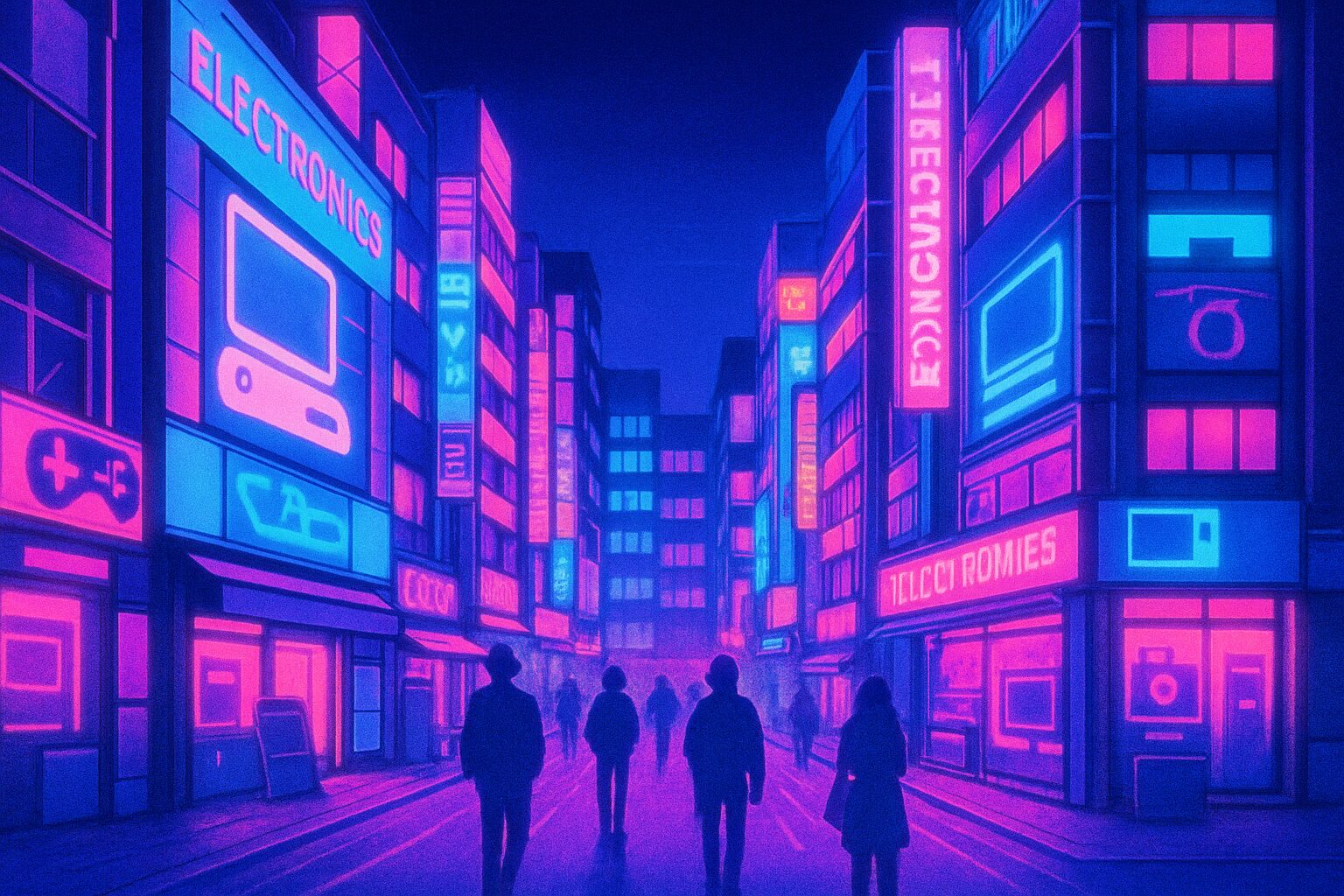
Every great RPG begins in a bustling town, and your Akihabara adventure starts the moment you step off the train at Akihabara Station. Don’t just rush out; take a moment to soak in the atmosphere. You’ll catch a symphony of sounds that make up the area’s distinctive background music: jingles from nearby arcades, cheerful announcements from shops, the distant rumble of the JR Yamanote Line, and excited chatter from fellow adventurers in a dozen languages. Your first task is to find the correct exit. Look for signs directing you to the “Electric Town Gate” (Denki Gai). This is your official spawn point. As you step out from the station’s shadow, the world bursts into a sensory overload of neon lights and sound. Towering buildings are covered with giant posters of the latest anime heroines and video game protagonists, their vibrant colors vying for your attention. It’s a breathtaking sight—a panorama of pure, unfiltered otaku energy. This isn’t just a shopping district; it’s a vibrant celebration of all things pop culture, worn loud and proud. Right before you stands the iconic Radio Kaikan building and the sprawling Atre department store connected to the station. To your left, the massive Yodobashi-Akiba complex looms like a friendly starting-area boss. This initial plaza is the crossroads of your journey, where countless quests begin. You’ll notice maids in frilly aprons handing out flyers (think of them as friendly NPCs offering new quests), street performers, and groups of friends eagerly planning their route. The energy is contagious. It’s a blend of anticipation and belonging. You’re not just a tourist here; you’re a player who has finally logged into the game world you’ve always dreamed of.
The Main Quest Line: Conquering Chuo Dori
The main street, Chuo Dori, serves as Akihabara’s primary quest line. On weekdays, it’s a bustling thoroughfare, but on Sundays, the game map transforms. The street closes to traffic, turning into a vast pedestrian paradise, a hokousha tengoku. This is when Akiba is at its most lively and chaotic. It’s a festival, a convention, and a shopping spree all rolled into one. Strolling down the center of this expansive street, flanked by towering buildings that stand as temples to technology and anime, is a quintessential Akihabara experience. Here you’ll find the major retailers, the key quest markers on your map that you absolutely must visit.
Yodobashi-Akiba: The Giga-Dungeon of Electronics
Just across the station from the main Electric Town area lies Yodobashi-Akiba. Calling it a store vastly undersells its scale. This nine-story giga-dungeon is devoted to every kind of electronics and entertainment you can imagine. It’s so enormous it even has its own theme song playing on a continuous loop inside, a catchy tune that will linger in your mind for the rest of the day. Entering Yodobashi-Akiba feels like stepping into a futuristic stronghold. The first floor stretches out with mobile phones, computers, and tablets, where staff buzz around like helpful tech sprites. As you ascend the escalators, each floor unfolds a new realm. Entire levels are dedicated to cameras, showcasing lenses of every conceivable size; floors for audio gear where audiophiles quietly test high-fidelity headphones with reverence; and levels for home appliances that seem straight out of a sci-fi film. For many adventurers, the real treasure lies on the 6th floor: the games and toys department. This floor is a paradise. One half houses video games, with rows upon rows of the latest releases for every console, along with peripherals, strategy guides, and merchandise. The other half is a toy kingdom, featuring a massive section for Gunpla (Gundam plastic models), action figures, board games, and puzzles. The sheer scale is staggering. You can easily spend hours here, marveling at intricate model kits or hunting down rare figures. The upper floors even include a restaurant level, your in-dungeon inn for restoring stamina before diving back into the hunt. Yodobashi-Akiba isn’t just a store; it’s an experience, the ideal first dungeon to gauge the scale of Akihabara.
The Otaku Holy Trinity: Animate, Gamers, and Sofmap
Back across the street on Chuo Dori, you’ll discover the otaku holy trinity of retail. These are specialized temples for fans of anime, manga, and games. Animate reigns supreme for new and current anime merchandise. It’s a multi-story tower of power, with each floor usually dedicated to different genres or types of goods. Here you’ll find the latest manga releases, character keychains, clear files, CDs of favorite anime soundtracks, and art books filled with stunning illustrations. They frequently host special events and pop-up displays for ongoing shows, creating a dynamic and ever-changing atmosphere. It’s the best place to feel the pulse of what’s hot in the anime world right now. Just a few doors down is Gamers. Despite its name, it’s more a haven for character goods, especially those from bishoujo (beautiful girl) anime and games. It’s packed with merchandise featuring cute and cool characters, from tapestries and acrylic stands to T-shirts and mugs. Like Animate, it’s a multi-level store where each floor offers a slightly different flavor of otaku delights. Then there’s Sofmap, a versatile player in the Akiba scene. It has multiple branches around the area, some specializing in new video games and anime Blu-rays, while others are renowned for their vast collections of used games and hardware. This is the place to hunt for bargains on slightly older titles or find classic consoles in pristine condition. Together, these three form the backbone of the Akihabara otaku shopping experience, each providing a unique inventory for your item hunt.
Accepting Side Quests: Diving into the Labyrinthine Alleys
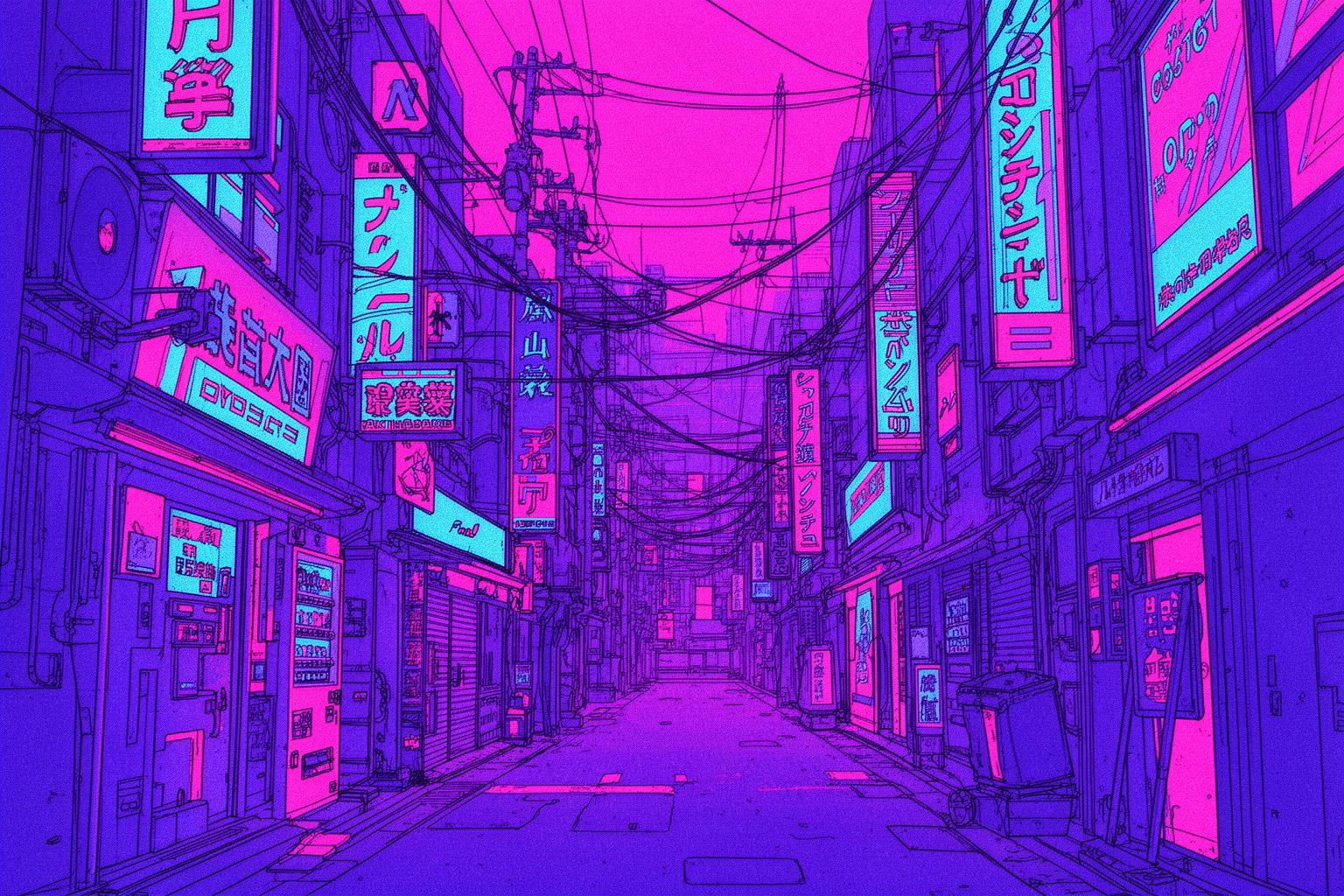
While Chuo Dori serves as the main thoroughfare, the true spirit of Akihabara resides in its back alleys. Here, the challenge intensifies, and the rewards become even more enticing. The narrow streets form a complex maze, a labyrinth packed with smaller, specialized shops hidden within unassuming buildings. This is where you step away from the main quest to follow your genuine interests. Exploring these alleys feels like uncovering secret zones on a game map. You’ll discover shops so niche they cater to the most specific hobbies, and the excitement of finding a hidden treasure is what makes Akiba so captivating.
Mandarake Complex: The Eight-Floor Mega-Dungeon of Dreams
If Akihabara were a JRPG, Mandarake Complex would be its final, optional, eight-level super-dungeon. Housed in an imposing black building, Mandarake is a legendary dealer of used and rare otaku items—essentially a vertical museum of pop culture history. Each floor transports you to a different realm. Starting at the bottom, where goods are purchased from other collectors, you ascend through floors dedicated to every imaginable genre. There’s a floor for doujinshi (fan-made comics), one overflowing with manga of all kinds, levels for male and female idol merchandise, and floors showcasing vintage Showa-era toys that can command prices higher than a dragon’s hoard. The video game section is a treasure trove of classics, and the figure floors display stunning artistic works. What sets Mandarake apart is its archival spirit. It’s not just selling items; it’s preserving history. You might stumble upon the exact toy you cherished as a child, a rare art book from a favorite creator, or a game thought lost to time. Exploring Mandarake is an adventure itself. The narrow aisles are packed from floor to ceiling with treasures, forcing you to weave past fellow hunters as you search the shelves. It’s a place of reverence, excitement, and pure, unfiltered nostalgia.
Super Potato: The Time-Warping Retro Dungeon
For those whose hearts beat in 8-bit, Super Potato is a must-visit pilgrimage. This is Akihabara’s—and arguably the world’s—most famous retro game store. Finding it is a mini-quest, tucked away on the upper floors of a small building in a back alley. As you climb the cramped staircase, the faint chiptune music grows louder, transporting you back in time. The store itself is a glorious chaos. Walls from floor to ceiling are lined with classic game cartridges for the Famicom, Super Famicom, Sega Mega Drive, PC Engine, and many other vintage consoles. Narrow aisles host glass cases displaying rare collectors’ editions and vintage gaming hardware. It feels less like a shop and more like an obsessive collector’s secret hideout. On the top floor, a small retro arcade offers classic games on original cabinets, alongside old-school Japanese snacks. The vibe is pure nostalgia—a place where you can physically hold the games that shaped your childhood, a tangible connection to the past. Even without buying anything, the experience of being surrounded by gaming history makes the trip well worth it. It’s a true time-warp dungeon.
Radio Kaikan & AmiAmi: The Figure Hunter’s Paradise
Right in front of the station stands Akihabara Radio Kaikan, a legendary building that was rebuilt and reopened a few years ago. This ten-story vertical shopping mall is a haven for hobbyists. Inside are dozens of specialty shops, many focused on anime figures, scale models, and dolls. Stores like AmiAmi, which operates a massive retail location here, are a figure hunter’s dream. The display cases form a dazzling museum of PVC and resin artistry, featuring characters from every corner of the anime and gaming universes. Here, you can find everything from affordable prize figures to high-end, exquisitely detailed scale figures that are works of art. This is where the craftsmanship behind these collectibles truly shines. You’ll also find shops selling model kits (like Gunpla), trading cards, and doll accessories. Radio Kaikan is a one-stop dungeon crawl that lets you explore a wide variety of hobby shops without ever leaving the building.
The Gachapon Grind: Farming for Rare Drops
Scattered throughout Akihabara is one of Japan’s most addictive mini-games: gachapon. These capsule toy machines are elevated into an art form in Akiba. Entire storefronts, like the renowned Akihabara Gachapon Hall, house hundreds of machines arranged in neat rows. Each machine offers a different series of small toys, keychains, or figures, often based on popular anime, quirky internet memes, or hilarious niche themes like miniature office furniture or animals in tiny hats. For a few hundred yen, you turn the crank and receive a random item from the set. It’s the real-world equivalent of opening a loot box or farming for a rare drop. The excitement lies in the randomness and the pursuit of completing a full set. Locals and tourists alike gather around the machines, eagerly opening capsules and trading duplicates with friends. It’s an inexpensive, fun, and quintessentially Japanese experience that lets you bring home a small, unique souvenir from your quest.
Grinding for EXP: The Arcades of Akihabara
If the shops are for item hunting, the arcades serve as Akihabara’s training grounds. Known as “game centers,” these are far from the dingy arcades you might picture from the West. They are loud, brightly lit, multi-story palaces of digital entertainment where you can sharpen your skills and earn significant EXP. The sounds strike you first: a chaotic mix of electronic music, explosions, and the clatter of tokens and medals. The energy is intense and focused.
The Iconic Towers: GiGO and Taito Station
Two of the most prominent names in the Akiba arcade scene are GiGO (formerly SEGA) and Taito Station. These towering buildings often rise six or more stories, with each floor dedicated to a different type of game. The ground floor almost always hosts UFO catchers, or crane games, stocked with an incredible variety of prizes. As you move upward, you’ll find floors dedicated to music and rhythm games like maimai, Chunithm, and Taiko no Tatsujin, where players execute dazzlingly complex routines with remarkable precision. There are also floors for fighting games, where high-level matches between skilled locals take place. Additionally, you’ll find sections for card-based arcade games, light-gun shooters, and sometimes even retro game corners. Each floor fosters its own community and distinctive atmosphere. Watching the regulars play is a spectacle itself—their skill reflects the dedication these games inspire.
The Art of the UFO Catcher
Don’t be deceived; the UFO catchers on the ground floor are not merely about luck. They involve physics, strategy, and a deep understanding of the machine’s mechanics. The prizes are a huge attraction, ranging from giant plushies of popular anime characters and limited-edition figures to snacks and electronic gadgets. Observing a skilled player is like watching a master strategist. They assess the prize’s position, the claw’s strength, and the angle of approach before making their move. Successfully snagging a desired prize delivers a rush of victory that’s hard to match. Even if you don’t win, trying your luck is incredibly fun and a great way to immerse yourself in the arcade culture.
Rest & Refuel: The Themed Taverns and Potion Shops
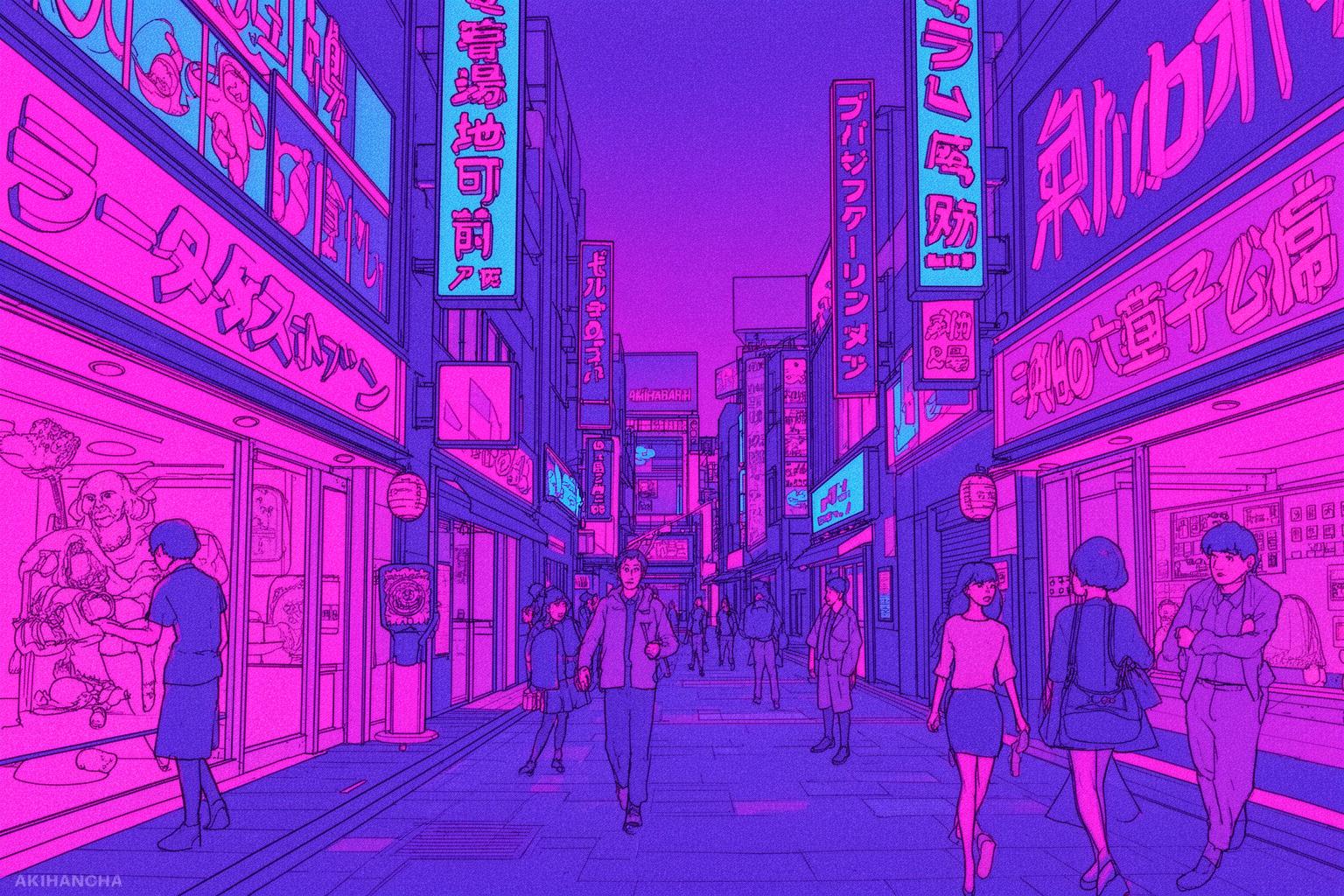
Every adventurer needs to rest and restore their HP and MP. In Akihabara, the inns and taverns are just as distinctive as the dungeons. Themed cafes form an essential part of the Akiba experience, offering not only food and drink but also a full immersion into a fantasy world.
Welcome Home, Master: The Maid Cafe Experience
Maid cafes are perhaps the most iconic of Akihabara’s themed dining spots. Establishments like @home cafe have become legendary institutions. From the moment you step inside, you are no longer a mere customer but the “Master” or “Princess” of the house. Staff dressed in charming maid costumes welcome you with an enthusiastic “Welcome home!” (Okaerinasaimase!). This experience is pure performance art. The food itself often has a cute presentation, such as omurice (omelet rice) decorated with ketchup drawings created by your maid. Before you begin eating, your maid might lead you in a chant or cast a “magic spell” to make the meal taste even better, like the famous “Moe moe kyun!” It’s playful, whimsical, and incredibly endearing. Many cafes also feature small live shows where the maids sing and dance. The experience concludes with a commemorative photo, or cheki, with your favorite maid. It’s a uniquely cultural experience designed to offer a joyful, fantasy-filled escape from everyday life.
Beyond the Maids: Other Themed Eateries
While maid cafes are the traditional favorite, Akihabara boasts a constantly evolving array of other themed cafes. The Square Enix Cafe is a must-see for fans of Final Fantasy and Dragon Quest, featuring a menu and merchandise inspired by these legendary games. You’ll also find numerous collaboration cafes that partner with popular anime or game franchises for limited periods. These spots are highly sought after and often require reservations, but they allow you to dine in an environment fully decked out in your favorite series’ theme, with exclusive food and merchandise. For a different type of adorable, there are also animal cafes, though it’s always important to ensure they are ethical and prioritize animal welfare.
Quick HP Recovery: Fuel for the Grinding Gamer
Sometimes an adventurer needs a quick potion to keep going. Akihabara offers a plethora of delicious, affordable, and fast food options perfect for a mid-quest refuel. You’ll find numerous ramen shops tucked away in alleys, each boasting its own secret broth recipe. Curry is another Akiba staple, with places like Go! Go! Curry! serving hearty plates of rich Japanese curry. You’ll also discover katsu restaurants, popular kebab stands, and vendors selling Taiyaki (fish-shaped cakes with various fillings). These eateries are the lifeblood of locals and seasoned Akiba explorers alike, providing the energy needed for a long day of item hunting.
Unlocking the Lore: The History of Akihabara
To truly grasp the vibrant world of Akihabara, it helps to know its backstory—how this area evolved from a modest neighborhood into the global cultural phenomenon it has become. The town’s history is as intricate and multi-layered as any RPG universe.
From Post-War Black Market to Electric Town
After World War II, this area turned into an expansive black market for radio parts and vacuum tubes, as people sought sources of information and entertainment. This laid the foundation for its electronic future. As Japan’s economy flourished, these small stalls developed into shops, and Akihabara earned the nickname “Denki Gai” or “Electric Town,” renowned as the destination for the latest home appliances, from refrigerators and TVs to washing machines. It became the hub of Japan’s technological ambitions.
The Rise of the Personal Computer and Hobbyists
In the late 1970s and 1980s, the focus shifted once more with the introduction of the personal computer. Akihabara became a pilgrimage site for early computer hobbyists and tech fans. Shops started selling computer parts, peripherals, and software. This attracted a community deeply passionate about technology and hands-on building, fostering a DIY culture that remains alive today in the area’s electronic parts stores. This era also marked the arrival of video games, with the Famicom (NES) capturing Japan’s imagination.
The Otaku Bloom: Anime, Manga, and Games Take Over
By the 1990s and 2000s, the interests of tech enthusiasts merged with the surging popularity of anime and manga. The PC boom gave rise to bishoujo games, and fans of these niche hobbies began congregating in Akihabara. Retailers, recognizing this shift, adapted. Shops that formerly sold home appliances started offering anime figurines, manga, and video games. The term “otaku,” once somewhat derogatory for obsessive fans, was reclaimed and embraced. Akihabara became the unique place where these fans could find all they loved and connect with like-minded individuals. The district transformed into the otaku capital it is today, a living reflection of a vibrant and creative subculture.
Your Player’s Handbook: Pro-Tips for First-Time Adventurers
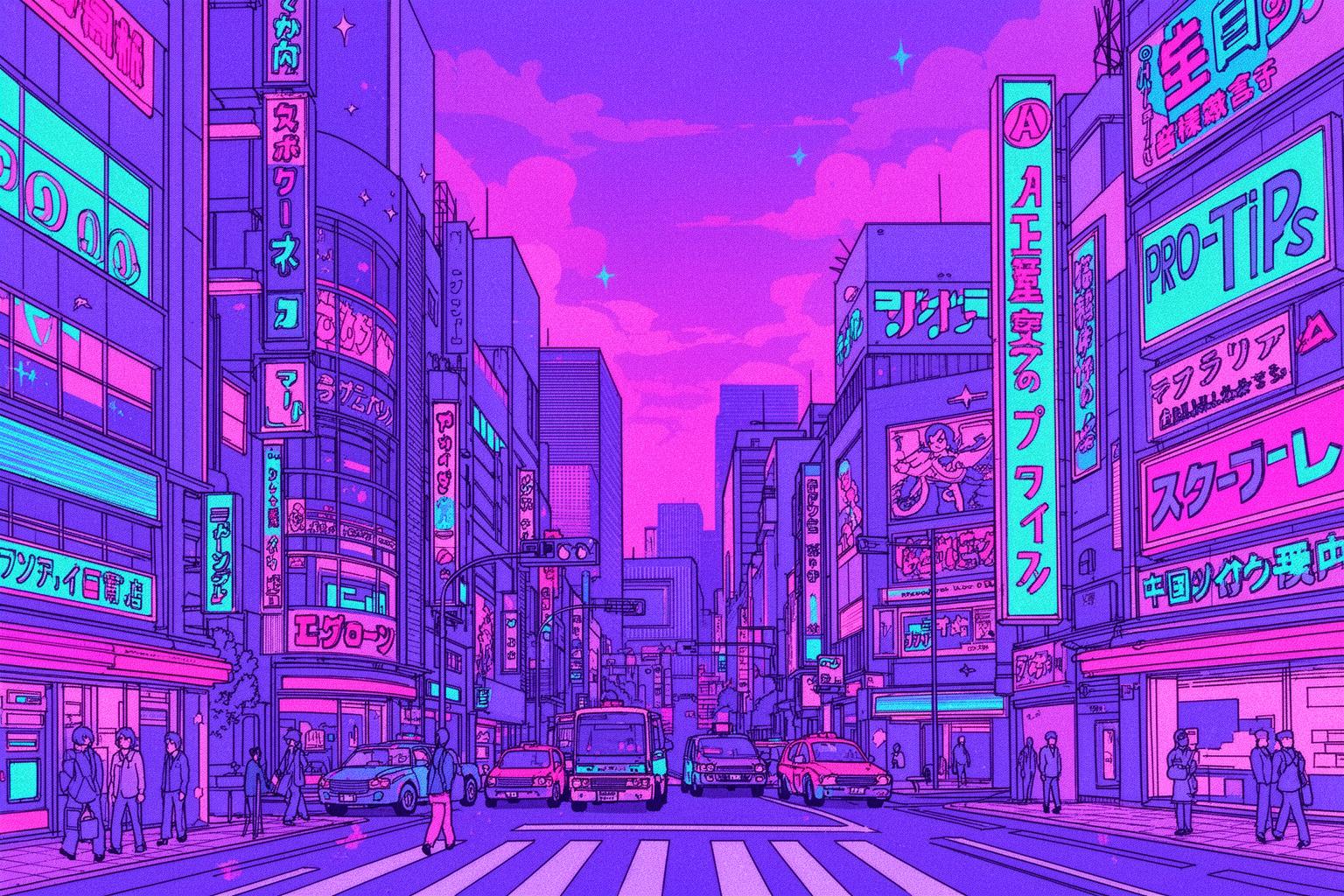
Every hero needs a guide. Here are some expert tips to help you navigate your first quest in Akihabara and get the most out of your adventure.
Navigating the Map: Access and Orientation
Getting to Akihabara is incredibly simple. Akihabara Station is a major hub served by the JR Yamanote Line (the green loop line circling central Tokyo), the JR Chuo-Sobu Line, and the Tokyo Metro Hibiya Line. Upon arrival, keep in mind the two main exits: the Electric Town Gate drops you right into the heart of otaku culture, while the Central Gate leads toward the Yodobashi-Akiba side. The area is very walkable, but it’s easy to get lost in the maze of alleys—which adds to the fun! Don’t hesitate to stray from the main street.
Inventory Management: Cash, Bags, and Tax-Free
While most big stores accept credit cards, many smaller, specialized shops tucked away in the back alleys are cash-only. It’s wise to carry a good amount of yen for those unique finds. Bring a comfortable, sturdy backpack to carry all your treasures. If you’re a tourist, don’t forget your passport! Many larger stores offer tax-free shopping for visitors who spend above a certain amount. Look for “Tax-Free” signs and be ready to present your passport at the designated counter.
NPC Interaction: Etiquette and Politeness
Politeness is essential in Japan. Always show respect to the staff. When taking photos, be conscious of your surroundings. Most stores prohibit photography inside to protect their products and privacy. Importantly, if you want to photograph maids or cosplayers you see on the street, always ask for permission first. They are either working or enjoying their own time, and it’s courteous to respect that. A simple “Shashin, ii desu ka?” (Is it okay to take a photo?) goes a long way. Treat the world like a friendly NPC, and your experience will be much more enjoyable.
You Have Cleared the Akihabara Quest!
Leaving Akihabara at the end of the day, as the neon lights shimmer on the wet pavement after a brief rain and the arcade sounds fade into the distance, feels like saving your game after a long, successful session. Your inventory is full, your EXP bar has risen, and you’ve uncovered new areas of the map you never knew existed. Akihabara is far more than just a cluster of stores. It’s a living, breathing community, a sanctuary for passion, and a testament to the power of hobbies that unite people. It’s a place that assures you it’s okay to love whatever you love, whether it’s a retro game, a niche anime, or the intricate craft of building a computer from scratch. It’s a city built on joy and obsession, in the best possible way. So, whether you spent your day hunting for a rare figure, setting a high score in an arcade, or simply soaking in the electric atmosphere, you leave with more than just souvenirs. You leave with memories of a quest well completed. So gear up, hero. Your epic loot awaits. Akihabara is ready for you. Are you ready to press start?